Buzen Zenkō-ji Temple, Buddhist temple in Usa, Japan
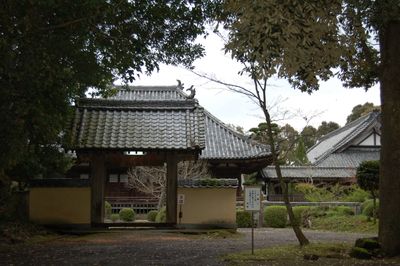
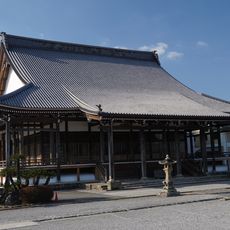
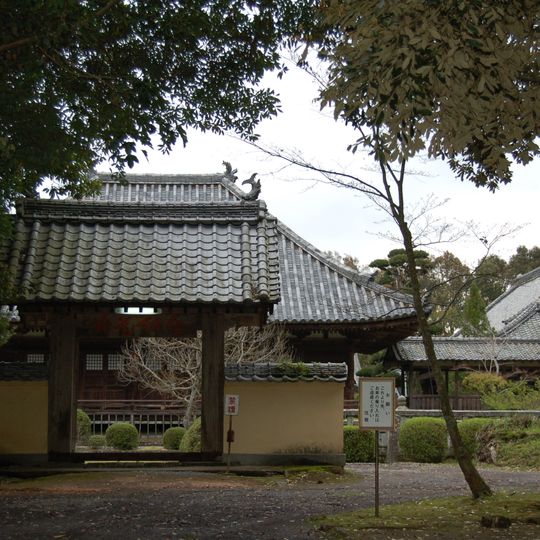
Buzen Zenkō-ji is a Jōdo-shū temple in Usa, Ōita Prefecture, formally named Bontenzan Hōshō-in. Its main hall, a Muromachi-period building of 7 bays by 5 with a hip-and-gable roof and curved karahafu porch, is a National Important Cultural Property. The south gate, built in 1686, has a plaque reading "Bontenzan" and plastered side walls; behind it stands a taller hall with sweeping eaves.
Tradition holds that the monk Kūya founded the temple in 958 after receiving an oracle at Zenkō-ji in Shinano and founding a hall on a grassy plain near Usa Hachiman. It belonged to the Ji-shū school until the early Edo period, then came under the patronage of the Kuroda, Hosokawa and Ogasawara lords. Its main hall, rebuilt by 1250 and later repaired, is a National Important Cultural Property.
The name Buzen Zenkō-ji distinguishes it from Nagano's Zenkō-ji, and locals also call it Shibahara Zenkō-ji after the old place name. The temple belonged to the Jishū school until the early Edo period, then became a Jōdoshū centre under the patronage of the Kuroda, Hosokawa and Ogasawara lords.
The temple stands at 237 Shimotokieda, Usa, about 20 minutes on foot or 5 minutes by car from JR Buzen-Zenkōji Station on the Nippō Line. Buses toward Yokkaichi stop at "Kokuhō Zenkōji" but run only on weekdays and very rarely. By car it is about 15 minutes from the Yokkaichi interchange on the Usa road.
Every six years, the Gokaichō ceremony takes place when a replica of the concealed statue is displayed to the public. This rare event draws pilgrims who wish to witness this special moment in person.
The community of curious travelers
AroundUs brings together thousands of curated places, local tips, and hidden gems, enriched daily by 94,043 contributors worldwide.