Ikkyū-ji Temple, Buddhist temple in Kyotanabe, Japan
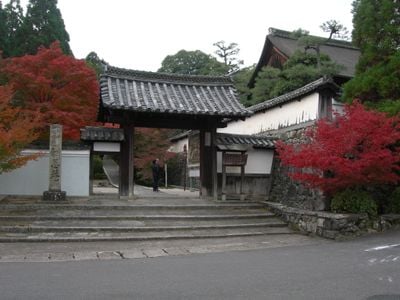
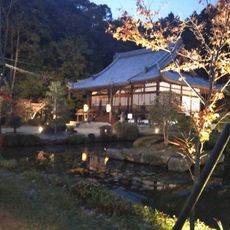
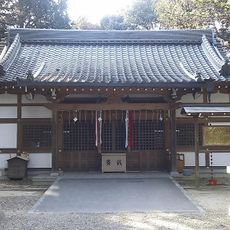
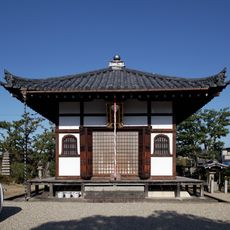
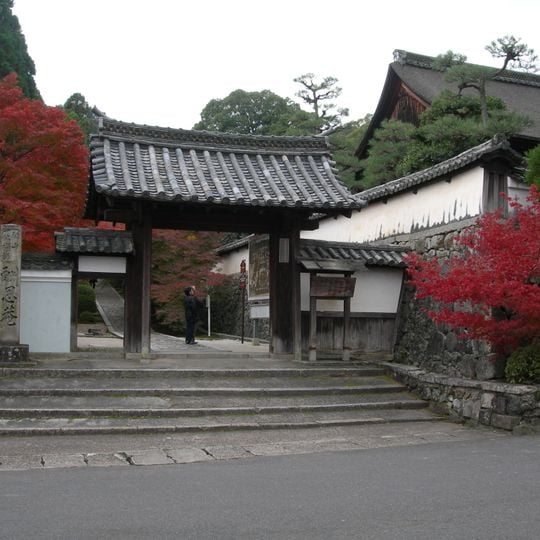
Ikkyuji, formally Shūon-an, is a Rinzai Ōbaku-style temple whose main hall, a Zen-style Buddha hall built between 1429 and 1441 under shogun Ashikaga Yoshinori, stands among halls rebuilt in 1650 by Maeda Toshitsune. Its three abbot's-quarters gardens are a nationally designated Place of Scenic Beauty: white sand for the ocean in the south, sixteen arhats in the east, a dry waterfall in the north. The tall wooden gate with grey tiled roof and white plaster side walls tops a wide stone stair.
The temple's predecessor, Myōshō-ji, was founded in the late 13th century by the Zen master Nanpo Jōmyō. In 1456 Ikkyū Sōjun rebuilt it as a hermitage and named it Shūon-an to repay his teacher's kindness. The Maeda lord Maeda Toshinaga restored the halls in 1650, and Ikkyū died here in 1481 at age 88.
The temple is known for Ikkyūji nattō, a salty fermented soybean made with kōji mold rather than the stringy nattō common elsewhere; Ikkyū is said to have introduced the recipe from Song China about 500 years ago. Monks still prepare it, fermenting in summer and sun-drying it for a year. The temple also marks Ikkyū's birthday with the Ikkyū Zenzai day, held on the last Sunday of January.
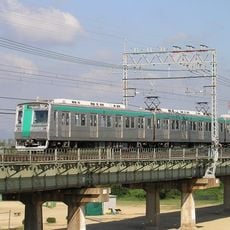
The temple is at 102 Shin-aza Satonouchi, Taki, Kyotanabe. From Kintetsu Shin-Tanabe Station or JR Kyotanabe and Matsuiyamate stations, take Keihan bus routes 66A or 66B to the Ikkkyu-ji stop, then walk 4 minutes; routes 64 stop at Ikkyuji-michi, 5 minutes away. The direct express bus from Kyoto Station also stops at Ikkyu-ji.
Ikkyuji natto is not the stringy natto eaten at breakfast: it is fermented with koji mould, salted and sun-dried for about a year, a preserved food said to follow a recipe Ikkyu brought from Song China some 500 years ago. The abbot still makes it by hand each hot summer.
The community of curious travelers
AroundUs brings together thousands of curated places, local tips, and hidden gems, enriched daily by 93,484 contributors worldwide.