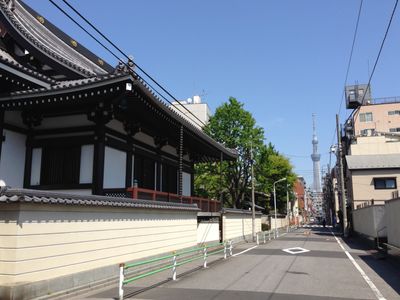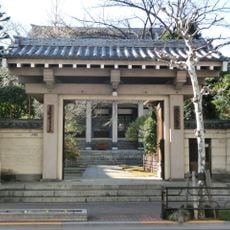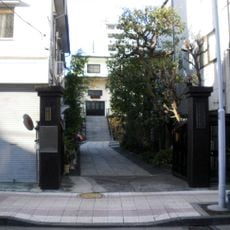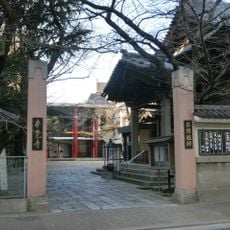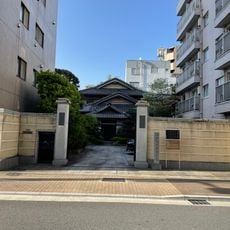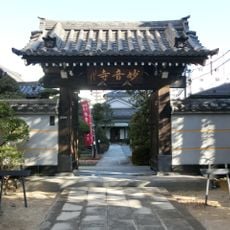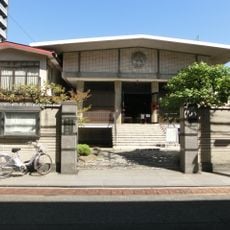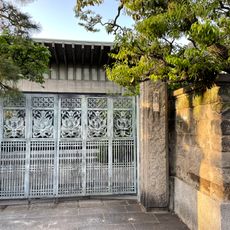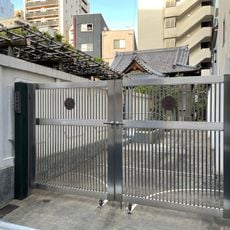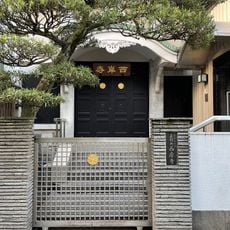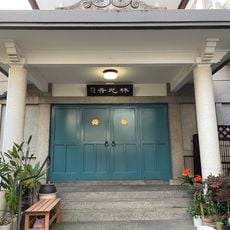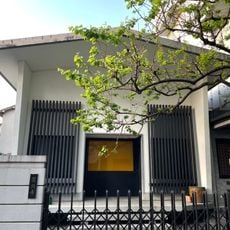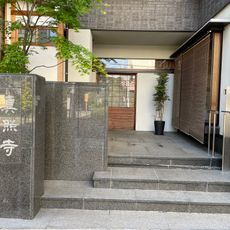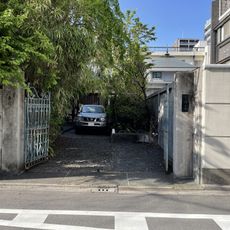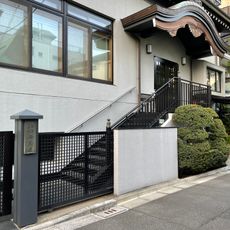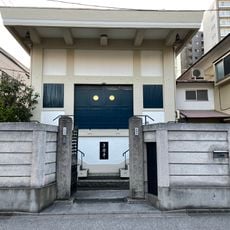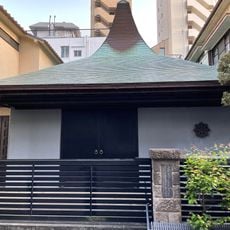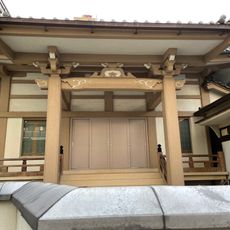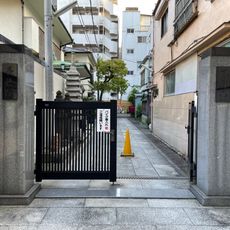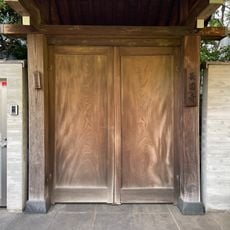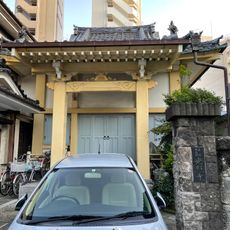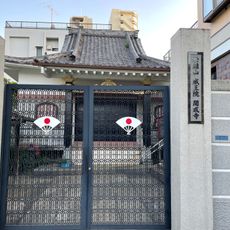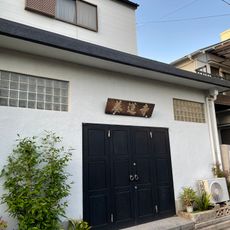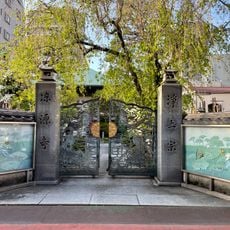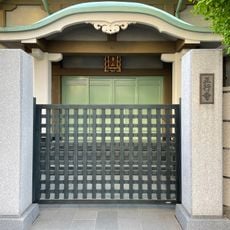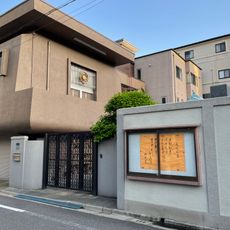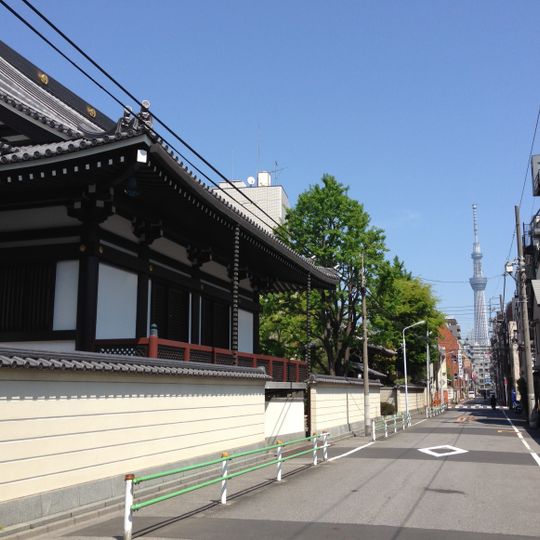
Genkū-ji, Buddhist temple in Higashi-Ueno, Japan
Genkū-ji is a Jōdo-shū Buddhist temple in Higashi-Ueno, Tokyo, founded in 1590 and moved to its present site after the 1657 Meireki fire. Its main image is a statue of Hōnen, and the temple is also known as Godaisan Monju-in. A 1636 copper bell donated by Tokugawa Iemitsu is a designated Taitō City cultural property.
This temple was established in 1590 as a small chapel and received land as a gift from Shogun Tokugawa Ieyasu in 1604, elevating its status. Following the great fire of 1657, it was relocated to its present location.
The temple cemetery holds the graves of important Japanese figures such as cartographer Inō Tadataka and painter Tani Bunchō. These burial sites reflect the place's role as a final resting place for people of note.
This temple stands very close to Inaricho Station on the Tokyo Metro Ginza Line and is easily accessible on foot. Visitors should be prepared to follow traditional etiquette when entering sacred areas and wear comfortable shoes.
The temple's bronze bell is dated to 1636 and was donated by Shogun Tokugawa Iemitsu; it is registered as a tangible cultural property of Taitō ward. The cemetery also holds the grave of Banzuiin Chōbei (1622–1650), a street tough of Edo, alongside those of the surveyor Inō Tadataka and the astronomer Takahashi Yoshitoki.
The community of curious travelers
AroundUs brings together thousands of curated places, local tips, and hidden gems, enriched daily by 93,677 contributors worldwide.