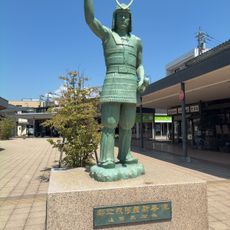
Nakagō Kofun Cluster, Historic burial mound cluster in Tsuruga, Japan
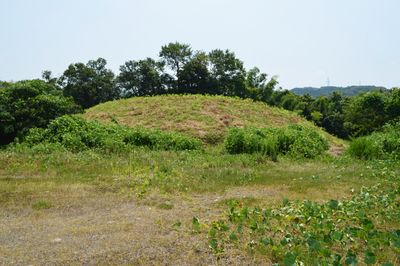
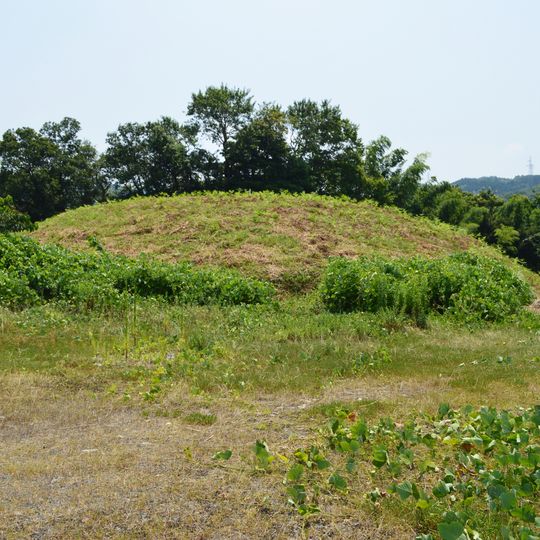
The Nakagō Kofun Cluster is a group of ancient burial mounds located in the city of Tsuruga, Japan, built between the 4th and 6th centuries AD. It is divided into two main groups: the Mukaiyama group, with large circular mounds on a hilltop, and the Myōjinyama group, which features keyhole-shaped tombs typical of high-ranking burials.
The mounds were built during the Kofun period, a time when constructing large tombs was a widespread practice across Japan. The site came to wider attention during highway construction, when excavations uncovered weapons, bronze mirrors, armor fragments, and gold-plated helmets buried alongside the dead.
The word kofun means old mound in Japanese, and this cluster is one of the clearest examples of how burial shapes reflected social rank. The largest mounds were reserved for rulers or warriors, while smaller ones surrounded them, showing a clear order even in death.
The site has few facilities, so it is best to come prepared with water and comfortable shoes for walking on uneven ground. On-site information is limited and mainly in Japanese, so reading up beforehand helps make the most of the visit.
Among the objects recovered here were gold-plated helmets and armor fragments, which are rare finds even by national standards. These items suggest that whoever was buried at this site held a position of real power in the region.
The community of curious travelers
AroundUs brings together thousands of curated places, local tips, and hidden gems, enriched daily by 91,374 contributors worldwide.