Moro Heritage Site, Archaeological site in Jōhoku Chūō Park, Tokyo, Japan.
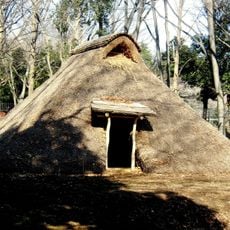
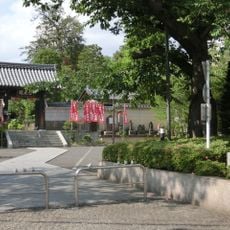
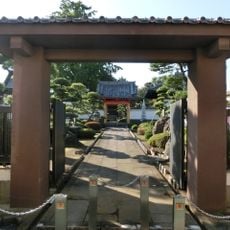
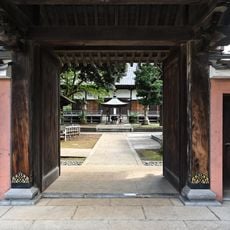
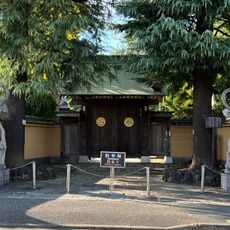
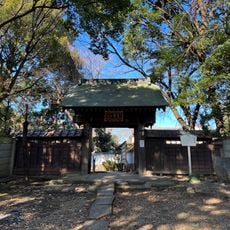
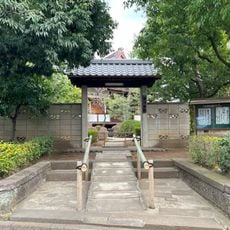
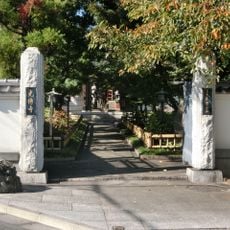
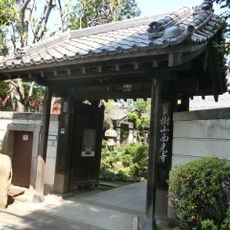
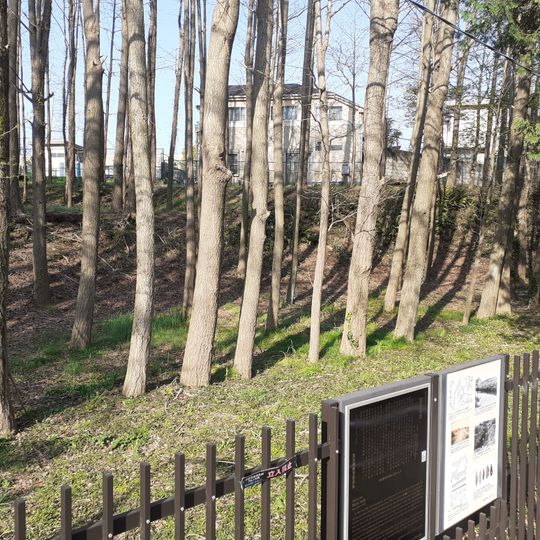
The Moro Heritage Site is an archaeological location within Jōhoku Chūō Park in Tokyo where Paleolithic obsidian tools have been excavated from the ground. The area sits beside the Shakujii River surrounded by trees, with informational signs and a stone marker showing where discoveries were made.
In 1951 a student named Hiroshi Takizawa found obsidian tools at this location, which led to the second Paleolithic survey conducted in Japan. These discoveries helped archaeologists understand how people lived during Japan's earliest periods.
The stone tools discovered here shaped the term Moro knife in archaeological study, revealing how people made sharp blades thousands of years ago. Walking through the site, you can see where these ancient craftspeople worked along the river.
The site is easily reached through Jōhoku Chūō Park with clear signage showing the way. The area includes forested paths, so wear appropriate footwear and plan time to read the informational boards carefully.
Twenty-two stone tools from the site were recognized as tangible cultural properties of Tokyo in 1999, making them officially protected treasures. This official status reflects how significant this location was for understanding human life in ancient Japan.
The community of curious travelers
AroundUs brings together thousands of curated places, local tips, and hidden gems, enriched daily by 91,293 contributors worldwide.