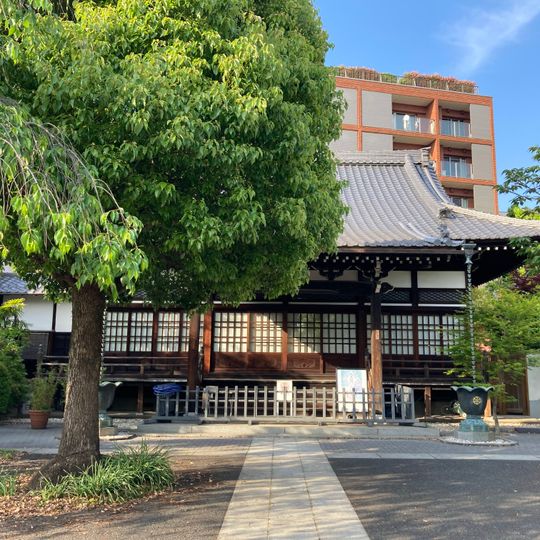
Aizen-in, temple in Shinjuku-ku, Tokyo
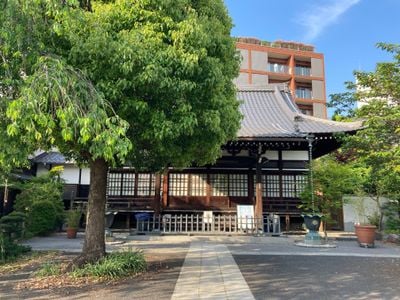
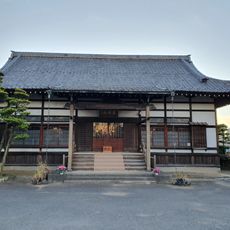
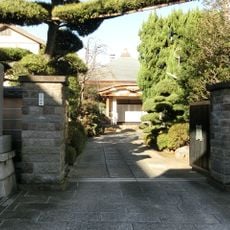
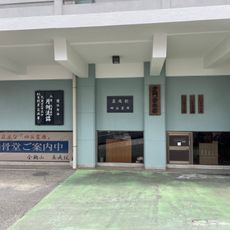
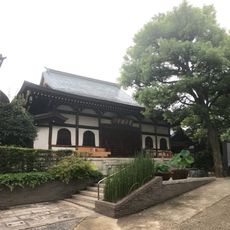
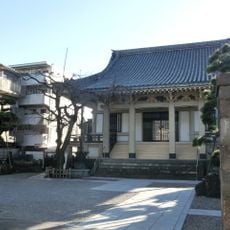
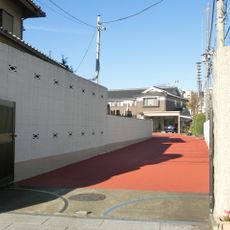
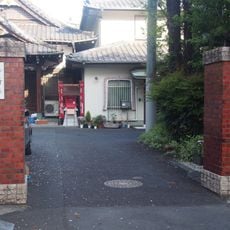
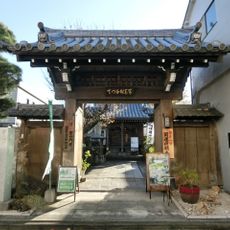
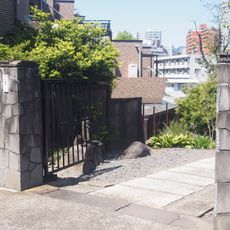
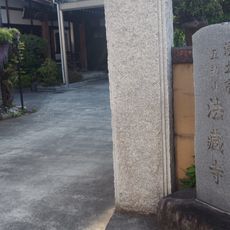
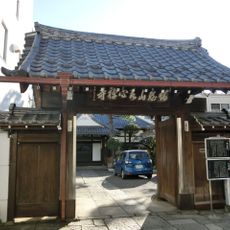
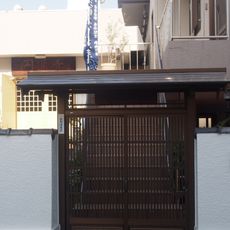
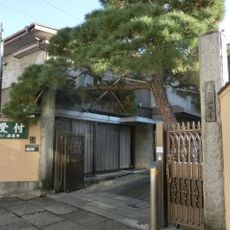
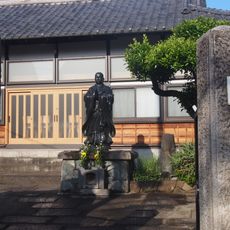
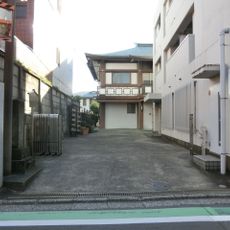
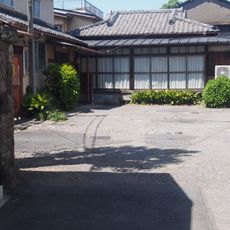
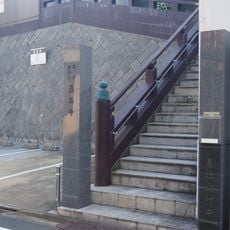
Aizen-in is a small Buddhist temple in Wakaba with traditional wooden buildings and tiled roofs arranged in a simple layout. The grounds feature a main gate (Sanmon), a historic gate with traditional carpentry (Nagayamon), a bell tower (Shoro), a main hall (Hondo) housing the statue of Aizen Myōō, the administrative building Omate Shoin, a concrete pagoda (Tahoto), and the Daishido hall dedicated to Kūkai.
The temple was founded in 1433 and belongs to the Shingon school of Buddhism, a major tradition in Japan. It later became the family sanctuary of the Matsuo family, whose most notable descendant was the haiku poet Matsuo Bashō.
The temple serves as the family sanctuary of the Matsuo family and houses the grave of the renowned 17th century haiku poet Matsuo Bashō. In the cemetery garden grow a banana plant and a camellia, plants that Bashō loved and that today symbolize his memory.
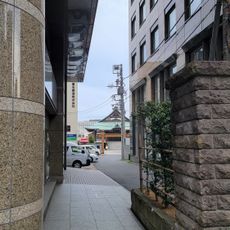
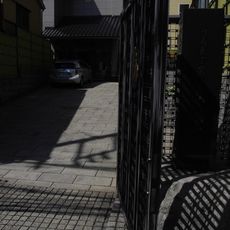
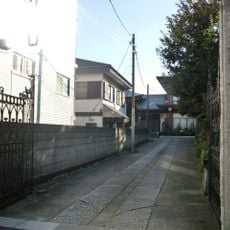
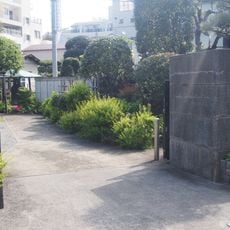
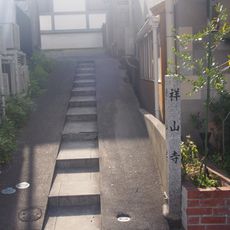
The temple is located about two minutes on foot from Nerima-kasugacho Station on the Toei Oedo line and is easy to reach. Visitors can explore the grounds freely and should use the quiet paths and stone walkways to view all the buildings and the cemetery.
A remarkable fact is that only part of Matsuo Bashō's body is buried here - his hair - while his body was taken to Lake Biwa after his death in Osaka. His disciples wanted to honor this important poet through this connection to the family sanctuary.
The community of curious travelers
AroundUs brings together thousands of curated places, local tips, and hidden gems, enriched daily by 91,383 contributors worldwide.