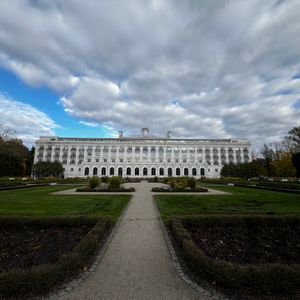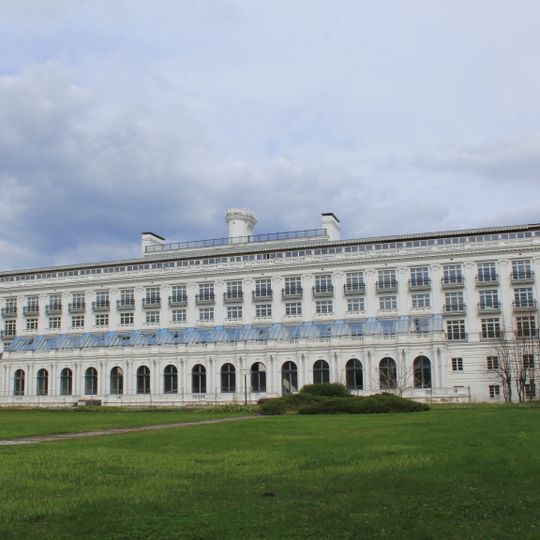
Ķemeri sanatorium, Neo-classical sanatorium in Jūrmala, Latvia
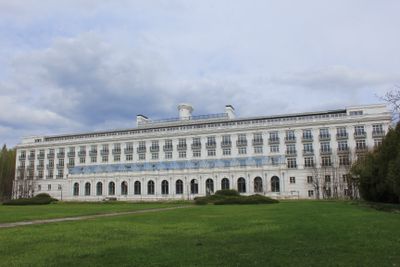
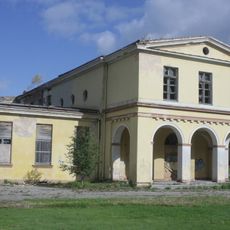
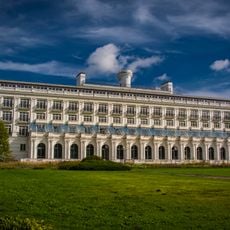
Ķemeri sanatorium is a neo-classical health facility in Jūrmala featuring a white limestone facade that spreads symmetrically across the landscape. The structure includes colonnades, an observation deck overlooking the Baltic coast, and originally contained over 100 guest rooms.
Architect Eižens Laube designed this health facility in 1936, making it a prominent European destination for therapeutic treatments. During the Soviet period, the facility expanded to accommodate 300 patients.
Locals gave this structure the nickname 'White Liner' because of its striking appearance, and it represents the architectural style of Latvia's independence era. The building continues to shape how visitors perceive the coastal landscape.
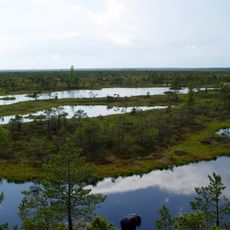
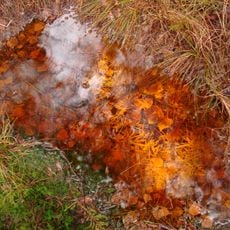
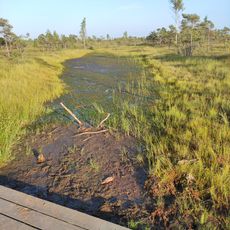
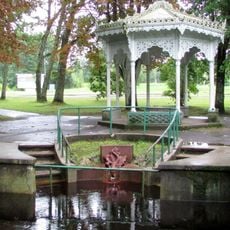
The building takes advantage of the area's natural sulfur springs and mud deposits for therapeutic treatments available year-round. Visitors should expect damp conditions and wear sturdy footwear, as access involves walking on uneven ground.
The complex harnesses local sulfur springs that have long been known for their healing properties and gave the location its name. The combination of traditional mud treatments with modern medical practices made it a leading health center during the Soviet era.
The community of curious travelers
AroundUs brings together thousands of curated places, local tips, and hidden gems, enriched daily by 60,000 contributors worldwide.