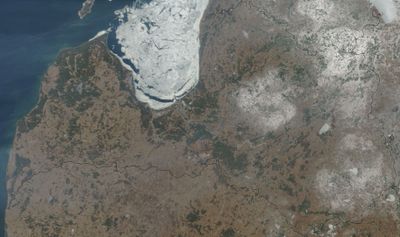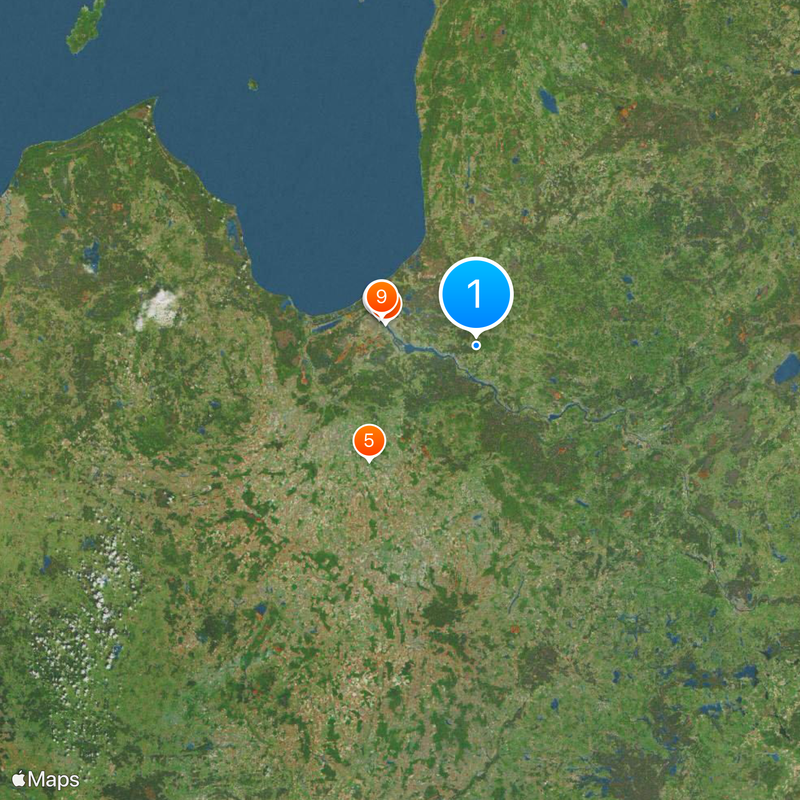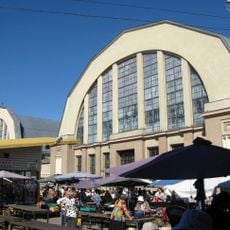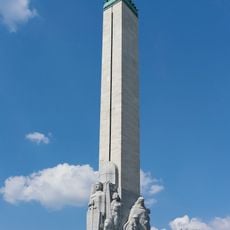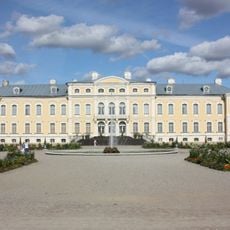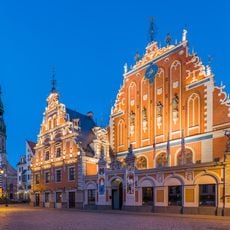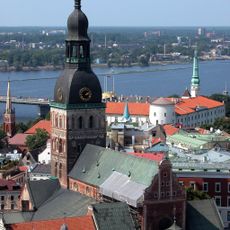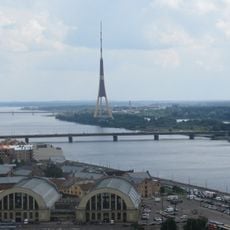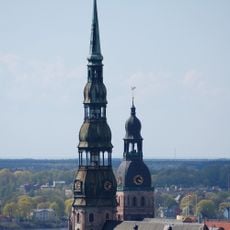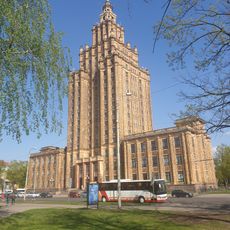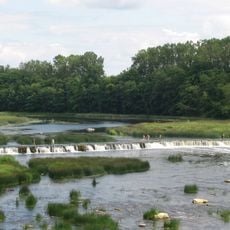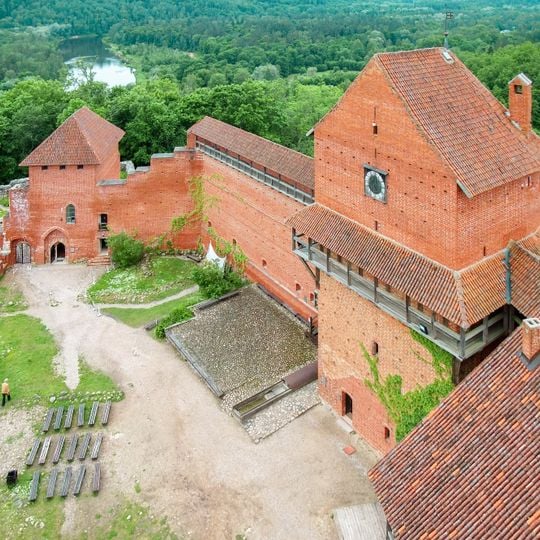
Latvia, Baltic state in Northern Europe, between Estonia and Lithuania.
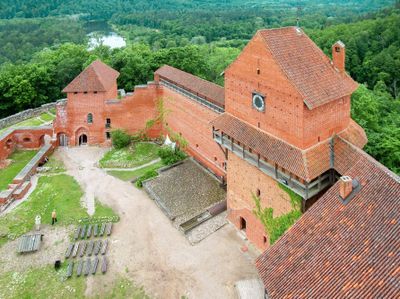
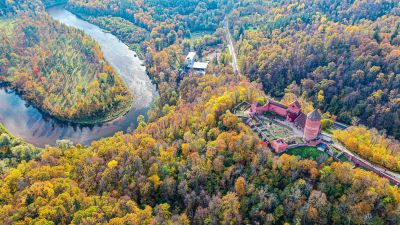
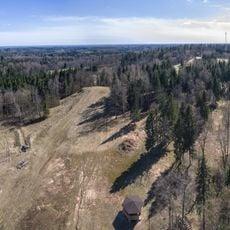
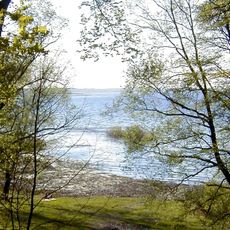
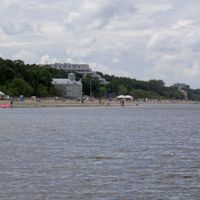
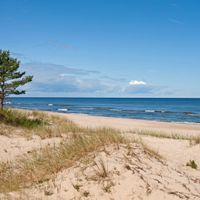
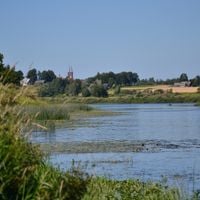
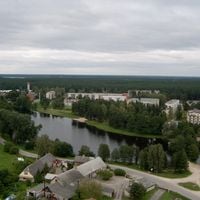
Latvia is a Baltic nation positioned between Estonia to the north and Lithuania to the south, with a coastline along the sea to the west. The terrain features gentle hills, widespread forests, many lakes, and wetlands spread across a mostly flat landscape.
German crusaders controlled the region from the 13th century, followed by Polish-Lithuanian, Swedish, and Russian rule. Independence was declared on November 18, 1918, interrupted by Soviet occupation from 1940 to 1991, before joining the European Union in 2004.
Traditional crafts such as wood carving and amber working remain active in small workshops where artisans follow methods passed down through generations. Local markets display hand-knit woolen blankets and woven baskets made using inherited patterns.
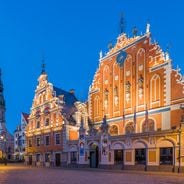
Riga offers international flight connections to major European cities, while buses and trains link to Estonian and Lithuanian towns. The summer months from June through August provide comfortable conditions for outdoor exploration when temperatures are mild.
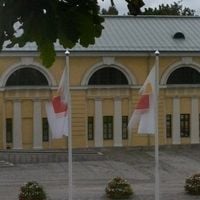
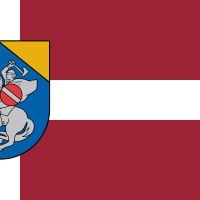
The red and white flag stands among the oldest recorded national banners, originating from a 1279 battle where a wounded leader used a blood-stained white cloth as a rallying symbol. The design persisted through centuries and was readopted after each period of foreign rule.
The community of curious travelers
AroundUs brings together thousands of curated places, local tips, and hidden gems, enriched daily by 90,857 contributors worldwide.