Lichtenvoorde, farm village in the Netherlands
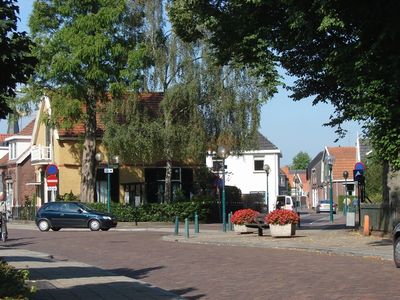
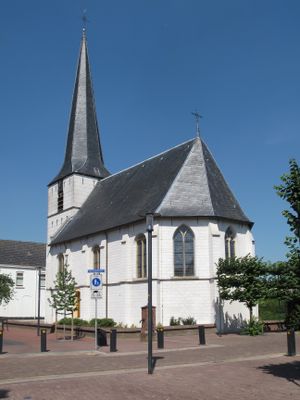
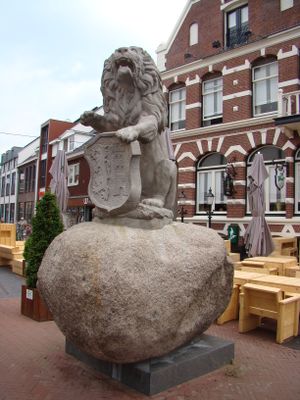
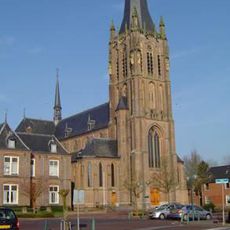
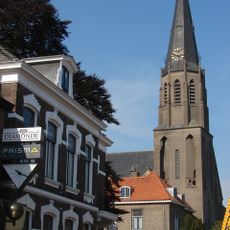
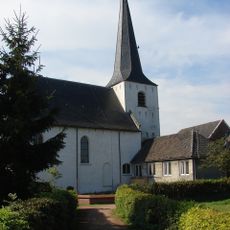
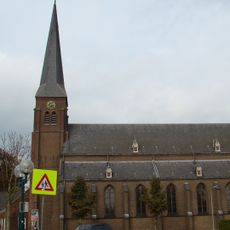
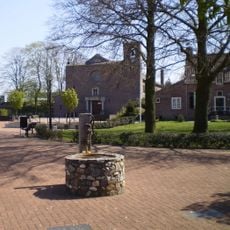
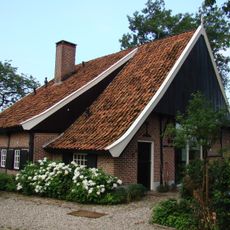
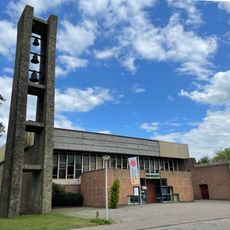
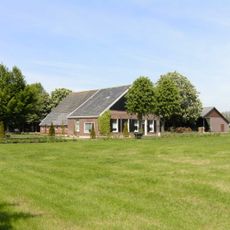
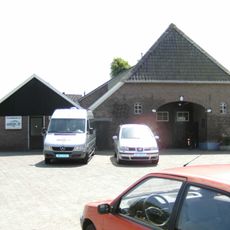
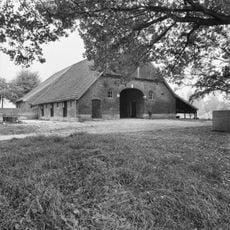
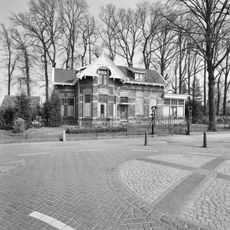
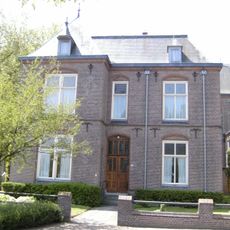
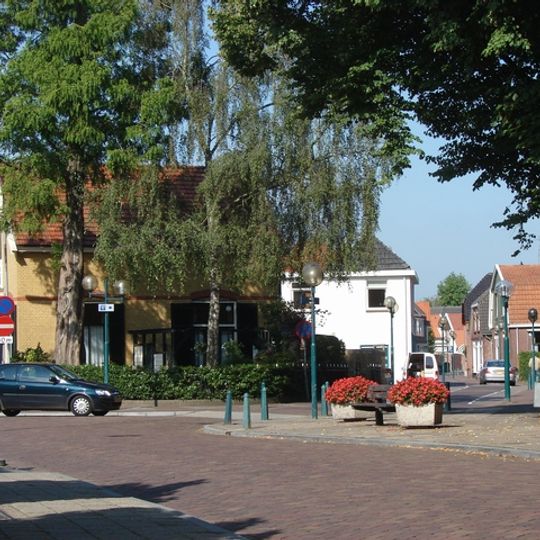
Lichtenvoorde is a small town in eastern Netherlands within Oost Gelre municipality, surrounded by fields and countryside. It has traditional houses, a central marketplace featuring a large 20-ton stone from the 1870s topped with a lion sculpture, and a Protestant church from 1648 that anchors the town center.
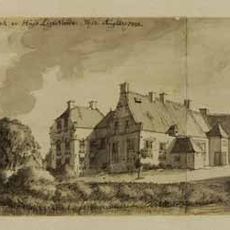
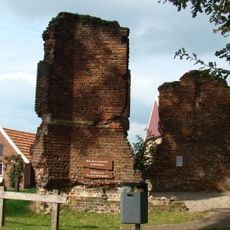
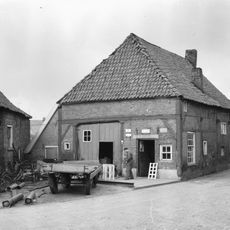
The town originated in the 14th century around a castle documented in 1312, and later developed around a chapel built by a noble family in the 15th century. It was destroyed twice by major fires in 1735 and 1868, reshaping its layout and architecture.
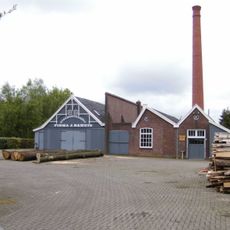
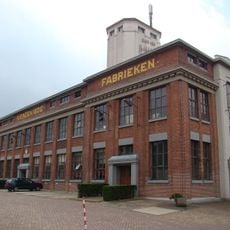
The town's identity is closely tied to its shoemaking tradition, visible in local pride about the boulder-dragging event that symbolizes community spirit. Residents gather regularly at the central marketplace, where weekly markets and seasonal festivals celebrate local crafts and traditions that define daily life here.
The town is best explored on foot, with walking and cycling paths through the surrounding countryside and historical streets. Be aware that public transportation is limited, so arriving by car is more practical, and the September motocross races can be noisy.
In 1874, 99 shoemakers dragged a 20-ton boulder across several kilometers to celebrate King William III's silver jubilee, a remarkable feat of community effort. The stone still sits at the marketplace, and locals proudly call themselves 'boulder draggers' in memory of this unusual tradition.
The community of curious travelers
AroundUs brings together thousands of curated places, local tips, and hidden gems, enriched daily by 60,000 contributors worldwide.