Roman bridge in Maastricht, Roman bridge remains near Sint Servaasbrug, Netherlands
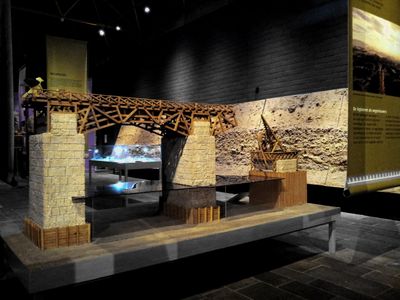
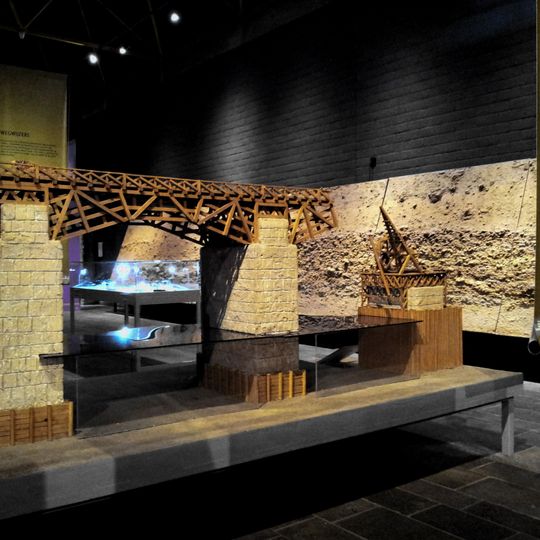
The Roman bridge in Maastricht is an ancient Roman crossing that once spanned the Meuse River at a natural ford near the center of today's city. Only the stone pier foundations survive, submerged beneath the river.
The bridge was first built around 50 CE as part of the Via Belgica, a Roman road that connected military posts and trading centers across the region. It was reinforced and modified several times before eventually falling out of use.
The crossing point represented a place where traders and travelers from distant lands met, shaping how people understood their position in the wider world. This meeting place became woven into local stories and identity over centuries.
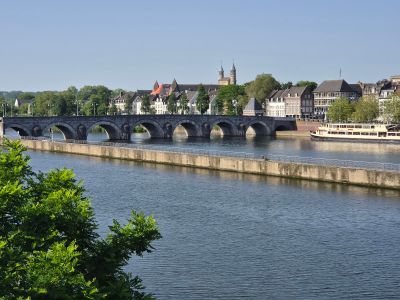
The remains lie under the Meuse River just south of the Sint Servaasbrug and cannot be seen from the surface. Visitors who want to learn more can head to the Museum Derlon nearby, which displays Roman archaeological finds from this area.
The wooden pilings driven into the riverbed have been partly preserved by constant moisture and have allowed researchers to trace changes in the river's water levels going back nearly 2000 years. This makes the site one of the few places where Roman timber work from the 1st century CE can still be studied directly.
The community of curious travelers
AroundUs brings together thousands of curated places, local tips, and hidden gems, enriched daily by 92,284 contributors worldwide.