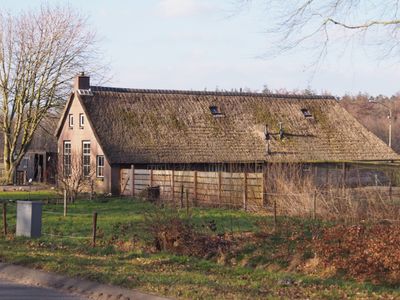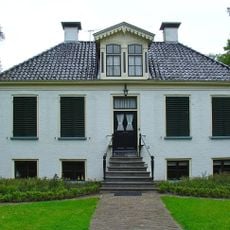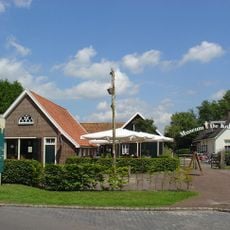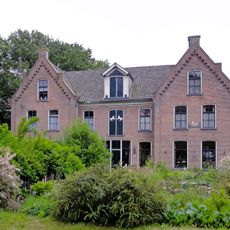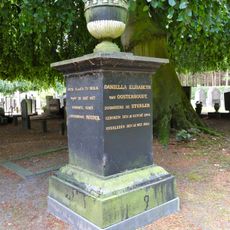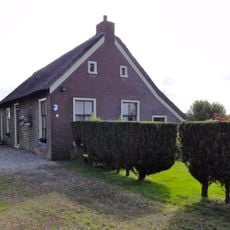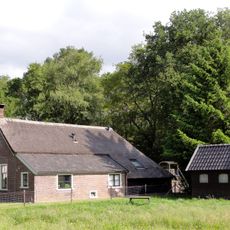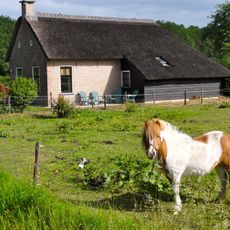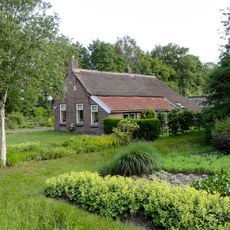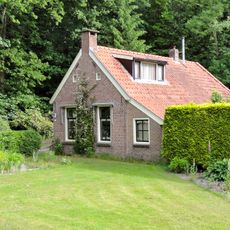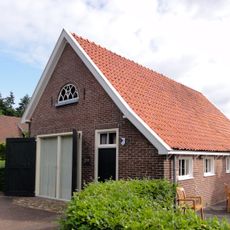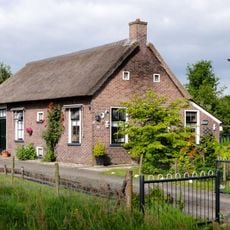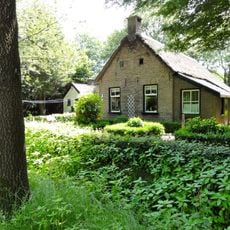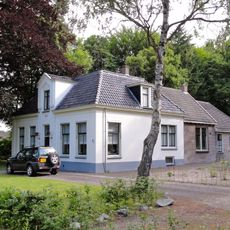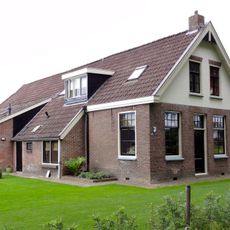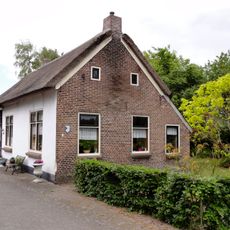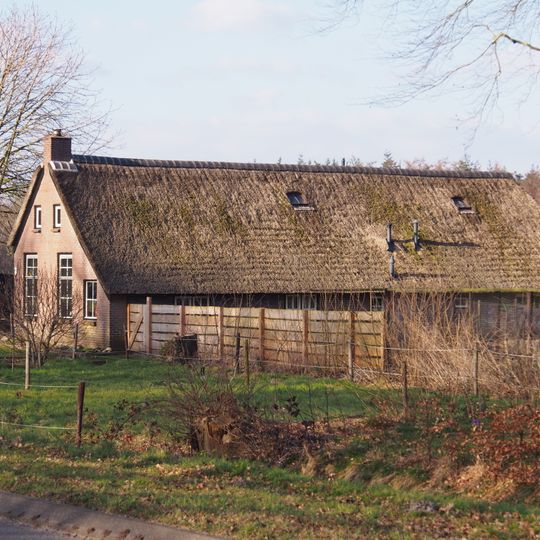
Wilhelminaoord, Heritage colony site in Westerveld, Netherlands.
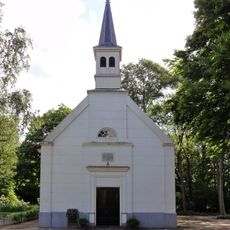
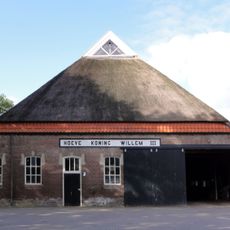
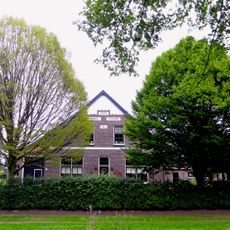
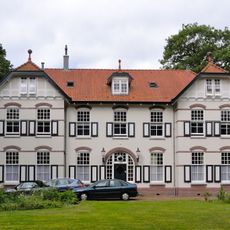
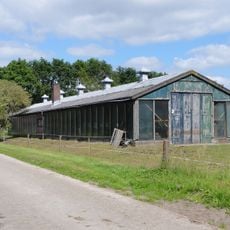
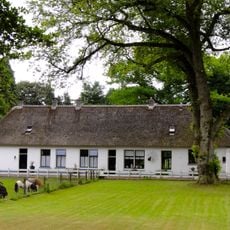
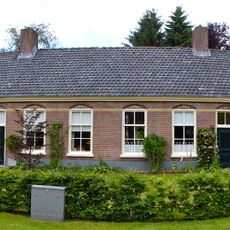
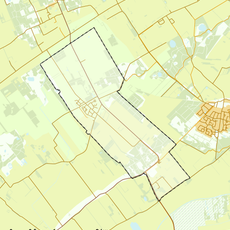
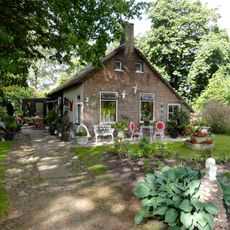
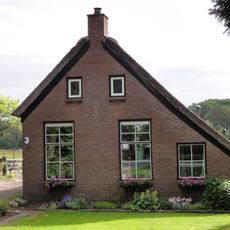
Wilhelminaoord is a planned settlement from the 19th century on the Westerveld countryside with neatly arranged residences, worker dormitories, and a central church building. The layout follows a systematic design where everything was arranged for communal living and work.
The settlement was founded around 1820 to provide impoverished people with work, housing, and training so they could become self-sufficient. It became part of a larger Dutch program to support disadvantaged citizens.
The settlement shows how communities were meant to live together in the past: residents worked the fields and learned trades within an environment designed to support their livelihoods. The layout of buildings and pathways reflects this vision, illustrating how work, education, and housing were organized as one system.
The settlement sits in the countryside and is reachable by regional bus from Steenwijk station. A visitor center in nearby Frederiksoord offers information and guided tours of the grounds.
The colony pioneered an early social security system where residents received financial protection, which influenced modern Dutch welfare programs. This experiment was quite advanced for its time and demonstrated new approaches to fighting poverty.
The community of curious travelers
AroundUs brings together thousands of curated places, local tips, and hidden gems, enriched daily by 90,753 contributors worldwide.