Lutjegast, farm village in the Netherlands
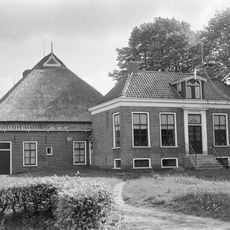
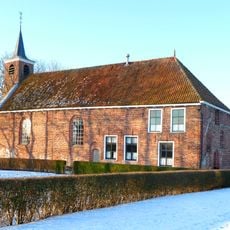
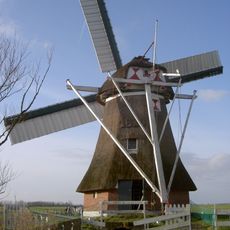
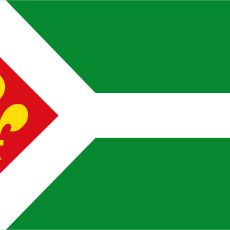
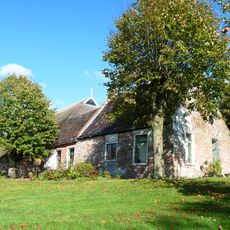
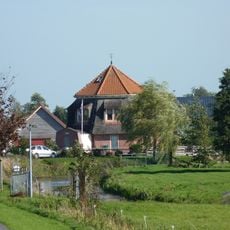
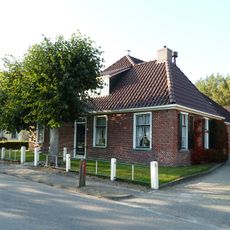
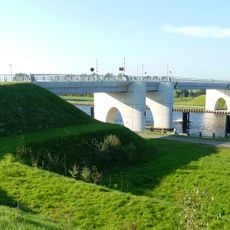
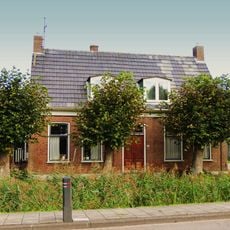
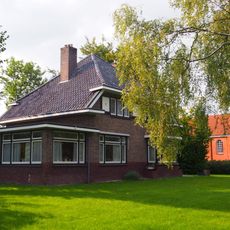
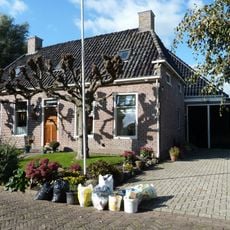
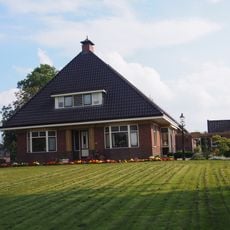
Lutjegast is a small village in the Westerkwartier region of Groningen Province in northern Netherlands. The village sits on a sandy ridge surrounded by low, wet areas, with quiet streets, traditional houses, and farms lined up along a main road.
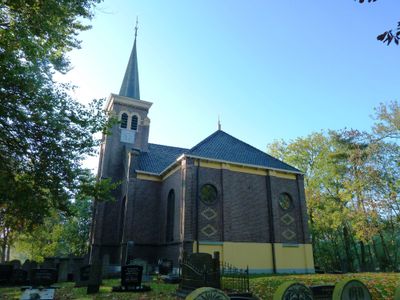
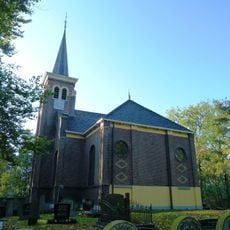
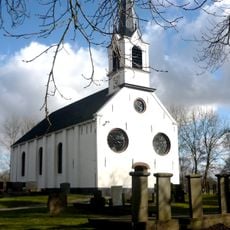
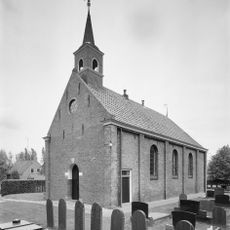
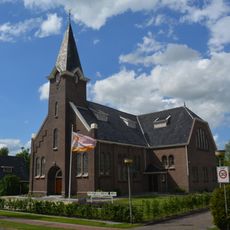
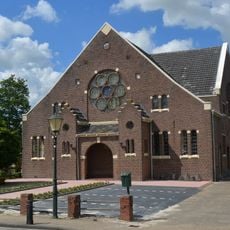
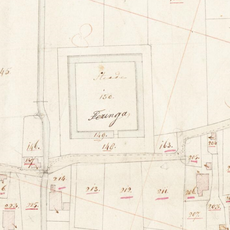
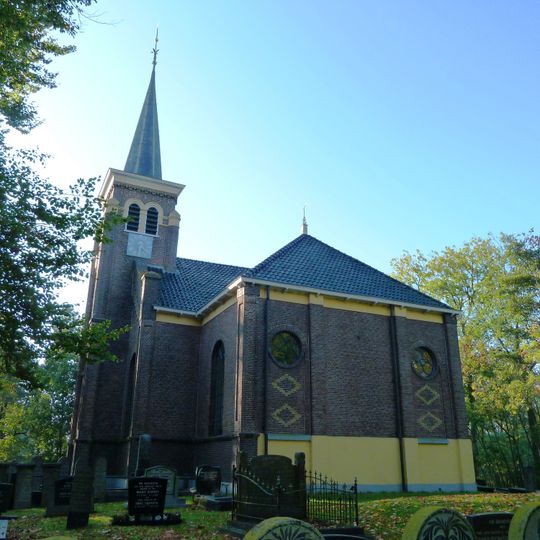
The village was first mentioned in written records in 1459 and developed as a farming settlement on a sandy ridge. A church was built in 1877 and stands today as a marker of the village's long settlement history.
The name Lutjegast comes from the local language and means a small place on a high sandy hill. Residents keep their traditions alive through local celebrations and church gatherings, which strengthen ties between neighbors and pass stories from one generation to the next.
The village is easy to explore on foot or by bicycle, with narrow streets and flat terrain offering good conditions for visitors. Basic amenities like a small shop and bakery are available nearby to support a comfortable day visit.
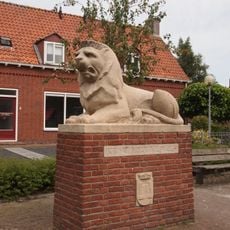
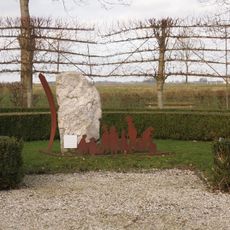
Lutjegast is the birthplace of explorer Abel Tasman, who was the first European to reach Tasmania and New Zealand. A small museum in the village displays his life and voyages with artifacts from that era.
The community of curious travelers
AroundUs brings together thousands of curated places, local tips, and hidden gems, enriched daily by 60,000 contributors worldwide.