Egelantiersgracht, Canal street and landmark in Jordaan, Amsterdam, Netherlands
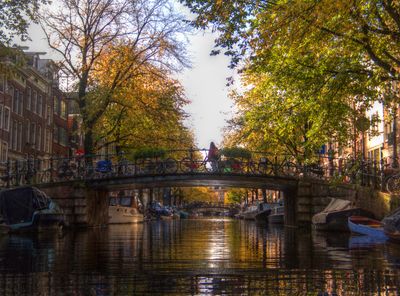
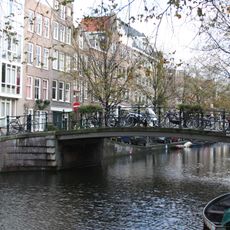
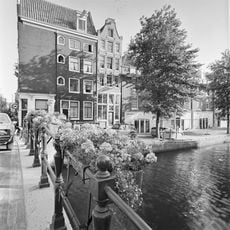
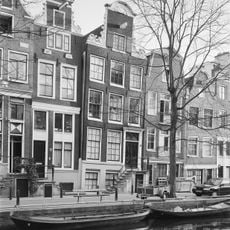
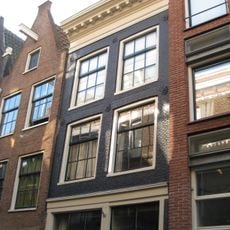
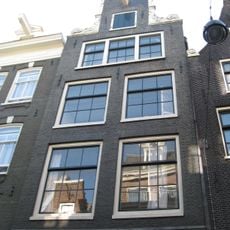
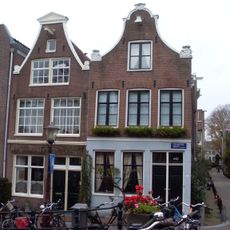
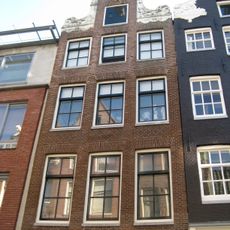
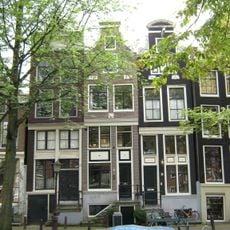
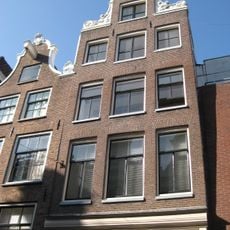
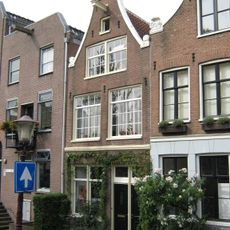
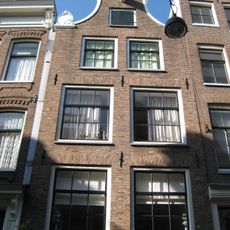
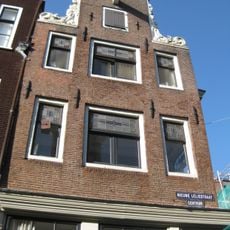
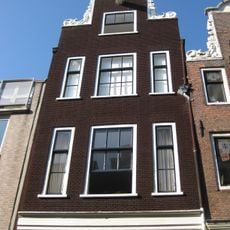
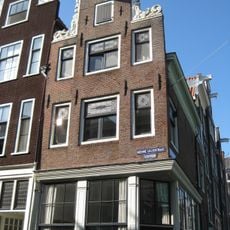
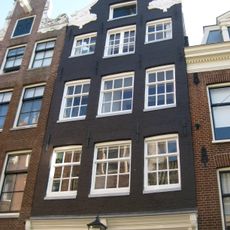
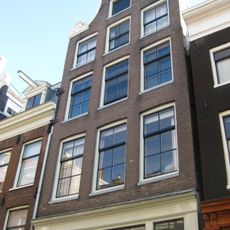
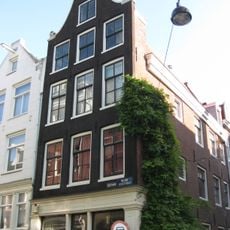
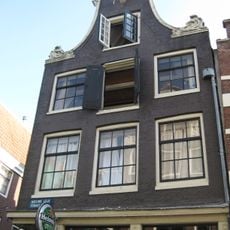
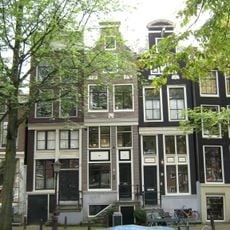
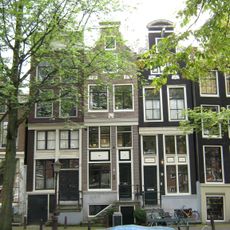
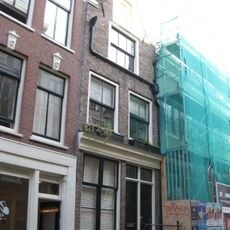
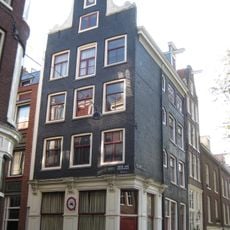
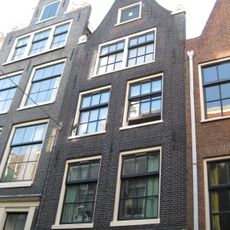
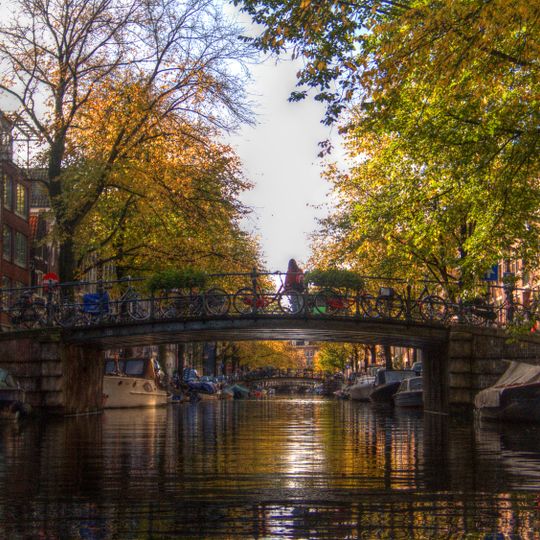
Egelantiersgracht is a narrow waterway and street in the Jordaan area of Amsterdam, lined with old brick houses that have tall windows and carved stone plaques above the doors. The canal follows a gentle curve, and small bridges cross it at uneven points, letting quiet boats pass under the low arches.
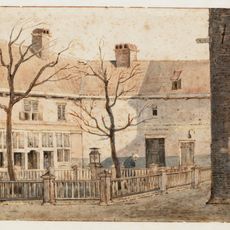
This waterway was dug in the first half of the 1600s as part of Amsterdam’s westward expansion, and it still keeps much of its original footprint. It was built to drain the marshy ground and to move goods, but over time the workshops along its banks gave way to homes and quiet storefronts.
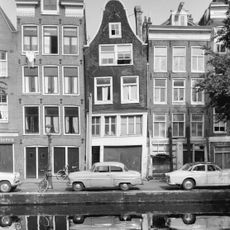
Many house gables along the water still carry old stone tablets showing a rose, a tool, or a family mark, a tradition that let people identify homes before street numbers existed. Today, residents place potted plants and window boxes along the railings, and the flower names of nearby streets echo this small waterway’s link to the wild eglantine rose.
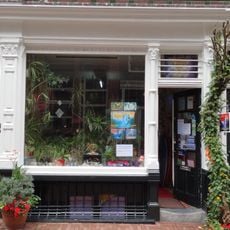
The canal is easy to explore on foot or by bike, and the cobbled edges invite you to slow down and look at the house fronts rather than rush through. Visiting early in the morning or on a weekday gives you more space, since the narrow paths fill up on sunny afternoons.
Unlike most canals in the area, this one was named after a wild rose, the eglantine, which grew on the rough ground before the streets were laid out. Behind one of the unmarked doors sits the St. Andrieshofje from 1617, a hidden courtyard of small old houses that remains easy to miss unless its gate happens to stand open.
The community of curious travelers
AroundUs brings together thousands of curated places, local tips, and hidden gems, enriched daily by 92,747 contributors worldwide.