Fatum, Rural hamlet in Waadhoeke, Netherlands
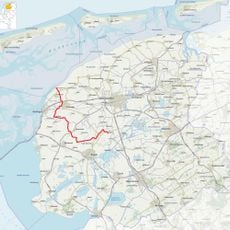
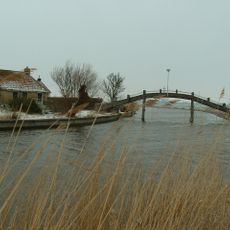
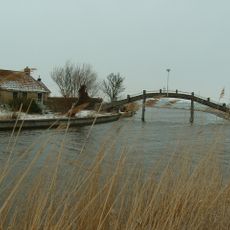
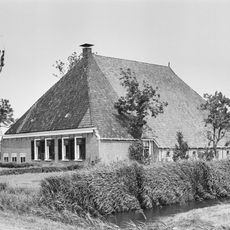
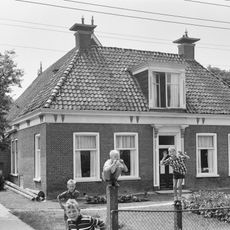
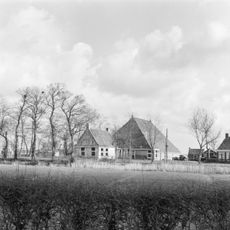
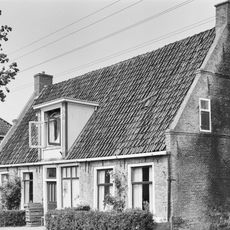
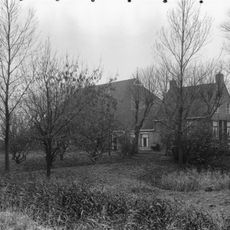
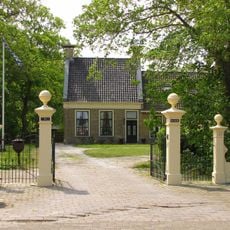
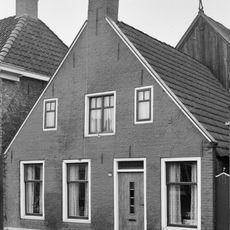
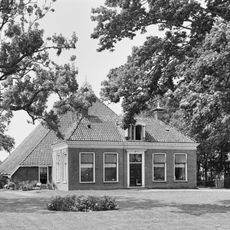
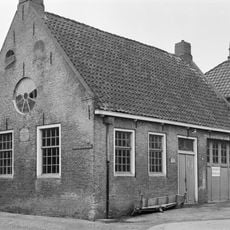
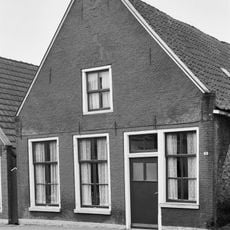
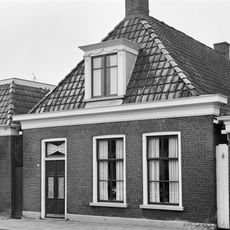
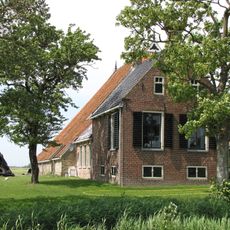
Fatum is a rural hamlet in Waadhoeke that spreads along the Wommelserweg between De Kampen and Teetlum, with single-family houses and farms scattered throughout. The settlement comprises nine registered addresses and retains the quiet, dispersed character typical of small countryside communities.
The hamlet grew on a terp, an artificial hill built on a floodplain to protect against water, with archaeological finds dating to the middle Iron Age. This building technique was an early defense strategy against flooding common to this Dutch coastal region.
The name Fatum has shifted through different historical forms including Taltem, Faltma, and Fautum, possibly linked to a person named Falda or a location near a sheepfold. You can trace this linguistic journey through local records and place names that residents still use.
The southern section of the original terp remains intact, with archaeological surveys confirming well-preserved underlying layers. Walking through the area, you can observe how the landscape around the hamlet rises slightly where the artificial hill once stood.
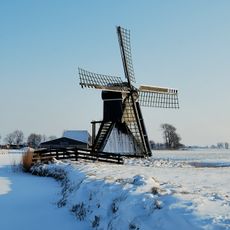
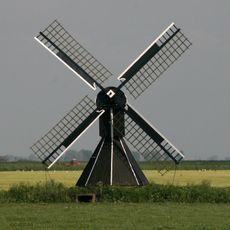
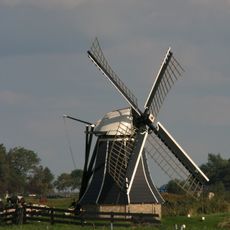
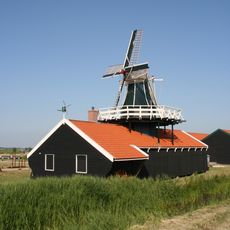
A windmill from 1914 stands in the Fatum polder and was rebuilt after suffering two major fires. The structure became a national monument in 1971, making it one of the few industrial heritage buildings in the area that visitors can still see today.
The community of curious travelers
AroundUs brings together thousands of curated places, local tips, and hidden gems, enriched daily by 91,438 contributors worldwide.