Nowy Dwór Gdański, city of Poland
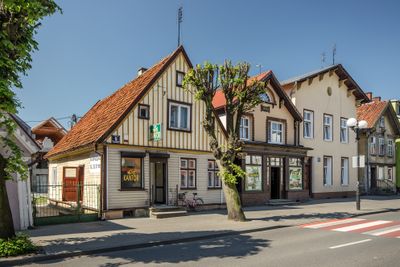
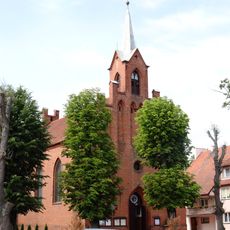
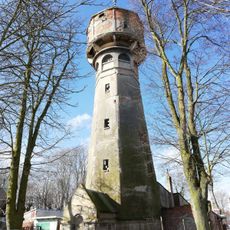
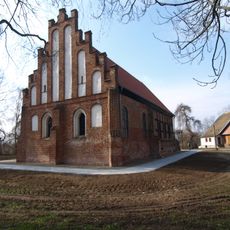
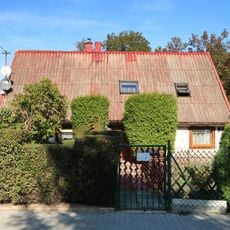
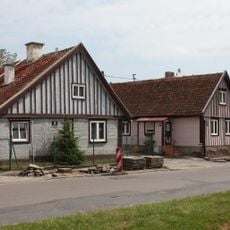
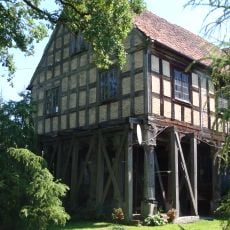
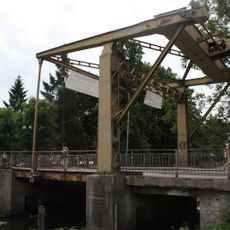
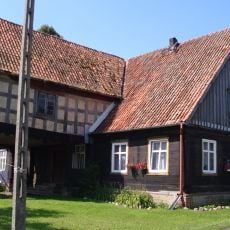
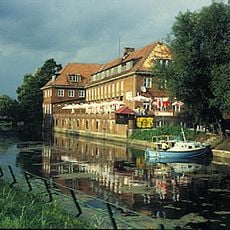
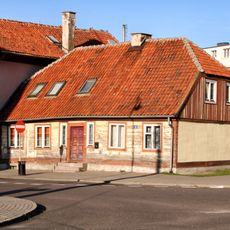
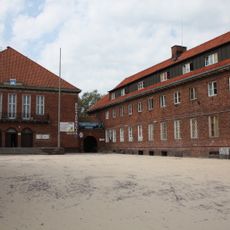
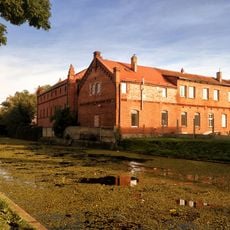
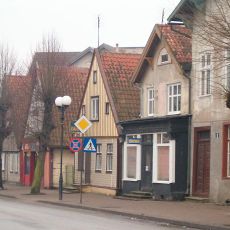
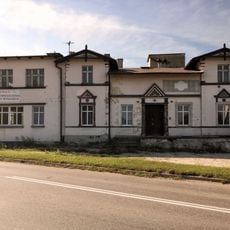
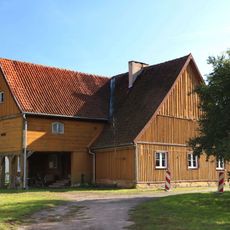
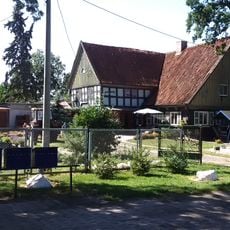
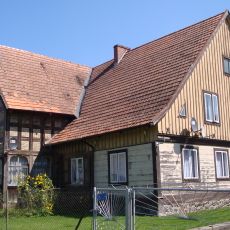
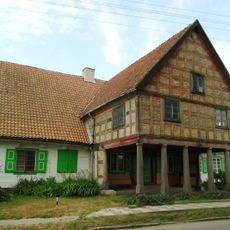
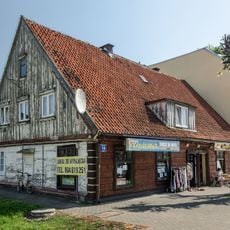
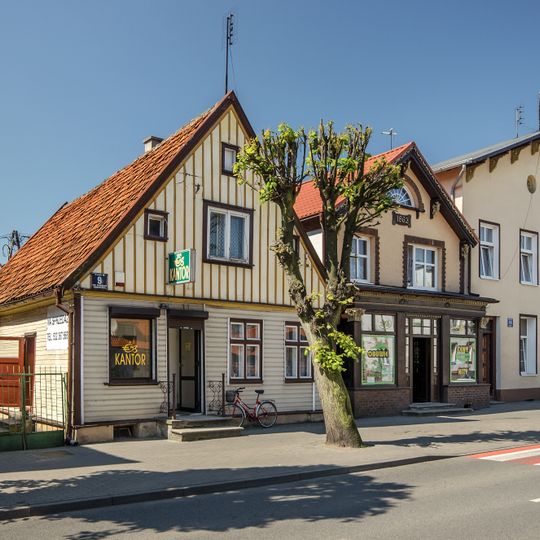
Nowy Dwór Gdański is a small city in the Pomeranian region situated along a bend in the Tugi River, surrounded by flat drained wetlands. The town features traditional Polish architecture with cobbled streets, older stone buildings, a water tower from the early 20th century, and a drawbridge from 1936 that marks the townscape.
The city developed from the 16th century when Michael Loitz founded a manor over the Tugi River and attracted Mennonites to drain the swamps and create farmland. In the 19th century, as part of Prussia, it experienced economic growth with breweries, textile factories, and Machandel schnapps production before coming under German occupation in 1939 and returning to Poland in 1945.
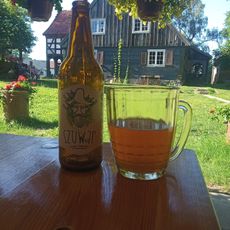
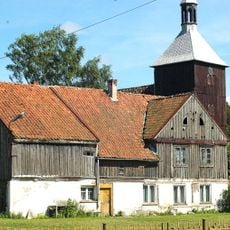
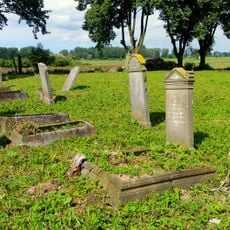
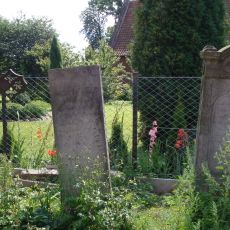
The name relates to the Mennonite settlers who arrived in the 16th century and drained the surrounding wetlands, shaping both the landscape and local community identity. Today you can see their simple cemeteries with stone markers and taste local foods like Werderkäse cheese and Machandel juniper spirit, which reflect the traditions passed down through generations.
The city is easy to reach via National Road 7, which connects Gdansk to Krakow, and sits on the route of the Żuławska Railway, popular for summer excursions through the Vistula Delta. Visitors should note that it can be windy, especially near the river, and the town is easily walkable with paths leading toward the waterfront.
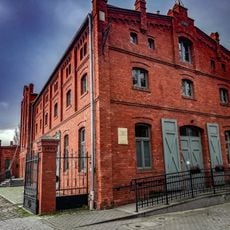
The Żuławski Park Historyczny sits inside a former dairy factory and houses Poland's largest collection dedicated to Mennonites, with old bottles and windmill parts that reveal the region's craft history. This museum is a rare record of how one settler group shaped an entire territory over centuries.
The community of curious travelers
AroundUs brings together thousands of curated places, local tips, and hidden gems, enriched daily by 60,000 contributors worldwide.