Poland, European Union member state in Central Europe
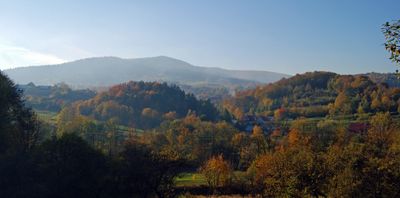
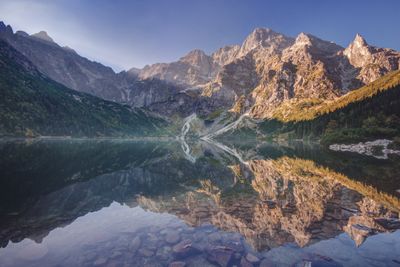
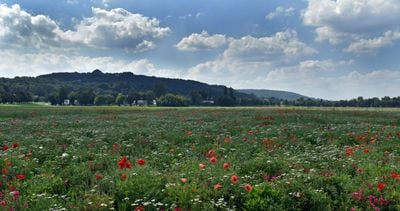
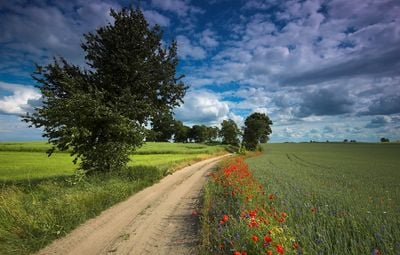
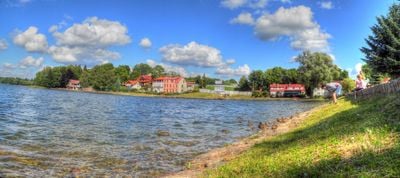
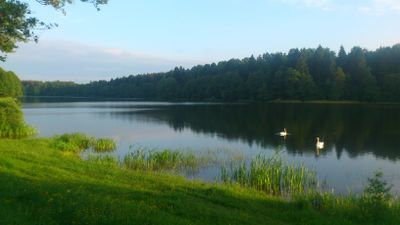
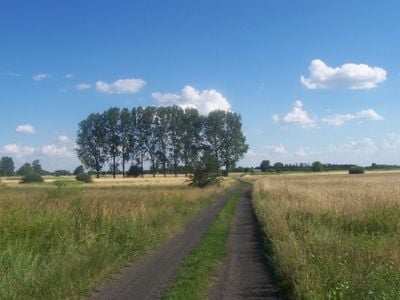
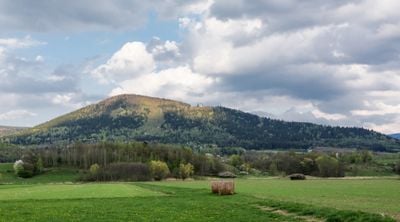
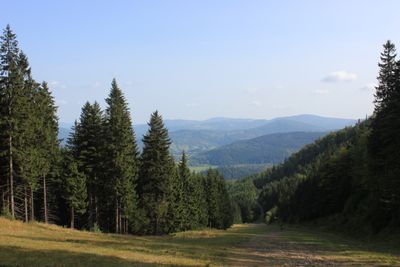
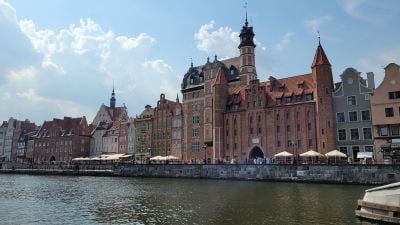
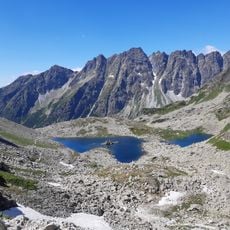
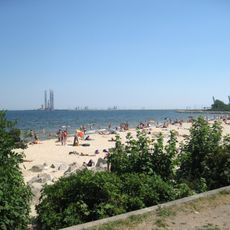
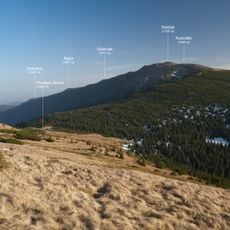
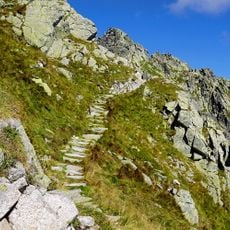
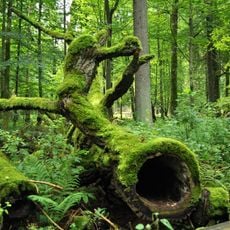
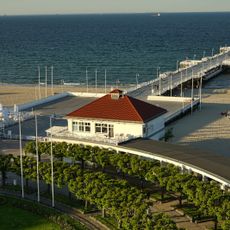
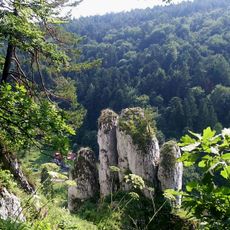
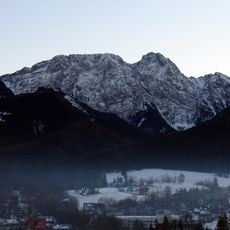
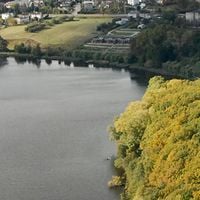
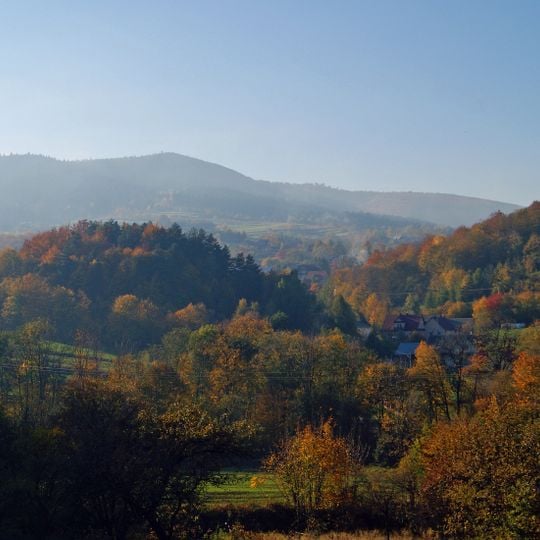
Poland is a Central European nation on the Baltic Sea in the European Union. The territory stretches from northern coastlines through flat plains and wide forests to the Carpathian ranges in the south, with around 9,000 lakes mostly concentrated in the Masurian region of the northeast.
After 123 years of partition among Prussia, Austria-Hungary, and Russia, the country regained independence in 1918. The years 1939 through 1945 brought occupation, followed by communist rule until 1989 and eventual accession to the European Union in 2004.
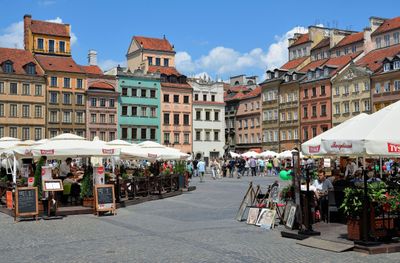
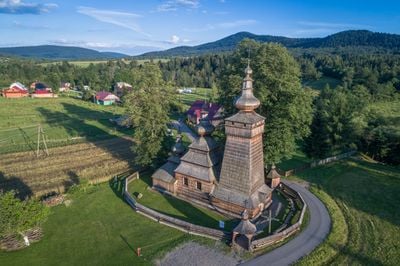
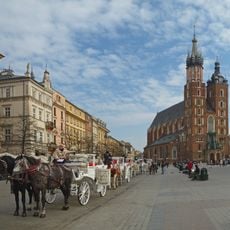
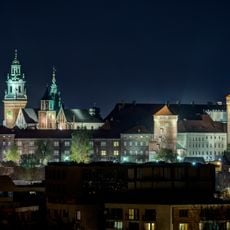
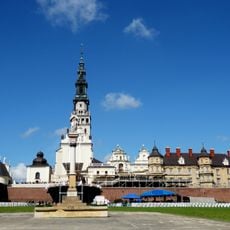
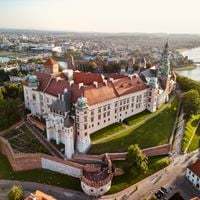
Polish surnames often end in -ski or -ska depending on gender, a practice visible on public signs and in everyday conversation throughout the country. The nation counts 17 UNESCO World Heritage sites, including medieval wooden churches and the old town of Kraków.
The national currency is the Polish złoty, with card payments accepted at most shops and ATMs available throughout urban centers. Schengen visa regulations permit entry and stays up to 90 days for qualifying travelers under European Union guidelines.
The Wieliczka Salt Mine reaches 327 meters below ground as Europe's deepest underground tourist route, with over 2,000 chambers including a chapel entirely carved from salt. Its chandeliers were fashioned from salt crystals.
The community of curious travelers
AroundUs brings together thousands of curated places, local tips, and hidden gems, enriched daily by 92,815 contributors worldwide.