See the monuments around you in AROpen chests in the app
Around Us is built for your phone — point your camera at the streets and discover the monuments and places around you in augmented reality.Around Us is built for your phone — chests unlock when you walk, explore and capture nearby places.
Destinations to visit in Poland: Krakow, Warsaw, Gdansk, Tatras
Poland offers many different places for all kinds of travelers. This collection gathers important sites to visit in the country. You will find historic cities like Krakow, Warsaw, and Gdansk, where the buildings and streets still tell stories of past centuries. You can also explore special natural areas: the Tatras mountains with their rocky views, the lakes of Masuria reflecting the sky, and old forests like the Bialowieza Forest.
Every place in this collection shows part of what makes Poland special. The cities have museums, churches, and squares where you can learn about how people lived and worked. The natural spaces let you walk in forests, look at the mountains, and discover the plants and animals of the land. Sites like the Wieliczka salt mine or Malbork Castle show what past generations were able to make.
Whether you like history, nature, or both, Poland has something for you. Each location gives you a different way to understand the country and creates memories you will keep.
Destinations to visit in Poland: Krakow, Warsaw, Gdansk, Tatras
Poland offers many different places for all kinds of travelers. This collection gathers important sites to visit in the country. You will find historic cities like Krakow, Warsaw, and Gdansk, where the buildings and streets still tell stories of past centuries. You can also explore special natural areas: the Tatras mountains with their rocky views, the lakes of Masuria reflecting the sky, and old forests like the Bialowieza Forest.
Every place in this collection shows part of what makes Poland special. The cities have museums, churches, and squares where you can learn about how people lived and worked. The natural spaces let you walk in forests, look at the mountains, and discover the plants and animals of the land. Sites like the Wieliczka salt mine or Malbork Castle show what past generations were able to make.
Whether you like history, nature, or both, Poland has something for you. Each location gives you a different way to understand the country and creates memories you will keep.
Krakow is the historic city in southern Poland. The old town with its streets and buildings tells the story of several centuries. Visitors can explore museums here, visit old churches, and discover squares where you can understand how people lived and worked in the past. This city connects history to everyday life. As part of this collection, Krakow shows how Polish history and culture remain alive today.
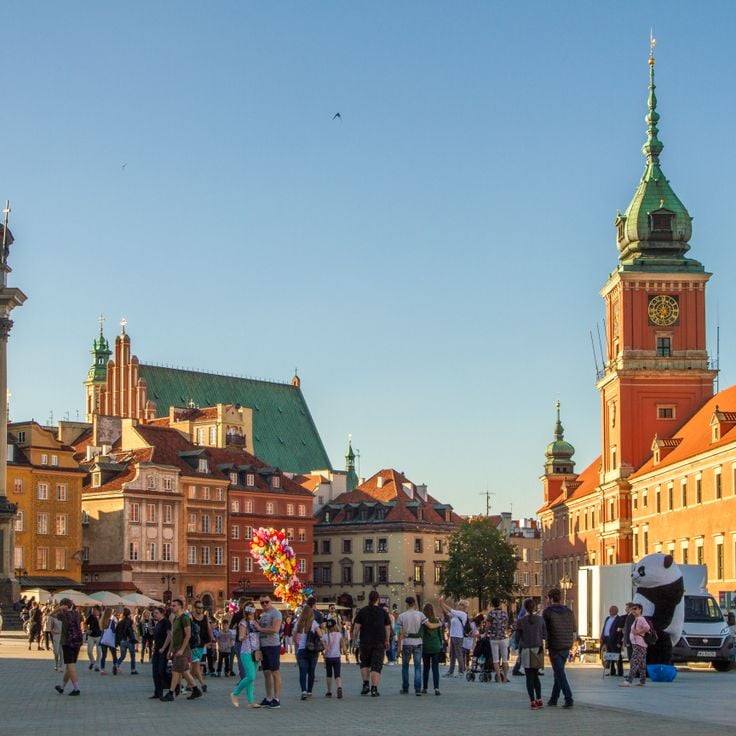
Warsaw is the capital of Poland and shows how a city brings together old and new architecture. Many buildings were rebuilt after the Second World War and stand beside modern structures. In the old town, visitors can see how people lived in earlier centuries. Shops and restaurants shape today's city life. Museums and churches tell stories of important events that shaped the nation. Warsaw reveals Poland's complex history while offering the energy of a modern European capital.
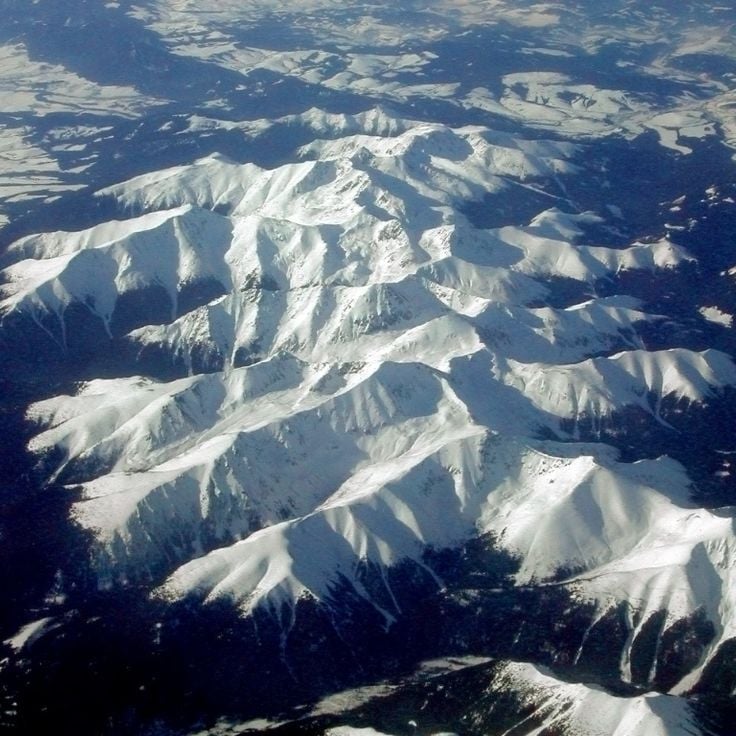
The Tatra National Park occupies the mountains in southern Poland where rocky peaks and narrow valleys shape the landscape. Hiking trails pass through pine forests and over mountain meadows where the air becomes cool and dry. Springs flow from the slopes and feed lakes nestled between rocks. Some peaks remain sharp and bare, while others are covered with vegetation. This is a place where walking requires effort but where you can escape far from any settlement.
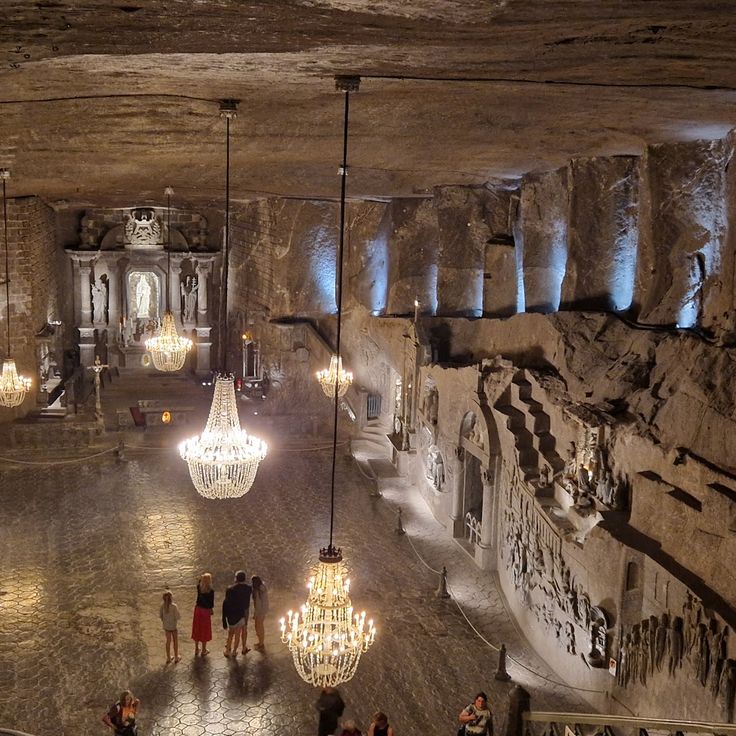
Wieliczka salt mine is an underground network of corridors and chambers carved into salt rock over several centuries. When you enter the mine, you see passages dug by hand and chapels completely sculpted from salt. Underground lakes reflect light and create a special atmosphere. The mine shows how people once extracted salt and lived and worked in this underground world. Today, visitors can explore these spaces and understand the skills and effort needed to create such works.
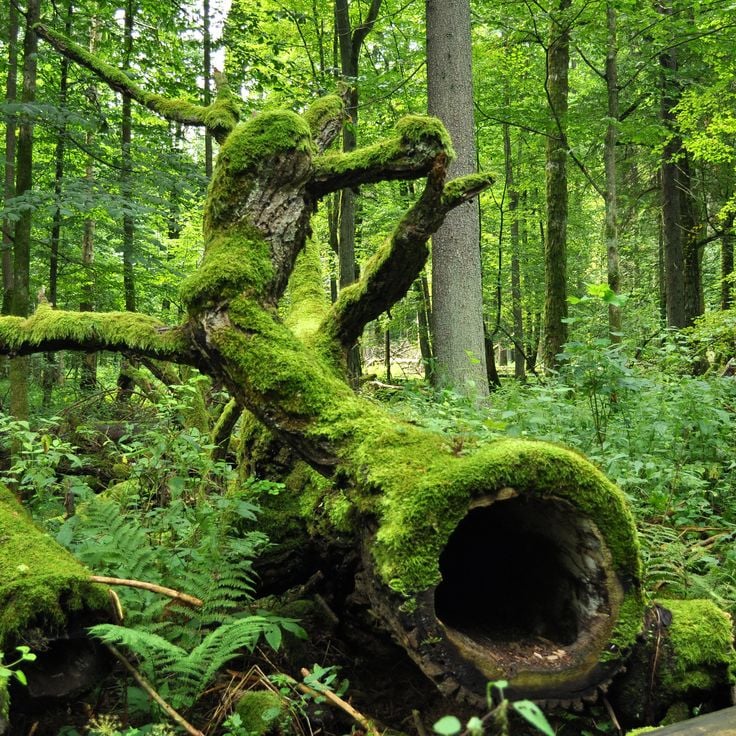
Białowieża National Park is one of Europe's oldest primeval forests, stretching along the border between Poland and Belarus. This ancient forest is home to rare animals like bison, lynx, and wolves living in their natural habitat. The old trees, some several hundred years old, create a dense woodland where little light filters through. Visitors can walk on trails and discover nature that remains unchanged as it has been for thousands of years.
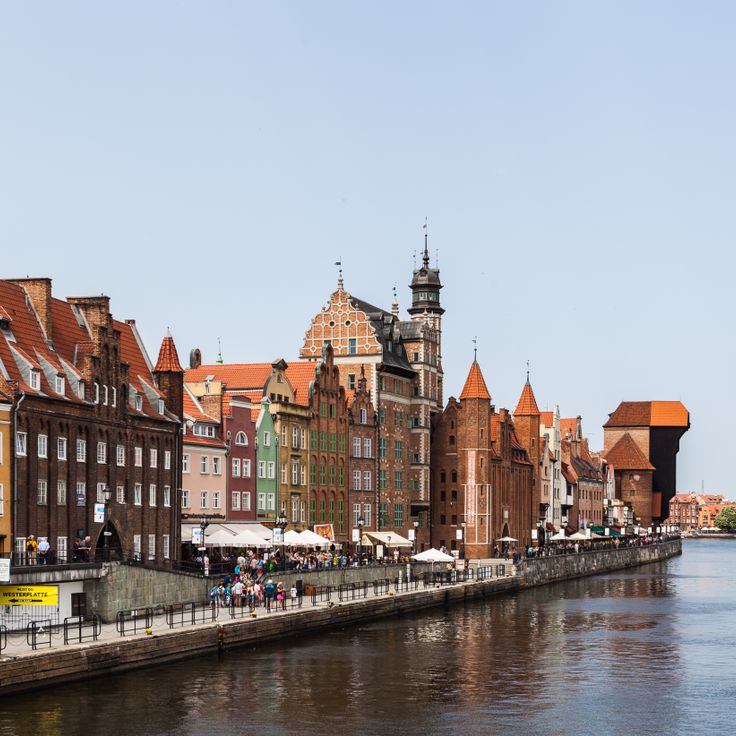
Gdańsk is a city on the Baltic coast with colorful facades and Hanseatic architecture. The city still shows its rich trading past today. Wide streets lead to historic buildings and churches where you can learn about the history of merchants and craftspeople. The Motława River shapes the city landscape with its riverside warehouses and old market halls. In Gdańsk you will find museums that tell the story of the Hanseatic League and past centuries. The old town with its narrow streets invites you to walk and explore. This city in the collection shows how an important trading center has kept its character over the centuries.
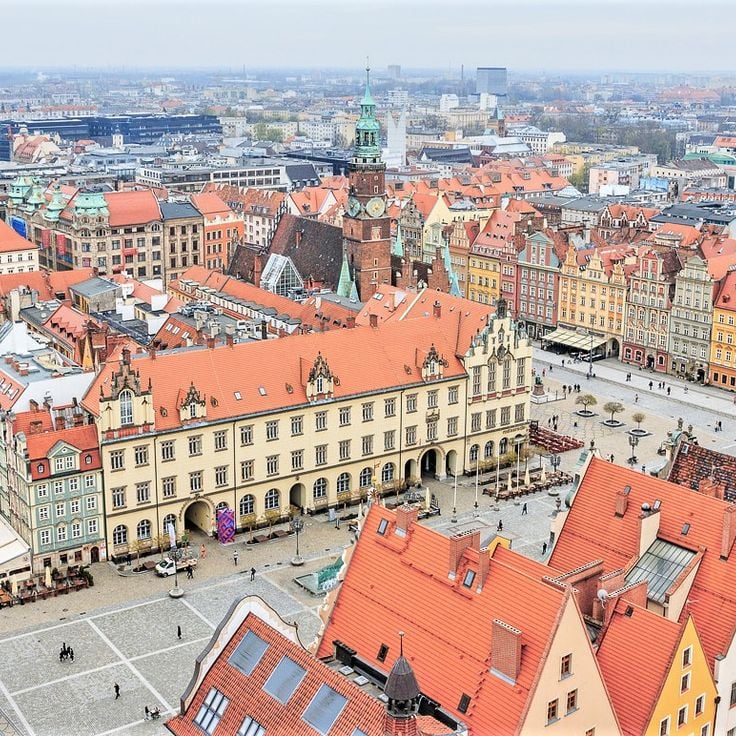
Wrocław is a city in western Poland where buildings from different periods stand alongside each other. Rivers flow through the city and are crossed by numerous bridges that define its character. Old buildings, churches, and palaces show the wealth and power of the past. Main squares and narrow streets invite you to walk and explore. Museums and theaters keep cultural life active. Wrocław brings together its historical heritage with modern creativity that constantly shapes the city.
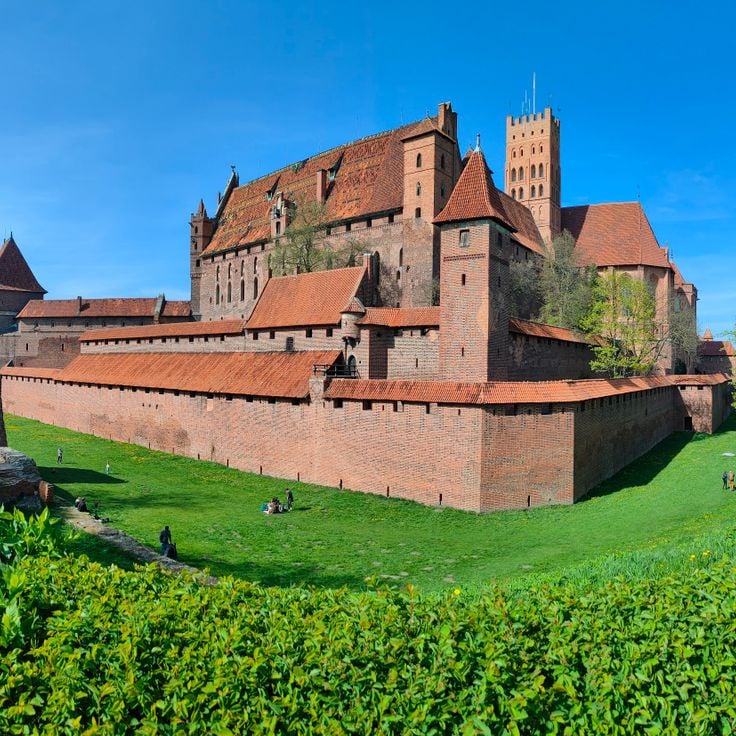
Malbork Castle is a medieval fortress on the banks of the Nogat River that once served as the residence of the Teutonic Knights. This castle displays impressive architecture and defensive structures that reflect the power and resources of this military order. Its tall walls and massive towers give a sense of the strategic importance of the place. Visitors can explore the interior spaces and understand how these knights lived and ruled.
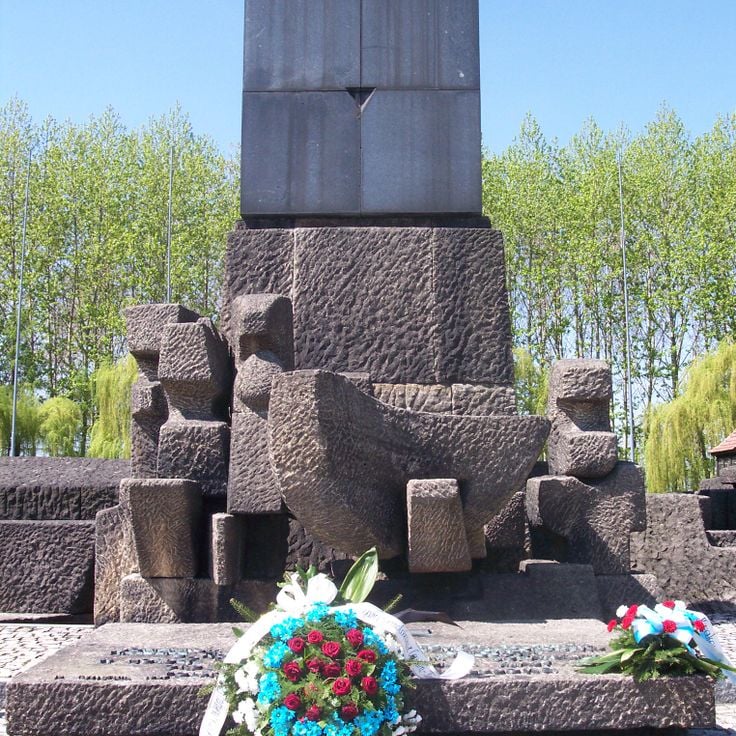
Auschwitz-Birkenau in Oświęcim is a memorial and museum dedicated to the former concentration camps. The site preserves barracks, walls, and personal belongings that show what happened during World War II. Visitors can explore exhibitions that explain daily life in the camps and the experiences of those imprisoned there. The museum helps people understand the importance of remembering these events. This place serves as a space for reflection and remembrance for those who visit.
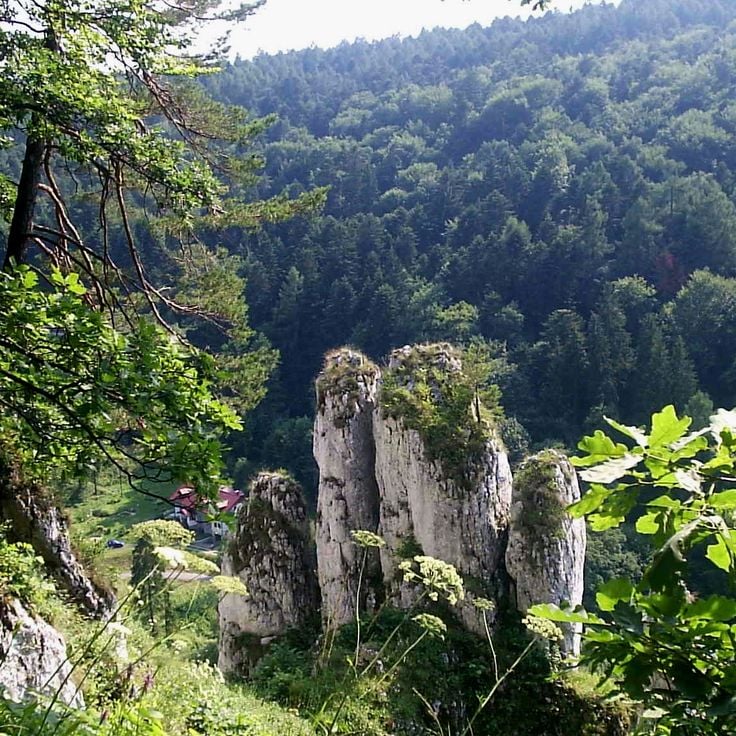
Ojcow National Park sits near Krakow and surprises with its distinctive landscape. Limestone gorges shape the land with steep walls that catch your eye. An underground river runs through the park, creating hidden water passages beneath the earth. An ancient ruined castle stands on a hillside, showing marks of times long past. The park invites you to walk: you follow trails along the gorges, listen to water flowing, and find historical traces everywhere. The nature here feels wild and calm at the same time.
The Masurian Lakes form a lake region in northeastern Poland with hundreds of interconnected lakes. Water shapes the entire landscape and offers opportunities for swimming, sailing, and fishing. Small villages sit along the shores and preserve a way of life centered around these lakes. Forests surround the lakes and invite visitors to walk and explore. In autumn and spring, flocks of birds stop here during migration, especially at the bird sanctuary near Ruciane-Nida.
Toruń lies on the Vistula River and is a medieval city whose historic center is listed by UNESCO as a World Heritage site. The buildings show the Gothic style that shaped the city for centuries. This is where Copernicus was born, the scholar who changed our understanding of the universe. In Toruń, you can walk through old streets, feel history in the walls, and learn more about life in the Middle Ages.
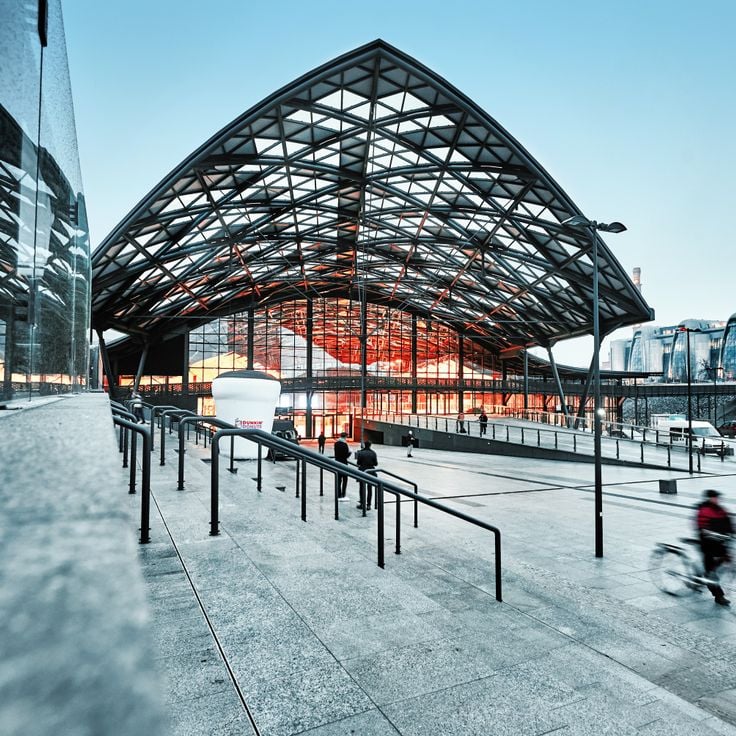
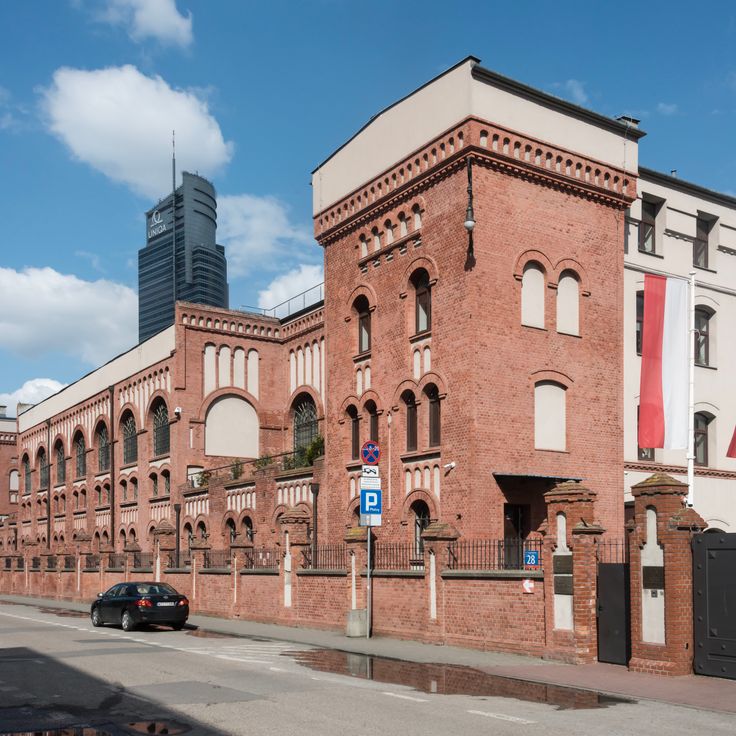
Łódź has transformed its past as a textile industrial center into a vibrant artistic hub. The historic shopping street Piotrkowska runs through the city, connecting different time periods. Former factory buildings now house galleries, museums, and spaces where artists work and display their creations. A film school strengthens the artistic character of the place. Łódź demonstrates how a location can honor its heritage while reinventing itself.
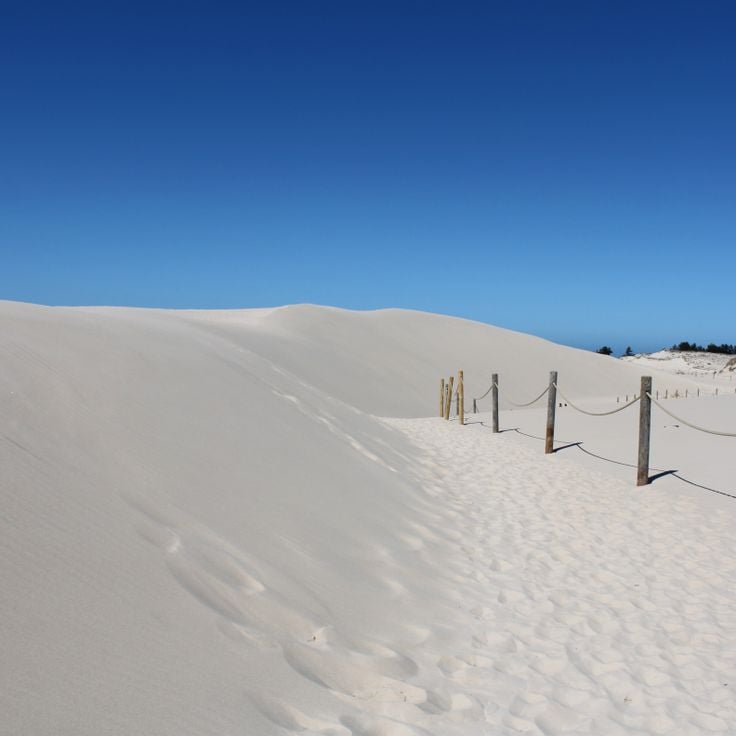
Slowinski National Park sits on the Baltic coast in Pomerania, where the landscape constantly changes. Moving dunes shift year after year, while lakes, wetlands, and ancient forests shape the land. The park is home to over 250 bird species that travel between water and land. This place shows how nature has adapted to the harsh coastal environment and represents the wild landscapes that characterize Poland.
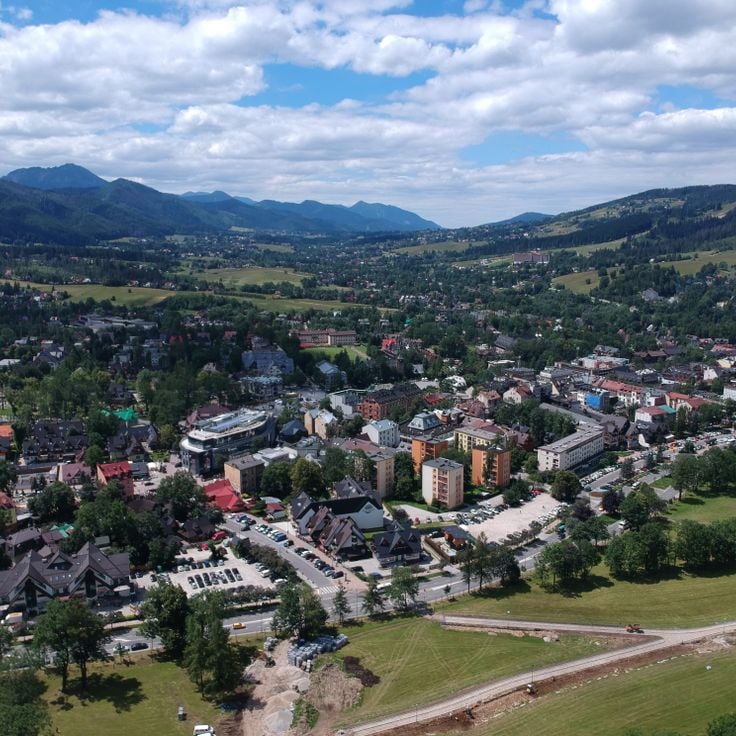
Zakopane sits at the foot of the Tatras and functions as a mountain station that attracts many visitors, especially in winter. The town has become a center for winter sports, with ski slopes and lift systems for different ability levels. Traditional wooden houses line the streets and show the craftsmanship of the region. In summer, hiking trails lead to the surrounding mountains where visitors can explore nature on foot. Zakopane has museums and shops selling local handicrafts. The mountain air and closeness to nature make it a popular destination for those seeking to escape daily life.
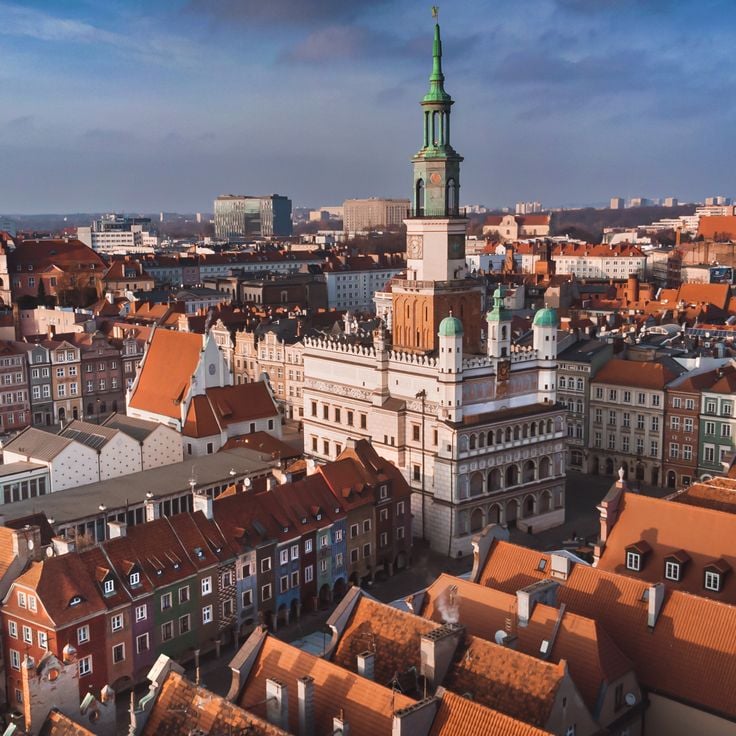
Poznań is an old city in the heart of Wielkopolska and stands as one of Poland's important destinations to visit. The city has a historic cathedral, a colorful market with Renaissance buildings, and a cultural industrial site. The market square is full of life and invites you to walk around. The cathedral tells the religious history of the region. Poznań shows how people lived and worked here over many centuries.
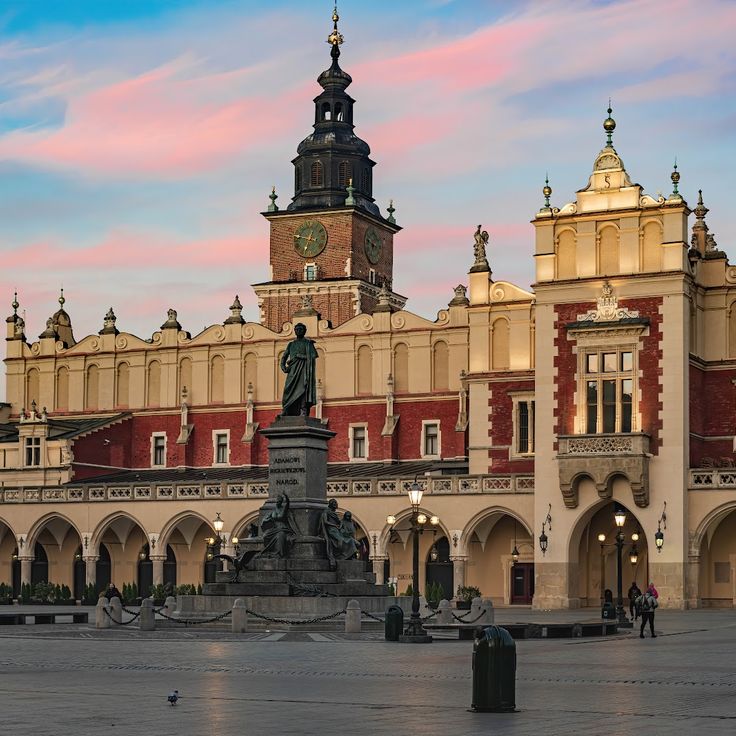
Rynek Główny is the main square of Krakow and the heart of the old town. It is surrounded by multi-story buildings with colorful facades that now house cafes, restaurants, and shops. The square dates back to the Middle Ages and has kept its original layout. Local residents and visitors gather here to walk around, eat, or simply enjoy the space. In the center of the square stands the Cloth Hall, an important building with a long history. Rynek Główny is a living place that shows how daily life in Krakow has worked for centuries.
Wawel Royal Castle rises above Krakow and holds several centuries of Polish history within its walls. What began as a defensive fortress was gradually transformed and rebuilt over time. Visitors can walk through the rooms where kings lived, discover works of religious art, and look out from the walls toward the city and the Vistula River. The halls show how people lived during different periods.
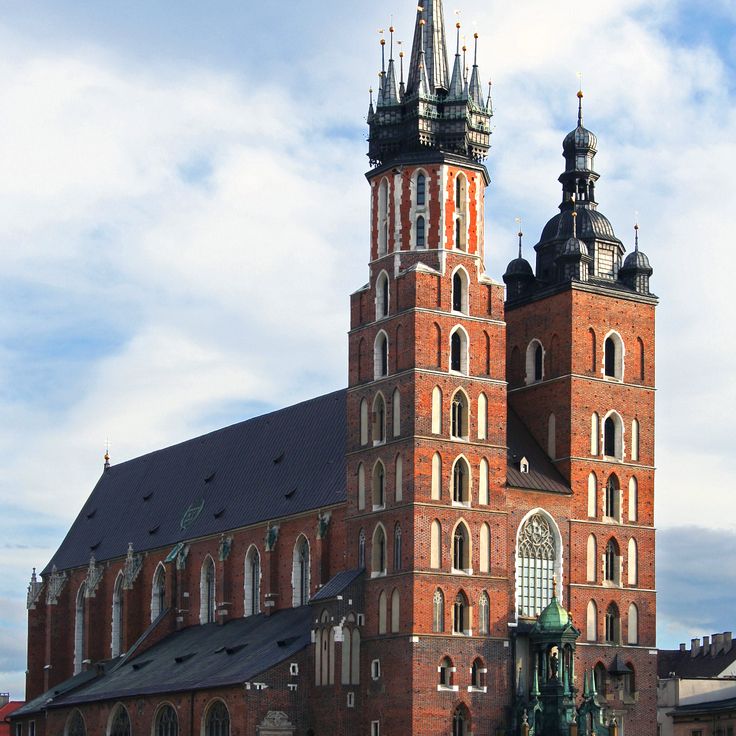
This basilica stands at the heart of Krakow's market square with two towers that rise above the old town and can be seen from many directions. The Gothic building shows skilled craftsmanship from several centuries. Colored windows fill the interior with light. Every day, bells ring at regular times. Visitors come here to admire the architecture and sense the history that fills this place.
The Jewish Quarter of Kazimierz was the center of Jewish life in Krakow for centuries. Today, visitors walk through narrow streets lined with old buildings, enter synagogues that remain active, and explore a historic cemetery. Art galleries, restaurants, and small shops bring energy to the district. The streets and buildings tell the story of a thriving community that once lived here. This quarter is an important part of the collection because it shows how different cultures shaped Poland's history.
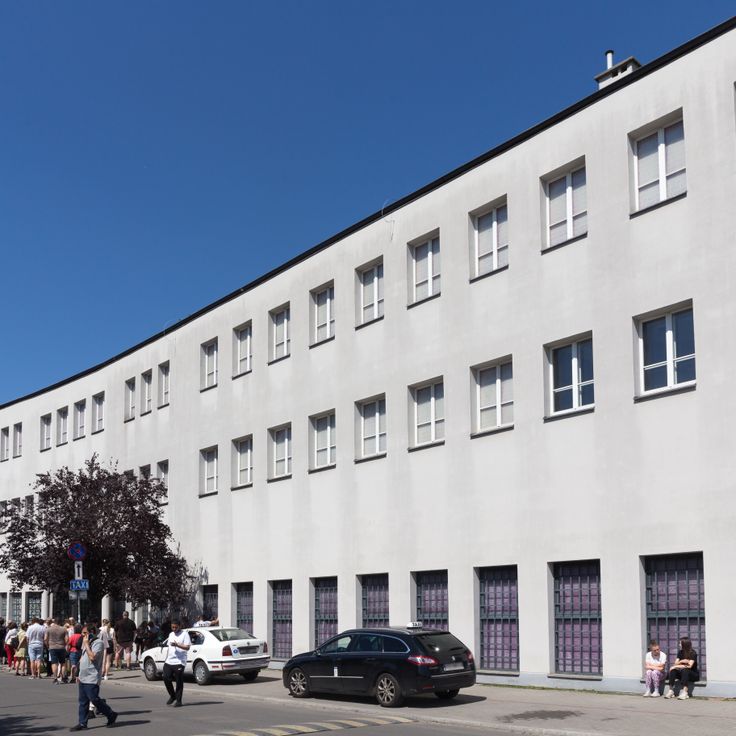
Oskar Schindler's factory in Krakow is a museum housed in the building where this industrialist worked during World War II. The museum tells the story of that era through exhibits and testimonies from people who lived through it. When you enter, you see old machines and objects that still look much as they did at the time. The stories on the walls and in the display cases help you understand how life was then and what choices people had to make.
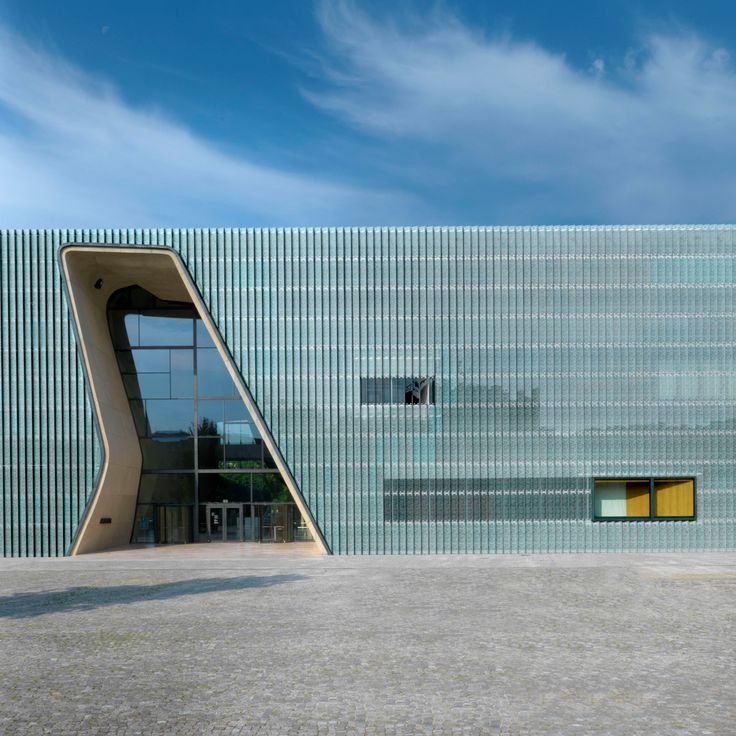
The POLIN Museum in Warsaw tells the story of Polish Jews over more than 10 centuries. This museum shows how Jewish people lived in Poland, the cultures they created, and the challenges they faced. With interactive exhibitions and audio guides, you can explore the museum at your own pace and learn more about the Jewish community. The museum helps you understand a part of Polish history that is often overlooked.
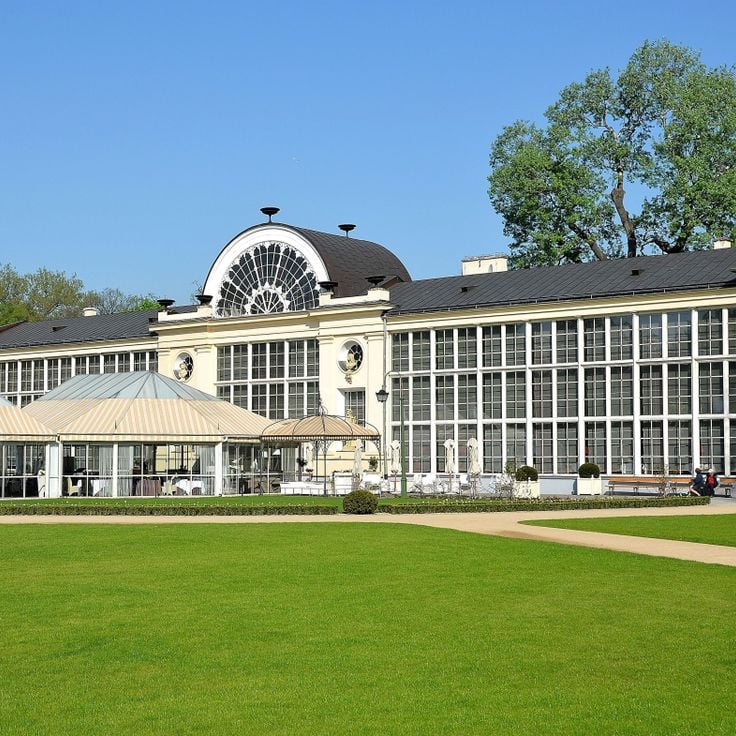
Łazienki Park is Warsaw's green space with spacious gardens, quiet lakes, and historic buildings from different periods of Polish history. The park hosts regular concerts and cultural events. Walking through, you can discover old palaces, watch ducks and swans, and enjoy nature in the middle of the city. This park is where Warsaw residents relax and where visitors experience how history and nature connect here.
The Warsaw Uprising Museum in this collection documents the 1944 uprising through military and historical exhibits. The museum shows how residents resisted during World War II and helps visitors understand this important period of Polish history and daily life under occupation.
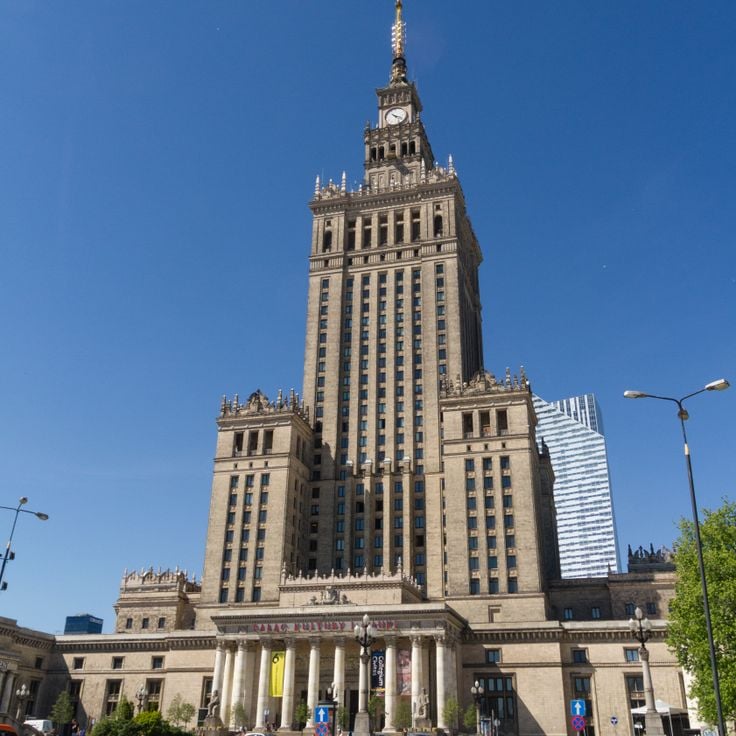
The Palace of Culture and Sciences in Warsaw is a large building in the heart of the city. Built in the 1950s, it has an unusual shape that you can see from almost anywhere in Warsaw. Inside, you will find offices, concert halls, and theaters. On the 30th floor, there is an observation terrace where you can look out over the entire city. This building is an important place where many people work, attend concerts, or simply want to see Warsaw from above.
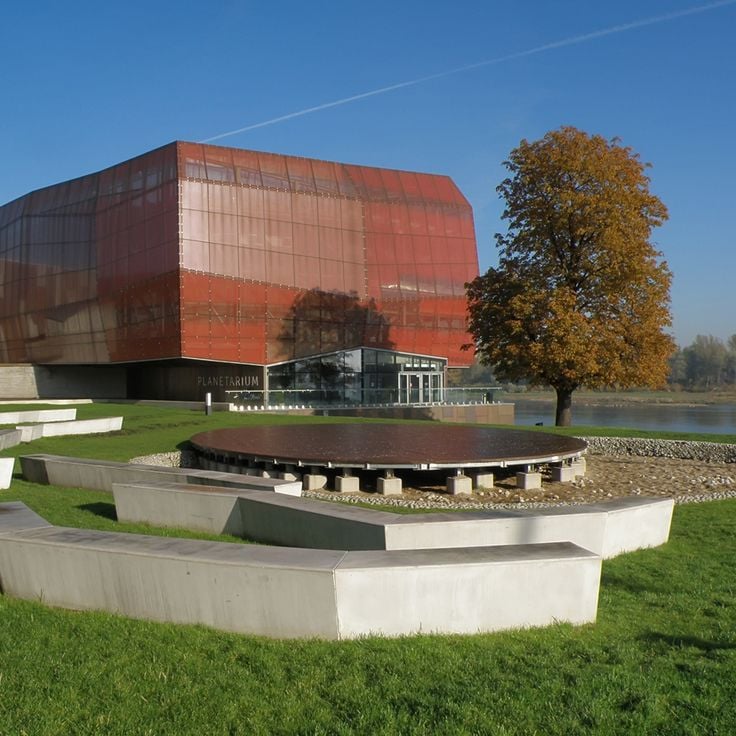
The Copernicus Science Centre in Warsaw is a science museum where visitors of all ages can conduct experiments and learn by doing. The exhibits invite you to explore phenomena firsthand and work with your hands. Here you can try things out and understand how science works in our everyday lives. The museum offers demonstrations and activities for both children and adults, where you can touch, experiment, and discover how things really function.
The Second World War Museum in Gdańsk tells the story of the city during the war. In the exhibitions, visitors discover objects, documents, and personal testimonies from people who lived during this time. The museum displays photographs, uniforms, weapons, and other elements from this period. It explains how the city was attacked, occupied, and how people's lives changed. Visitors can understand the experiences and hardships that Gdańsk residents faced.
Długa Street in Gdańsk is a pedestrian zone in the heart of the old town. Its colorful facades show what Gdańsk looked like when it was an important trading port. Restaurants and shops invite you to stop and spend time here. You can feel how life was in Gdańsk long ago: a trading city full of people from different countries selling their goods.
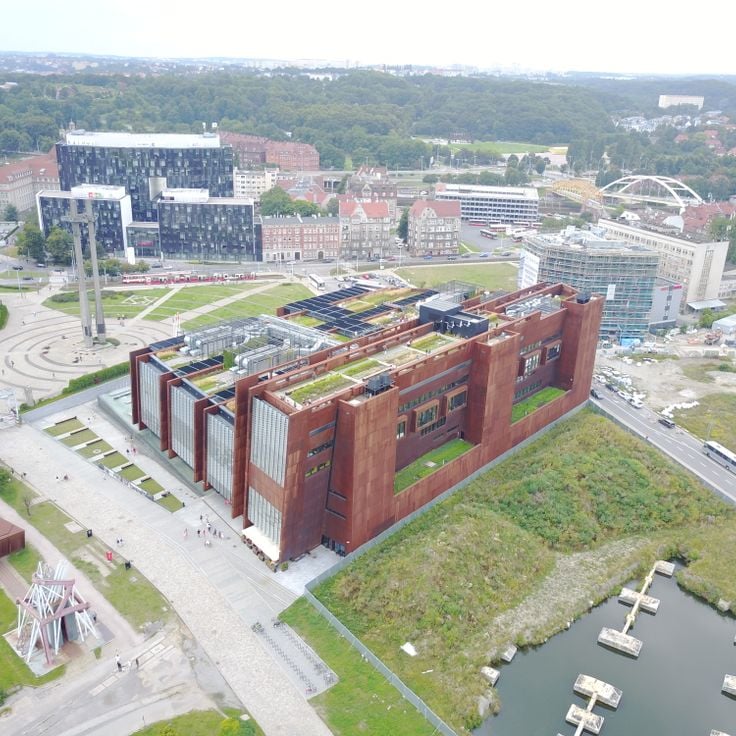
The European Solidarity Centre in Gdańsk is a museum that tells the story of the Solidarity movement and Lech Wałęsa. The exhibitions show how this worker uprising changed Polish politics and the path the country took toward freedom. Visitors can understand how ordinary people fought for their rights and how these struggles shaped the country and Europe.
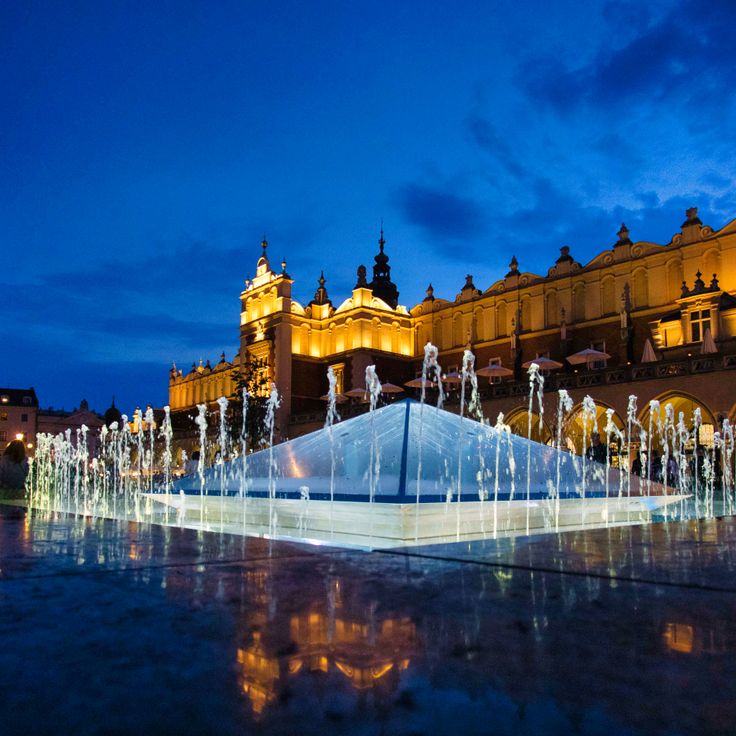
The Cloth Hall of Krakow is a historic market building that stands in the main square of the city. This architectural monument reflects Krakow's commercial history and houses today craft workshops, local artisans, and shops selling amber, traditional Polish crafts, and souvenirs. The hall tells the story of Krakow's past and its economic importance over the centuries through its architecture and daily activity.
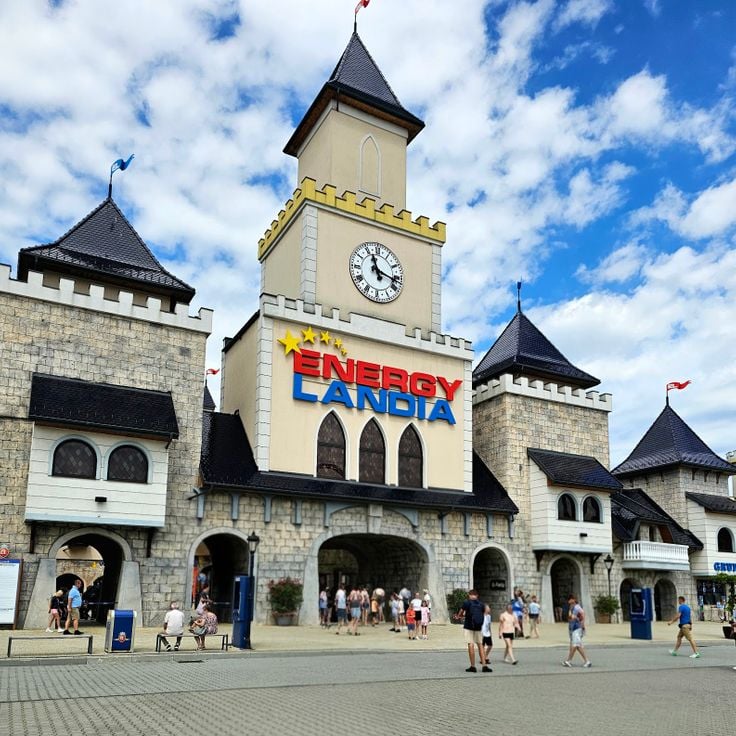
Energylandia is an amusement park in Poland that draws visitors of all ages. The park offers exciting rides for those seeking adventure, gentler attractions for families with children, and regular shows on multiple stages. The facilities are modern and well-maintained, with wide paths for exploring and places to rest. This park shows how Poland creates leisure and entertainment spaces where people from the country and beyond spend time together.
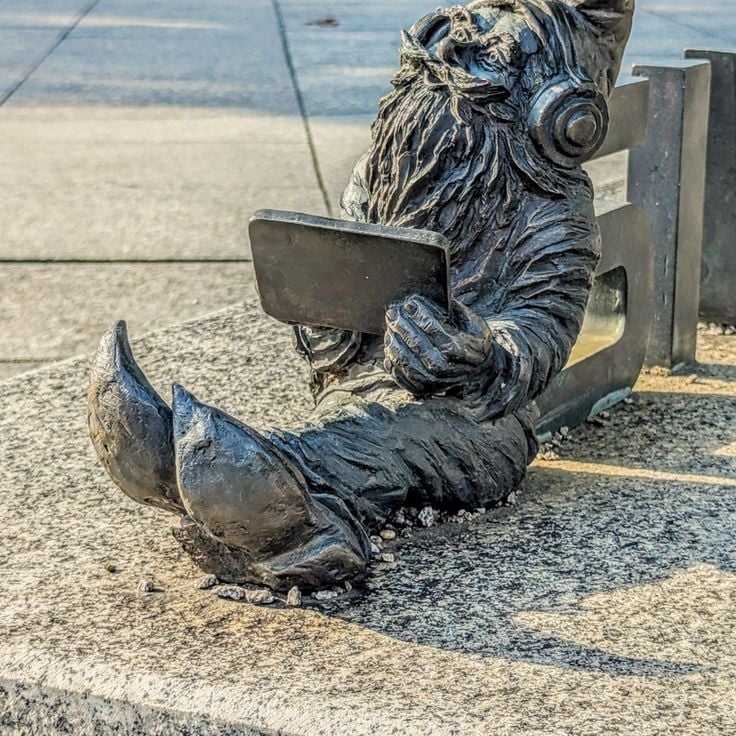
The Dwarfs of Wrocław are about 1000 eccentric dwarf statues scattered throughout the city streets. These small figures invite you on a playful treasure hunt across Wrocław. They hide in surprising places and tell stories of resistance and creativity. The dwarfs are part of the city's history and show how residents preserved their identity. A walk through Wrocław becomes an adventure when you discover these tiny works of art.
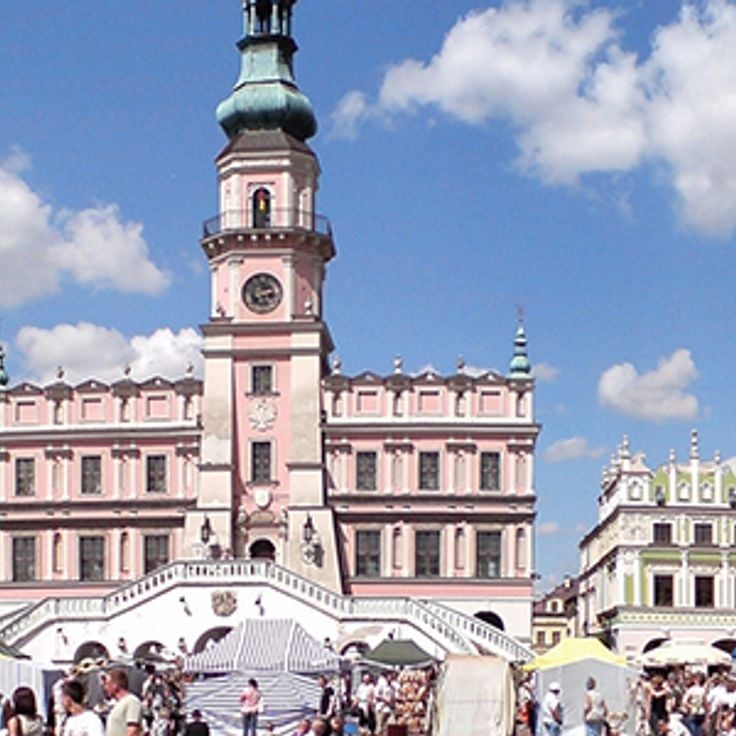
Zamość is a fortified city built according to Italian Renaissance principles. This city displays perfect geometric planning with preserved city walls and harmonious architecture. It is recognized as a UNESCO World Heritage site. The streets and buildings date from its founding in the 16th century. When you walk through Zamość, you see the symmetry of the main square, the Renaissance buildings, and the fortification walls that surround the city. This place shows how architecture and urban planning work together to create a city that still lives and functions today.
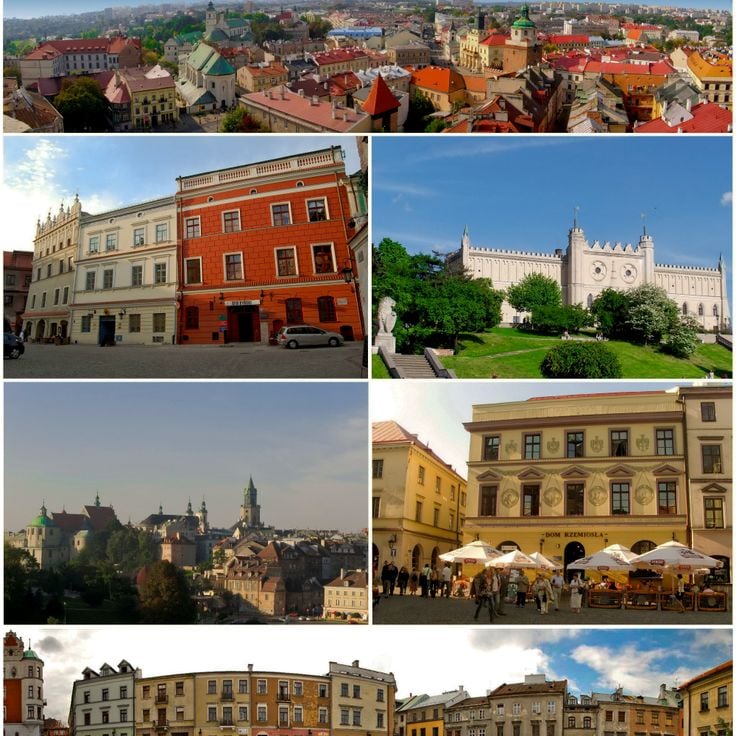
Lublin is a historic city in eastern Poland where the old town with its colorful buildings sits on a hillside. The medieval castle and chapel with their frescoes tell stories from past centuries. The city's museums preserve the history of this region and help you understand how people lived here. As you walk through the streets, you see traces of the past everywhere. Lublin fits perfectly into this collection because it shows how Poland's history comes alive in each place.
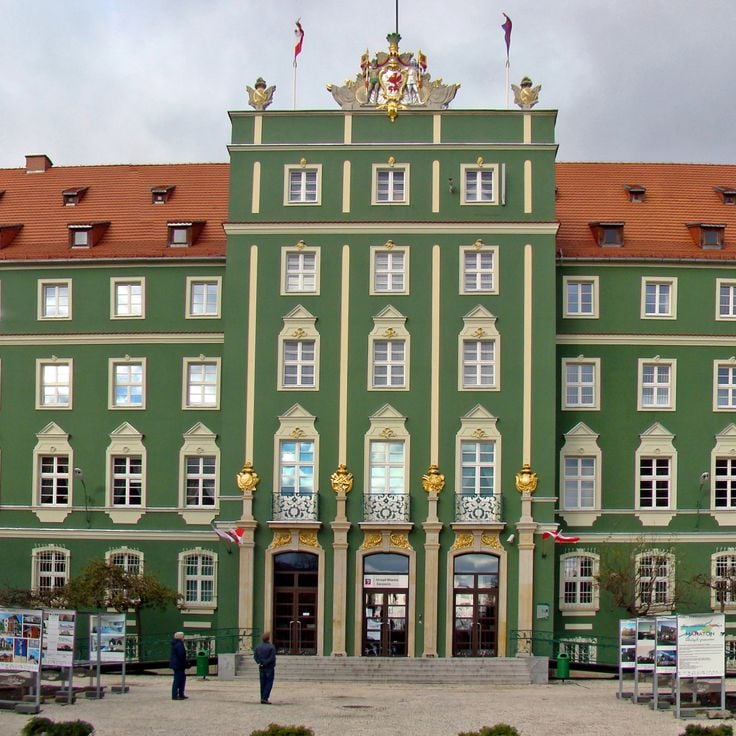
Szczecin sits on the Oder River, close to the Baltic coast, and represents Poland's story in a particular way. This city was rebuilt after serious destruction and today shows a blend of past and modern life. The royal castle stands at the center and tells of earlier times. The Gothic cathedral impresses through its architecture. Along the river banks you can walk and view the city from the water. The harbor is active and shapes the character of Szczecin. Here, water, history, and daily life come together naturally.
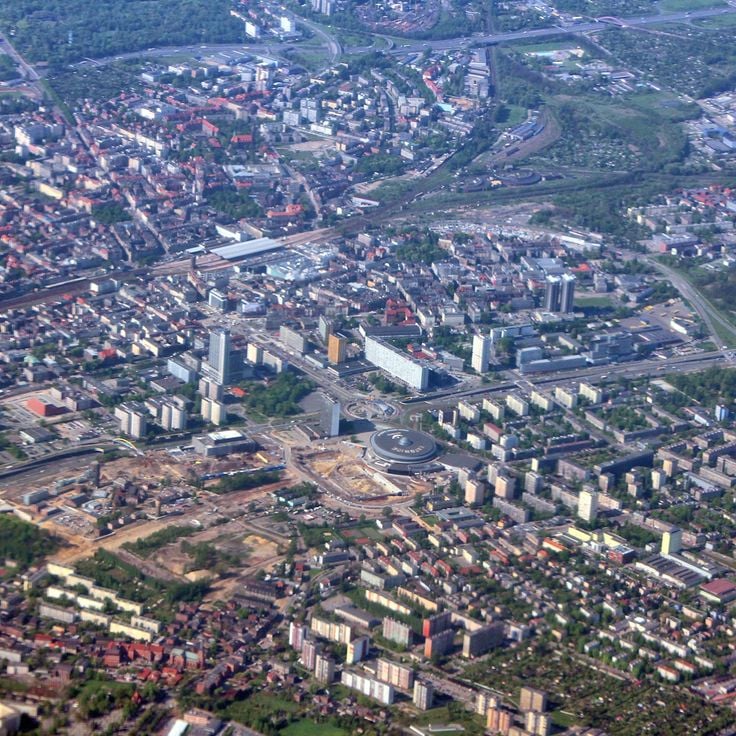
Katowice is the center of Silesia and shows how an industrial city transforms. You will find modern art museums, an open-air cultural park, and galleries featuring contemporary works. The city draws on its history as a steel production center and has become a place where culture and modernity coexist. People use public spaces for meetings, exhibitions, and cultural events. When you walk through Katowice, you see old industrial buildings next to new art centers, telling the story of how the city changed.
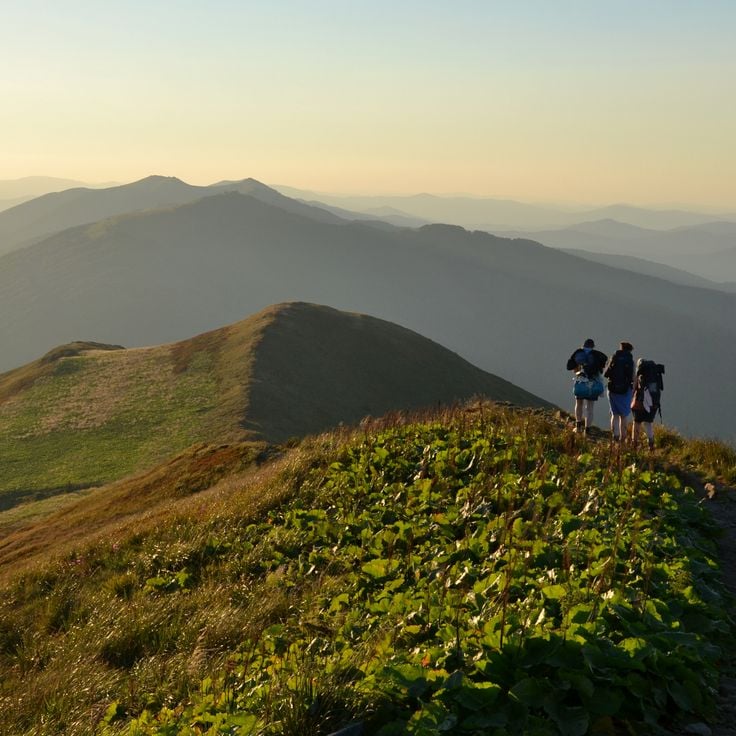
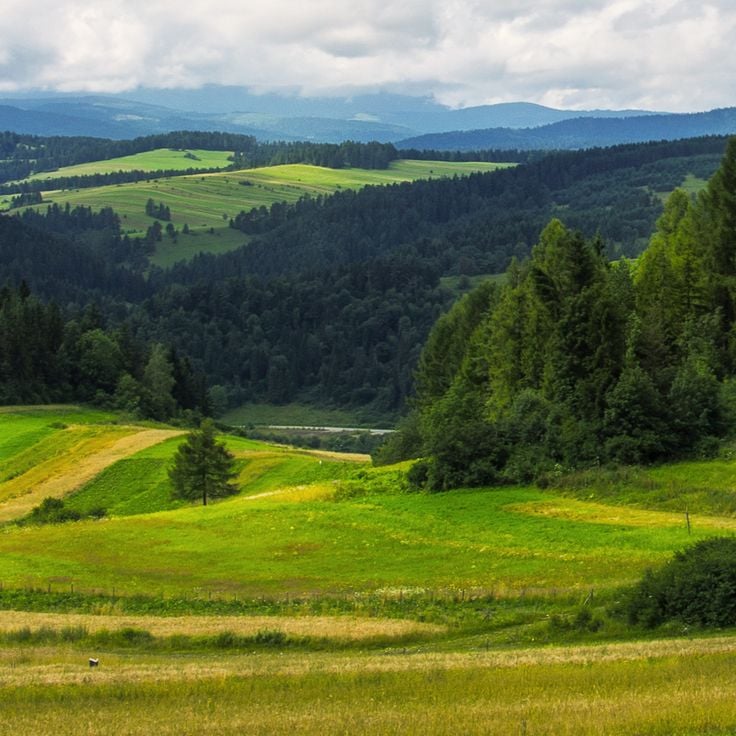
Bieszczady National Park is located in the Eastern Carpathians and offers a wild mountain landscape with thick forests. Here you walk on trails through deep woods and come across traditional villages with wooden roofs. The park is home to bears, wolves, and lynx. The mountains are not especially high but very steep and rural. You can spend days here without seeing many people, experiencing the quiet of nature.
The Karkonosze Mountains lie on the border between Poland and the Czech Republic, offering hiking trails for different skill levels. Mountain shelters and forest paths allow visitors to explore the alpine landscape. In summer, green meadows and open views attract hikers, while winter transforms the region into a snow-covered mountain environment. These mountains demonstrate how people use and respect the natural landscape.
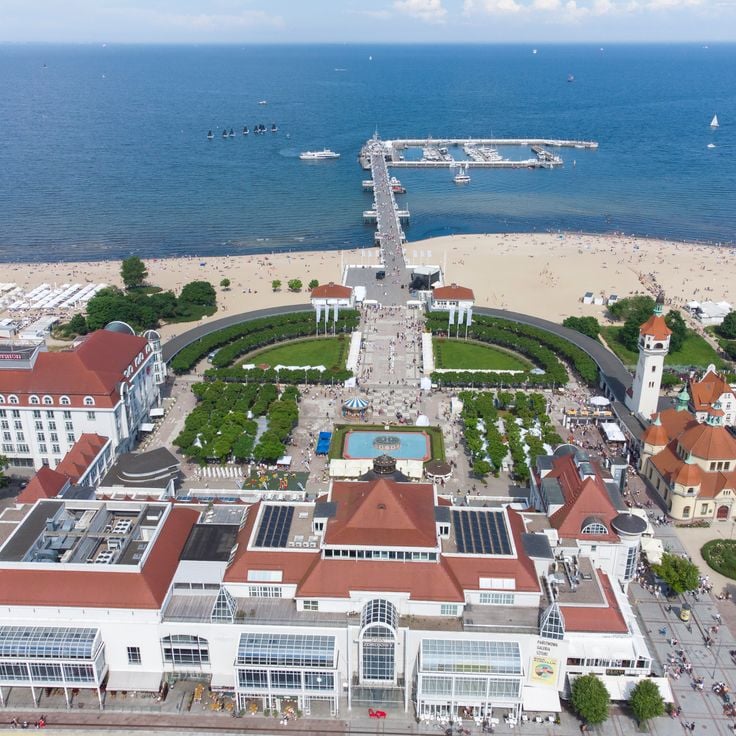
Sopot is one of the most popular seaside resorts on the Baltic coast, offering long sandy beaches perfect for walks and relaxation. The most famous attraction is the historic wooden pier that extends far into the sea, providing beautiful views across the water. Along the shoreline you will find restaurants, cafes, and entertainment venues that draw visitors throughout the year. The city has a relaxed and welcoming character where people enjoy spending time on the beach, walking in the salt air, and taking in the calm of the sea.
Kazimierz Dolny is a small village on the Vistula River, known for its colorful houses and tall limestone cliffs. Artists have chosen to settle here, and galleries fill the winding streets. Restaurants and cafes sit along the riverbank, where you can watch the water flow between high rock walls. This village fits into Poland's varied destinations because it shows how a small place preserves its history while attracting people who create and appreciate art.
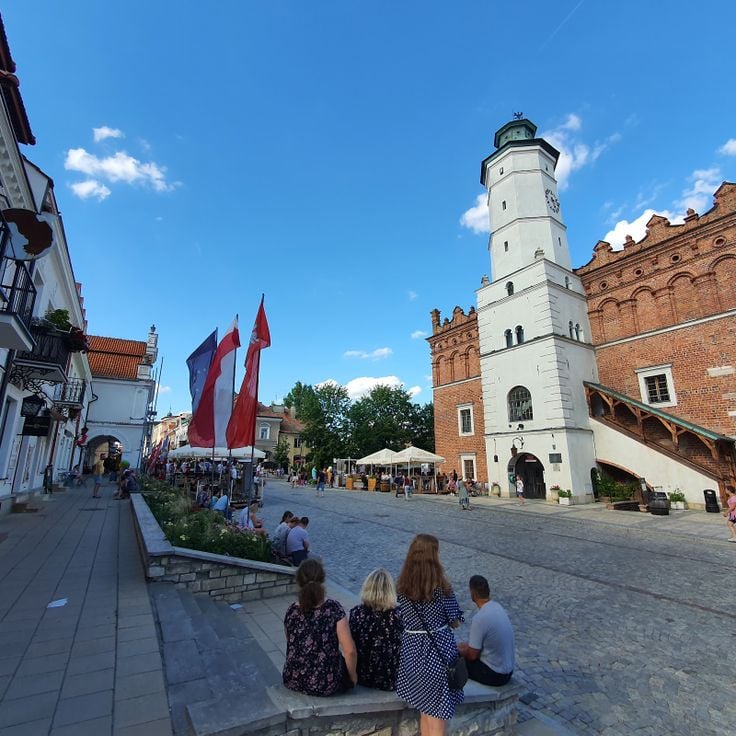
Sandomierz is a small historic town on the Vistula River where medieval fortifications and remains of a former castle tell stories from centuries past. The gothic cathedral serves as a central landmark, and the market square is surrounded by colorful houses that show how people lived here over time. This town is one of the important places to understand Polish history and how communities developed along the river.
The Pieniny Gorges are a canyon carved by the Dunajec River over thousands of years. Limestone cliffs rise sharply above the water, creating a dramatic landscape. The main way to experience this place is by boat, using traditional flat-bottomed vessels that allow visitors to see the formations up close. Hiking trails run along the riverbanks and offer different views of the canyon walls. These gorges show how natural forces have shaped Poland's landscape and why people keep returning to explore and experience this place.
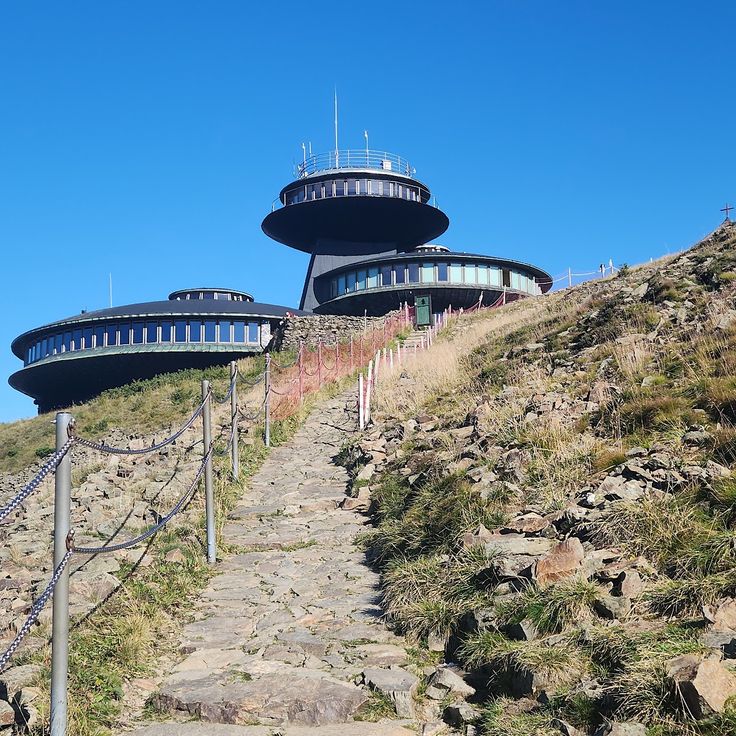
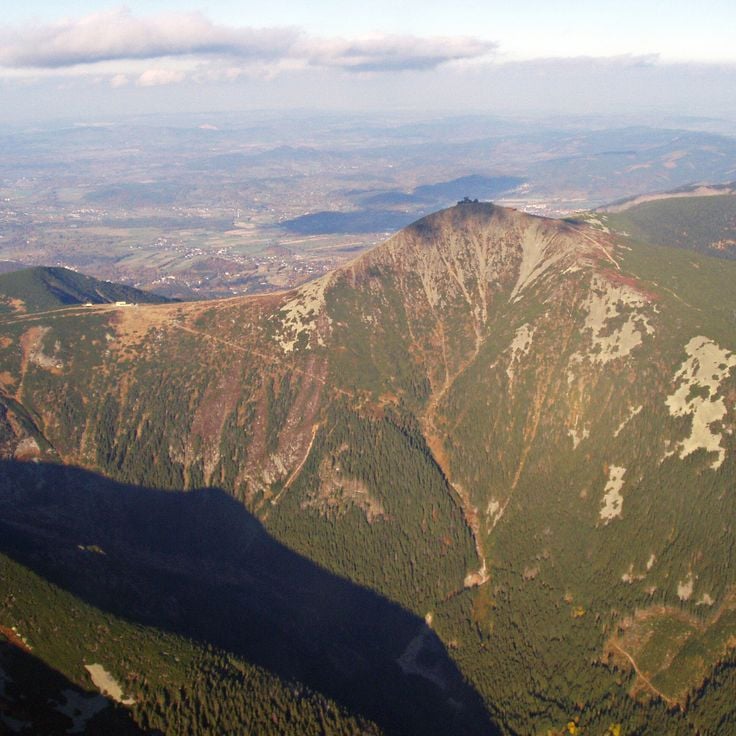
Mount Śnieżka is the highest peak of the Sudetes and sits on the border with the Czech Republic. From its summit, hikers can see the region from above and take in the views. A mountain shelter welcomes visitors and provides a place to rest while looking out over the surrounding landscape. The mountain is accessible to both experienced hikers and beginners. The trails are well marked and pass through different landscapes, from forests to open areas at higher elevations. On clear days, the view extends across the entire surrounding region.
Krakow is the historic city in southern Poland. The old town with its streets and buildings tells the story of several centuries. Visitors can explore museums here, visit old churches, and discover squares where you can understand how people lived and worked in the past. This city connects history to everyday life. As part of this collection, Krakow shows how Polish history and culture remain alive today.
Warsaw is the capital of Poland and shows how a city brings together old and new architecture. Many buildings were rebuilt after the Second World War and stand beside modern structures. In the old town, visitors can see how people lived in earlier centuries. Shops and restaurants shape today's city life. Museums and churches tell stories of important events that shaped the nation. Warsaw reveals Poland's complex history while offering the energy of a modern European capital.
The Tatra National Park occupies the mountains in southern Poland where rocky peaks and narrow valleys shape the landscape. Hiking trails pass through pine forests and over mountain meadows where the air becomes cool and dry. Springs flow from the slopes and feed lakes nestled between rocks. Some peaks remain sharp and bare, while others are covered with vegetation. This is a place where walking requires effort but where you can escape far from any settlement.
Wieliczka salt mine is an underground network of corridors and chambers carved into salt rock over several centuries. When you enter the mine, you see passages dug by hand and chapels completely sculpted from salt. Underground lakes reflect light and create a special atmosphere. The mine shows how people once extracted salt and lived and worked in this underground world. Today, visitors can explore these spaces and understand the skills and effort needed to create such works.
Białowieża National Park is one of Europe's oldest primeval forests, stretching along the border between Poland and Belarus. This ancient forest is home to rare animals like bison, lynx, and wolves living in their natural habitat. The old trees, some several hundred years old, create a dense woodland where little light filters through. Visitors can walk on trails and discover nature that remains unchanged as it has been for thousands of years.
Gdańsk is a city on the Baltic coast with colorful facades and Hanseatic architecture. The city still shows its rich trading past today. Wide streets lead to historic buildings and churches where you can learn about the history of merchants and craftspeople. The Motława River shapes the city landscape with its riverside warehouses and old market halls. In Gdańsk you will find museums that tell the story of the Hanseatic League and past centuries. The old town with its narrow streets invites you to walk and explore. This city in the collection shows how an important trading center has kept its character over the centuries.
Wrocław is a city in western Poland where buildings from different periods stand alongside each other. Rivers flow through the city and are crossed by numerous bridges that define its character. Old buildings, churches, and palaces show the wealth and power of the past. Main squares and narrow streets invite you to walk and explore. Museums and theaters keep cultural life active. Wrocław brings together its historical heritage with modern creativity that constantly shapes the city.
Malbork Castle is a medieval fortress on the banks of the Nogat River that once served as the residence of the Teutonic Knights. This castle displays impressive architecture and defensive structures that reflect the power and resources of this military order. Its tall walls and massive towers give a sense of the strategic importance of the place. Visitors can explore the interior spaces and understand how these knights lived and ruled.
Auschwitz-Birkenau in Oświęcim is a memorial and museum dedicated to the former concentration camps. The site preserves barracks, walls, and personal belongings that show what happened during World War II. Visitors can explore exhibitions that explain daily life in the camps and the experiences of those imprisoned there. The museum helps people understand the importance of remembering these events. This place serves as a space for reflection and remembrance for those who visit.
Ojcow National Park sits near Krakow and surprises with its distinctive landscape. Limestone gorges shape the land with steep walls that catch your eye. An underground river runs through the park, creating hidden water passages beneath the earth. An ancient ruined castle stands on a hillside, showing marks of times long past. The park invites you to walk: you follow trails along the gorges, listen to water flowing, and find historical traces everywhere. The nature here feels wild and calm at the same time.
The Masurian Lakes form a lake region in northeastern Poland with hundreds of interconnected lakes. Water shapes the entire landscape and offers opportunities for swimming, sailing, and fishing. Small villages sit along the shores and preserve a way of life centered around these lakes. Forests surround the lakes and invite visitors to walk and explore. In autumn and spring, flocks of birds stop here during migration, especially at the bird sanctuary near Ruciane-Nida.
Toruń lies on the Vistula River and is a medieval city whose historic center is listed by UNESCO as a World Heritage site. The buildings show the Gothic style that shaped the city for centuries. This is where Copernicus was born, the scholar who changed our understanding of the universe. In Toruń, you can walk through old streets, feel history in the walls, and learn more about life in the Middle Ages.
Łódź has transformed its past as a textile industrial center into a vibrant artistic hub. The historic shopping street Piotrkowska runs through the city, connecting different time periods. Former factory buildings now house galleries, museums, and spaces where artists work and display their creations. A film school strengthens the artistic character of the place. Łódź demonstrates how a location can honor its heritage while reinventing itself.
Slowinski National Park sits on the Baltic coast in Pomerania, where the landscape constantly changes. Moving dunes shift year after year, while lakes, wetlands, and ancient forests shape the land. The park is home to over 250 bird species that travel between water and land. This place shows how nature has adapted to the harsh coastal environment and represents the wild landscapes that characterize Poland.
Zakopane sits at the foot of the Tatras and functions as a mountain station that attracts many visitors, especially in winter. The town has become a center for winter sports, with ski slopes and lift systems for different ability levels. Traditional wooden houses line the streets and show the craftsmanship of the region. In summer, hiking trails lead to the surrounding mountains where visitors can explore nature on foot. Zakopane has museums and shops selling local handicrafts. The mountain air and closeness to nature make it a popular destination for those seeking to escape daily life.
Poznań is an old city in the heart of Wielkopolska and stands as one of Poland's important destinations to visit. The city has a historic cathedral, a colorful market with Renaissance buildings, and a cultural industrial site. The market square is full of life and invites you to walk around. The cathedral tells the religious history of the region. Poznań shows how people lived and worked here over many centuries.
Rynek Główny is the main square of Krakow and the heart of the old town. It is surrounded by multi-story buildings with colorful facades that now house cafes, restaurants, and shops. The square dates back to the Middle Ages and has kept its original layout. Local residents and visitors gather here to walk around, eat, or simply enjoy the space. In the center of the square stands the Cloth Hall, an important building with a long history. Rynek Główny is a living place that shows how daily life in Krakow has worked for centuries.
Wawel Royal Castle rises above Krakow and holds several centuries of Polish history within its walls. What began as a defensive fortress was gradually transformed and rebuilt over time. Visitors can walk through the rooms where kings lived, discover works of religious art, and look out from the walls toward the city and the Vistula River. The halls show how people lived during different periods.
This basilica stands at the heart of Krakow's market square with two towers that rise above the old town and can be seen from many directions. The Gothic building shows skilled craftsmanship from several centuries. Colored windows fill the interior with light. Every day, bells ring at regular times. Visitors come here to admire the architecture and sense the history that fills this place.
The Jewish Quarter of Kazimierz was the center of Jewish life in Krakow for centuries. Today, visitors walk through narrow streets lined with old buildings, enter synagogues that remain active, and explore a historic cemetery. Art galleries, restaurants, and small shops bring energy to the district. The streets and buildings tell the story of a thriving community that once lived here. This quarter is an important part of the collection because it shows how different cultures shaped Poland's history.
Oskar Schindler's factory in Krakow is a museum housed in the building where this industrialist worked during World War II. The museum tells the story of that era through exhibits and testimonies from people who lived through it. When you enter, you see old machines and objects that still look much as they did at the time. The stories on the walls and in the display cases help you understand how life was then and what choices people had to make.
The POLIN Museum in Warsaw tells the story of Polish Jews over more than 10 centuries. This museum shows how Jewish people lived in Poland, the cultures they created, and the challenges they faced. With interactive exhibitions and audio guides, you can explore the museum at your own pace and learn more about the Jewish community. The museum helps you understand a part of Polish history that is often overlooked.
Łazienki Park is Warsaw's green space with spacious gardens, quiet lakes, and historic buildings from different periods of Polish history. The park hosts regular concerts and cultural events. Walking through, you can discover old palaces, watch ducks and swans, and enjoy nature in the middle of the city. This park is where Warsaw residents relax and where visitors experience how history and nature connect here.
The Warsaw Uprising Museum in this collection documents the 1944 uprising through military and historical exhibits. The museum shows how residents resisted during World War II and helps visitors understand this important period of Polish history and daily life under occupation.
The Palace of Culture and Sciences in Warsaw is a large building in the heart of the city. Built in the 1950s, it has an unusual shape that you can see from almost anywhere in Warsaw. Inside, you will find offices, concert halls, and theaters. On the 30th floor, there is an observation terrace where you can look out over the entire city. This building is an important place where many people work, attend concerts, or simply want to see Warsaw from above.
The Copernicus Science Centre in Warsaw is a science museum where visitors of all ages can conduct experiments and learn by doing. The exhibits invite you to explore phenomena firsthand and work with your hands. Here you can try things out and understand how science works in our everyday lives. The museum offers demonstrations and activities for both children and adults, where you can touch, experiment, and discover how things really function.
The Second World War Museum in Gdańsk tells the story of the city during the war. In the exhibitions, visitors discover objects, documents, and personal testimonies from people who lived during this time. The museum displays photographs, uniforms, weapons, and other elements from this period. It explains how the city was attacked, occupied, and how people's lives changed. Visitors can understand the experiences and hardships that Gdańsk residents faced.
Długa Street in Gdańsk is a pedestrian zone in the heart of the old town. Its colorful facades show what Gdańsk looked like when it was an important trading port. Restaurants and shops invite you to stop and spend time here. You can feel how life was in Gdańsk long ago: a trading city full of people from different countries selling their goods.
The European Solidarity Centre in Gdańsk is a museum that tells the story of the Solidarity movement and Lech Wałęsa. The exhibitions show how this worker uprising changed Polish politics and the path the country took toward freedom. Visitors can understand how ordinary people fought for their rights and how these struggles shaped the country and Europe.
The Cloth Hall of Krakow is a historic market building that stands in the main square of the city. This architectural monument reflects Krakow's commercial history and houses today craft workshops, local artisans, and shops selling amber, traditional Polish crafts, and souvenirs. The hall tells the story of Krakow's past and its economic importance over the centuries through its architecture and daily activity.
Energylandia is an amusement park in Poland that draws visitors of all ages. The park offers exciting rides for those seeking adventure, gentler attractions for families with children, and regular shows on multiple stages. The facilities are modern and well-maintained, with wide paths for exploring and places to rest. This park shows how Poland creates leisure and entertainment spaces where people from the country and beyond spend time together.
The Dwarfs of Wrocław are about 1000 eccentric dwarf statues scattered throughout the city streets. These small figures invite you on a playful treasure hunt across Wrocław. They hide in surprising places and tell stories of resistance and creativity. The dwarfs are part of the city's history and show how residents preserved their identity. A walk through Wrocław becomes an adventure when you discover these tiny works of art.
Zamość is a fortified city built according to Italian Renaissance principles. This city displays perfect geometric planning with preserved city walls and harmonious architecture. It is recognized as a UNESCO World Heritage site. The streets and buildings date from its founding in the 16th century. When you walk through Zamość, you see the symmetry of the main square, the Renaissance buildings, and the fortification walls that surround the city. This place shows how architecture and urban planning work together to create a city that still lives and functions today.
Lublin is a historic city in eastern Poland where the old town with its colorful buildings sits on a hillside. The medieval castle and chapel with their frescoes tell stories from past centuries. The city's museums preserve the history of this region and help you understand how people lived here. As you walk through the streets, you see traces of the past everywhere. Lublin fits perfectly into this collection because it shows how Poland's history comes alive in each place.
Szczecin sits on the Oder River, close to the Baltic coast, and represents Poland's story in a particular way. This city was rebuilt after serious destruction and today shows a blend of past and modern life. The royal castle stands at the center and tells of earlier times. The Gothic cathedral impresses through its architecture. Along the river banks you can walk and view the city from the water. The harbor is active and shapes the character of Szczecin. Here, water, history, and daily life come together naturally.
Katowice is the center of Silesia and shows how an industrial city transforms. You will find modern art museums, an open-air cultural park, and galleries featuring contemporary works. The city draws on its history as a steel production center and has become a place where culture and modernity coexist. People use public spaces for meetings, exhibitions, and cultural events. When you walk through Katowice, you see old industrial buildings next to new art centers, telling the story of how the city changed.
Bieszczady National Park is located in the Eastern Carpathians and offers a wild mountain landscape with thick forests. Here you walk on trails through deep woods and come across traditional villages with wooden roofs. The park is home to bears, wolves, and lynx. The mountains are not especially high but very steep and rural. You can spend days here without seeing many people, experiencing the quiet of nature.
The Karkonosze Mountains lie on the border between Poland and the Czech Republic, offering hiking trails for different skill levels. Mountain shelters and forest paths allow visitors to explore the alpine landscape. In summer, green meadows and open views attract hikers, while winter transforms the region into a snow-covered mountain environment. These mountains demonstrate how people use and respect the natural landscape.
Sopot is one of the most popular seaside resorts on the Baltic coast, offering long sandy beaches perfect for walks and relaxation. The most famous attraction is the historic wooden pier that extends far into the sea, providing beautiful views across the water. Along the shoreline you will find restaurants, cafes, and entertainment venues that draw visitors throughout the year. The city has a relaxed and welcoming character where people enjoy spending time on the beach, walking in the salt air, and taking in the calm of the sea.
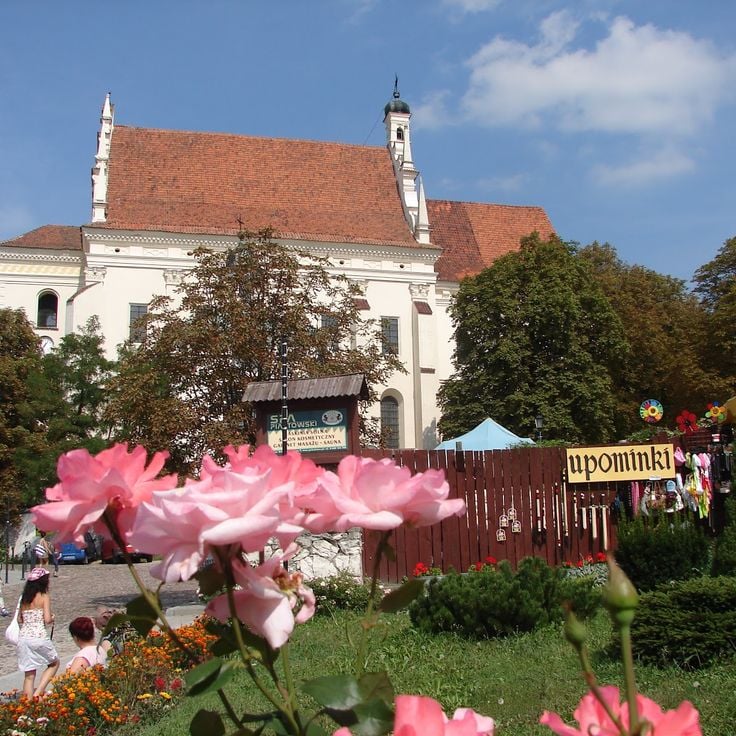
Kazimierz Dolny is a small village on the Vistula River, known for its colorful houses and tall limestone cliffs. Artists have chosen to settle here, and galleries fill the winding streets. Restaurants and cafes sit along the riverbank, where you can watch the water flow between high rock walls. This village fits into Poland's varied destinations because it shows how a small place preserves its history while attracting people who create and appreciate art.
Sandomierz is a small historic town on the Vistula River where medieval fortifications and remains of a former castle tell stories from centuries past. The gothic cathedral serves as a central landmark, and the market square is surrounded by colorful houses that show how people lived here over time. This town is one of the important places to understand Polish history and how communities developed along the river.
The Pieniny Gorges are a canyon carved by the Dunajec River over thousands of years. Limestone cliffs rise sharply above the water, creating a dramatic landscape. The main way to experience this place is by boat, using traditional flat-bottomed vessels that allow visitors to see the formations up close. Hiking trails run along the riverbanks and offer different views of the canyon walls. These gorges show how natural forces have shaped Poland's landscape and why people keep returning to explore and experience this place.
Mount Śnieżka is the highest peak of the Sudetes and sits on the border with the Czech Republic. From its summit, hikers can see the region from above and take in the views. A mountain shelter welcomes visitors and provides a place to rest while looking out over the surrounding landscape. The mountain is accessible to both experienced hikers and beginners. The trails are well marked and pass through different landscapes, from forests to open areas at higher elevations. On clear days, the view extends across the entire surrounding region.
Krakow is the historic city in southern Poland. The old town with its streets and buildings tells the story of several centuries. Visitors can explore museums here, visit old churches, and discover squares where you can understand how people lived and worked in the past. This city connects history to everyday life. As part of this collection, Krakow shows how Polish history and culture remain alive today.
Warsaw is the capital of Poland and shows how a city brings together old and new architecture. Many buildings were rebuilt after the Second World War and stand beside modern structures. In the old town, visitors can see how people lived in earlier centuries. Shops and restaurants shape today's city life. Museums and churches tell stories of important events that shaped the nation. Warsaw reveals Poland's complex history while offering the energy of a modern European capital.
The Tatra National Park occupies the mountains in southern Poland where rocky peaks and narrow valleys shape the landscape. Hiking trails pass through pine forests and over mountain meadows where the air becomes cool and dry. Springs flow from the slopes and feed lakes nestled between rocks. Some peaks remain sharp and bare, while others are covered with vegetation. This is a place where walking requires effort but where you can escape far from any settlement.
Wieliczka salt mine is an underground network of corridors and chambers carved into salt rock over several centuries. When you enter the mine, you see passages dug by hand and chapels completely sculpted from salt. Underground lakes reflect light and create a special atmosphere. The mine shows how people once extracted salt and lived and worked in this underground world. Today, visitors can explore these spaces and understand the skills and effort needed to create such works.
Białowieża National Park is one of Europe's oldest primeval forests, stretching along the border between Poland and Belarus. This ancient forest is home to rare animals like bison, lynx, and wolves living in their natural habitat. The old trees, some several hundred years old, create a dense woodland where little light filters through. Visitors can walk on trails and discover nature that remains unchanged as it has been for thousands of years.
Gdańsk is a city on the Baltic coast with colorful facades and Hanseatic architecture. The city still shows its rich trading past today. Wide streets lead to historic buildings and churches where you can learn about the history of merchants and craftspeople. The Motława River shapes the city landscape with its riverside warehouses and old market halls. In Gdańsk you will find museums that tell the story of the Hanseatic League and past centuries. The old town with its narrow streets invites you to walk and explore. This city in the collection shows how an important trading center has kept its character over the centuries.
Wrocław is a city in western Poland where buildings from different periods stand alongside each other. Rivers flow through the city and are crossed by numerous bridges that define its character. Old buildings, churches, and palaces show the wealth and power of the past. Main squares and narrow streets invite you to walk and explore. Museums and theaters keep cultural life active. Wrocław brings together its historical heritage with modern creativity that constantly shapes the city.
Malbork Castle is a medieval fortress on the banks of the Nogat River that once served as the residence of the Teutonic Knights. This castle displays impressive architecture and defensive structures that reflect the power and resources of this military order. Its tall walls and massive towers give a sense of the strategic importance of the place. Visitors can explore the interior spaces and understand how these knights lived and ruled.
Auschwitz-Birkenau in Oświęcim is a memorial and museum dedicated to the former concentration camps. The site preserves barracks, walls, and personal belongings that show what happened during World War II. Visitors can explore exhibitions that explain daily life in the camps and the experiences of those imprisoned there. The museum helps people understand the importance of remembering these events. This place serves as a space for reflection and remembrance for those who visit.
Ojcow National Park sits near Krakow and surprises with its distinctive landscape. Limestone gorges shape the land with steep walls that catch your eye. An underground river runs through the park, creating hidden water passages beneath the earth. An ancient ruined castle stands on a hillside, showing marks of times long past. The park invites you to walk: you follow trails along the gorges, listen to water flowing, and find historical traces everywhere. The nature here feels wild and calm at the same time.
The Masurian Lakes form a lake region in northeastern Poland with hundreds of interconnected lakes. Water shapes the entire landscape and offers opportunities for swimming, sailing, and fishing. Small villages sit along the shores and preserve a way of life centered around these lakes. Forests surround the lakes and invite visitors to walk and explore. In autumn and spring, flocks of birds stop here during migration, especially at the bird sanctuary near Ruciane-Nida.
Toruń lies on the Vistula River and is a medieval city whose historic center is listed by UNESCO as a World Heritage site. The buildings show the Gothic style that shaped the city for centuries. This is where Copernicus was born, the scholar who changed our understanding of the universe. In Toruń, you can walk through old streets, feel history in the walls, and learn more about life in the Middle Ages.
Łódź has transformed its past as a textile industrial center into a vibrant artistic hub. The historic shopping street Piotrkowska runs through the city, connecting different time periods. Former factory buildings now house galleries, museums, and spaces where artists work and display their creations. A film school strengthens the artistic character of the place. Łódź demonstrates how a location can honor its heritage while reinventing itself.
Slowinski National Park sits on the Baltic coast in Pomerania, where the landscape constantly changes. Moving dunes shift year after year, while lakes, wetlands, and ancient forests shape the land. The park is home to over 250 bird species that travel between water and land. This place shows how nature has adapted to the harsh coastal environment and represents the wild landscapes that characterize Poland.
Zakopane sits at the foot of the Tatras and functions as a mountain station that attracts many visitors, especially in winter. The town has become a center for winter sports, with ski slopes and lift systems for different ability levels. Traditional wooden houses line the streets and show the craftsmanship of the region. In summer, hiking trails lead to the surrounding mountains where visitors can explore nature on foot. Zakopane has museums and shops selling local handicrafts. The mountain air and closeness to nature make it a popular destination for those seeking to escape daily life.
Poznań is an old city in the heart of Wielkopolska and stands as one of Poland's important destinations to visit. The city has a historic cathedral, a colorful market with Renaissance buildings, and a cultural industrial site. The market square is full of life and invites you to walk around. The cathedral tells the religious history of the region. Poznań shows how people lived and worked here over many centuries.
Rynek Główny is the main square of Krakow and the heart of the old town. It is surrounded by multi-story buildings with colorful facades that now house cafes, restaurants, and shops. The square dates back to the Middle Ages and has kept its original layout. Local residents and visitors gather here to walk around, eat, or simply enjoy the space. In the center of the square stands the Cloth Hall, an important building with a long history. Rynek Główny is a living place that shows how daily life in Krakow has worked for centuries.
Wawel Royal Castle rises above Krakow and holds several centuries of Polish history within its walls. What began as a defensive fortress was gradually transformed and rebuilt over time. Visitors can walk through the rooms where kings lived, discover works of religious art, and look out from the walls toward the city and the Vistula River. The halls show how people lived during different periods.
This basilica stands at the heart of Krakow's market square with two towers that rise above the old town and can be seen from many directions. The Gothic building shows skilled craftsmanship from several centuries. Colored windows fill the interior with light. Every day, bells ring at regular times. Visitors come here to admire the architecture and sense the history that fills this place.
The Jewish Quarter of Kazimierz was the center of Jewish life in Krakow for centuries. Today, visitors walk through narrow streets lined with old buildings, enter synagogues that remain active, and explore a historic cemetery. Art galleries, restaurants, and small shops bring energy to the district. The streets and buildings tell the story of a thriving community that once lived here. This quarter is an important part of the collection because it shows how different cultures shaped Poland's history.
Oskar Schindler's factory in Krakow is a museum housed in the building where this industrialist worked during World War II. The museum tells the story of that era through exhibits and testimonies from people who lived through it. When you enter, you see old machines and objects that still look much as they did at the time. The stories on the walls and in the display cases help you understand how life was then and what choices people had to make.
The POLIN Museum in Warsaw tells the story of Polish Jews over more than 10 centuries. This museum shows how Jewish people lived in Poland, the cultures they created, and the challenges they faced. With interactive exhibitions and audio guides, you can explore the museum at your own pace and learn more about the Jewish community. The museum helps you understand a part of Polish history that is often overlooked.
Łazienki Park is Warsaw's green space with spacious gardens, quiet lakes, and historic buildings from different periods of Polish history. The park hosts regular concerts and cultural events. Walking through, you can discover old palaces, watch ducks and swans, and enjoy nature in the middle of the city. This park is where Warsaw residents relax and where visitors experience how history and nature connect here.
The Warsaw Uprising Museum in this collection documents the 1944 uprising through military and historical exhibits. The museum shows how residents resisted during World War II and helps visitors understand this important period of Polish history and daily life under occupation.
The Palace of Culture and Sciences in Warsaw is a large building in the heart of the city. Built in the 1950s, it has an unusual shape that you can see from almost anywhere in Warsaw. Inside, you will find offices, concert halls, and theaters. On the 30th floor, there is an observation terrace where you can look out over the entire city. This building is an important place where many people work, attend concerts, or simply want to see Warsaw from above.
The Copernicus Science Centre in Warsaw is a science museum where visitors of all ages can conduct experiments and learn by doing. The exhibits invite you to explore phenomena firsthand and work with your hands. Here you can try things out and understand how science works in our everyday lives. The museum offers demonstrations and activities for both children and adults, where you can touch, experiment, and discover how things really function.
The Second World War Museum in Gdańsk tells the story of the city during the war. In the exhibitions, visitors discover objects, documents, and personal testimonies from people who lived during this time. The museum displays photographs, uniforms, weapons, and other elements from this period. It explains how the city was attacked, occupied, and how people's lives changed. Visitors can understand the experiences and hardships that Gdańsk residents faced.
Długa Street in Gdańsk is a pedestrian zone in the heart of the old town. Its colorful facades show what Gdańsk looked like when it was an important trading port. Restaurants and shops invite you to stop and spend time here. You can feel how life was in Gdańsk long ago: a trading city full of people from different countries selling their goods.
The European Solidarity Centre in Gdańsk is a museum that tells the story of the Solidarity movement and Lech Wałęsa. The exhibitions show how this worker uprising changed Polish politics and the path the country took toward freedom. Visitors can understand how ordinary people fought for their rights and how these struggles shaped the country and Europe.
The Cloth Hall of Krakow is a historic market building that stands in the main square of the city. This architectural monument reflects Krakow's commercial history and houses today craft workshops, local artisans, and shops selling amber, traditional Polish crafts, and souvenirs. The hall tells the story of Krakow's past and its economic importance over the centuries through its architecture and daily activity.
Energylandia is an amusement park in Poland that draws visitors of all ages. The park offers exciting rides for those seeking adventure, gentler attractions for families with children, and regular shows on multiple stages. The facilities are modern and well-maintained, with wide paths for exploring and places to rest. This park shows how Poland creates leisure and entertainment spaces where people from the country and beyond spend time together.
The Dwarfs of Wrocław are about 1000 eccentric dwarf statues scattered throughout the city streets. These small figures invite you on a playful treasure hunt across Wrocław. They hide in surprising places and tell stories of resistance and creativity. The dwarfs are part of the city's history and show how residents preserved their identity. A walk through Wrocław becomes an adventure when you discover these tiny works of art.
Zamość is a fortified city built according to Italian Renaissance principles. This city displays perfect geometric planning with preserved city walls and harmonious architecture. It is recognized as a UNESCO World Heritage site. The streets and buildings date from its founding in the 16th century. When you walk through Zamość, you see the symmetry of the main square, the Renaissance buildings, and the fortification walls that surround the city. This place shows how architecture and urban planning work together to create a city that still lives and functions today.
Lublin is a historic city in eastern Poland where the old town with its colorful buildings sits on a hillside. The medieval castle and chapel with their frescoes tell stories from past centuries. The city's museums preserve the history of this region and help you understand how people lived here. As you walk through the streets, you see traces of the past everywhere. Lublin fits perfectly into this collection because it shows how Poland's history comes alive in each place.
Szczecin sits on the Oder River, close to the Baltic coast, and represents Poland's story in a particular way. This city was rebuilt after serious destruction and today shows a blend of past and modern life. The royal castle stands at the center and tells of earlier times. The Gothic cathedral impresses through its architecture. Along the river banks you can walk and view the city from the water. The harbor is active and shapes the character of Szczecin. Here, water, history, and daily life come together naturally.
Katowice is the center of Silesia and shows how an industrial city transforms. You will find modern art museums, an open-air cultural park, and galleries featuring contemporary works. The city draws on its history as a steel production center and has become a place where culture and modernity coexist. People use public spaces for meetings, exhibitions, and cultural events. When you walk through Katowice, you see old industrial buildings next to new art centers, telling the story of how the city changed.
Bieszczady National Park is located in the Eastern Carpathians and offers a wild mountain landscape with thick forests. Here you walk on trails through deep woods and come across traditional villages with wooden roofs. The park is home to bears, wolves, and lynx. The mountains are not especially high but very steep and rural. You can spend days here without seeing many people, experiencing the quiet of nature.
The Karkonosze Mountains lie on the border between Poland and the Czech Republic, offering hiking trails for different skill levels. Mountain shelters and forest paths allow visitors to explore the alpine landscape. In summer, green meadows and open views attract hikers, while winter transforms the region into a snow-covered mountain environment. These mountains demonstrate how people use and respect the natural landscape.
Sopot is one of the most popular seaside resorts on the Baltic coast, offering long sandy beaches perfect for walks and relaxation. The most famous attraction is the historic wooden pier that extends far into the sea, providing beautiful views across the water. Along the shoreline you will find restaurants, cafes, and entertainment venues that draw visitors throughout the year. The city has a relaxed and welcoming character where people enjoy spending time on the beach, walking in the salt air, and taking in the calm of the sea.
Kazimierz Dolny is a small village on the Vistula River, known for its colorful houses and tall limestone cliffs. Artists have chosen to settle here, and galleries fill the winding streets. Restaurants and cafes sit along the riverbank, where you can watch the water flow between high rock walls. This village fits into Poland's varied destinations because it shows how a small place preserves its history while attracting people who create and appreciate art.
Sandomierz is a small historic town on the Vistula River where medieval fortifications and remains of a former castle tell stories from centuries past. The gothic cathedral serves as a central landmark, and the market square is surrounded by colorful houses that show how people lived here over time. This town is one of the important places to understand Polish history and how communities developed along the river.
The Pieniny Gorges are a canyon carved by the Dunajec River over thousands of years. Limestone cliffs rise sharply above the water, creating a dramatic landscape. The main way to experience this place is by boat, using traditional flat-bottomed vessels that allow visitors to see the formations up close. Hiking trails run along the riverbanks and offer different views of the canyon walls. These gorges show how natural forces have shaped Poland's landscape and why people keep returning to explore and experience this place.
Mount Śnieżka is the highest peak of the Sudetes and sits on the border with the Czech Republic. From its summit, hikers can see the region from above and take in the views. A mountain shelter welcomes visitors and provides a place to rest while looking out over the surrounding landscape. The mountain is accessible to both experienced hikers and beginners. The trails are well marked and pass through different landscapes, from forests to open areas at higher elevations. On clear days, the view extends across the entire surrounding region.