Greater Poland and Pomerania: historic towns, teutonic castles and Baltic coast
This collection brings together 40 places across Greater Poland and Pomerania, two northern regions where the history of Poland began. In Poznan, the market square and town hall recall the time when the city was a thriving trade center. Ostrow Tumski island hosts the cathedral where the first Polish kings were crowned. In Gniezno, the birthplace of the nation, the cathedral and the royal route show the start of the kingdom in the Middle Ages.
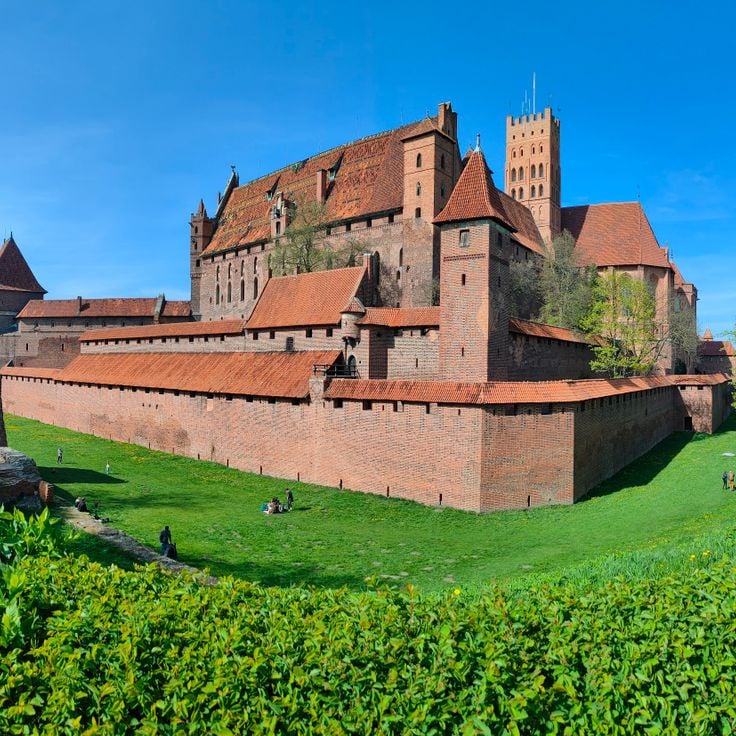
Further north, Gdansk spreads out with its Long Market lined with colorful buildings, showing the wealth from sea trade in the past. Malbork Castle, built from red bricks by the Teutonic knights in the 13th century, overlooks the plains from the banks of the Nogat. The Hel Peninsula stretches into the Baltic, with beaches that the wind almost always moves through. Between the towns, Wielkopolski National Park and the lakes nearby invite visitors to see the forests and trails that cross these northern landscapes.
Greater Poland and Pomerania: historic towns, teutonic castles and Baltic coast
This collection brings together 40 places across Greater Poland and Pomerania, two northern regions where the history of Poland began. In Poznan, the market square and town hall recall the time when the city was a thriving trade center. Ostrow Tumski island hosts the cathedral where the first Polish kings were crowned. In Gniezno, the birthplace of the nation, the cathedral and the royal route show the start of the kingdom in the Middle Ages.
Further north, Gdansk spreads out with its Long Market lined with colorful buildings, showing the wealth from sea trade in the past. Malbork Castle, built from red bricks by the Teutonic knights in the 13th century, overlooks the plains from the banks of the Nogat. The Hel Peninsula stretches into the Baltic, with beaches that the wind almost always moves through. Between the towns, Wielkopolski National Park and the lakes nearby invite visitors to see the forests and trails that cross these northern landscapes.
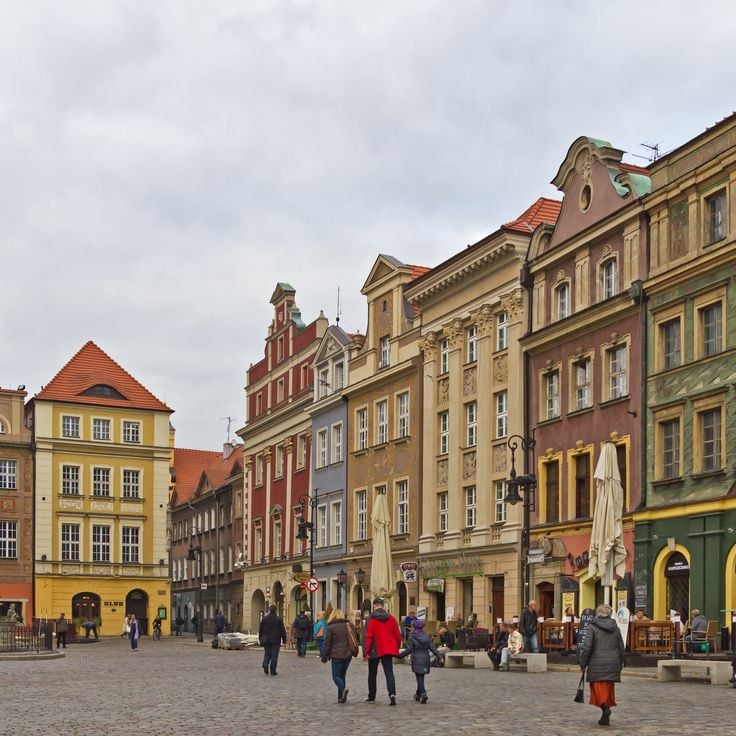
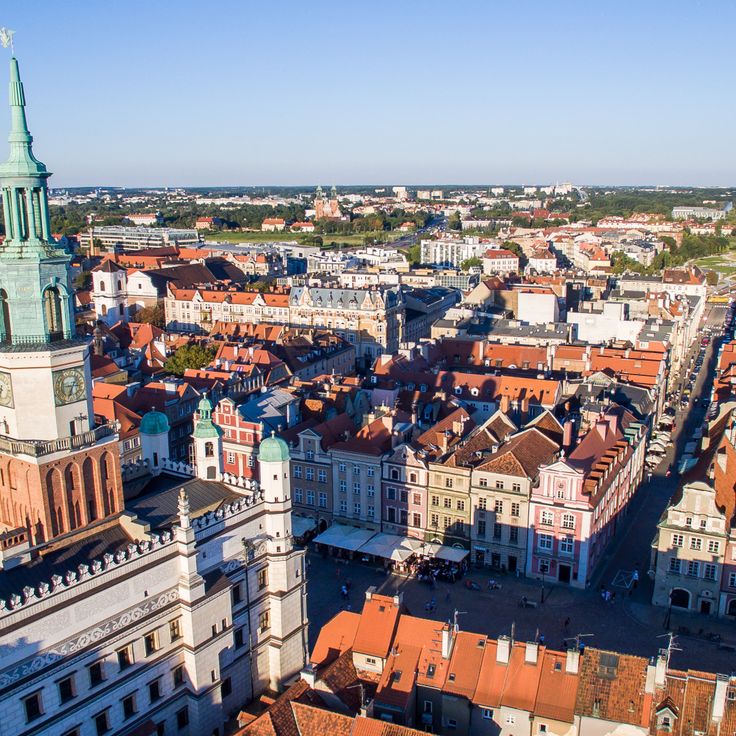
Stary Rynek is the central market square of Poznan, surrounded by Renaissance buildings that reflect the city's prosperous past. The Town Hall stands at the center of the square and served as the administrative hub during the time when Poznan was an important trading center. The square remains a gathering place for locals and visitors, with cafes and shops that shape daily life.
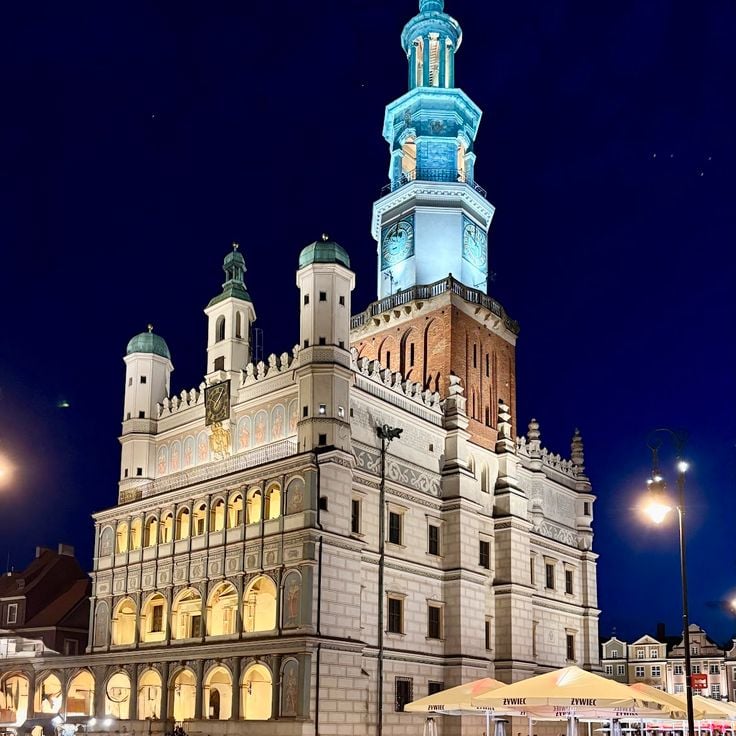
The Town Hall of Poznan is a Renaissance building from the 16th century that stands above the market square. It shows the time when Poznan was an important trading center. The historic interiors of the Town Hall tell the story of the city's prosperity. Visitors can see how wealthy merchants and city councilors conducted their business here and made decisions that shaped the city's future.
Ostrow Tumski is the historic island of Poznan where the roots of medieval Poland were planted. Here stands the cathedral where the first Polish kings were crowned. The island contains several ancient churches that tell the story of this place's religious importance in the early kingdom. You can walk through narrow streets and view the Gothic and Romanesque architecture of the buildings. The island blends history with daily life, as residents of Poznan stroll here to explore and connect with the past.
The Trakt Krolewski in Gniezno is a historic path that connects important sites throughout the city. This route passes through Poland's ancient capital and reveals traces from the early days of the kingdom. The path links churches, historical buildings, and squares significant to Poland's medieval origins. Visitors walk the same routes once traveled by kings and pilgrims. The Trakt Krolewski tells the story of Gniezno as the birthplace of the Polish nation.
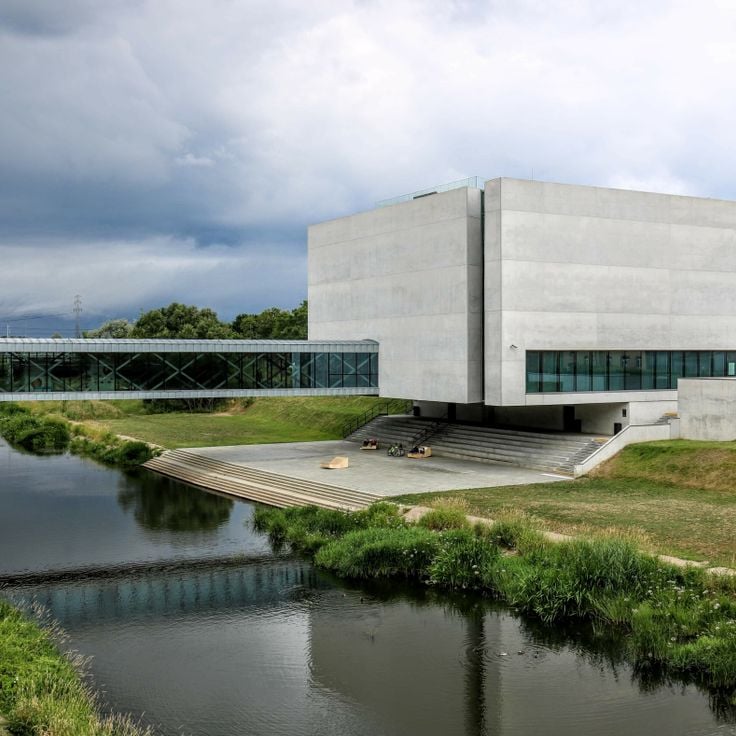
Brama Poznania is an interactive museum in a modern building devoted to the history and culture of Poznan. It connects the past of this historic city with contemporary exhibition spaces. The museum sheds light on Poznan's development from its early days to the present, showing how the city became an important trade center. Visitors can discover here the stories that shaped Poznan.
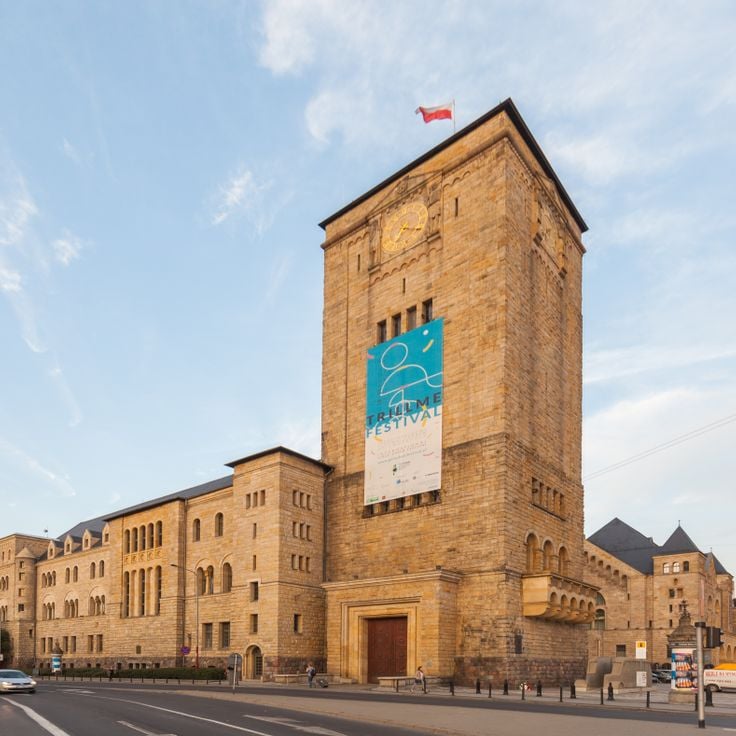
The Imperial Palace in Poznan is a royal residence from the 19th century that reflects the power and wealth of its era. Inside are rooms with ornate decorations and art collections that speak to the importance of this place in Polish history. The palace sits in a city that has been a center of commerce and political authority for centuries, contributing to the understanding of how Greater Poland developed.
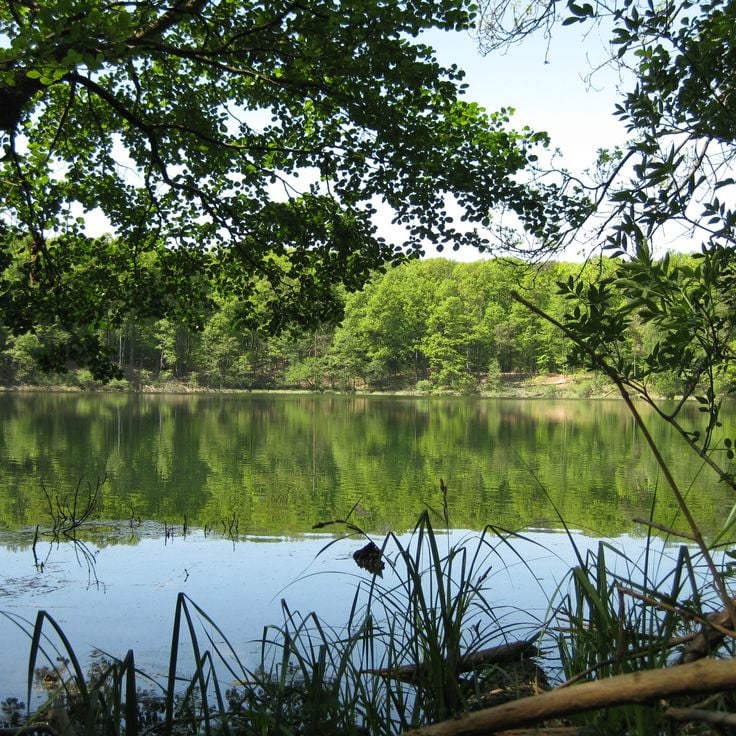
Wielkopolski National Park sits near Poznan and features forests, lakes, and hiking trails. This park is part of the natural landscape of Greater Poland and invites visitors to explore the northern regions. The paths lead through different ecosystems and show the diversity of nature in this area.
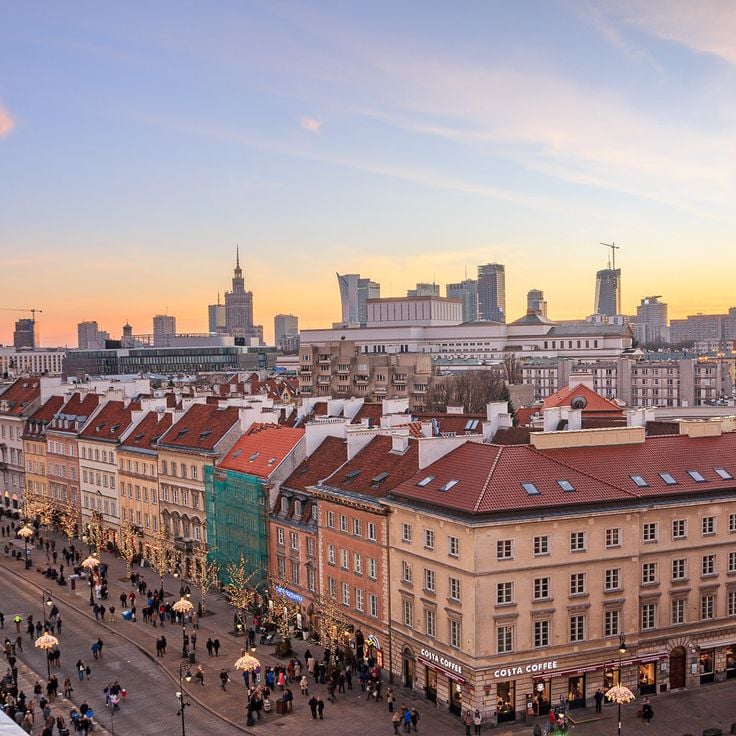
The Old Town of Poznan was once the heart of a thriving trading city. The town hall stands on the medieval market square, surrounded by colorful townhouses. The streets still show how the city looked in the Middle Ages. People walk through the lanes, sit in cafes around the square, and use the space as it was used before - as a place to trade, meet, and live.
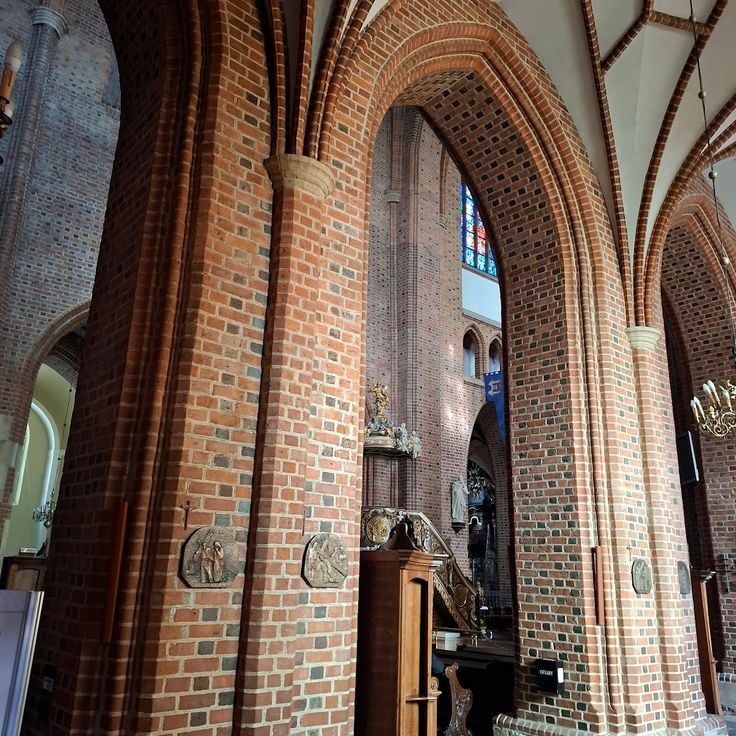
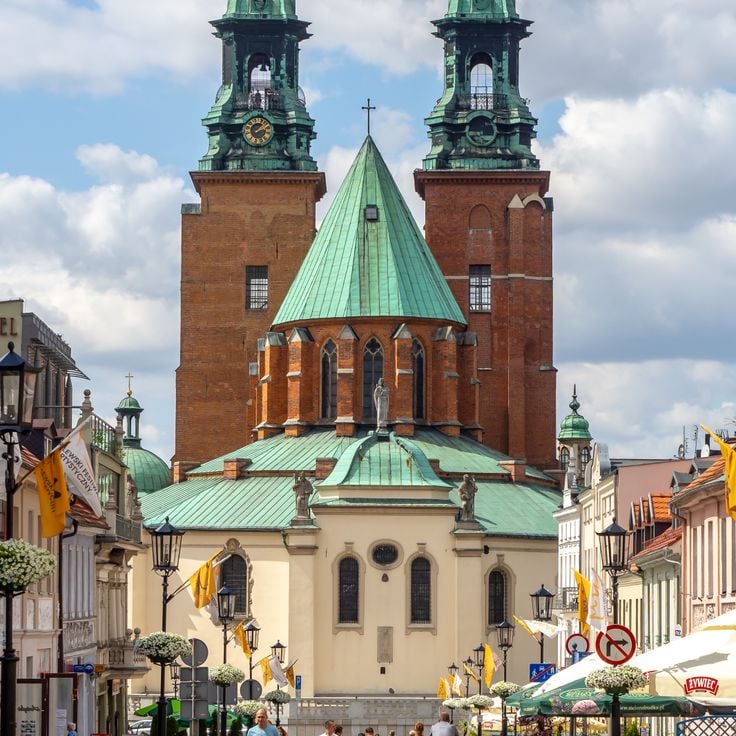
The Cathedral of Gniezno is a Gothic basilica from the 14th century and the spiritual heart of Poland. It served as the seat of the archbishopric and was the place where Polish kings were crowned. The cathedral shapes the city and stands as a reminder of when Gniezno was the center of the early Polish kingdom. Within this collection of sites across Great Poland and Pomerania that tell the story of Poland's history, the cathedral represents a key mark of the nation's medieval origins.
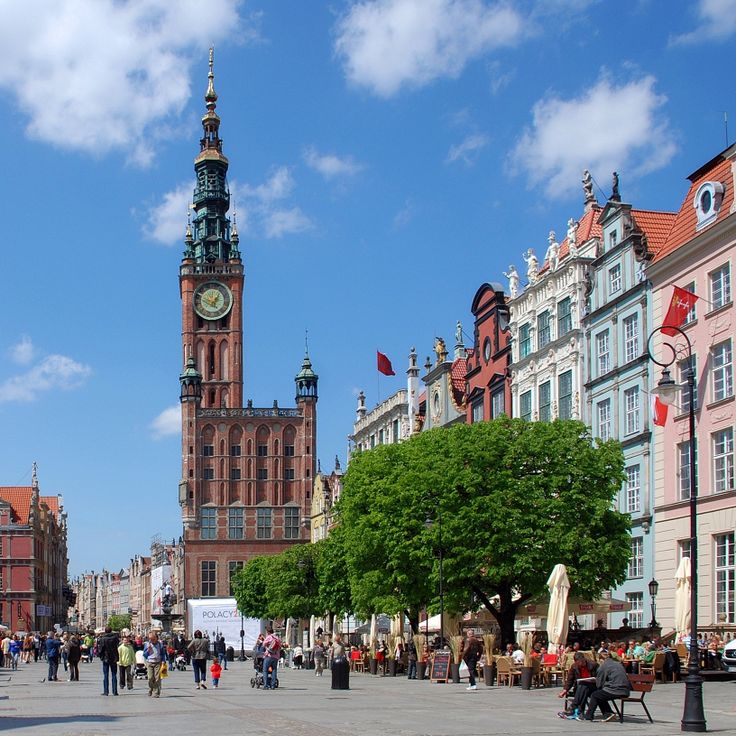
The Long Market in Gdansk is one of the most important squares in Poland. It was once the center of trade and wealth for the city. The colorful facades around the square remind visitors of when Gdansk was a major trading gateway to the Baltic Sea. The houses show Renaissance style and tell the story of a prosperous port city. The square is now where people gather, where history meets modern life.
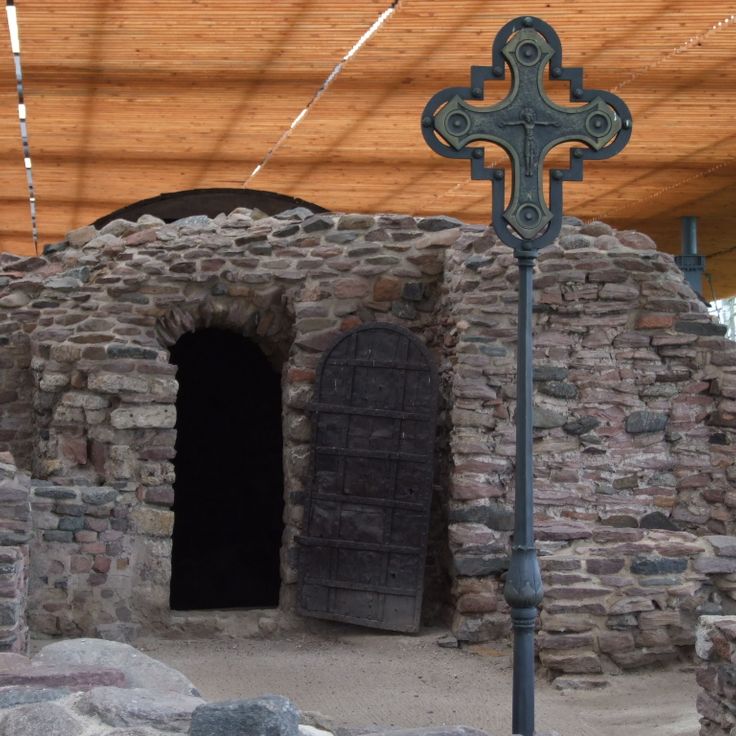
Ostrow Lednicki is an island with roots in Poland's medieval past. The ruins of a castle and chapel still stand here, giving visitors a sense of how this place served an important purpose during the early centuries of the Polish state. Excavations on the island have uncovered artifacts and structures that tell the story of life in this region.
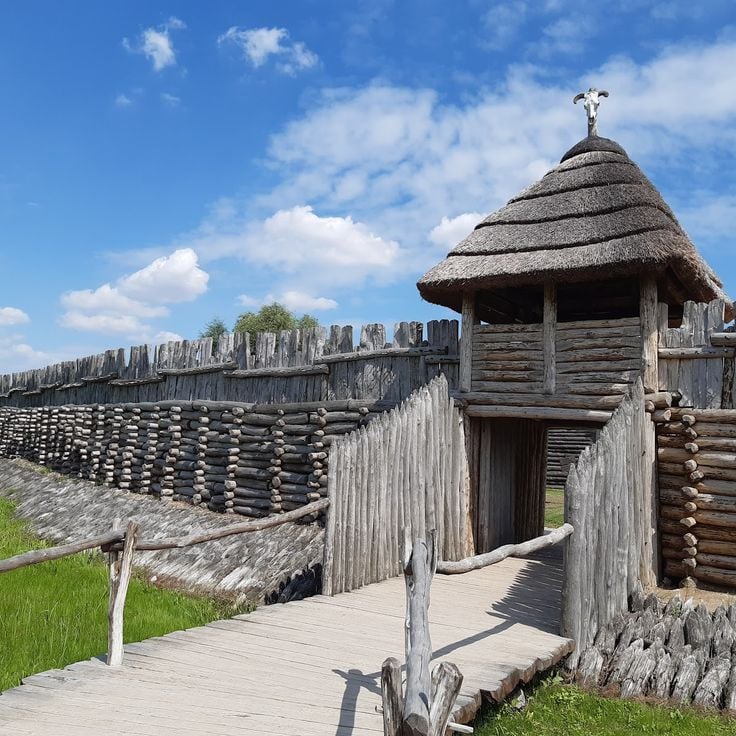
The Archaeological Museum of Biskupin preserves a settlement from the Iron Age that stood here about 2500 years ago. Archaeologists have reconstructed parts of the old village and its fortifications so visitors can see how people lived at that time. The museum is located in Greater Poland, where the history of Poland took shape. Here you can understand how early communities built their homes and farmed their land.
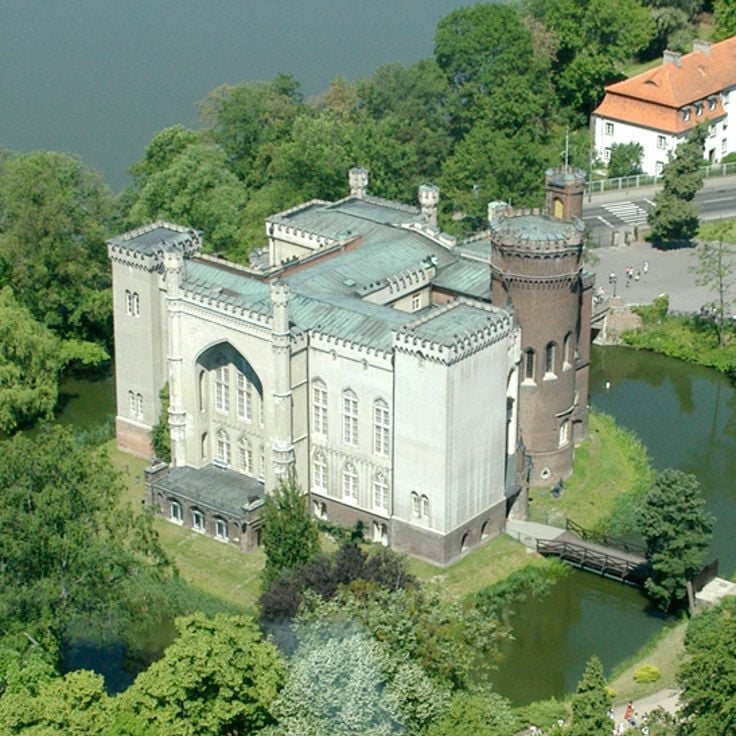
Kórnik Castle is a neogothic castle in Greater Poland, set within a large arboretum of rare trees and shrubs. The castle holds art collections and a historical library containing valuable books and documents. The surrounding park invites visitors to walk through gardens and woodlands that reflect the character of the region.
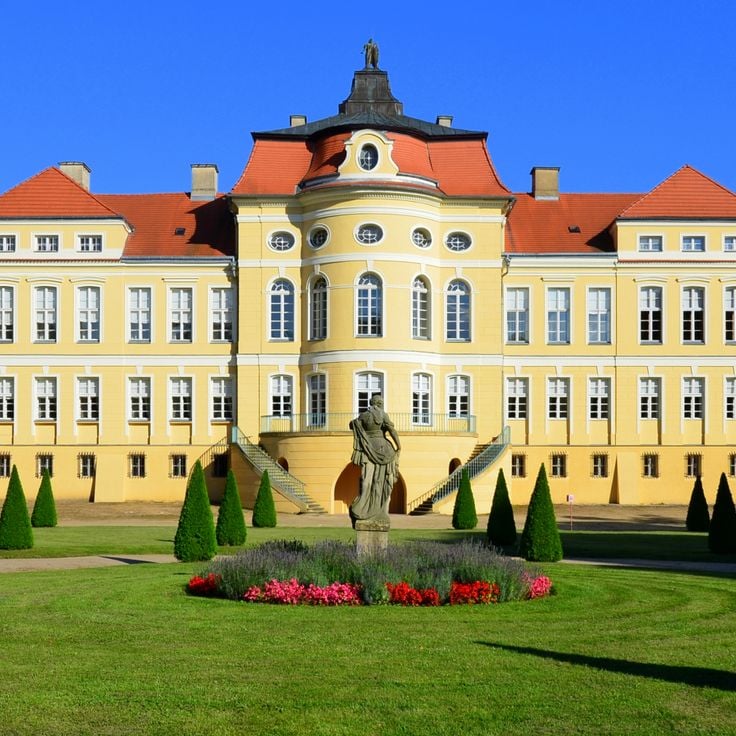
Rogalin Palace is a Baroque residence in Greater Poland, situated within a park of ancient oak trees. The palace served as the seat of an aristocratic family and displays the architecture and lifestyle of the nobility from that era. The monumental oaks surrounding the palace rank among the region's most notable trees. The estate offers insight into rural life in Poland during the Baroque period.
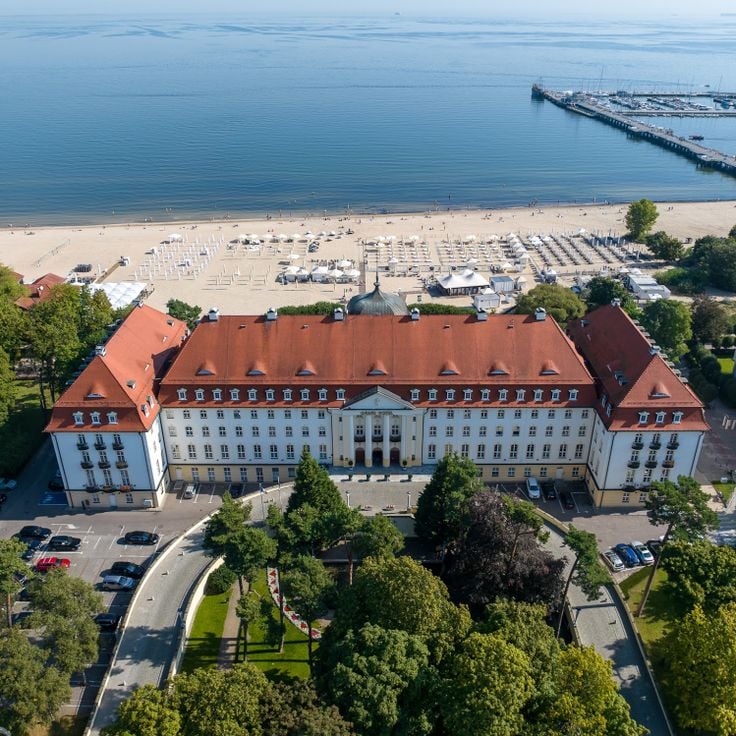
Sopot is a seaside resort on the Baltic coast where sandy beaches, tree-lined promenades, and Belle Époque buildings create a relaxed setting. The wide beach stretches along the shore and offers space for walking and enjoying the sea air. The Grand Hotel stands as an elegant landmark with its early 1900s architecture. The wooden pier extends into the water, providing views over the bay. This town developed as a destination for visitors seeking rest and leisure, and it has kept much of that character. The rhythm of the place slows down along the waterfront, where locals and travelers mix.
Malta Lake is an urban lake in Poznan where residents and visitors find space to relax and enjoy outdoor activities. Beaches and parks line the water, inviting people to swim, walk, and spend time in nature. The lake sits near Poznan's market square and old town, showing how nature blends into this historic city in Greater Poland, a region where important trading centers and royal coronation sites once thrived.
Rue Mariacka is a paved street in Gdansk lined with colorful houses. Each house has an inner courtyard and ground-floor shops. This street shows how wealthy Gdansk was when it thrived as a port city. It sits next to the Long Market, another important area of the city. The colorful facades reflect different periods when merchants and craftspeople made their homes and businesses here.
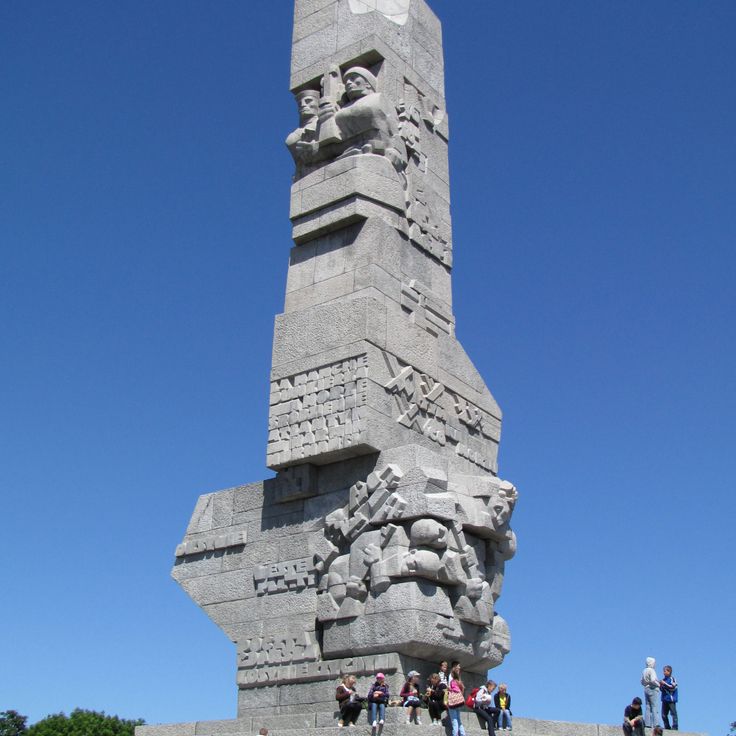
Westerplatte is where Nazi Germany launched its first attack, marking the start of World War II. Located in Gdansk, this site holds monuments and an open-air museum that honor the brief but fierce battle fought here. Visitors can see remnants of bunkers and walls from the defense. Walking through the grounds, you understand how the war began and the people who fought to hold this position.
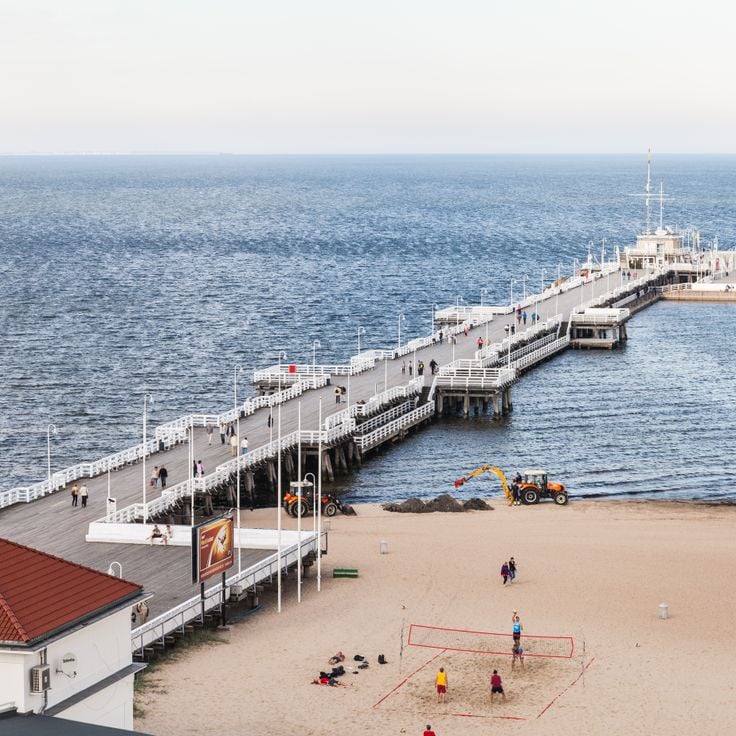
The pier of Sopot stretches into the Baltic Sea on wooden planks, taking visitors far from shore. This is where the city meets the water, and you can stand above the waves while looking out toward the horizon. The wind here is almost constant, and the space feels open and exposed. Walking to the end, you experience what drew people to build this connection between land and sea.
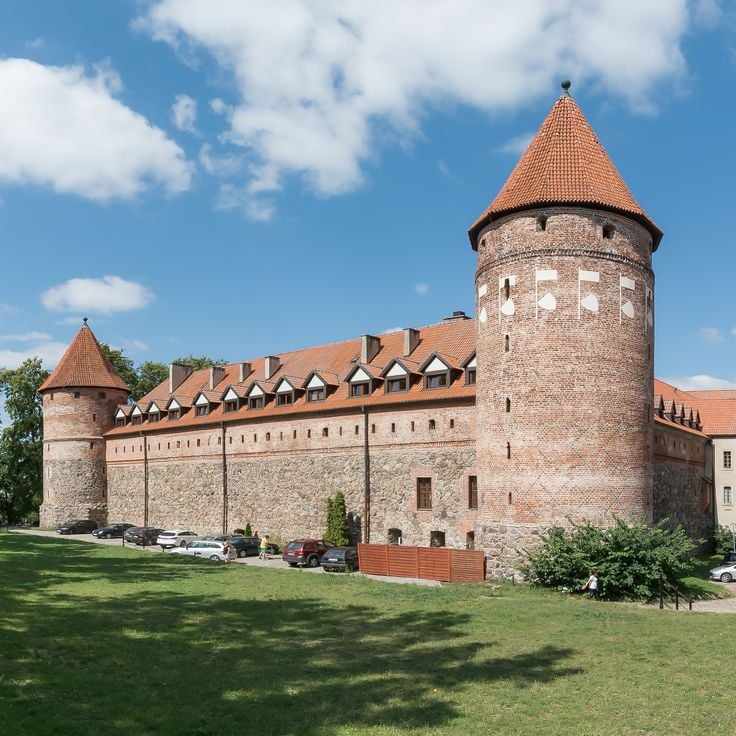
Bytow Castle is a Gothic fortress built in the 14th century in the Pomeranian region. Its walls and defensive moats show how rulers once displayed their power in this northern territory. Today the castle houses a museum that tells the story of Pomerania's past. This fortress connects to other landmarks across the region, from Danzig's merchant quarters to the Teutonic Knights' strongholds, all shaping the character of northern Poland.
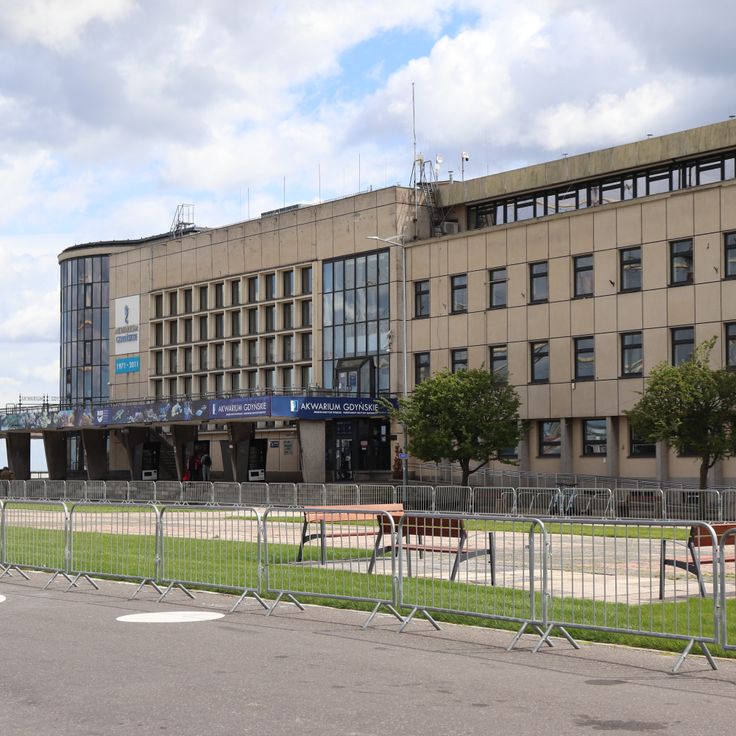
The Aquarium of Gdynia showcases marine life from the Baltic Sea and tropical oceans. Visitors can observe fish, marine mammals, and other water creatures that inhabit different environments. The tanks display how varied the world's seas are and what species live in them. Located in the port city of Gdynia on the coast of Pomerania, the aquarium deepens understanding of the Baltic Sea that shapes this region.
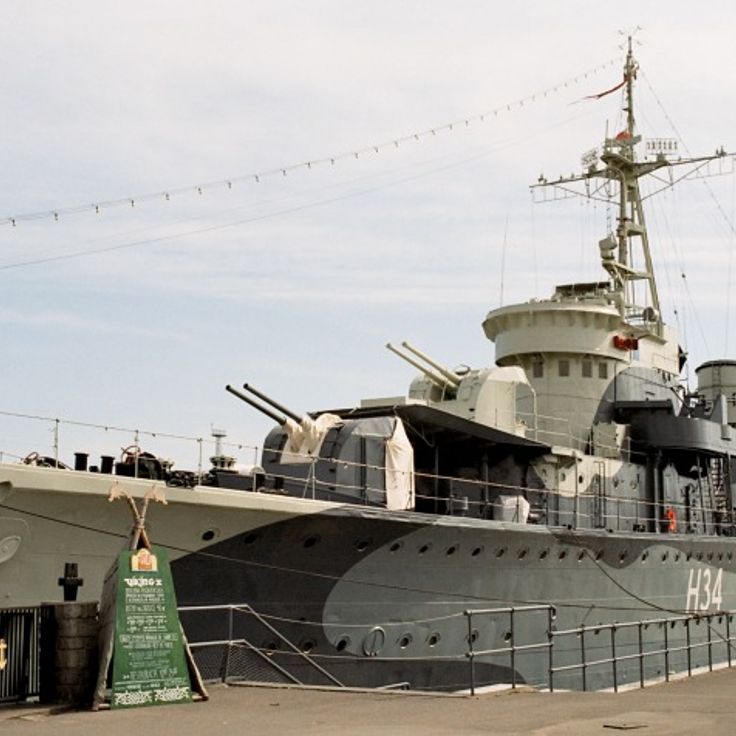
The ORP Blyskawica is a warship museum in Gdynia's harbor. This former Polish destroyer now serves as a floating museum that visitors can explore from top to bottom. You can walk through the spaces where sailors lived and worked, seeing how they managed life aboard ship. The vessel tells the story of the Polish Navy and its actions during World War II. From the deck, you have views of the harbor and the daily activity of the port.
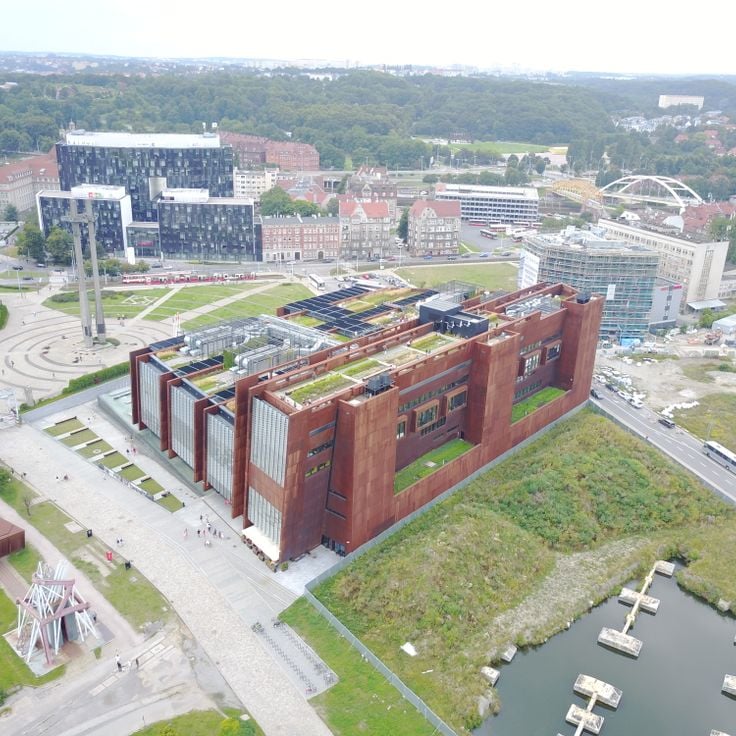
The European Center of Solidarnosc in Gdansk tells the story of the Solidarnosc movement and the end of communism in Eastern Europe. The museum shows how workers in Gdansk's shipyards rose up against the regime. Visitors learn about Lech Walesa and the strikes that changed Poland. The exhibition displays documents, photographs, and personal objects from that period. The building itself symbolizes resistance through its architecture.
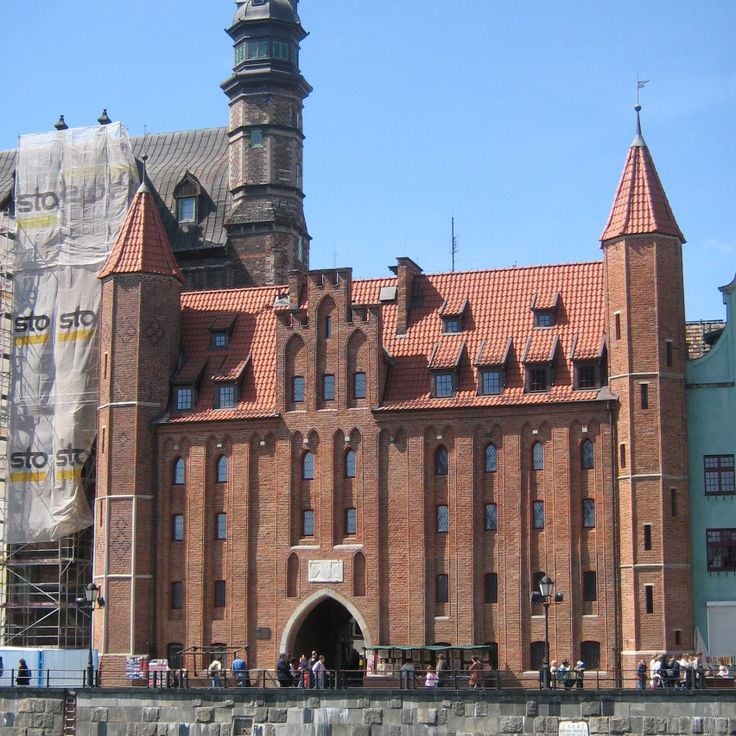
Malbork Castle is Europe's largest brick fortress. The Teutonic Knights built this castle in the 13th century on the banks of the Nogat River. Today it stands as a UNESCO World Heritage Site and tells the story of the Knights' rule in this part of Pomerania. The red brick walls rise above the plain, showing the military power that once came from this place.
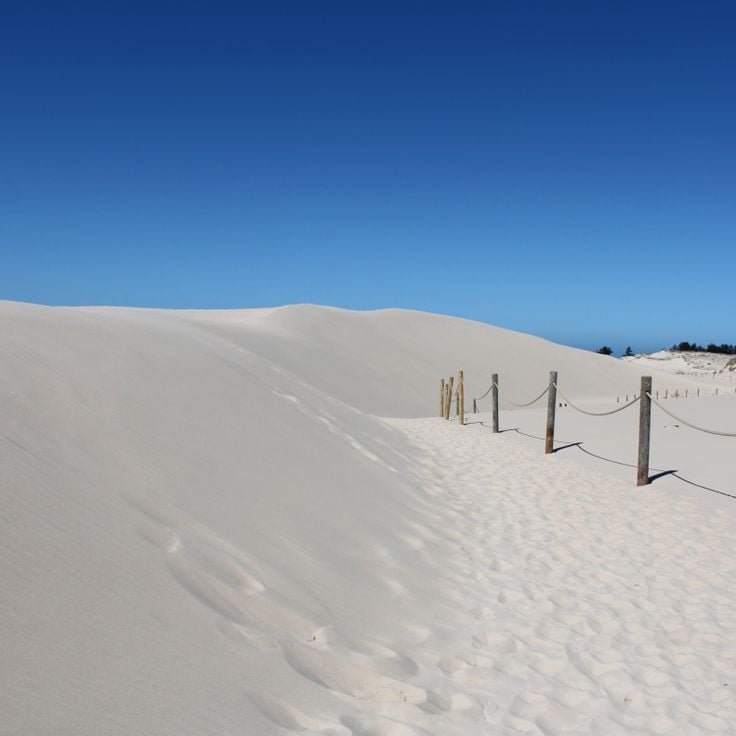
Slowinski National Park near Leba protects a coast shaped by wind and water. Moving dunes are the park's defining feature, shifting several meters each year. Beyond the dunes lie lakes, marshes, and forests that form a complete ecosystem. The park is a UNESCO World Heritage site because of this rare landscape. Birds, deer, and other wildlife find shelter in the different habitats. Paths lead visitors through forests and along the dunes to see how nature reshapes itself over time.
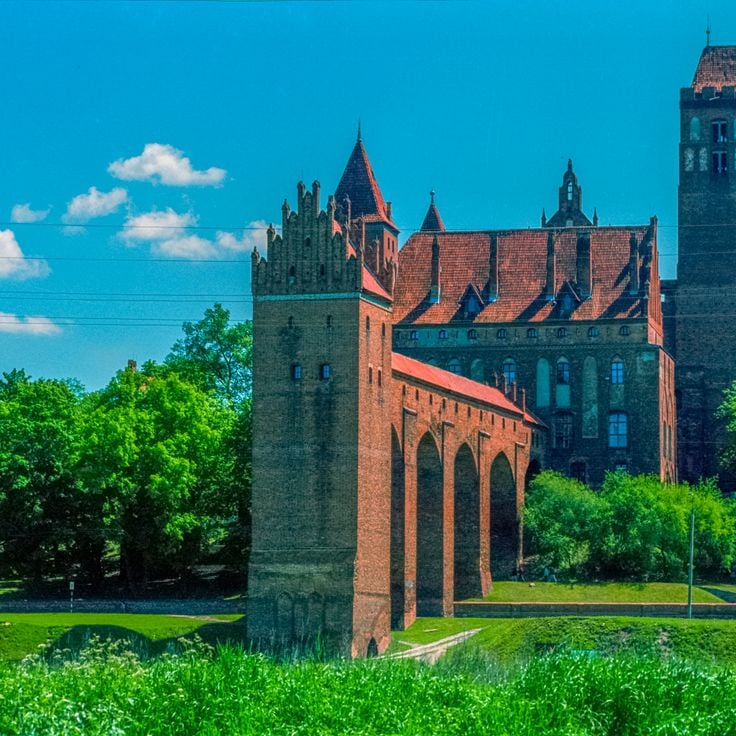
Kwidzyn Castle is a medieval fortress built by the Teutonic Knights. The complex includes a castle, towers, and courtyards that stand as evidence of the order's power in the region. This monument is one of the most important structures in Pomerania and shows how the Teutonic Knights left their mark on these lands through imposing brick architecture.
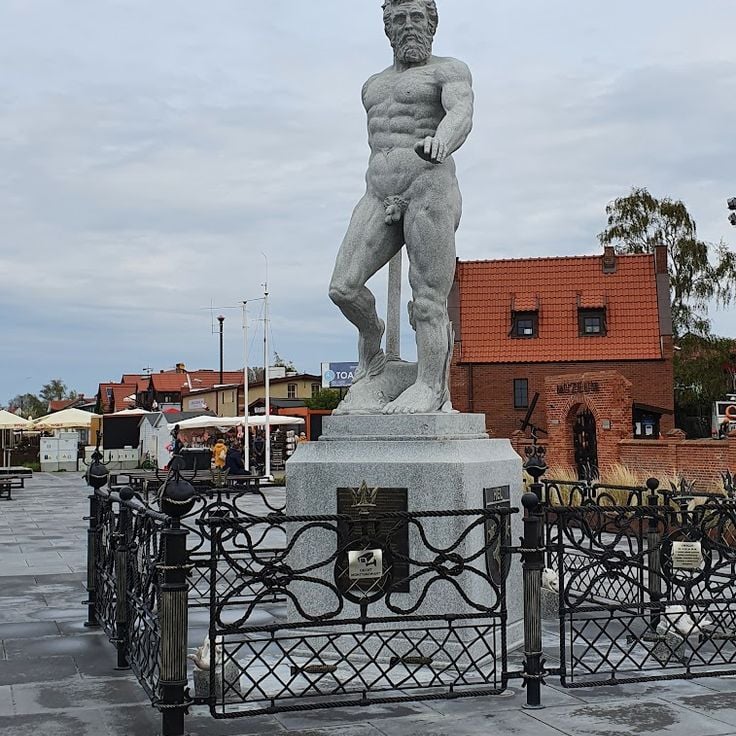
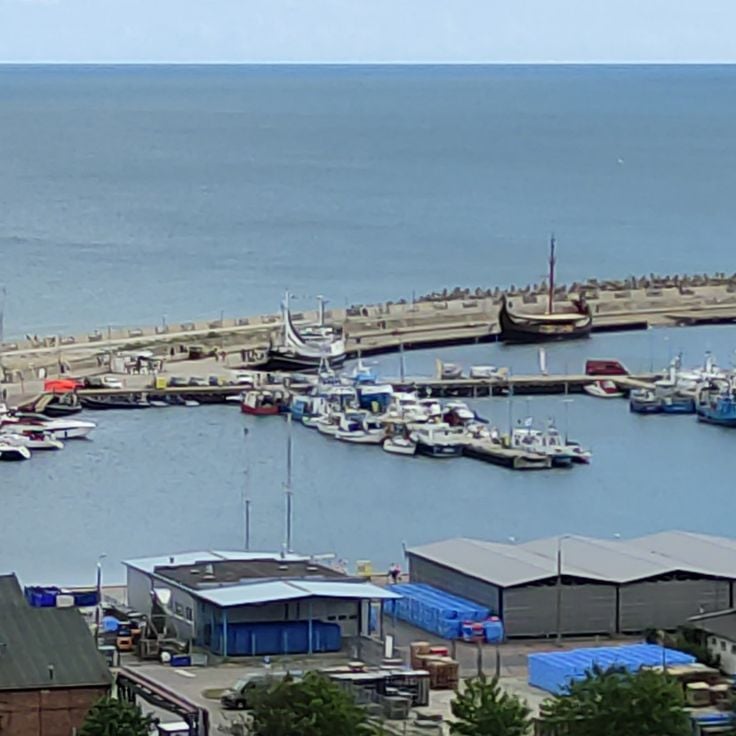
The center and port of Hel are part of this collection of 35 places across Greater Poland and Pomerania, two regions in the north where Polish history took shape. This small fishing harbor shows life on the Baltic coast with colorful houses, seafood restaurants, and the rhythm of daily life by the sea. Hel sits on a narrow peninsula that stretches into the Baltic Sea.
Jastarnia is located on the Hel Peninsula and serves as a seaside resort with beaches and older villas. The town shows how life along the Baltic coast developed over time. Visitors find long beaches where wind is nearly constant and houses from earlier periods that tell the story of the region's port towns.
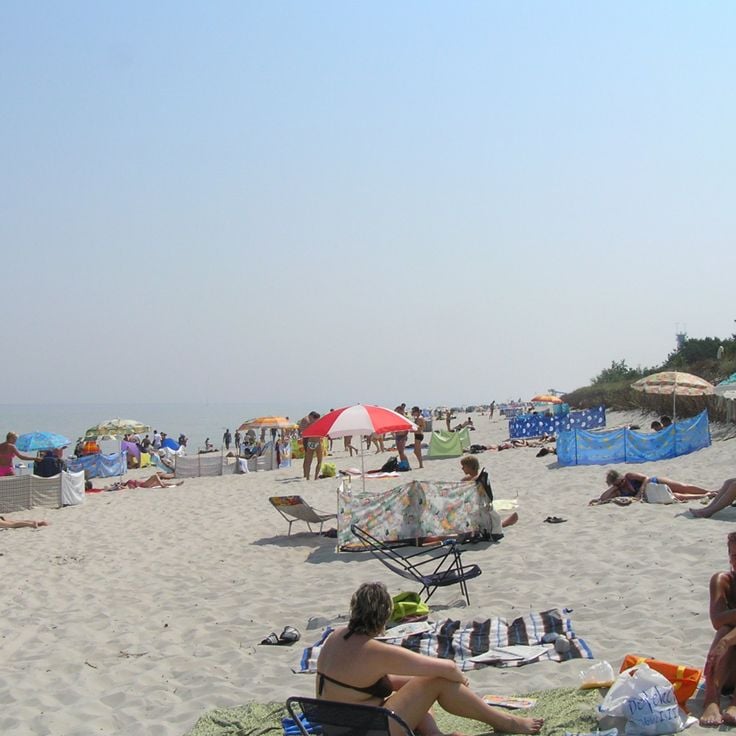
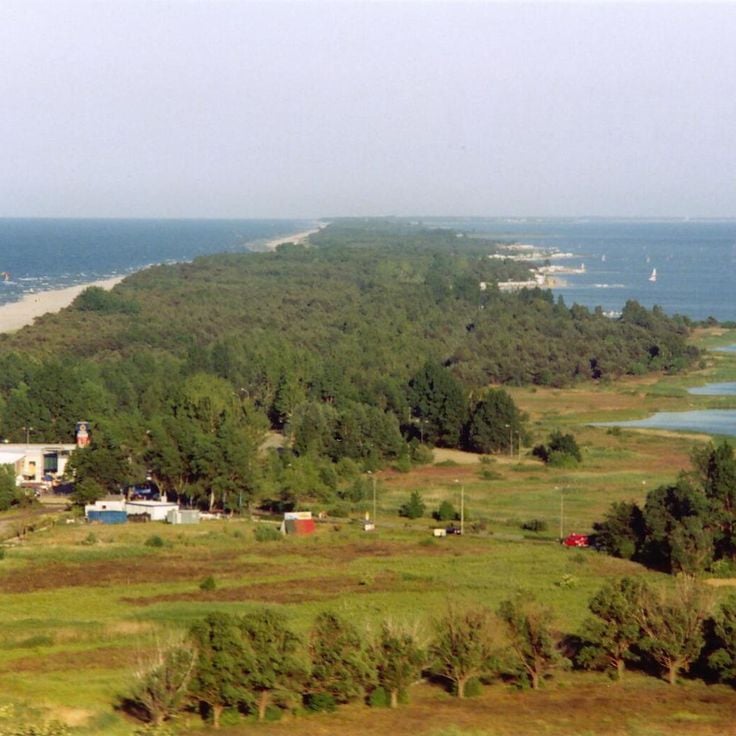
The Hel Peninsula is a long strip of land that stretches into the Baltic Sea in northern Poland. Sand dunes and beaches line its shores, shaped by wind and water over centuries. Walking trails run along the coast, offering views of the sea and the surrounding landscape. The wind blows almost constantly here, and the beaches often feel empty and wild. This peninsula is part of the Pomeranian region where maritime history and natural beauty coexist.
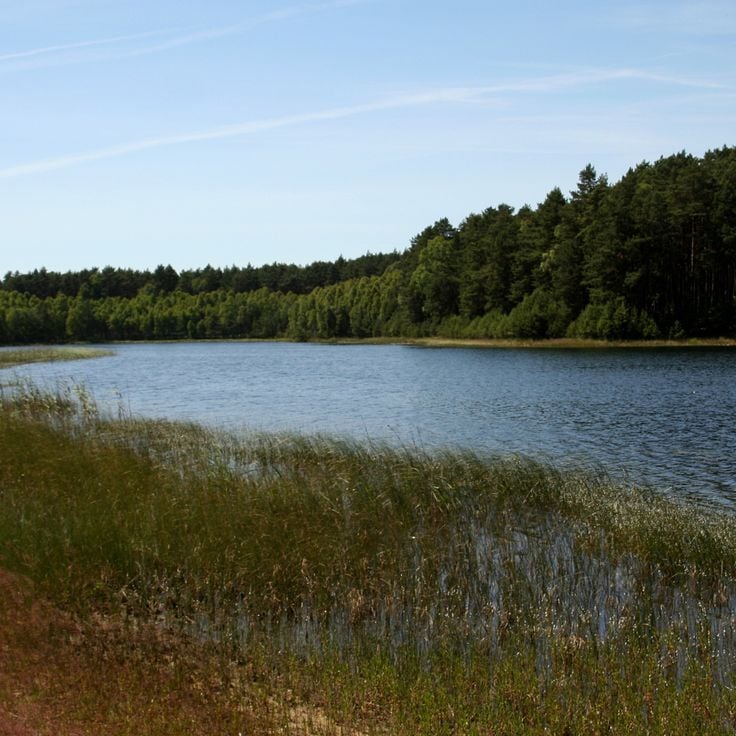
The Bory Tucholskie UNESCO Biosphere Reserve protects forests, lakes, and wildlife in this region of Pomerania. It is part of the global network of UNESCO biosphere reserves that safeguard natural habitats. Visitors can paddle by canoe or walk on trails through the landscape. The forests and lakes shape the character of this area in northern Poland. You will find quiet spaces among trees and water.
Wladyslawowo is a seaside resort on the Pomeranian coast of the Baltic Sea. The wide sandy beaches and fishing ports define this coastal settlement. From here, visitors can explore the bays and beaches along the Baltic shore. The town combines the life of fishing communities with opportunities for those who want to experience the coastal landscape and the sea.
Leba is a small fishing port on the Baltic coast of Pomerania. The town serves as the gateway to Slowinski National Park with its distinctive drifting dunes. The harbor shapes daily life here, with fishing and tourism marking the rhythm of the seasons. The park's dunes shift constantly in the wind, creating an ever-changing landscape of sand and sparse vegetation. Visitors come to experience this raw coastal terrain and walk the trails through the shifting dunes.
Ustka is a seaside resort on the Baltic coast where visitors can enjoy beaches, a marina, and walks along the waterfront. Located in Pomerania, a region shaped by maritime trade history, the town sits between the historic cities of the area. The promenade offers views of the sea, while the marina accommodates boats. The beach runs along the shore and invites visitors to stroll.
Kościerzyna is a small town in the Kashubian region of Pomerania. It sits in an area shaped by forests and lakes. The town serves as a base for learning about Kashubian culture. Visitors can explore nearby villages, traditional crafts, and natural landscapes from here. Kościerzyna offers insight into the life and traditions of local people, reflected in the architecture, crafts, and food of the region.
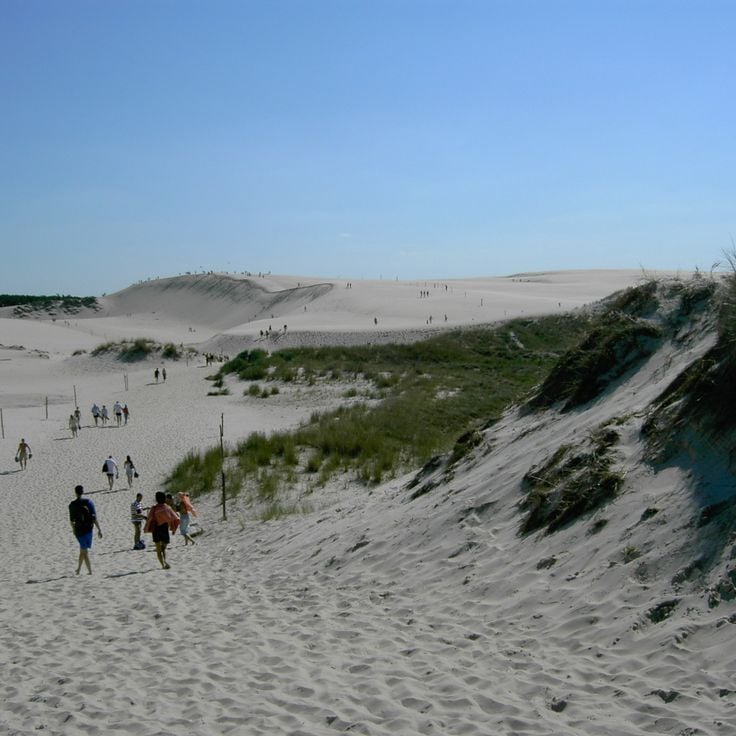
The Lacka Dunes near Leba are part of the Slowinski National Park and showcase a distinctive feature of the Pomeranian coast. These sand dunes shift and change constantly due to wind and the natural movement of sand. They formed through natural processes over a long period and today create a landscape that continuously reshapes itself. Visitors can see how nature works continuously here and how sand and wind form the land.
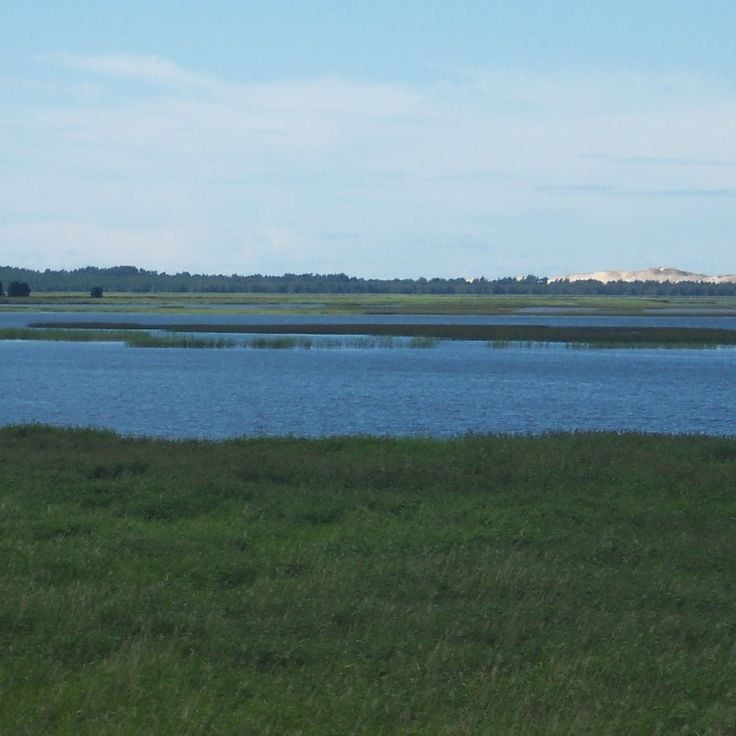
Lake Lebsko is an inland lake in the Pomeranian region, surrounded by marshes and connected to the Baltic Sea. This lake serves as a refuge for birds and migratory species that pass through the area. It is part of the natural landscape where water and wetlands meet. Visitors can observe species here that are rarely seen elsewhere in the region.
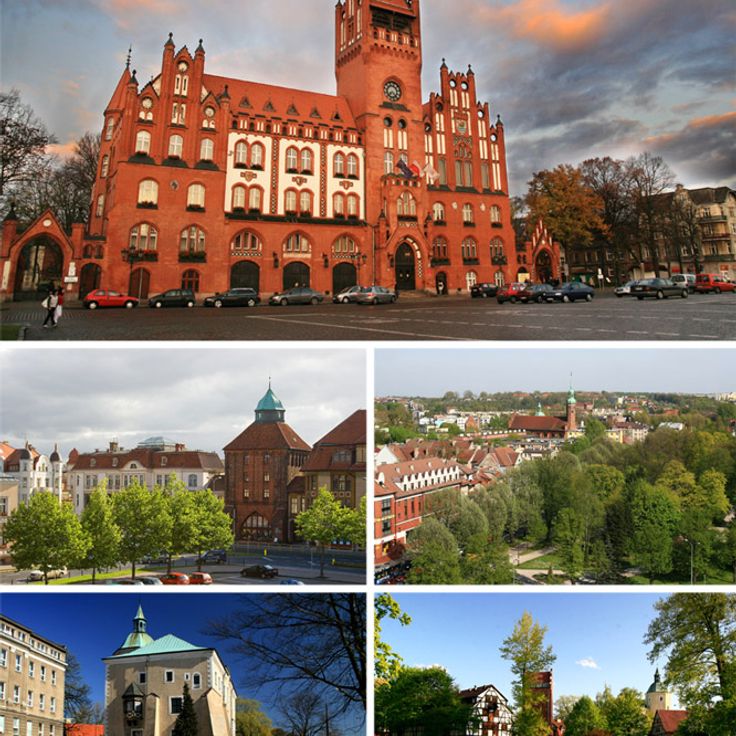
The historic center of Slupsk served for centuries as a trading point on the Pomeranian coast. The old town displays buildings from different periods, where Gothic churches stand alongside Baroque facades. Museums in this center house artworks and objects from the city's history. Walking through the streets reveals the life of local residents and how people use this space in their daily lives.
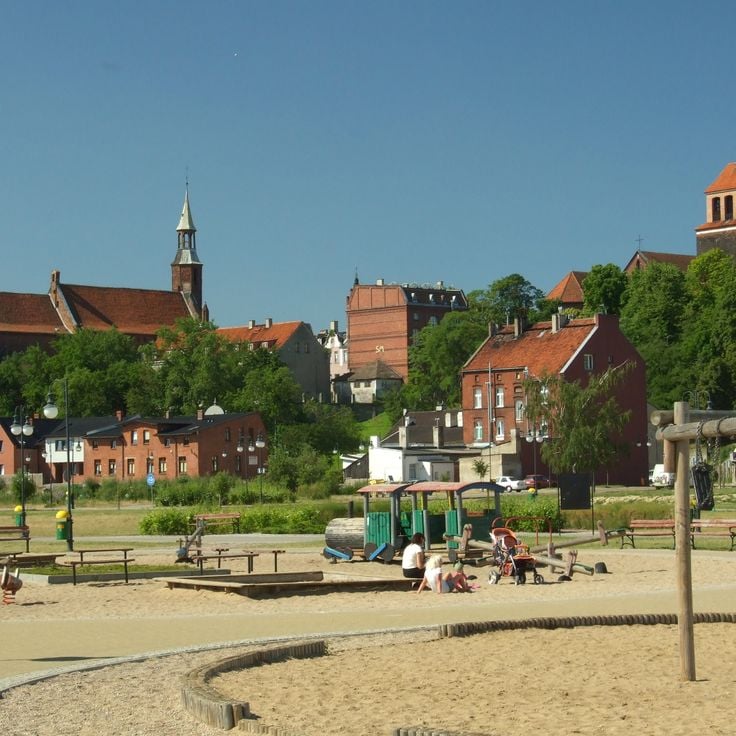
Tczew is a historic city in Pomerania situated along the Vistula River. The city grew up in this location because of the river's strategic importance. You can see old bridges and fortifications that survive from its past. Several local museums tell the story of the region's history. The river has always been central to Tczew's role as a trading and defensive position. Walking through the city, you notice how the waterfront shapes its character and landscape.
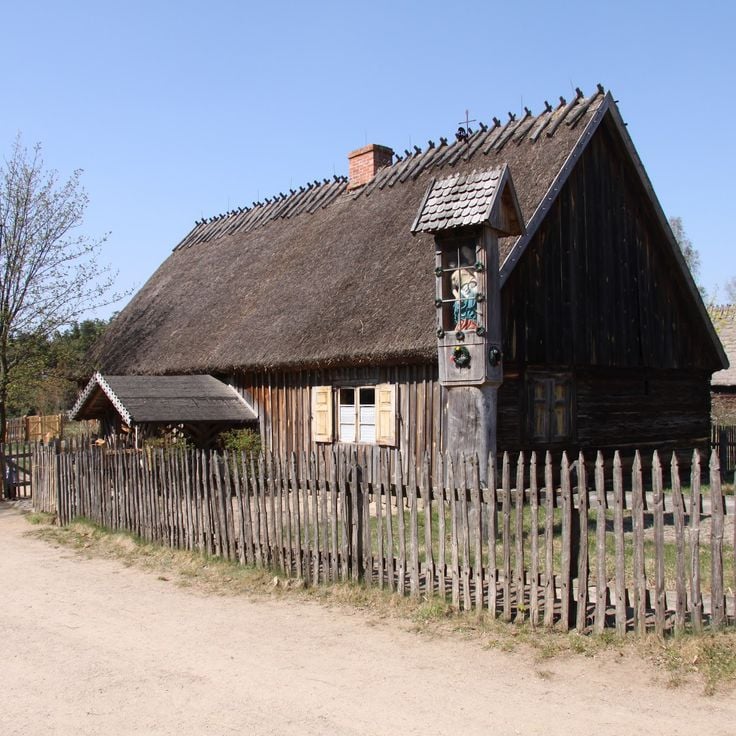
This open-air ethnographic museum in Wdzydze Kiszewskie displays the traditional life and culture of the Kashubian people through historic buildings set in a natural setting. Visitors walk among old houses, workshops, and religious structures that reveal how people lived and worked in earlier times. The museum holds furniture, clothing, tools, and objects used in daily life and religious practices. Through these buildings and collections, you can understand the Kashubian way of life and the traditions that shaped this community in Pomerania. The museum preserves knowledge of crafts and customs that remain important to the region's identity.
The Landscape Park of Kashubia sits in the Pomeranian region and shows what the northern landscape of Poland looks like. The park brings together lakes, forests, and traditional villages. Visitors can walk through and explore the nature that is typical of this area. Kashubian culture continues in the small settlements, where people follow old ways of life. The park is part of Pomerania's history and reveals how the land appeared many centuries ago.
Stary Rynek is the central market square of Poznan, surrounded by Renaissance buildings that reflect the city's prosperous past. The Town Hall stands at the center of the square and served as the administrative hub during the time when Poznan was an important trading center. The square remains a gathering place for locals and visitors, with cafes and shops that shape daily life.
The Town Hall of Poznan is a Renaissance building from the 16th century that stands above the market square. It shows the time when Poznan was an important trading center. The historic interiors of the Town Hall tell the story of the city's prosperity. Visitors can see how wealthy merchants and city councilors conducted their business here and made decisions that shaped the city's future.
Ostrow Tumski is the historic island of Poznan where the roots of medieval Poland were planted. Here stands the cathedral where the first Polish kings were crowned. The island contains several ancient churches that tell the story of this place's religious importance in the early kingdom. You can walk through narrow streets and view the Gothic and Romanesque architecture of the buildings. The island blends history with daily life, as residents of Poznan stroll here to explore and connect with the past.
The Trakt Krolewski in Gniezno is a historic path that connects important sites throughout the city. This route passes through Poland's ancient capital and reveals traces from the early days of the kingdom. The path links churches, historical buildings, and squares significant to Poland's medieval origins. Visitors walk the same routes once traveled by kings and pilgrims. The Trakt Krolewski tells the story of Gniezno as the birthplace of the Polish nation.
Brama Poznania is an interactive museum in a modern building devoted to the history and culture of Poznan. It connects the past of this historic city with contemporary exhibition spaces. The museum sheds light on Poznan's development from its early days to the present, showing how the city became an important trade center. Visitors can discover here the stories that shaped Poznan.
The Imperial Palace in Poznan is a royal residence from the 19th century that reflects the power and wealth of its era. Inside are rooms with ornate decorations and art collections that speak to the importance of this place in Polish history. The palace sits in a city that has been a center of commerce and political authority for centuries, contributing to the understanding of how Greater Poland developed.
Wielkopolski National Park sits near Poznan and features forests, lakes, and hiking trails. This park is part of the natural landscape of Greater Poland and invites visitors to explore the northern regions. The paths lead through different ecosystems and show the diversity of nature in this area.
The Old Town of Poznan was once the heart of a thriving trading city. The town hall stands on the medieval market square, surrounded by colorful townhouses. The streets still show how the city looked in the Middle Ages. People walk through the lanes, sit in cafes around the square, and use the space as it was used before - as a place to trade, meet, and live.
The Cathedral of Gniezno is a Gothic basilica from the 14th century and the spiritual heart of Poland. It served as the seat of the archbishopric and was the place where Polish kings were crowned. The cathedral shapes the city and stands as a reminder of when Gniezno was the center of the early Polish kingdom. Within this collection of sites across Great Poland and Pomerania that tell the story of Poland's history, the cathedral represents a key mark of the nation's medieval origins.
The Long Market in Gdansk is one of the most important squares in Poland. It was once the center of trade and wealth for the city. The colorful facades around the square remind visitors of when Gdansk was a major trading gateway to the Baltic Sea. The houses show Renaissance style and tell the story of a prosperous port city. The square is now where people gather, where history meets modern life.
Ostrow Lednicki is an island with roots in Poland's medieval past. The ruins of a castle and chapel still stand here, giving visitors a sense of how this place served an important purpose during the early centuries of the Polish state. Excavations on the island have uncovered artifacts and structures that tell the story of life in this region.
The Archaeological Museum of Biskupin preserves a settlement from the Iron Age that stood here about 2500 years ago. Archaeologists have reconstructed parts of the old village and its fortifications so visitors can see how people lived at that time. The museum is located in Greater Poland, where the history of Poland took shape. Here you can understand how early communities built their homes and farmed their land.
Kórnik Castle is a neogothic castle in Greater Poland, set within a large arboretum of rare trees and shrubs. The castle holds art collections and a historical library containing valuable books and documents. The surrounding park invites visitors to walk through gardens and woodlands that reflect the character of the region.
Rogalin Palace is a Baroque residence in Greater Poland, situated within a park of ancient oak trees. The palace served as the seat of an aristocratic family and displays the architecture and lifestyle of the nobility from that era. The monumental oaks surrounding the palace rank among the region's most notable trees. The estate offers insight into rural life in Poland during the Baroque period.
Sopot is a seaside resort on the Baltic coast where sandy beaches, tree-lined promenades, and Belle Époque buildings create a relaxed setting. The wide beach stretches along the shore and offers space for walking and enjoying the sea air. The Grand Hotel stands as an elegant landmark with its early 1900s architecture. The wooden pier extends into the water, providing views over the bay. This town developed as a destination for visitors seeking rest and leisure, and it has kept much of that character. The rhythm of the place slows down along the waterfront, where locals and travelers mix.
Malta Lake is an urban lake in Poznan where residents and visitors find space to relax and enjoy outdoor activities. Beaches and parks line the water, inviting people to swim, walk, and spend time in nature. The lake sits near Poznan's market square and old town, showing how nature blends into this historic city in Greater Poland, a region where important trading centers and royal coronation sites once thrived.
Rue Mariacka is a paved street in Gdansk lined with colorful houses. Each house has an inner courtyard and ground-floor shops. This street shows how wealthy Gdansk was when it thrived as a port city. It sits next to the Long Market, another important area of the city. The colorful facades reflect different periods when merchants and craftspeople made their homes and businesses here.
Westerplatte is where Nazi Germany launched its first attack, marking the start of World War II. Located in Gdansk, this site holds monuments and an open-air museum that honor the brief but fierce battle fought here. Visitors can see remnants of bunkers and walls from the defense. Walking through the grounds, you understand how the war began and the people who fought to hold this position.
The pier of Sopot stretches into the Baltic Sea on wooden planks, taking visitors far from shore. This is where the city meets the water, and you can stand above the waves while looking out toward the horizon. The wind here is almost constant, and the space feels open and exposed. Walking to the end, you experience what drew people to build this connection between land and sea.
Bytow Castle is a Gothic fortress built in the 14th century in the Pomeranian region. Its walls and defensive moats show how rulers once displayed their power in this northern territory. Today the castle houses a museum that tells the story of Pomerania's past. This fortress connects to other landmarks across the region, from Danzig's merchant quarters to the Teutonic Knights' strongholds, all shaping the character of northern Poland.
The Aquarium of Gdynia showcases marine life from the Baltic Sea and tropical oceans. Visitors can observe fish, marine mammals, and other water creatures that inhabit different environments. The tanks display how varied the world's seas are and what species live in them. Located in the port city of Gdynia on the coast of Pomerania, the aquarium deepens understanding of the Baltic Sea that shapes this region.
The ORP Blyskawica is a warship museum in Gdynia's harbor. This former Polish destroyer now serves as a floating museum that visitors can explore from top to bottom. You can walk through the spaces where sailors lived and worked, seeing how they managed life aboard ship. The vessel tells the story of the Polish Navy and its actions during World War II. From the deck, you have views of the harbor and the daily activity of the port.
The European Center of Solidarnosc in Gdansk tells the story of the Solidarnosc movement and the end of communism in Eastern Europe. The museum shows how workers in Gdansk's shipyards rose up against the regime. Visitors learn about Lech Walesa and the strikes that changed Poland. The exhibition displays documents, photographs, and personal objects from that period. The building itself symbolizes resistance through its architecture.
Malbork Castle is Europe's largest brick fortress. The Teutonic Knights built this castle in the 13th century on the banks of the Nogat River. Today it stands as a UNESCO World Heritage Site and tells the story of the Knights' rule in this part of Pomerania. The red brick walls rise above the plain, showing the military power that once came from this place.
Slowinski National Park near Leba protects a coast shaped by wind and water. Moving dunes are the park's defining feature, shifting several meters each year. Beyond the dunes lie lakes, marshes, and forests that form a complete ecosystem. The park is a UNESCO World Heritage site because of this rare landscape. Birds, deer, and other wildlife find shelter in the different habitats. Paths lead visitors through forests and along the dunes to see how nature reshapes itself over time.
Kwidzyn Castle is a medieval fortress built by the Teutonic Knights. The complex includes a castle, towers, and courtyards that stand as evidence of the order's power in the region. This monument is one of the most important structures in Pomerania and shows how the Teutonic Knights left their mark on these lands through imposing brick architecture.
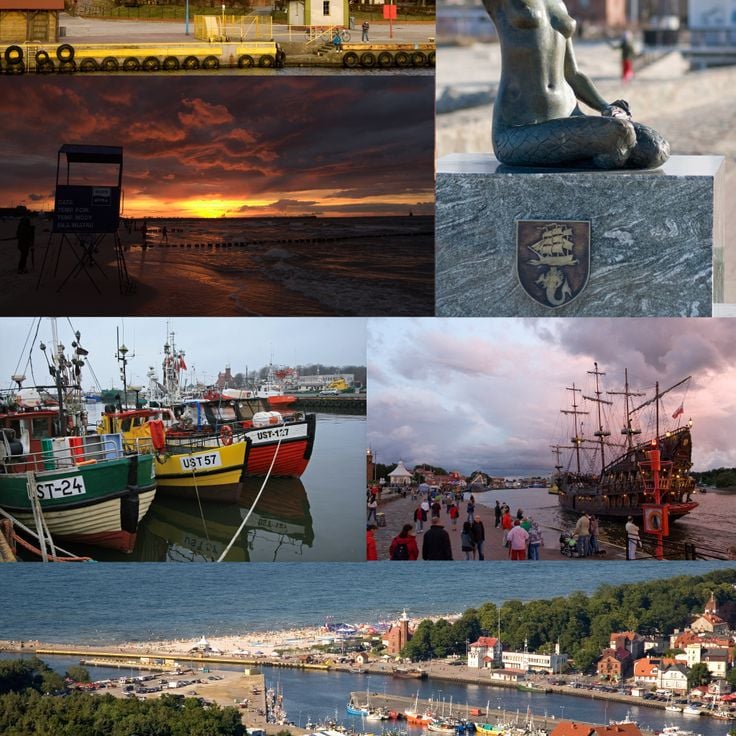
The center and port of Hel are part of this collection of 35 places across Greater Poland and Pomerania, two regions in the north where Polish history took shape. This small fishing harbor shows life on the Baltic coast with colorful houses, seafood restaurants, and the rhythm of daily life by the sea. Hel sits on a narrow peninsula that stretches into the Baltic Sea.
Jastarnia is located on the Hel Peninsula and serves as a seaside resort with beaches and older villas. The town shows how life along the Baltic coast developed over time. Visitors find long beaches where wind is nearly constant and houses from earlier periods that tell the story of the region's port towns.
The Hel Peninsula is a long strip of land that stretches into the Baltic Sea in northern Poland. Sand dunes and beaches line its shores, shaped by wind and water over centuries. Walking trails run along the coast, offering views of the sea and the surrounding landscape. The wind blows almost constantly here, and the beaches often feel empty and wild. This peninsula is part of the Pomeranian region where maritime history and natural beauty coexist.
The Bory Tucholskie UNESCO Biosphere Reserve protects forests, lakes, and wildlife in this region of Pomerania. It is part of the global network of UNESCO biosphere reserves that safeguard natural habitats. Visitors can paddle by canoe or walk on trails through the landscape. The forests and lakes shape the character of this area in northern Poland. You will find quiet spaces among trees and water.
Wladyslawowo is a seaside resort on the Pomeranian coast of the Baltic Sea. The wide sandy beaches and fishing ports define this coastal settlement. From here, visitors can explore the bays and beaches along the Baltic shore. The town combines the life of fishing communities with opportunities for those who want to experience the coastal landscape and the sea.
Leba is a small fishing port on the Baltic coast of Pomerania. The town serves as the gateway to Slowinski National Park with its distinctive drifting dunes. The harbor shapes daily life here, with fishing and tourism marking the rhythm of the seasons. The park's dunes shift constantly in the wind, creating an ever-changing landscape of sand and sparse vegetation. Visitors come to experience this raw coastal terrain and walk the trails through the shifting dunes.
Ustka is a seaside resort on the Baltic coast where visitors can enjoy beaches, a marina, and walks along the waterfront. Located in Pomerania, a region shaped by maritime trade history, the town sits between the historic cities of the area. The promenade offers views of the sea, while the marina accommodates boats. The beach runs along the shore and invites visitors to stroll.
Kościerzyna is a small town in the Kashubian region of Pomerania. It sits in an area shaped by forests and lakes. The town serves as a base for learning about Kashubian culture. Visitors can explore nearby villages, traditional crafts, and natural landscapes from here. Kościerzyna offers insight into the life and traditions of local people, reflected in the architecture, crafts, and food of the region.
The Lacka Dunes near Leba are part of the Slowinski National Park and showcase a distinctive feature of the Pomeranian coast. These sand dunes shift and change constantly due to wind and the natural movement of sand. They formed through natural processes over a long period and today create a landscape that continuously reshapes itself. Visitors can see how nature works continuously here and how sand and wind form the land.
Lake Lebsko is an inland lake in the Pomeranian region, surrounded by marshes and connected to the Baltic Sea. This lake serves as a refuge for birds and migratory species that pass through the area. It is part of the natural landscape where water and wetlands meet. Visitors can observe species here that are rarely seen elsewhere in the region.
The historic center of Slupsk served for centuries as a trading point on the Pomeranian coast. The old town displays buildings from different periods, where Gothic churches stand alongside Baroque facades. Museums in this center house artworks and objects from the city's history. Walking through the streets reveals the life of local residents and how people use this space in their daily lives.
Tczew is a historic city in Pomerania situated along the Vistula River. The city grew up in this location because of the river's strategic importance. You can see old bridges and fortifications that survive from its past. Several local museums tell the story of the region's history. The river has always been central to Tczew's role as a trading and defensive position. Walking through the city, you notice how the waterfront shapes its character and landscape.
This open-air ethnographic museum in Wdzydze Kiszewskie displays the traditional life and culture of the Kashubian people through historic buildings set in a natural setting. Visitors walk among old houses, workshops, and religious structures that reveal how people lived and worked in earlier times. The museum holds furniture, clothing, tools, and objects used in daily life and religious practices. Through these buildings and collections, you can understand the Kashubian way of life and the traditions that shaped this community in Pomerania. The museum preserves knowledge of crafts and customs that remain important to the region's identity.
The Landscape Park of Kashubia sits in the Pomeranian region and shows what the northern landscape of Poland looks like. The park brings together lakes, forests, and traditional villages. Visitors can walk through and explore the nature that is typical of this area. Kashubian culture continues in the small settlements, where people follow old ways of life. The park is part of Pomerania's history and reveals how the land appeared many centuries ago.
Stary Rynek is the central market square of Poznan, surrounded by Renaissance buildings that reflect the city's prosperous past. The Town Hall stands at the center of the square and served as the administrative hub during the time when Poznan was an important trading center. The square remains a gathering place for locals and visitors, with cafes and shops that shape daily life.
The Town Hall of Poznan is a Renaissance building from the 16th century that stands above the market square. It shows the time when Poznan was an important trading center. The historic interiors of the Town Hall tell the story of the city's prosperity. Visitors can see how wealthy merchants and city councilors conducted their business here and made decisions that shaped the city's future.
Ostrow Tumski is the historic island of Poznan where the roots of medieval Poland were planted. Here stands the cathedral where the first Polish kings were crowned. The island contains several ancient churches that tell the story of this place's religious importance in the early kingdom. You can walk through narrow streets and view the Gothic and Romanesque architecture of the buildings. The island blends history with daily life, as residents of Poznan stroll here to explore and connect with the past.
The Trakt Krolewski in Gniezno is a historic path that connects important sites throughout the city. This route passes through Poland's ancient capital and reveals traces from the early days of the kingdom. The path links churches, historical buildings, and squares significant to Poland's medieval origins. Visitors walk the same routes once traveled by kings and pilgrims. The Trakt Krolewski tells the story of Gniezno as the birthplace of the Polish nation.
Brama Poznania is an interactive museum in a modern building devoted to the history and culture of Poznan. It connects the past of this historic city with contemporary exhibition spaces. The museum sheds light on Poznan's development from its early days to the present, showing how the city became an important trade center. Visitors can discover here the stories that shaped Poznan.
The Imperial Palace in Poznan is a royal residence from the 19th century that reflects the power and wealth of its era. Inside are rooms with ornate decorations and art collections that speak to the importance of this place in Polish history. The palace sits in a city that has been a center of commerce and political authority for centuries, contributing to the understanding of how Greater Poland developed.
Wielkopolski National Park sits near Poznan and features forests, lakes, and hiking trails. This park is part of the natural landscape of Greater Poland and invites visitors to explore the northern regions. The paths lead through different ecosystems and show the diversity of nature in this area.
The Old Town of Poznan was once the heart of a thriving trading city. The town hall stands on the medieval market square, surrounded by colorful townhouses. The streets still show how the city looked in the Middle Ages. People walk through the lanes, sit in cafes around the square, and use the space as it was used before - as a place to trade, meet, and live.
The Cathedral of Gniezno is a Gothic basilica from the 14th century and the spiritual heart of Poland. It served as the seat of the archbishopric and was the place where Polish kings were crowned. The cathedral shapes the city and stands as a reminder of when Gniezno was the center of the early Polish kingdom. Within this collection of sites across Great Poland and Pomerania that tell the story of Poland's history, the cathedral represents a key mark of the nation's medieval origins.
The Long Market in Gdansk is one of the most important squares in Poland. It was once the center of trade and wealth for the city. The colorful facades around the square remind visitors of when Gdansk was a major trading gateway to the Baltic Sea. The houses show Renaissance style and tell the story of a prosperous port city. The square is now where people gather, where history meets modern life.
Ostrow Lednicki is an island with roots in Poland's medieval past. The ruins of a castle and chapel still stand here, giving visitors a sense of how this place served an important purpose during the early centuries of the Polish state. Excavations on the island have uncovered artifacts and structures that tell the story of life in this region.
The Archaeological Museum of Biskupin preserves a settlement from the Iron Age that stood here about 2500 years ago. Archaeologists have reconstructed parts of the old village and its fortifications so visitors can see how people lived at that time. The museum is located in Greater Poland, where the history of Poland took shape. Here you can understand how early communities built their homes and farmed their land.
Kórnik Castle is a neogothic castle in Greater Poland, set within a large arboretum of rare trees and shrubs. The castle holds art collections and a historical library containing valuable books and documents. The surrounding park invites visitors to walk through gardens and woodlands that reflect the character of the region.
Rogalin Palace is a Baroque residence in Greater Poland, situated within a park of ancient oak trees. The palace served as the seat of an aristocratic family and displays the architecture and lifestyle of the nobility from that era. The monumental oaks surrounding the palace rank among the region's most notable trees. The estate offers insight into rural life in Poland during the Baroque period.
Sopot is a seaside resort on the Baltic coast where sandy beaches, tree-lined promenades, and Belle Époque buildings create a relaxed setting. The wide beach stretches along the shore and offers space for walking and enjoying the sea air. The Grand Hotel stands as an elegant landmark with its early 1900s architecture. The wooden pier extends into the water, providing views over the bay. This town developed as a destination for visitors seeking rest and leisure, and it has kept much of that character. The rhythm of the place slows down along the waterfront, where locals and travelers mix.
Malta Lake is an urban lake in Poznan where residents and visitors find space to relax and enjoy outdoor activities. Beaches and parks line the water, inviting people to swim, walk, and spend time in nature. The lake sits near Poznan's market square and old town, showing how nature blends into this historic city in Greater Poland, a region where important trading centers and royal coronation sites once thrived.
Rue Mariacka is a paved street in Gdansk lined with colorful houses. Each house has an inner courtyard and ground-floor shops. This street shows how wealthy Gdansk was when it thrived as a port city. It sits next to the Long Market, another important area of the city. The colorful facades reflect different periods when merchants and craftspeople made their homes and businesses here.
Westerplatte is where Nazi Germany launched its first attack, marking the start of World War II. Located in Gdansk, this site holds monuments and an open-air museum that honor the brief but fierce battle fought here. Visitors can see remnants of bunkers and walls from the defense. Walking through the grounds, you understand how the war began and the people who fought to hold this position.
The pier of Sopot stretches into the Baltic Sea on wooden planks, taking visitors far from shore. This is where the city meets the water, and you can stand above the waves while looking out toward the horizon. The wind here is almost constant, and the space feels open and exposed. Walking to the end, you experience what drew people to build this connection between land and sea.
Bytow Castle is a Gothic fortress built in the 14th century in the Pomeranian region. Its walls and defensive moats show how rulers once displayed their power in this northern territory. Today the castle houses a museum that tells the story of Pomerania's past. This fortress connects to other landmarks across the region, from Danzig's merchant quarters to the Teutonic Knights' strongholds, all shaping the character of northern Poland.
The Aquarium of Gdynia showcases marine life from the Baltic Sea and tropical oceans. Visitors can observe fish, marine mammals, and other water creatures that inhabit different environments. The tanks display how varied the world's seas are and what species live in them. Located in the port city of Gdynia on the coast of Pomerania, the aquarium deepens understanding of the Baltic Sea that shapes this region.
The ORP Blyskawica is a warship museum in Gdynia's harbor. This former Polish destroyer now serves as a floating museum that visitors can explore from top to bottom. You can walk through the spaces where sailors lived and worked, seeing how they managed life aboard ship. The vessel tells the story of the Polish Navy and its actions during World War II. From the deck, you have views of the harbor and the daily activity of the port.
The European Center of Solidarnosc in Gdansk tells the story of the Solidarnosc movement and the end of communism in Eastern Europe. The museum shows how workers in Gdansk's shipyards rose up against the regime. Visitors learn about Lech Walesa and the strikes that changed Poland. The exhibition displays documents, photographs, and personal objects from that period. The building itself symbolizes resistance through its architecture.
Malbork Castle is Europe's largest brick fortress. The Teutonic Knights built this castle in the 13th century on the banks of the Nogat River. Today it stands as a UNESCO World Heritage Site and tells the story of the Knights' rule in this part of Pomerania. The red brick walls rise above the plain, showing the military power that once came from this place.
Slowinski National Park near Leba protects a coast shaped by wind and water. Moving dunes are the park's defining feature, shifting several meters each year. Beyond the dunes lie lakes, marshes, and forests that form a complete ecosystem. The park is a UNESCO World Heritage site because of this rare landscape. Birds, deer, and other wildlife find shelter in the different habitats. Paths lead visitors through forests and along the dunes to see how nature reshapes itself over time.
Kwidzyn Castle is a medieval fortress built by the Teutonic Knights. The complex includes a castle, towers, and courtyards that stand as evidence of the order's power in the region. This monument is one of the most important structures in Pomerania and shows how the Teutonic Knights left their mark on these lands through imposing brick architecture.
The center and port of Hel are part of this collection of 35 places across Greater Poland and Pomerania, two regions in the north where Polish history took shape. This small fishing harbor shows life on the Baltic coast with colorful houses, seafood restaurants, and the rhythm of daily life by the sea. Hel sits on a narrow peninsula that stretches into the Baltic Sea.
Jastarnia is located on the Hel Peninsula and serves as a seaside resort with beaches and older villas. The town shows how life along the Baltic coast developed over time. Visitors find long beaches where wind is nearly constant and houses from earlier periods that tell the story of the region's port towns.
The Hel Peninsula is a long strip of land that stretches into the Baltic Sea in northern Poland. Sand dunes and beaches line its shores, shaped by wind and water over centuries. Walking trails run along the coast, offering views of the sea and the surrounding landscape. The wind blows almost constantly here, and the beaches often feel empty and wild. This peninsula is part of the Pomeranian region where maritime history and natural beauty coexist.
The Bory Tucholskie UNESCO Biosphere Reserve protects forests, lakes, and wildlife in this region of Pomerania. It is part of the global network of UNESCO biosphere reserves that safeguard natural habitats. Visitors can paddle by canoe or walk on trails through the landscape. The forests and lakes shape the character of this area in northern Poland. You will find quiet spaces among trees and water.
Wladyslawowo is a seaside resort on the Pomeranian coast of the Baltic Sea. The wide sandy beaches and fishing ports define this coastal settlement. From here, visitors can explore the bays and beaches along the Baltic shore. The town combines the life of fishing communities with opportunities for those who want to experience the coastal landscape and the sea.
Leba is a small fishing port on the Baltic coast of Pomerania. The town serves as the gateway to Slowinski National Park with its distinctive drifting dunes. The harbor shapes daily life here, with fishing and tourism marking the rhythm of the seasons. The park's dunes shift constantly in the wind, creating an ever-changing landscape of sand and sparse vegetation. Visitors come to experience this raw coastal terrain and walk the trails through the shifting dunes.
Ustka is a seaside resort on the Baltic coast where visitors can enjoy beaches, a marina, and walks along the waterfront. Located in Pomerania, a region shaped by maritime trade history, the town sits between the historic cities of the area. The promenade offers views of the sea, while the marina accommodates boats. The beach runs along the shore and invites visitors to stroll.
Kościerzyna is a small town in the Kashubian region of Pomerania. It sits in an area shaped by forests and lakes. The town serves as a base for learning about Kashubian culture. Visitors can explore nearby villages, traditional crafts, and natural landscapes from here. Kościerzyna offers insight into the life and traditions of local people, reflected in the architecture, crafts, and food of the region.
The Lacka Dunes near Leba are part of the Slowinski National Park and showcase a distinctive feature of the Pomeranian coast. These sand dunes shift and change constantly due to wind and the natural movement of sand. They formed through natural processes over a long period and today create a landscape that continuously reshapes itself. Visitors can see how nature works continuously here and how sand and wind form the land.
Lake Lebsko is an inland lake in the Pomeranian region, surrounded by marshes and connected to the Baltic Sea. This lake serves as a refuge for birds and migratory species that pass through the area. It is part of the natural landscape where water and wetlands meet. Visitors can observe species here that are rarely seen elsewhere in the region.
The historic center of Slupsk served for centuries as a trading point on the Pomeranian coast. The old town displays buildings from different periods, where Gothic churches stand alongside Baroque facades. Museums in this center house artworks and objects from the city's history. Walking through the streets reveals the life of local residents and how people use this space in their daily lives.
Tczew is a historic city in Pomerania situated along the Vistula River. The city grew up in this location because of the river's strategic importance. You can see old bridges and fortifications that survive from its past. Several local museums tell the story of the region's history. The river has always been central to Tczew's role as a trading and defensive position. Walking through the city, you notice how the waterfront shapes its character and landscape.
This open-air ethnographic museum in Wdzydze Kiszewskie displays the traditional life and culture of the Kashubian people through historic buildings set in a natural setting. Visitors walk among old houses, workshops, and religious structures that reveal how people lived and worked in earlier times. The museum holds furniture, clothing, tools, and objects used in daily life and religious practices. Through these buildings and collections, you can understand the Kashubian way of life and the traditions that shaped this community in Pomerania. The museum preserves knowledge of crafts and customs that remain important to the region's identity.
The Landscape Park of Kashubia sits in the Pomeranian region and shows what the northern landscape of Poland looks like. The park brings together lakes, forests, and traditional villages. Visitors can walk through and explore the nature that is typical of this area. Kashubian culture continues in the small settlements, where people follow old ways of life. The park is part of Pomerania's history and reveals how the land appeared many centuries ago.