See the monuments around you in AROpen chests in the app
Around Us is built for your phone — point your camera at the streets and discover the monuments and places around you in augmented reality.Around Us is built for your phone — chests unlock when you walk, explore and capture nearby places.
Poznań: medieval history, museums and nature in Poland
Poznań takes you through many centuries of its past. Walking around the city, you see old churches in different styles, squares surrounded by colorful houses, and walls that remind you of military times. Palaces and government buildings show how important Poznań has always been in Poland.
There is much to see and do. The museums welcome visitors to learn about art, history, and science. You can walk through neighborhoods where people live, visit the old island of Ostrów Tumski, or sit by the lake Malta. The Warta River runs through the city and its banks are nice for walking. In the center, the town hall, the National Museum, the Imperial Palace, and the Stare Miasto district show how Poznań has grown over time.
Whether you walk in the old streets, relax in green spaces, or visit the museums, Poznań slowly reveals itself to those who take the time to get to know it.
Poznań: medieval history, museums and nature in Poland
Poznań takes you through many centuries of its past. Walking around the city, you see old churches in different styles, squares surrounded by colorful houses, and walls that remind you of military times. Palaces and government buildings show how important Poznań has always been in Poland.
There is much to see and do. The museums welcome visitors to learn about art, history, and science. You can walk through neighborhoods where people live, visit the old island of Ostrów Tumski, or sit by the lake Malta. The Warta River runs through the city and its banks are nice for walking. In the center, the town hall, the National Museum, the Imperial Palace, and the Stare Miasto district show how Poznań has grown over time.
Whether you walk in the old streets, relax in green spaces, or visit the museums, Poznań slowly reveals itself to those who take the time to get to know it.
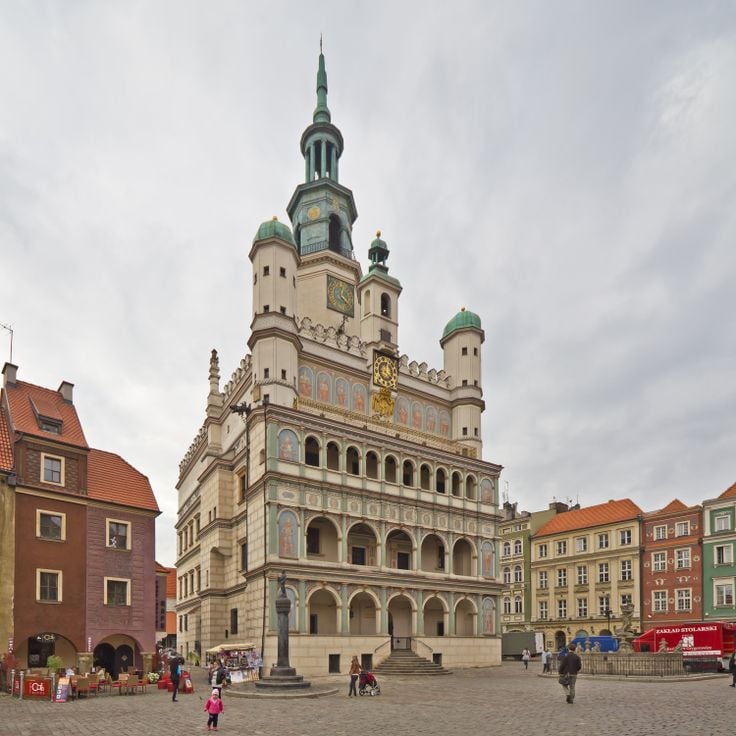
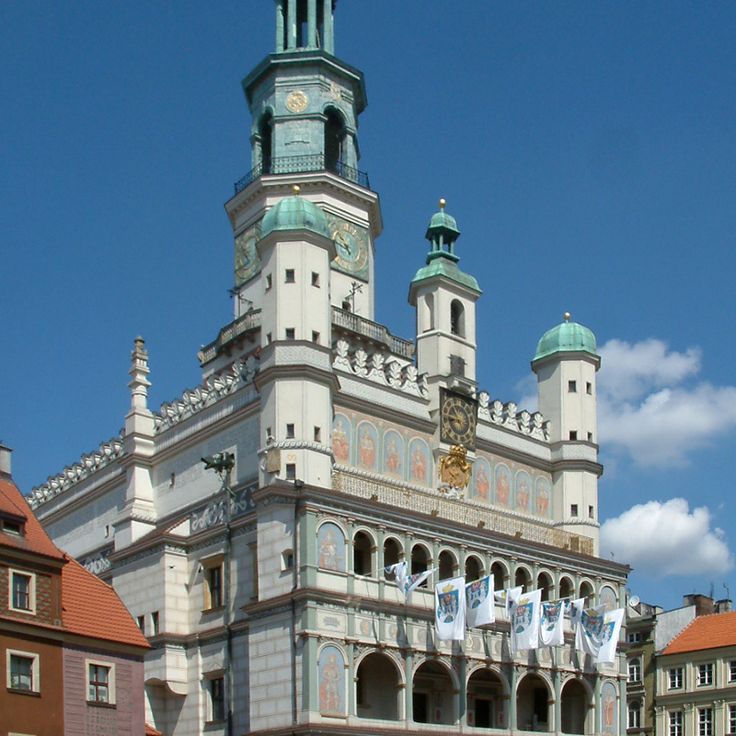
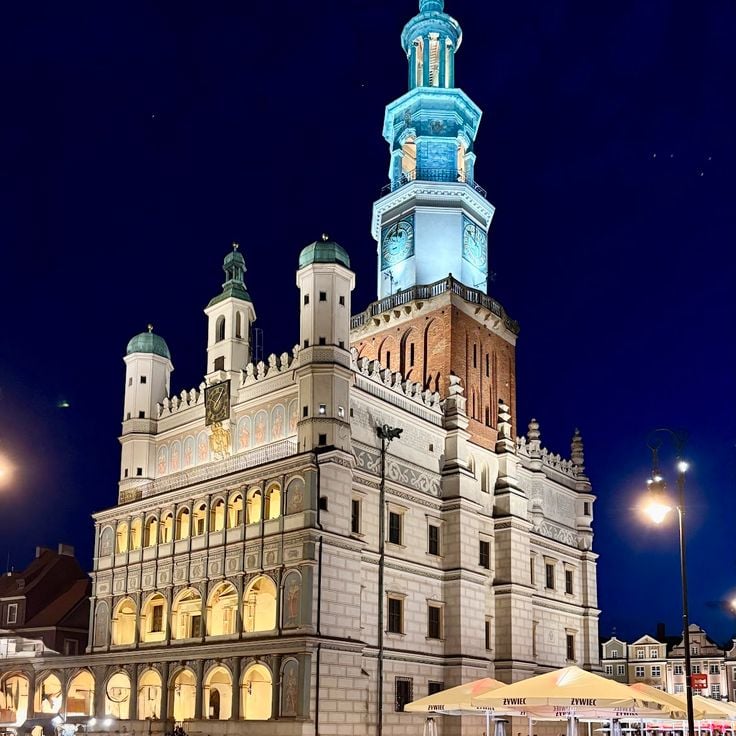
The Ratusz is the heart of Poznań and stands as a striking Renaissance building from the 16th century. Its decorated facade commands attention the moment you see it. At noon each day, the building's clock mechanism performs a distinctive spectacle: two metal goats clash against each other. This town hall sits at the center of the Old Town Square and reflects the enduring importance Poznań has held in Polish history. It represents not just an administrative center, but a symbol of the city's strength and identity through many centuries. Visitors often gather at midday to witness this curious mechanical display.
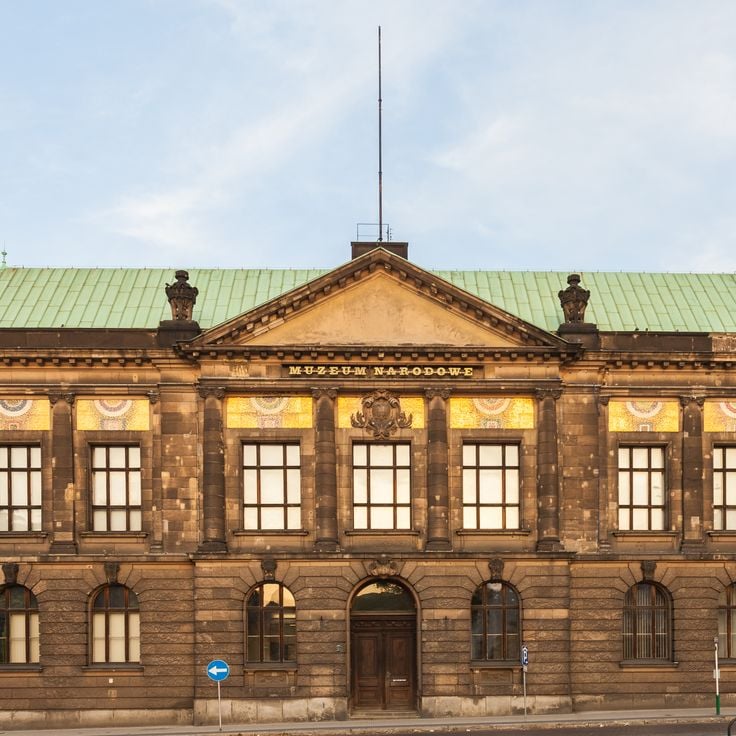
The Muzeum Narodowe in this medieval city displays artworks spanning many centuries. The collection includes paintings, sculptures, and decorative arts from Poland from the Middle Ages to the present day. Founded in 1857, the museum occupies a building that is itself an important part of the city's history. Here visitors can understand how Polish art has developed over time.
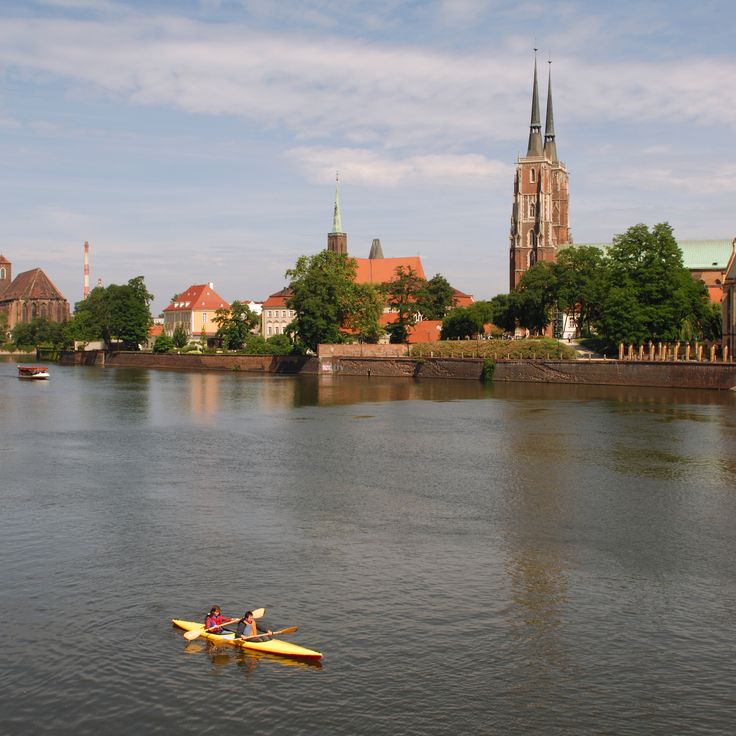
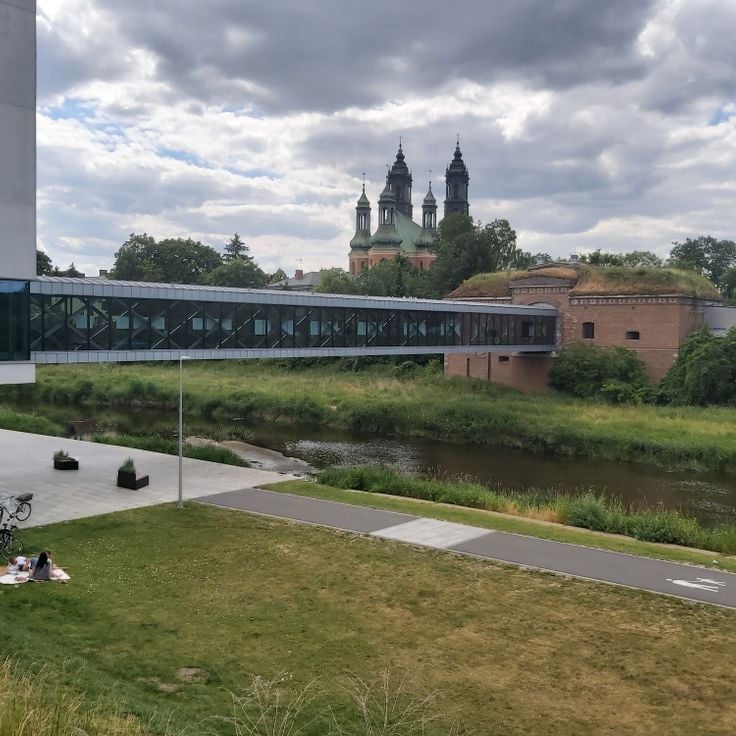
Ostrów Tumski is the oldest settlement of Poznań, dating back to the 10th century. You will find here the Cathedral of St. Peter and Paul, displaying Gothic and Baroque architectural styles. The island holds several religious buildings spread across its grounds along the Warta river. Ostrów Tumski tells the story of medieval Poznań's origins. Walking through its old streets and quiet setting, you can trace the religious and cultural growth of the city through the ages.
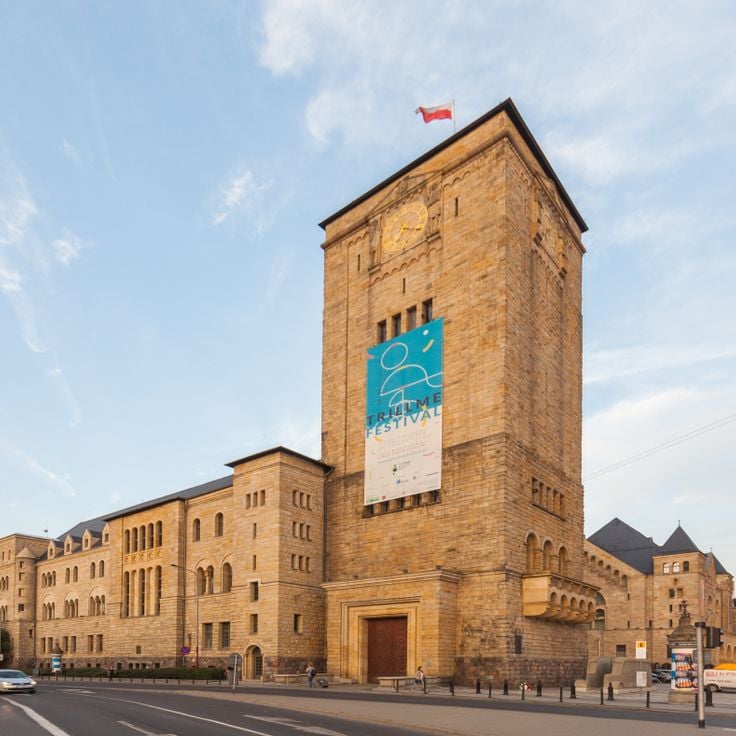
The Imperial Castle in Poznań is a striking residence built between 1905 and 1910 for Wilhelm II. The building features neo-Romanesque architecture with a sandstone facade and a commanding central tower. This castle tells the story of Poznań's importance during Prussian times and shows how the city was connected to the broader European powers of the era. Today, the castle stands as a significant point in Poznań's architectural landscape, allowing visitors to understand the political and cultural history of the region.
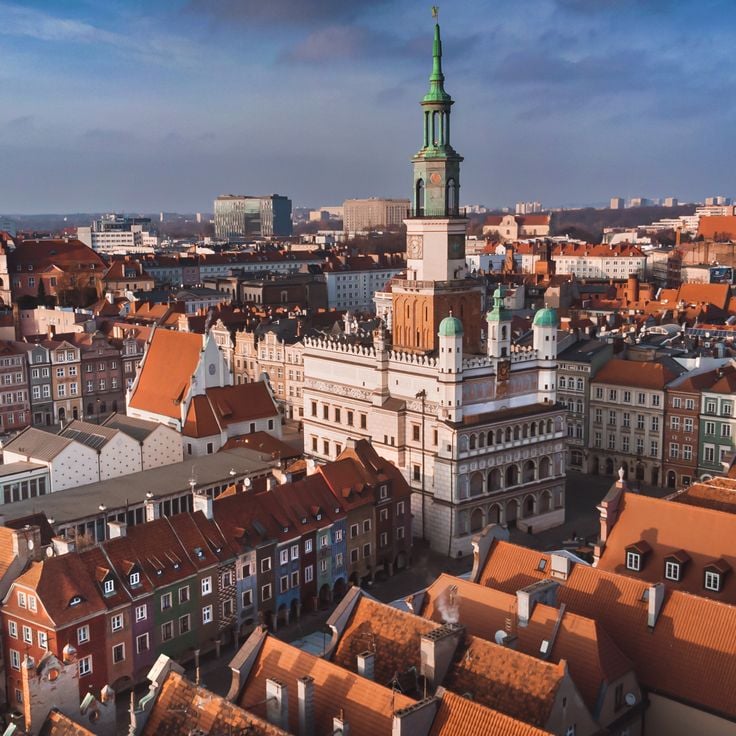
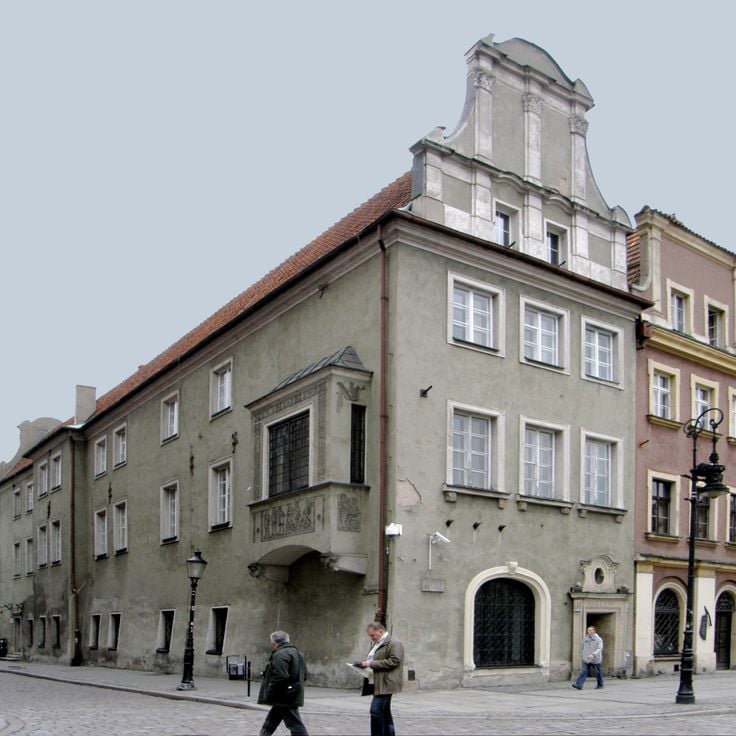
The Stare Miasto is the heart of Poznań, established in the 13th century. You walk through narrow streets and discover the historic market square surrounded by old merchant houses with colorful facades. This central district tells the story of Poznań's importance as a trading center and shows how the city has lived and changed over centuries.
Lake Malta is an artificial body of water in Poznań covering 64 hectares. The lake offers various activities for visitors and athletes. A ski slope serves winter sports enthusiasts, while water sports facilities invite swimmers and boaters. An athletics center is located nearby for track and field events. The lake regularly hosts international competitions, making it an important venue for sport in the city.
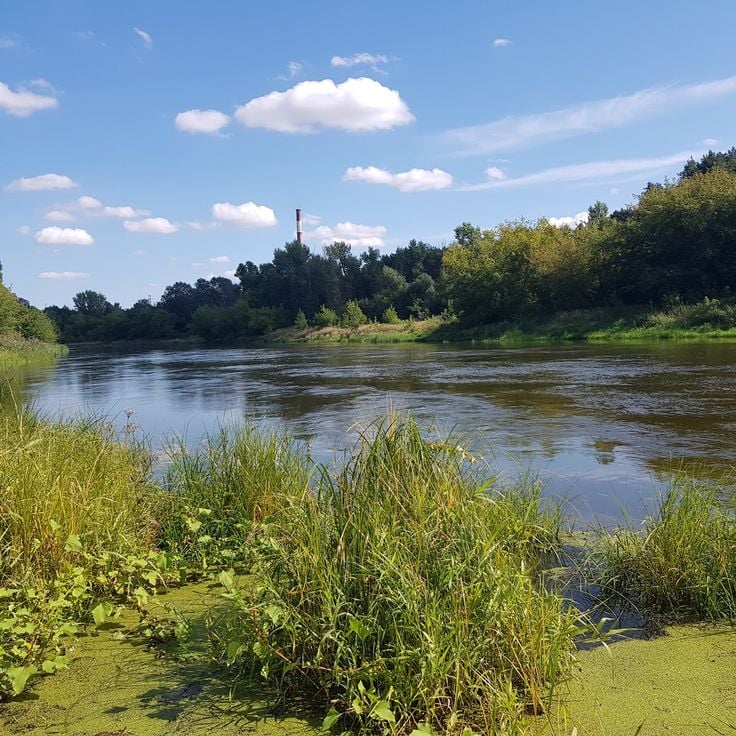
The Warta is the main river flowing through Poznań, dividing the city into two parts. Its banks have been developed with bicycle paths and green spaces where residents and visitors walk and cycle. The river shapes daily life in Poznań and offers a natural route for exploring the city on foot or by bike.
The Croissant Museum in Poznań shows the craftsmanship and history of Saint Martin's croissants, a local specialty from the city. Visitors can watch demonstrations of how this traditional pastry is made and learn about the techniques passed down through generations. This museum helps you understand how this sweet tradition has shaped Poznań and what role craftsmanship plays in local culture.
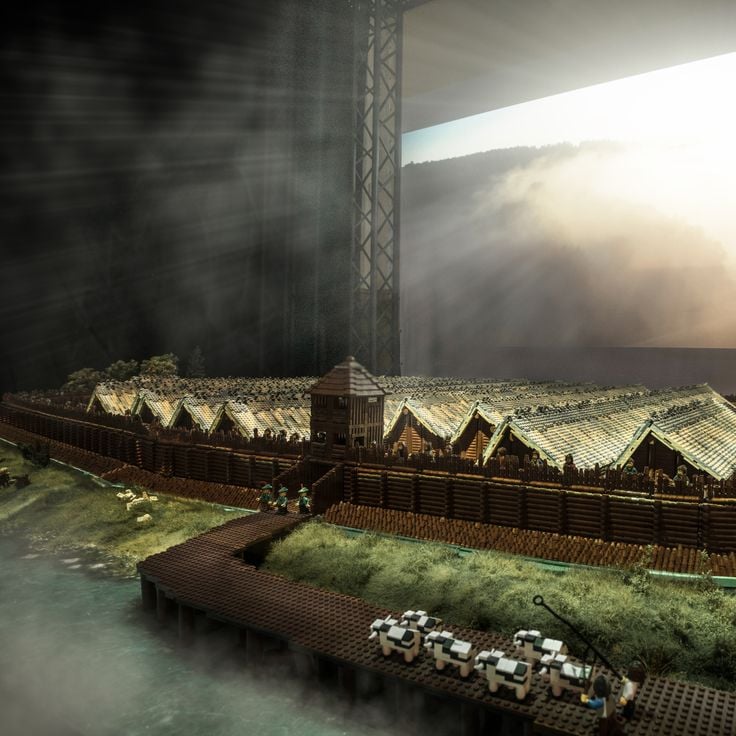
HistoryLand is an interactive center in Poznań that presents Poland's history through detailed models and installations built from LEGO. The venue tells the stories of important events and moments from Polish history, spanning from medieval times to the modern era. Visitors can explore the carefully constructed scenes and learn about the different periods that shaped the country. This is a place where history comes alive, offering something for all ages to understand Poland's development and major turning points.
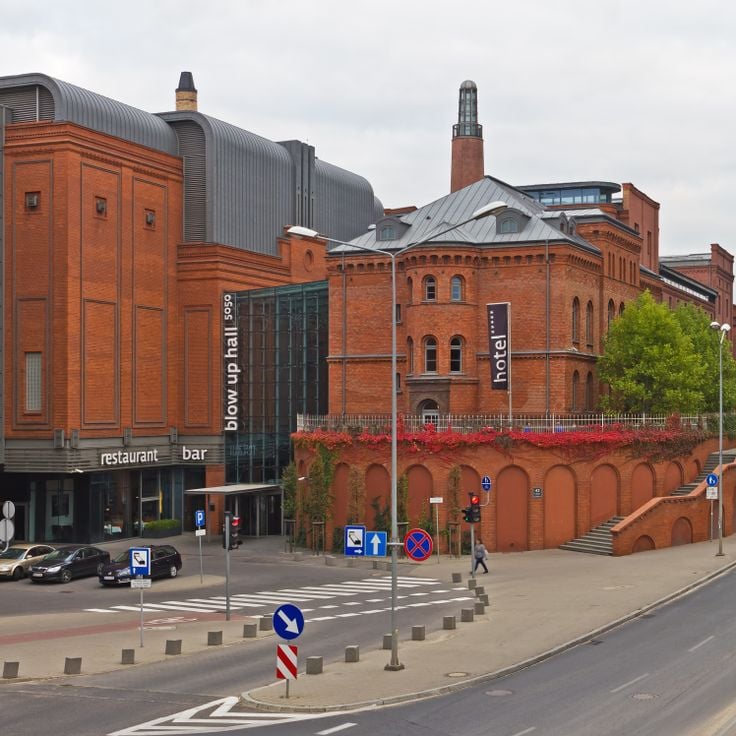
The Stary Browar is a commercial and artistic center housed in a brewery from 1876. This restored industrial building contains shops, art galleries and exhibition spaces. The place blends the craft heritage of the past with modern retail and cultural activities.
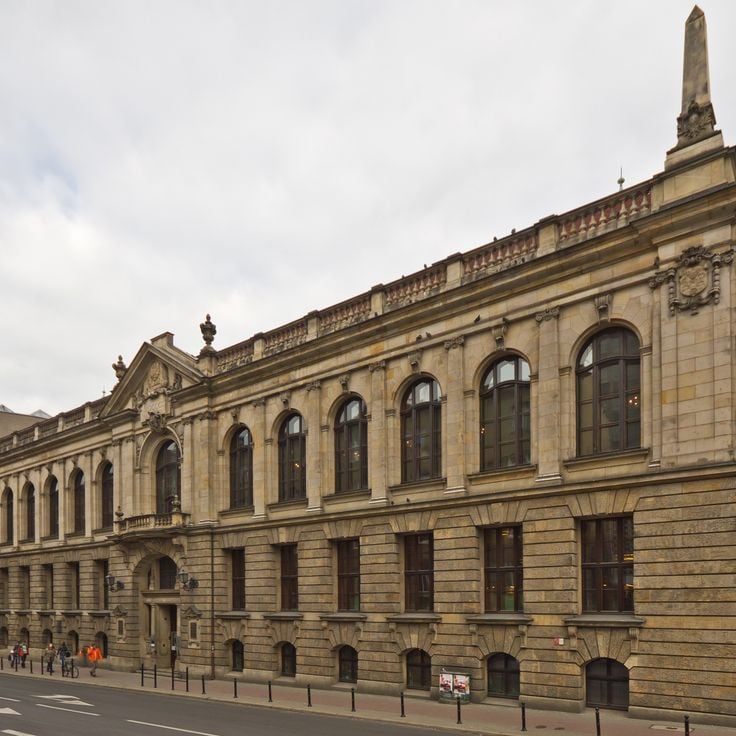
Adam Mickiewicz University in Poznań is an academic institution founded in 1919. The main building displays neoclassical architecture and stands out in the city with its refined facade. The university library holds an extensive collection of books and documents. This institution plays an important role in the academic life of the city and contributes to Poznań's cultural and intellectual development. Visitors can explore the historic buildings and scientific collections that reflect the long tradition of this university.
Srodka is a historic district on the east side of Poznan. Narrow streets wind through this area that was once a separate medieval suburb. Colorful houses from the 18th and 19th centuries line the streets, their facades telling stories of daily life over the centuries. Small restaurants here serve traditional Polish food. Walking through these streets gives you a sense of how Poznan looked and felt in earlier times. The quarter has kept its original character and offers a glimpse into the city's past through its buildings and layout.
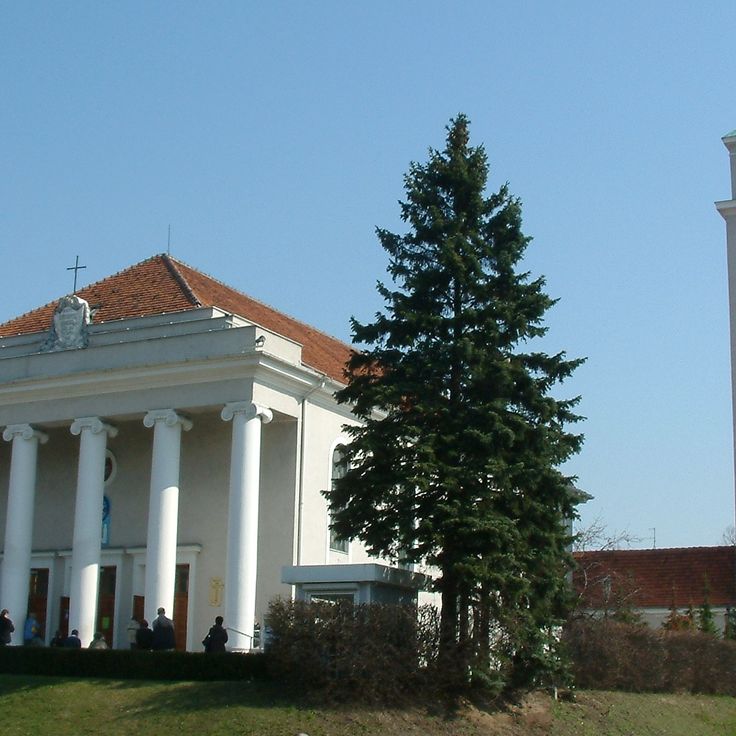
Saint Stanislaus Church in Poznań is a religious building from the 17th century with a white facade and two towers. Inside, you can see frescoes, gilded altars, and carved confessionals. This church represents the religious heritage of the city and reflects the craftsmanship of its era.
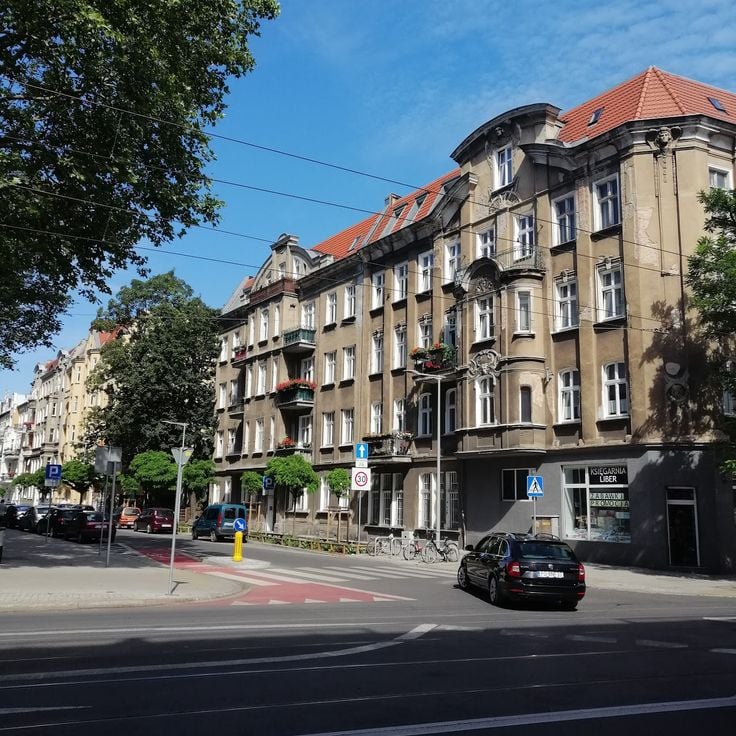
The Jeżyce neighborhood in Poznań is a residential area from the early 20th century with characteristic Art Nouveau buildings. Here you will find restaurants and traditional shops that give the neighborhood its special character. The streets invite you to take walks where you can discover the architectural details of the facades. This neighborhood shows how Poznań developed as a modern city.
Brama Poznania is a multimedia interpretation center that presents the history of Poznań and the cathedral island. Through technological displays, it tells the stories of the people and events that shaped this city. Visitors can walk through its spaces to learn how Poznań developed over time and what made it important in Poland.
Citadel Park is a large green space built on the grounds of a former military fortress. The park houses two museums, several monuments, and extensive rose gardens with many varieties. Visitors can walk through the grounds, explore the fortress history, and view art exhibitions. The park combines nature and history, showing how Poznań transformed a military structure into a public space for relaxation and learning.
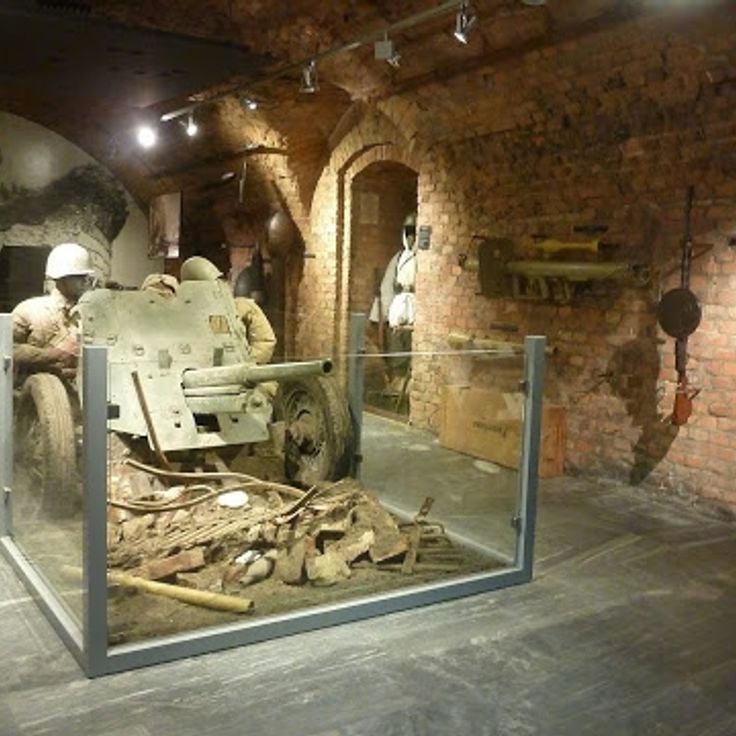
The Armored Vehicles Museum in Poznań displays tanks, military vehicles, and combat equipment from the 20th century. The collection allows visitors to follow the technical development of tanks and military vehicles across several decades. Detailed technical documentation accompanies the displayed objects and offers insights into the military history of this period.
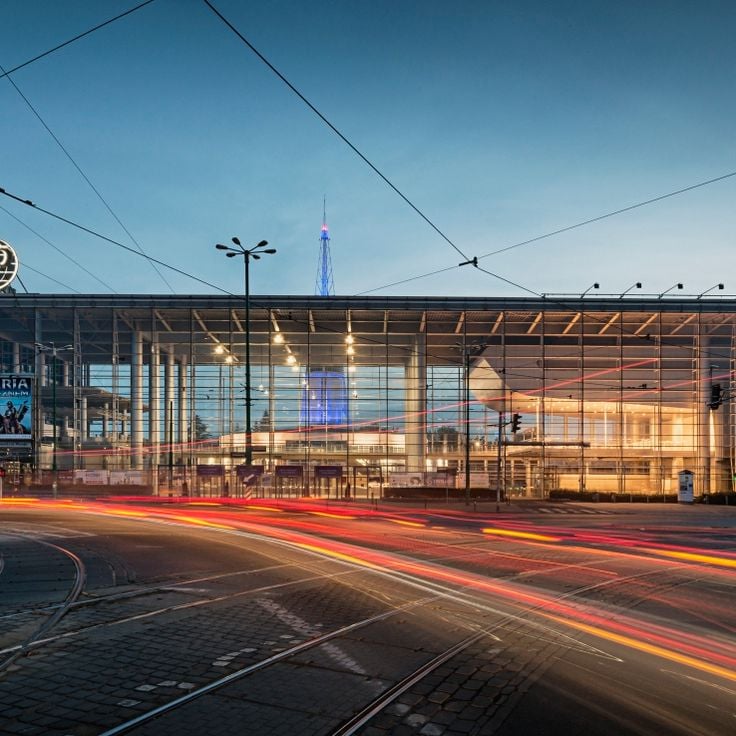
The Exhibition Centre in Poznań is a large venue for fairs and exhibitions. Throughout the year, trade shows and public events are held in several halls. Visitors come here to discover new products and learn about different industries. The centre is an important meeting point for commerce and culture in the city and plays a role in Poznań's economic life.
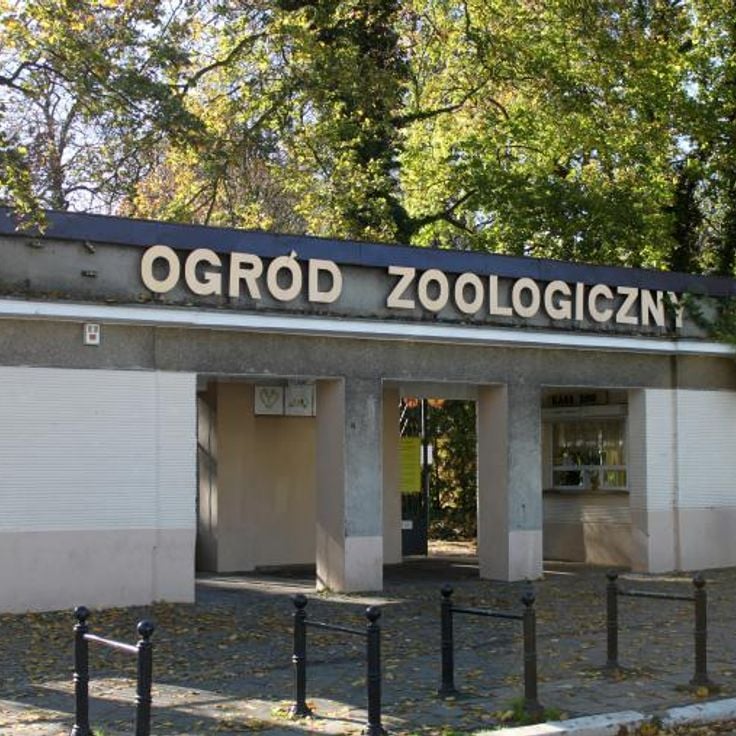
The Zoo of Poznań exists within this city that bridges medieval history with modern life. The zoo occupies a large space where visitors can see animals from around the world living in environments that recreate their natural homes. Walking through this park, you encounter mammals and birds displayed across rolling green areas. The grounds offer a place to step away from the city's historic architecture and streets. Over more than a century, this zoo has served as a place where people come to observe wildlife and experience nature without leaving the city.
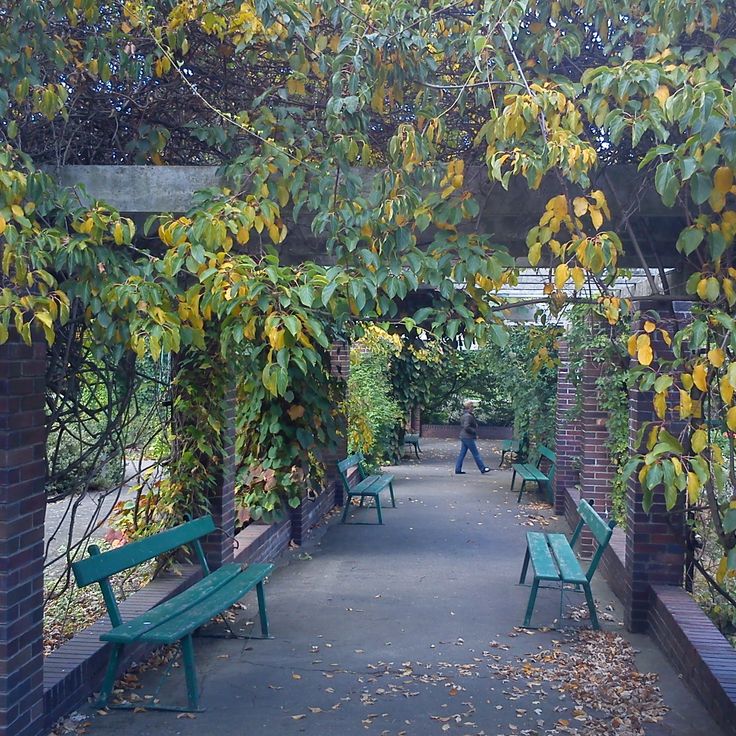
The Botanical Garden of Poznań displays plants from different parts of the world. Visitors can walk through several greenhouses where exotic and local species grow. There are sections dedicated to medicinal plants and cacti. The garden invites you to discover the diversity of plant life and spend time in this green space.
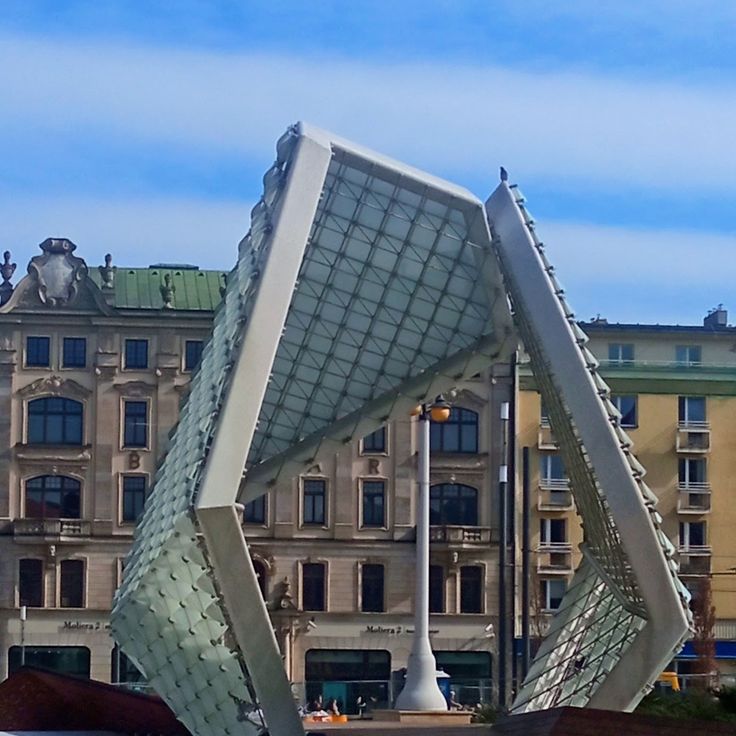
The Wolności Square is a central gathering place in Poznań, lined with buildings from the 19th century that once housed banks and shops. The facades of these structures tell the story of the city's commercial past. This square serves as a starting point for cultural events and invites visitors to pause and observe the urban life around them.
This museum displays over 2000 musical instruments from different time periods and regions around the world. The exhibitions explain how these instruments were made and what role they played in different cultures. Visitors can see old harps, violins, drums, and other instruments that were crafted by hand. The museum helps you understand the history of music and the craftsmanship techniques that people passed down through generations.
The Basilica of Poznań is the first Catholic place of worship in Poland, dating back to the 10th century. It features Gothic architecture and royal tombs in its crypt. This church has been the spiritual heart of Poland for centuries, and its artworks and architectural elements tell the story of the city and the nation.
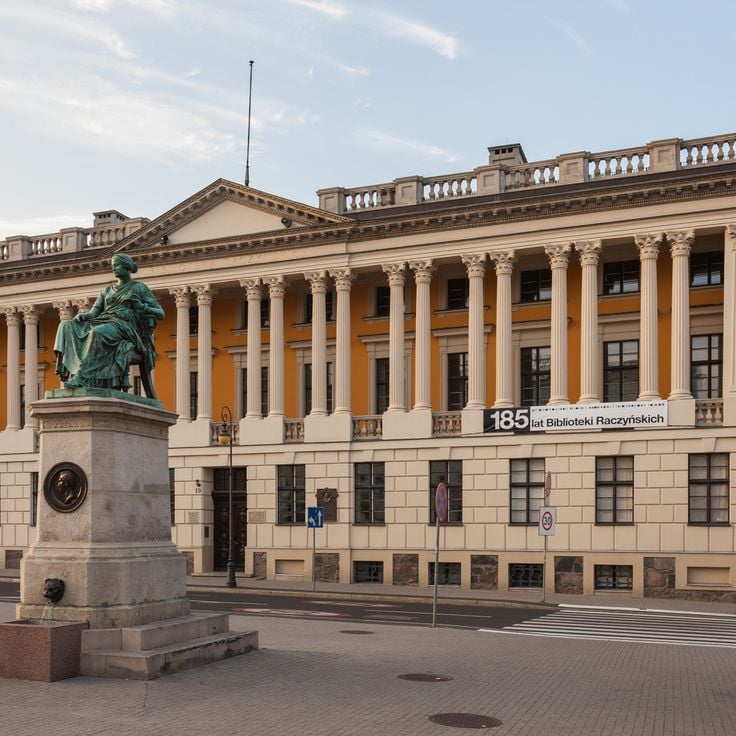
The Raczyński Library is a neoclassical building from 1829 in Poznań. It holds more than 2 million documents and features a columned facade similar to the Louvre in Paris. This building shows how important Poznań has been as a cultural center in Poland. The library welcomes visitors to explore its large collection and learn more about the city's history and culture.
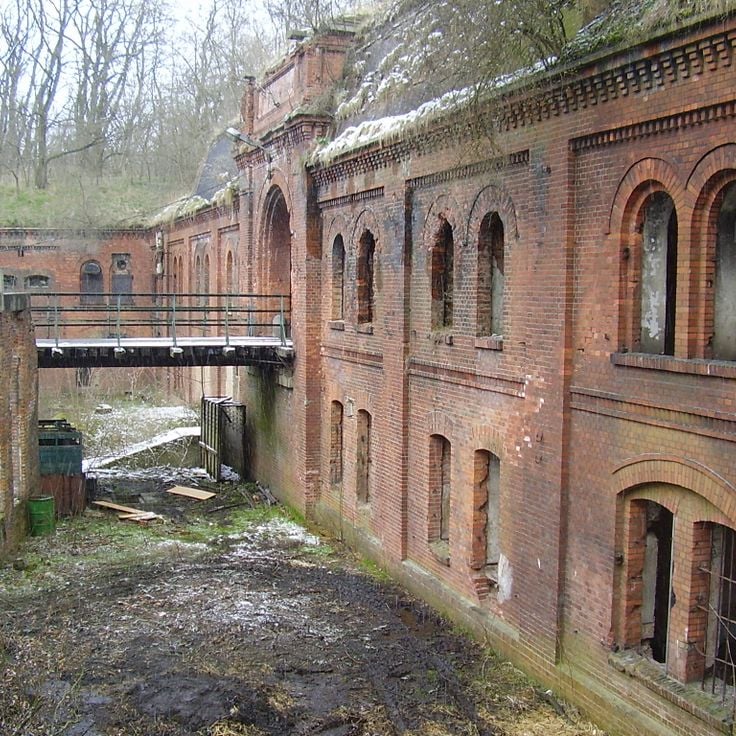
Fort III is a military complex built in the 19th century to protect Poznań. The structure features a network of underground tunnels and reinforced ramparts. This fortress shows how important the city was for defending the region. Visitors can explore the structure and understand how Poznań secured its borders over generations.
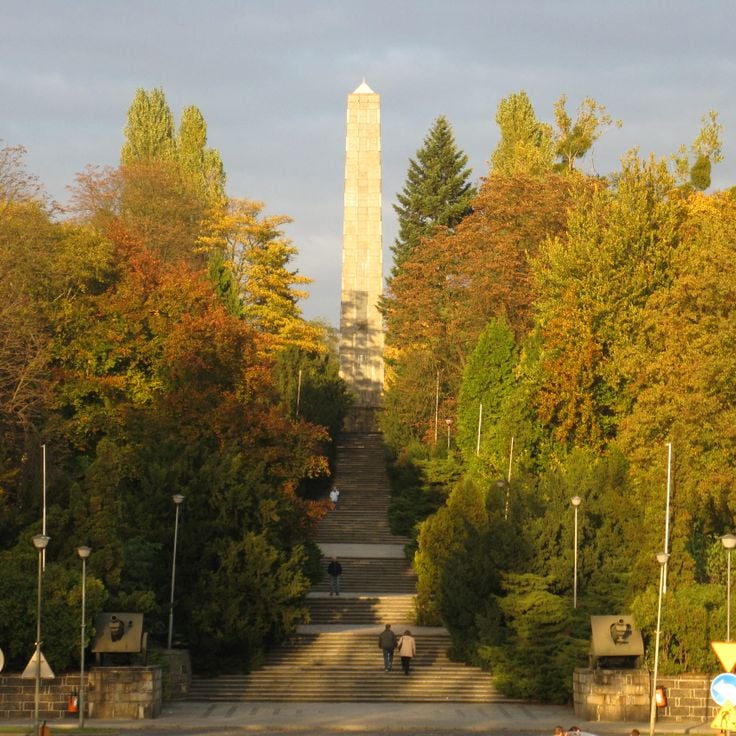
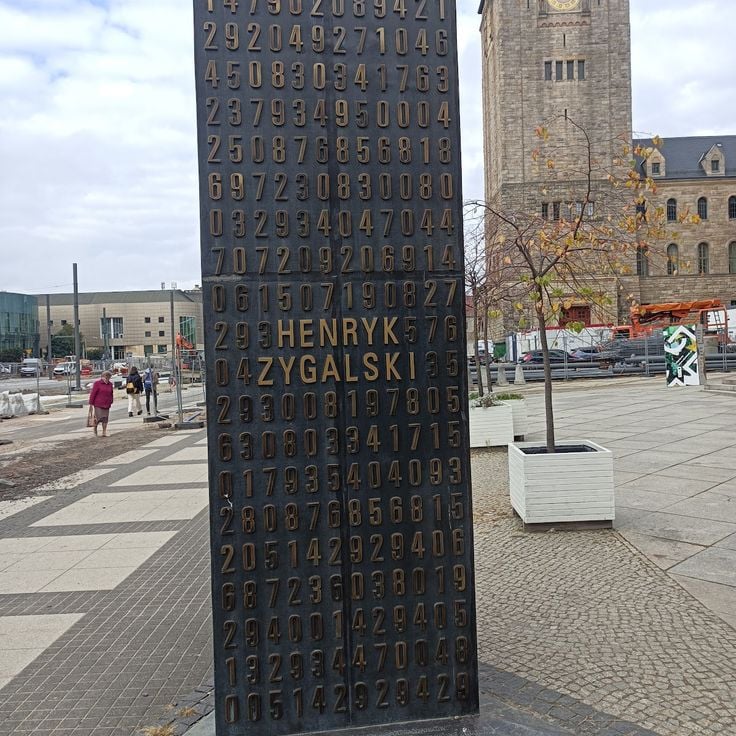
This monument in Poznań honors Marian Rejewski, Jerzy Różycki, and Henryk Zygalski, three Polish mathematicians and codebreakers who played a vital role in decrypting the German Enigma machine during World War II. The structure recognizes their intellectual brilliance and bravery, which helped shape the course of history. It stands as a reminder of Poland's contribution to one of the war's most critical achievements.
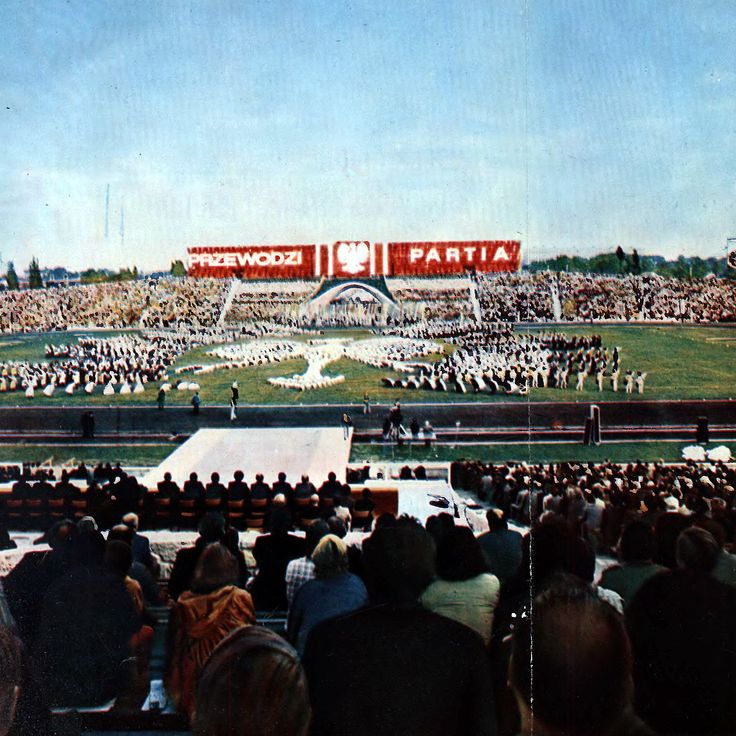
Poznań's stadium is a modern sports facility with 43,000 seats built in 2010. It hosts national and international football matches and serves as a key venue for sporting events in the city. The stadium connects with Poznań's history as an important center in Poland and gives visitors insight into the city's contemporary sporting life.
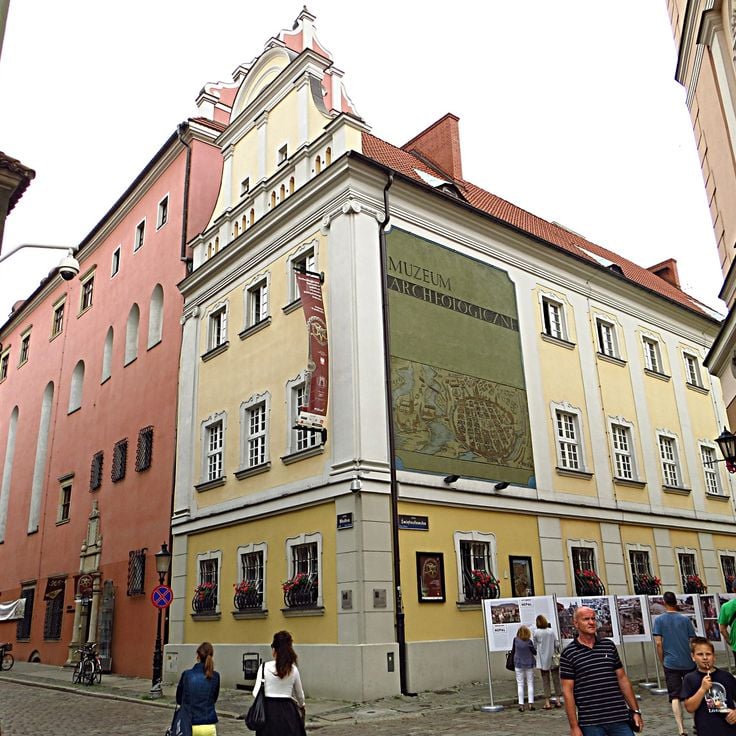
The Archaeological Museum in Poznań occupies a former Franciscan palace and displays prehistoric and medieval artifacts from the Greater Poland region. The museum merges the area's history with the building's own architecture, which spans centuries. Visitors can trace how people settled and lived in this region over time, and understand how Poznań developed from its earliest days.
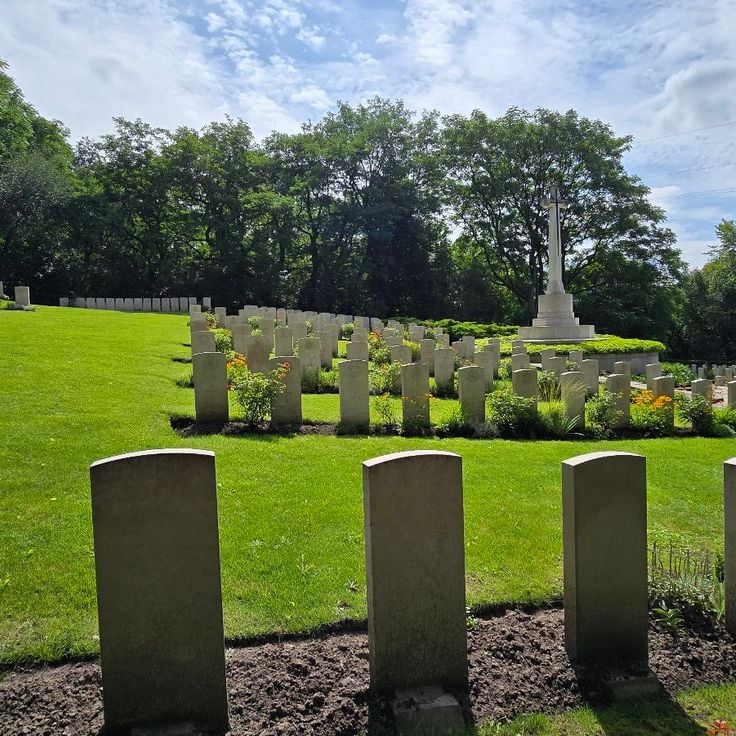
The Invalides Cemetery in Poznań is a burial ground where soldiers and notable figures who shaped the history of Poznań and Poland rest. Its graves and monuments tell stories of military campaigns and important moments from different periods. Walking through this cemetery, visitors can understand the significance this city has held in Polish history. The space invites people to pause and reflect on those who lie here.
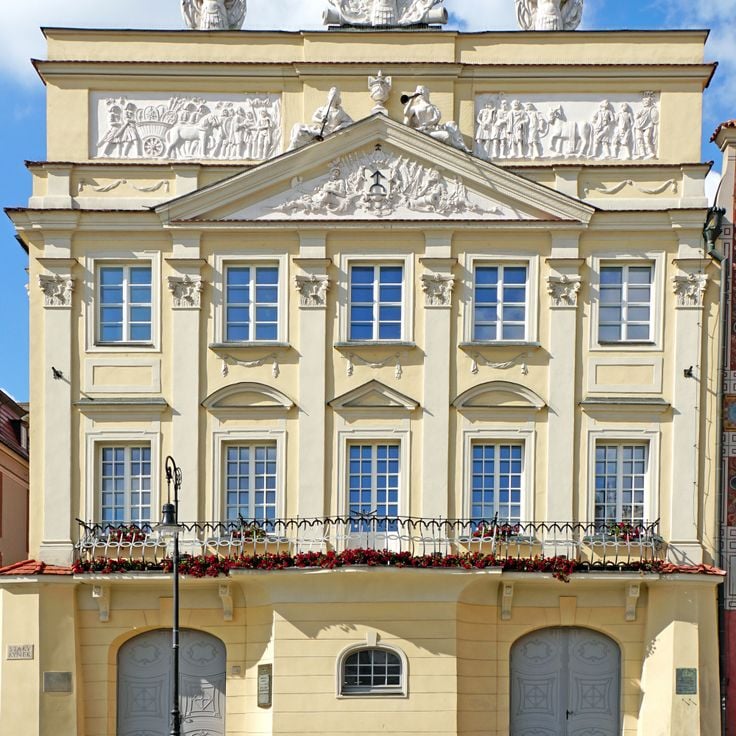
Palais Działyński is a 19th-century mansion in Poznań that displays the architectural sophistication of Polish nobility. The building features grand reception halls where important figures once gathered. Its facade and interior spaces reflect the wealth and refined taste of the family who built it. Today, visitors can experience the elegance and beauty of this period through its rooms.
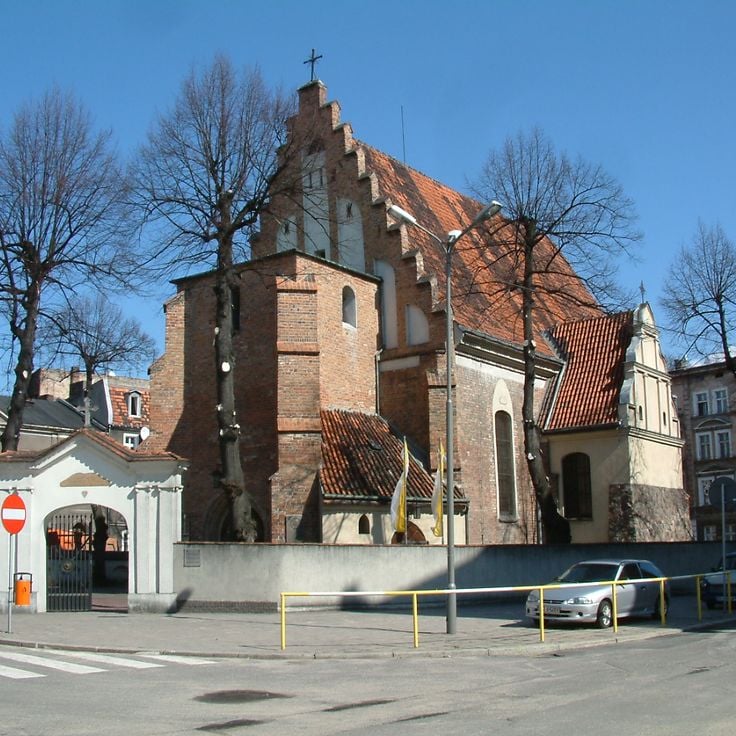
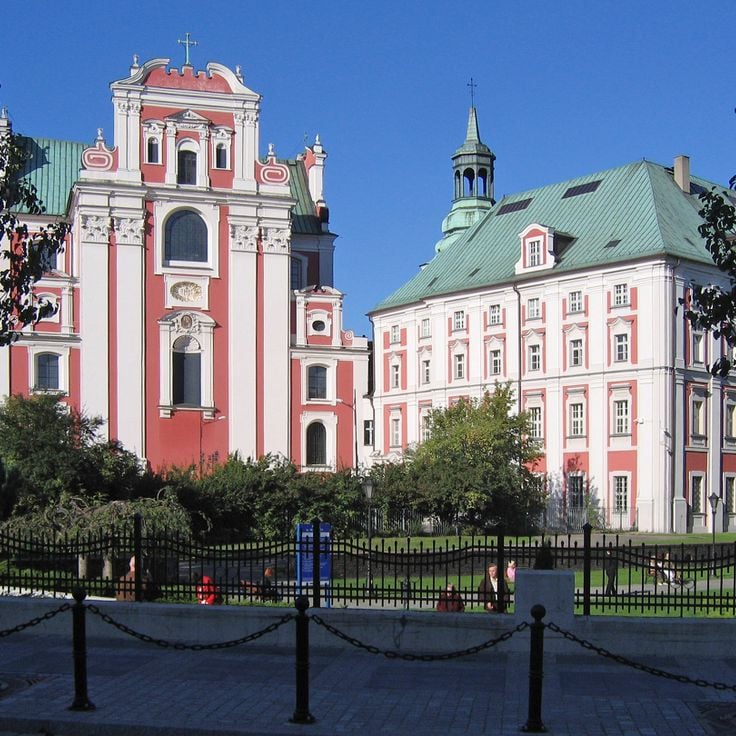
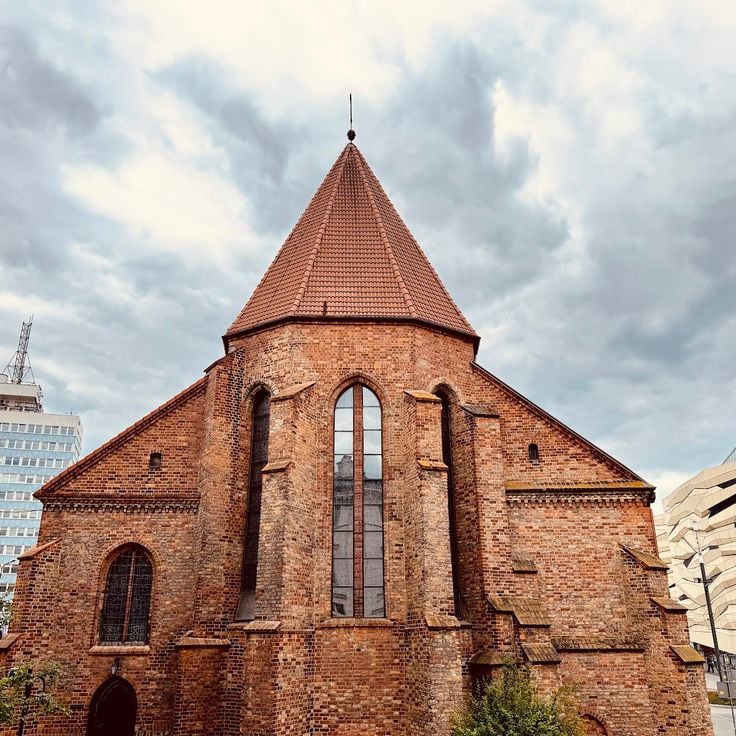
Saint-Martin Church stands in Poznań as an important religious building that reflects the city's architectural and spiritual history. This church is part of the historic center and helps visitors understand how Poznań developed over the centuries. It shows how religious structures were built and transformed as the city grew and changed.
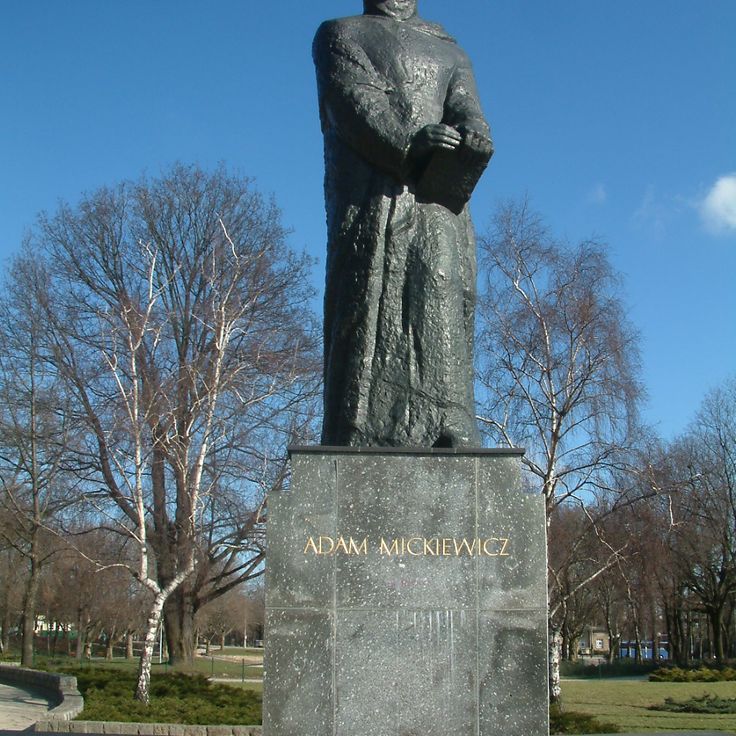
This monument on the Market Square honors Adam Mickiewicz, one of Poland's greatest poets and writers. The statue stands in the heart of Poznań and reminds visitors of his deep influence on Polish culture and literature. You can feel how important this artist was to the country's history when you visit this place.
The Warta Embankment is a developed waterfront promenade where Poznań residents come to unwind and spend time with friends and family. Along its length you'll find cafés and recreational spaces that invite you to linger. The river flows through the city, and its banks offer room for walks and quiet moments. This is a place woven into the daily rhythm of Poznań.
The New Town Hall in Poznań sits on the main square, bringing together contemporary architecture with the historic structures surrounding it. This administrative building shows how the city has integrated its modern functions into the context of its medieval past. It stands at the heart of Poznań, where history and present day exist side by side.
This museum in Poznań gathers objects and stories that explain how the city evolved from the Middle Ages to today. Visitors discover how Poznań grew from a medieval settlement into a major Polish center. The exhibitions show crafts, documents, and items from different periods. The rooms tell stories of trade, daily life, religious practices, and the people who shaped the city. The museum helps you understand why Poznań holds an important place in Polish history.
The Ratusz is the heart of Poznań and stands as a striking Renaissance building from the 16th century. Its decorated facade commands attention the moment you see it. At noon each day, the building's clock mechanism performs a distinctive spectacle: two metal goats clash against each other. This town hall sits at the center of the Old Town Square and reflects the enduring importance Poznań has held in Polish history. It represents not just an administrative center, but a symbol of the city's strength and identity through many centuries. Visitors often gather at midday to witness this curious mechanical display.
The Muzeum Narodowe in this medieval city displays artworks spanning many centuries. The collection includes paintings, sculptures, and decorative arts from Poland from the Middle Ages to the present day. Founded in 1857, the museum occupies a building that is itself an important part of the city's history. Here visitors can understand how Polish art has developed over time.
Ostrów Tumski is the oldest settlement of Poznań, dating back to the 10th century. You will find here the Cathedral of St. Peter and Paul, displaying Gothic and Baroque architectural styles. The island holds several religious buildings spread across its grounds along the Warta river. Ostrów Tumski tells the story of medieval Poznań's origins. Walking through its old streets and quiet setting, you can trace the religious and cultural growth of the city through the ages.
The Imperial Castle in Poznań is a striking residence built between 1905 and 1910 for Wilhelm II. The building features neo-Romanesque architecture with a sandstone facade and a commanding central tower. This castle tells the story of Poznań's importance during Prussian times and shows how the city was connected to the broader European powers of the era. Today, the castle stands as a significant point in Poznań's architectural landscape, allowing visitors to understand the political and cultural history of the region.
The Stare Miasto is the heart of Poznań, established in the 13th century. You walk through narrow streets and discover the historic market square surrounded by old merchant houses with colorful facades. This central district tells the story of Poznań's importance as a trading center and shows how the city has lived and changed over centuries.
Lake Malta is an artificial body of water in Poznań covering 64 hectares. The lake offers various activities for visitors and athletes. A ski slope serves winter sports enthusiasts, while water sports facilities invite swimmers and boaters. An athletics center is located nearby for track and field events. The lake regularly hosts international competitions, making it an important venue for sport in the city.
The Warta is the main river flowing through Poznań, dividing the city into two parts. Its banks have been developed with bicycle paths and green spaces where residents and visitors walk and cycle. The river shapes daily life in Poznań and offers a natural route for exploring the city on foot or by bike.
The Croissant Museum in Poznań shows the craftsmanship and history of Saint Martin's croissants, a local specialty from the city. Visitors can watch demonstrations of how this traditional pastry is made and learn about the techniques passed down through generations. This museum helps you understand how this sweet tradition has shaped Poznań and what role craftsmanship plays in local culture.
HistoryLand is an interactive center in Poznań that presents Poland's history through detailed models and installations built from LEGO. The venue tells the stories of important events and moments from Polish history, spanning from medieval times to the modern era. Visitors can explore the carefully constructed scenes and learn about the different periods that shaped the country. This is a place where history comes alive, offering something for all ages to understand Poland's development and major turning points.
The Stary Browar is a commercial and artistic center housed in a brewery from 1876. This restored industrial building contains shops, art galleries and exhibition spaces. The place blends the craft heritage of the past with modern retail and cultural activities.
Adam Mickiewicz University in Poznań is an academic institution founded in 1919. The main building displays neoclassical architecture and stands out in the city with its refined facade. The university library holds an extensive collection of books and documents. This institution plays an important role in the academic life of the city and contributes to Poznań's cultural and intellectual development. Visitors can explore the historic buildings and scientific collections that reflect the long tradition of this university.
Srodka is a historic district on the east side of Poznan. Narrow streets wind through this area that was once a separate medieval suburb. Colorful houses from the 18th and 19th centuries line the streets, their facades telling stories of daily life over the centuries. Small restaurants here serve traditional Polish food. Walking through these streets gives you a sense of how Poznan looked and felt in earlier times. The quarter has kept its original character and offers a glimpse into the city's past through its buildings and layout.
Saint Stanislaus Church in Poznań is a religious building from the 17th century with a white facade and two towers. Inside, you can see frescoes, gilded altars, and carved confessionals. This church represents the religious heritage of the city and reflects the craftsmanship of its era.
The Jeżyce neighborhood in Poznań is a residential area from the early 20th century with characteristic Art Nouveau buildings. Here you will find restaurants and traditional shops that give the neighborhood its special character. The streets invite you to take walks where you can discover the architectural details of the facades. This neighborhood shows how Poznań developed as a modern city.
Brama Poznania is a multimedia interpretation center that presents the history of Poznań and the cathedral island. Through technological displays, it tells the stories of the people and events that shaped this city. Visitors can walk through its spaces to learn how Poznań developed over time and what made it important in Poland.
Citadel Park is a large green space built on the grounds of a former military fortress. The park houses two museums, several monuments, and extensive rose gardens with many varieties. Visitors can walk through the grounds, explore the fortress history, and view art exhibitions. The park combines nature and history, showing how Poznań transformed a military structure into a public space for relaxation and learning.
The Armored Vehicles Museum in Poznań displays tanks, military vehicles, and combat equipment from the 20th century. The collection allows visitors to follow the technical development of tanks and military vehicles across several decades. Detailed technical documentation accompanies the displayed objects and offers insights into the military history of this period.
The Exhibition Centre in Poznań is a large venue for fairs and exhibitions. Throughout the year, trade shows and public events are held in several halls. Visitors come here to discover new products and learn about different industries. The centre is an important meeting point for commerce and culture in the city and plays a role in Poznań's economic life.
The Zoo of Poznań exists within this city that bridges medieval history with modern life. The zoo occupies a large space where visitors can see animals from around the world living in environments that recreate their natural homes. Walking through this park, you encounter mammals and birds displayed across rolling green areas. The grounds offer a place to step away from the city's historic architecture and streets. Over more than a century, this zoo has served as a place where people come to observe wildlife and experience nature without leaving the city.
The Botanical Garden of Poznań displays plants from different parts of the world. Visitors can walk through several greenhouses where exotic and local species grow. There are sections dedicated to medicinal plants and cacti. The garden invites you to discover the diversity of plant life and spend time in this green space.
The Wolności Square is a central gathering place in Poznań, lined with buildings from the 19th century that once housed banks and shops. The facades of these structures tell the story of the city's commercial past. This square serves as a starting point for cultural events and invites visitors to pause and observe the urban life around them.
This museum displays over 2000 musical instruments from different time periods and regions around the world. The exhibitions explain how these instruments were made and what role they played in different cultures. Visitors can see old harps, violins, drums, and other instruments that were crafted by hand. The museum helps you understand the history of music and the craftsmanship techniques that people passed down through generations.
The Basilica of Poznań is the first Catholic place of worship in Poland, dating back to the 10th century. It features Gothic architecture and royal tombs in its crypt. This church has been the spiritual heart of Poland for centuries, and its artworks and architectural elements tell the story of the city and the nation.
The Raczyński Library is a neoclassical building from 1829 in Poznań. It holds more than 2 million documents and features a columned facade similar to the Louvre in Paris. This building shows how important Poznań has been as a cultural center in Poland. The library welcomes visitors to explore its large collection and learn more about the city's history and culture.
Fort III is a military complex built in the 19th century to protect Poznań. The structure features a network of underground tunnels and reinforced ramparts. This fortress shows how important the city was for defending the region. Visitors can explore the structure and understand how Poznań secured its borders over generations.
This monument in Poznań honors Marian Rejewski, Jerzy Różycki, and Henryk Zygalski, three Polish mathematicians and codebreakers who played a vital role in decrypting the German Enigma machine during World War II. The structure recognizes their intellectual brilliance and bravery, which helped shape the course of history. It stands as a reminder of Poland's contribution to one of the war's most critical achievements.
Poznań's stadium is a modern sports facility with 43,000 seats built in 2010. It hosts national and international football matches and serves as a key venue for sporting events in the city. The stadium connects with Poznań's history as an important center in Poland and gives visitors insight into the city's contemporary sporting life.
The Archaeological Museum in Poznań occupies a former Franciscan palace and displays prehistoric and medieval artifacts from the Greater Poland region. The museum merges the area's history with the building's own architecture, which spans centuries. Visitors can trace how people settled and lived in this region over time, and understand how Poznań developed from its earliest days.
The Invalides Cemetery in Poznań is a burial ground where soldiers and notable figures who shaped the history of Poznań and Poland rest. Its graves and monuments tell stories of military campaigns and important moments from different periods. Walking through this cemetery, visitors can understand the significance this city has held in Polish history. The space invites people to pause and reflect on those who lie here.
Palais Działyński is a 19th-century mansion in Poznań that displays the architectural sophistication of Polish nobility. The building features grand reception halls where important figures once gathered. Its facade and interior spaces reflect the wealth and refined taste of the family who built it. Today, visitors can experience the elegance and beauty of this period through its rooms.
Saint-Martin Church stands in Poznań as an important religious building that reflects the city's architectural and spiritual history. This church is part of the historic center and helps visitors understand how Poznań developed over the centuries. It shows how religious structures were built and transformed as the city grew and changed.
This monument on the Market Square honors Adam Mickiewicz, one of Poland's greatest poets and writers. The statue stands in the heart of Poznań and reminds visitors of his deep influence on Polish culture and literature. You can feel how important this artist was to the country's history when you visit this place.
The Warta Embankment is a developed waterfront promenade where Poznań residents come to unwind and spend time with friends and family. Along its length you'll find cafés and recreational spaces that invite you to linger. The river flows through the city, and its banks offer room for walks and quiet moments. This is a place woven into the daily rhythm of Poznań.
The New Town Hall in Poznań sits on the main square, bringing together contemporary architecture with the historic structures surrounding it. This administrative building shows how the city has integrated its modern functions into the context of its medieval past. It stands at the heart of Poznań, where history and present day exist side by side.
This museum in Poznań gathers objects and stories that explain how the city evolved from the Middle Ages to today. Visitors discover how Poznań grew from a medieval settlement into a major Polish center. The exhibitions show crafts, documents, and items from different periods. The rooms tell stories of trade, daily life, religious practices, and the people who shaped the city. The museum helps you understand why Poznań holds an important place in Polish history.
The Ratusz is the heart of Poznań and stands as a striking Renaissance building from the 16th century. Its decorated facade commands attention the moment you see it. At noon each day, the building's clock mechanism performs a distinctive spectacle: two metal goats clash against each other. This town hall sits at the center of the Old Town Square and reflects the enduring importance Poznań has held in Polish history. It represents not just an administrative center, but a symbol of the city's strength and identity through many centuries. Visitors often gather at midday to witness this curious mechanical display.
The Muzeum Narodowe in this medieval city displays artworks spanning many centuries. The collection includes paintings, sculptures, and decorative arts from Poland from the Middle Ages to the present day. Founded in 1857, the museum occupies a building that is itself an important part of the city's history. Here visitors can understand how Polish art has developed over time.
Ostrów Tumski is the oldest settlement of Poznań, dating back to the 10th century. You will find here the Cathedral of St. Peter and Paul, displaying Gothic and Baroque architectural styles. The island holds several religious buildings spread across its grounds along the Warta river. Ostrów Tumski tells the story of medieval Poznań's origins. Walking through its old streets and quiet setting, you can trace the religious and cultural growth of the city through the ages.
The Imperial Castle in Poznań is a striking residence built between 1905 and 1910 for Wilhelm II. The building features neo-Romanesque architecture with a sandstone facade and a commanding central tower. This castle tells the story of Poznań's importance during Prussian times and shows how the city was connected to the broader European powers of the era. Today, the castle stands as a significant point in Poznań's architectural landscape, allowing visitors to understand the political and cultural history of the region.
The Stare Miasto is the heart of Poznań, established in the 13th century. You walk through narrow streets and discover the historic market square surrounded by old merchant houses with colorful facades. This central district tells the story of Poznań's importance as a trading center and shows how the city has lived and changed over centuries.
Lake Malta is an artificial body of water in Poznań covering 64 hectares. The lake offers various activities for visitors and athletes. A ski slope serves winter sports enthusiasts, while water sports facilities invite swimmers and boaters. An athletics center is located nearby for track and field events. The lake regularly hosts international competitions, making it an important venue for sport in the city.
The Warta is the main river flowing through Poznań, dividing the city into two parts. Its banks have been developed with bicycle paths and green spaces where residents and visitors walk and cycle. The river shapes daily life in Poznań and offers a natural route for exploring the city on foot or by bike.
The Croissant Museum in Poznań shows the craftsmanship and history of Saint Martin's croissants, a local specialty from the city. Visitors can watch demonstrations of how this traditional pastry is made and learn about the techniques passed down through generations. This museum helps you understand how this sweet tradition has shaped Poznań and what role craftsmanship plays in local culture.
HistoryLand is an interactive center in Poznań that presents Poland's history through detailed models and installations built from LEGO. The venue tells the stories of important events and moments from Polish history, spanning from medieval times to the modern era. Visitors can explore the carefully constructed scenes and learn about the different periods that shaped the country. This is a place where history comes alive, offering something for all ages to understand Poland's development and major turning points.
The Stary Browar is a commercial and artistic center housed in a brewery from 1876. This restored industrial building contains shops, art galleries and exhibition spaces. The place blends the craft heritage of the past with modern retail and cultural activities.
Adam Mickiewicz University in Poznań is an academic institution founded in 1919. The main building displays neoclassical architecture and stands out in the city with its refined facade. The university library holds an extensive collection of books and documents. This institution plays an important role in the academic life of the city and contributes to Poznań's cultural and intellectual development. Visitors can explore the historic buildings and scientific collections that reflect the long tradition of this university.
Srodka is a historic district on the east side of Poznan. Narrow streets wind through this area that was once a separate medieval suburb. Colorful houses from the 18th and 19th centuries line the streets, their facades telling stories of daily life over the centuries. Small restaurants here serve traditional Polish food. Walking through these streets gives you a sense of how Poznan looked and felt in earlier times. The quarter has kept its original character and offers a glimpse into the city's past through its buildings and layout.
Saint Stanislaus Church in Poznań is a religious building from the 17th century with a white facade and two towers. Inside, you can see frescoes, gilded altars, and carved confessionals. This church represents the religious heritage of the city and reflects the craftsmanship of its era.
The Jeżyce neighborhood in Poznań is a residential area from the early 20th century with characteristic Art Nouveau buildings. Here you will find restaurants and traditional shops that give the neighborhood its special character. The streets invite you to take walks where you can discover the architectural details of the facades. This neighborhood shows how Poznań developed as a modern city.
Brama Poznania is a multimedia interpretation center that presents the history of Poznań and the cathedral island. Through technological displays, it tells the stories of the people and events that shaped this city. Visitors can walk through its spaces to learn how Poznań developed over time and what made it important in Poland.
Citadel Park is a large green space built on the grounds of a former military fortress. The park houses two museums, several monuments, and extensive rose gardens with many varieties. Visitors can walk through the grounds, explore the fortress history, and view art exhibitions. The park combines nature and history, showing how Poznań transformed a military structure into a public space for relaxation and learning.
The Armored Vehicles Museum in Poznań displays tanks, military vehicles, and combat equipment from the 20th century. The collection allows visitors to follow the technical development of tanks and military vehicles across several decades. Detailed technical documentation accompanies the displayed objects and offers insights into the military history of this period.
The Exhibition Centre in Poznań is a large venue for fairs and exhibitions. Throughout the year, trade shows and public events are held in several halls. Visitors come here to discover new products and learn about different industries. The centre is an important meeting point for commerce and culture in the city and plays a role in Poznań's economic life.
The Zoo of Poznań exists within this city that bridges medieval history with modern life. The zoo occupies a large space where visitors can see animals from around the world living in environments that recreate their natural homes. Walking through this park, you encounter mammals and birds displayed across rolling green areas. The grounds offer a place to step away from the city's historic architecture and streets. Over more than a century, this zoo has served as a place where people come to observe wildlife and experience nature without leaving the city.
The Botanical Garden of Poznań displays plants from different parts of the world. Visitors can walk through several greenhouses where exotic and local species grow. There are sections dedicated to medicinal plants and cacti. The garden invites you to discover the diversity of plant life and spend time in this green space.
The Wolności Square is a central gathering place in Poznań, lined with buildings from the 19th century that once housed banks and shops. The facades of these structures tell the story of the city's commercial past. This square serves as a starting point for cultural events and invites visitors to pause and observe the urban life around them.
This museum displays over 2000 musical instruments from different time periods and regions around the world. The exhibitions explain how these instruments were made and what role they played in different cultures. Visitors can see old harps, violins, drums, and other instruments that were crafted by hand. The museum helps you understand the history of music and the craftsmanship techniques that people passed down through generations.
The Basilica of Poznań is the first Catholic place of worship in Poland, dating back to the 10th century. It features Gothic architecture and royal tombs in its crypt. This church has been the spiritual heart of Poland for centuries, and its artworks and architectural elements tell the story of the city and the nation.
The Raczyński Library is a neoclassical building from 1829 in Poznań. It holds more than 2 million documents and features a columned facade similar to the Louvre in Paris. This building shows how important Poznań has been as a cultural center in Poland. The library welcomes visitors to explore its large collection and learn more about the city's history and culture.
Fort III is a military complex built in the 19th century to protect Poznań. The structure features a network of underground tunnels and reinforced ramparts. This fortress shows how important the city was for defending the region. Visitors can explore the structure and understand how Poznań secured its borders over generations.
This monument in Poznań honors Marian Rejewski, Jerzy Różycki, and Henryk Zygalski, three Polish mathematicians and codebreakers who played a vital role in decrypting the German Enigma machine during World War II. The structure recognizes their intellectual brilliance and bravery, which helped shape the course of history. It stands as a reminder of Poland's contribution to one of the war's most critical achievements.
Poznań's stadium is a modern sports facility with 43,000 seats built in 2010. It hosts national and international football matches and serves as a key venue for sporting events in the city. The stadium connects with Poznań's history as an important center in Poland and gives visitors insight into the city's contemporary sporting life.
The Archaeological Museum in Poznań occupies a former Franciscan palace and displays prehistoric and medieval artifacts from the Greater Poland region. The museum merges the area's history with the building's own architecture, which spans centuries. Visitors can trace how people settled and lived in this region over time, and understand how Poznań developed from its earliest days.
The Invalides Cemetery in Poznań is a burial ground where soldiers and notable figures who shaped the history of Poznań and Poland rest. Its graves and monuments tell stories of military campaigns and important moments from different periods. Walking through this cemetery, visitors can understand the significance this city has held in Polish history. The space invites people to pause and reflect on those who lie here.
Palais Działyński is a 19th-century mansion in Poznań that displays the architectural sophistication of Polish nobility. The building features grand reception halls where important figures once gathered. Its facade and interior spaces reflect the wealth and refined taste of the family who built it. Today, visitors can experience the elegance and beauty of this period through its rooms.
Saint-Martin Church stands in Poznań as an important religious building that reflects the city's architectural and spiritual history. This church is part of the historic center and helps visitors understand how Poznań developed over the centuries. It shows how religious structures were built and transformed as the city grew and changed.
This monument on the Market Square honors Adam Mickiewicz, one of Poland's greatest poets and writers. The statue stands in the heart of Poznań and reminds visitors of his deep influence on Polish culture and literature. You can feel how important this artist was to the country's history when you visit this place.
The Warta Embankment is a developed waterfront promenade where Poznań residents come to unwind and spend time with friends and family. Along its length you'll find cafés and recreational spaces that invite you to linger. The river flows through the city, and its banks offer room for walks and quiet moments. This is a place woven into the daily rhythm of Poznań.
The New Town Hall in Poznań sits on the main square, bringing together contemporary architecture with the historic structures surrounding it. This administrative building shows how the city has integrated its modern functions into the context of its medieval past. It stands at the heart of Poznań, where history and present day exist side by side.
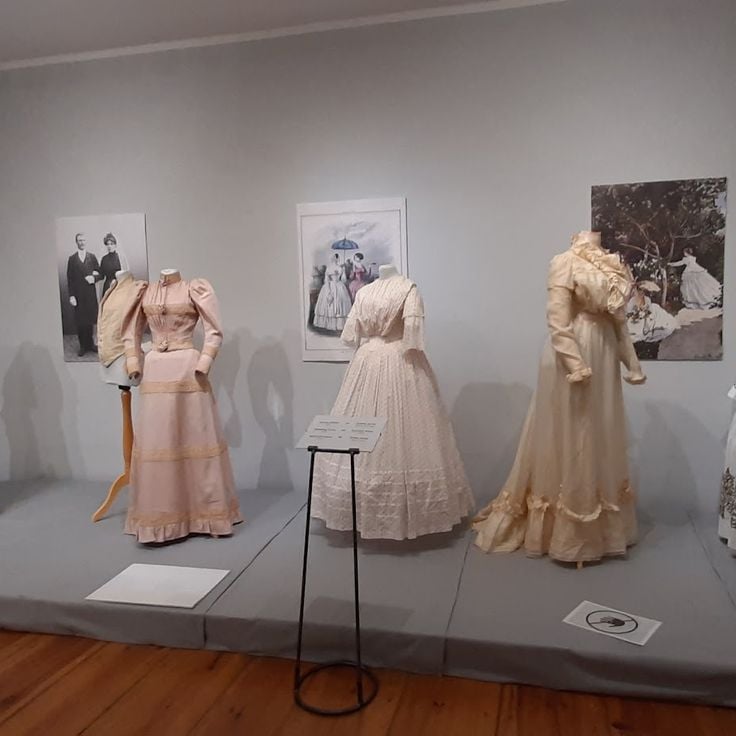
This museum in Poznań gathers objects and stories that explain how the city evolved from the Middle Ages to today. Visitors discover how Poznań grew from a medieval settlement into a major Polish center. The exhibitions show crafts, documents, and items from different periods. The rooms tell stories of trade, daily life, religious practices, and the people who shaped the city. The museum helps you understand why Poznań holds an important place in Polish history.