Słupsk, Historical city in Northern Poland.
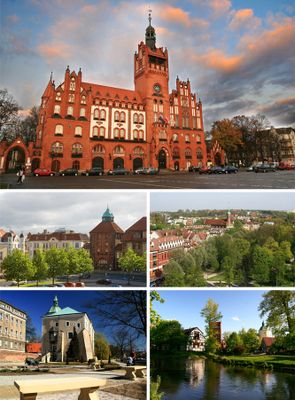
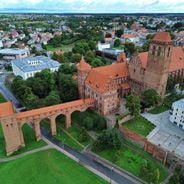
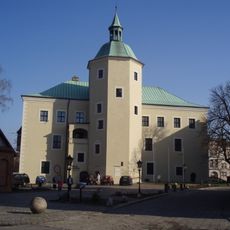
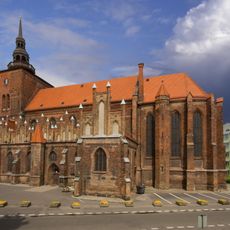
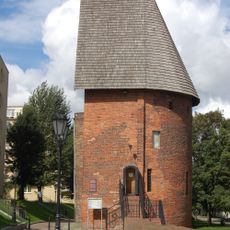
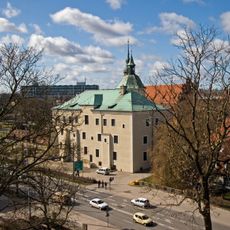
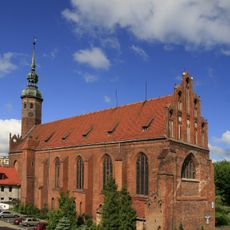
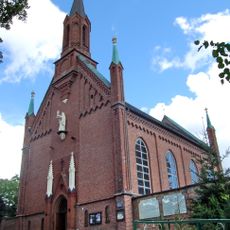
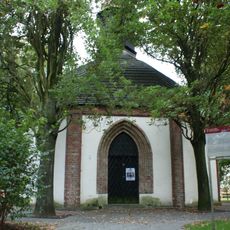
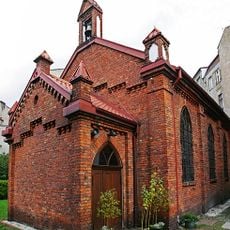
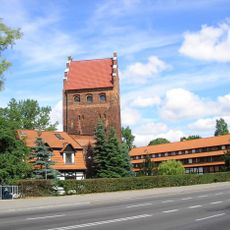
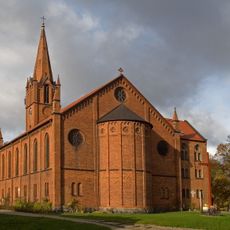
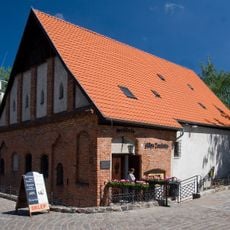
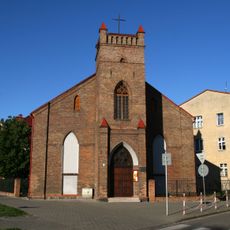
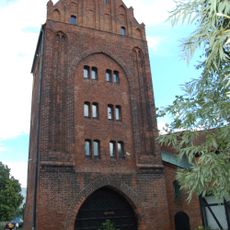
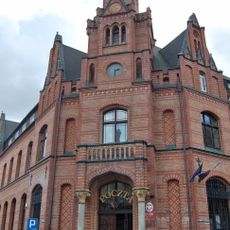
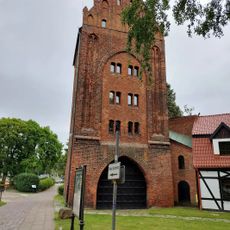
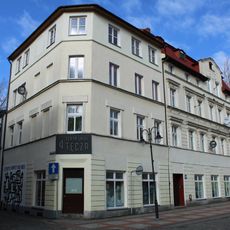
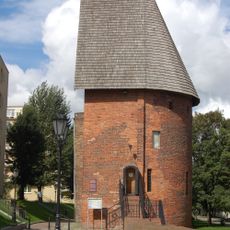
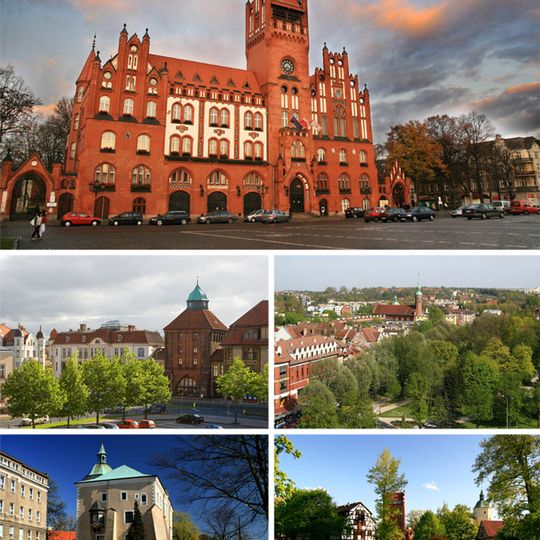
Słupsk is a city in the Pomeranian Voivodeship of northern Poland, stretching along the Słupia River. Red-brick Gothic churches, a ducal castle, and several preserved town gates define the cityscape, which extends to forested areas in the south.
The settlement received city rights in 1265 and later joined the Hanseatic League, growing into an important trade center. During the 16th century, the Duchy of Pomerania-Stolp was established and governed the region until the Thirty Years' War.
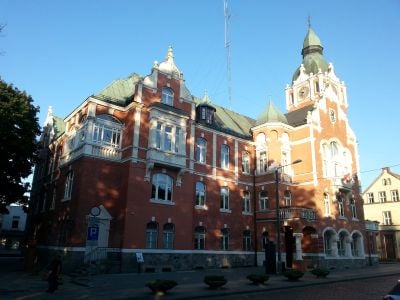
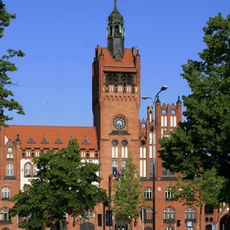
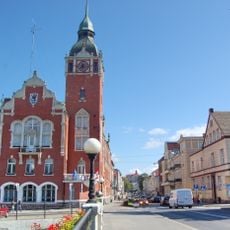
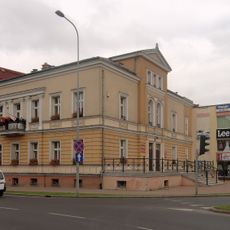
The original name comes from Slavic words meaning pole or post, reflected in the Słupia River that flows through the center. On market days and during town festivals, residents gather around the town hall square, which now serves as both an administrative building and a venue for public events.
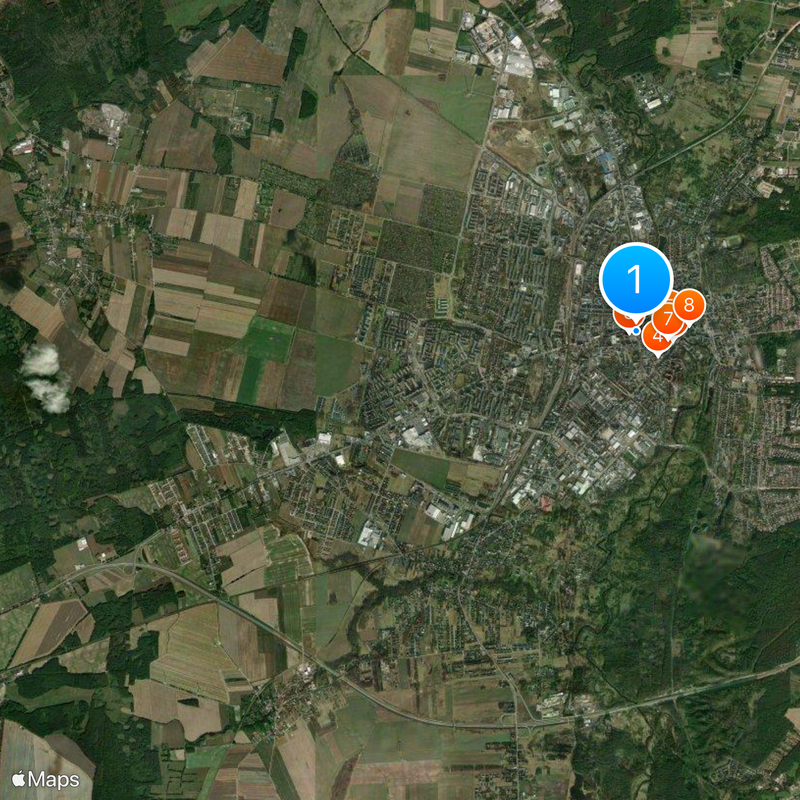
The city is well connected by train from Gdańsk and Szczecin, with most points of interest within walking distance of the railway station. For visitors with limited mobility, the flat paths along the riverbanks and through the castle park are particularly suitable.
The castle houses the largest collection of Witkacy paintings in Poland, with over 200 works by the Polish painter and writer. The Witchmill, a preserved 18th-century windmill, stands in the western part of town and is named after a local legend.
The community of curious travelers
AroundUs brings together thousands of curated places, local tips, and hidden gems, enriched daily by 90,816 contributors worldwide.