See the monuments around you in AROpen chests in the app
Around Us is built for your phone — point your camera at the streets and discover the monuments and places around you in augmented reality.Around Us is built for your phone — chests unlock when you walk, explore and capture nearby places.
Historic monuments and museums in Gdansk: medieval history, gothic architecture, Solidarity
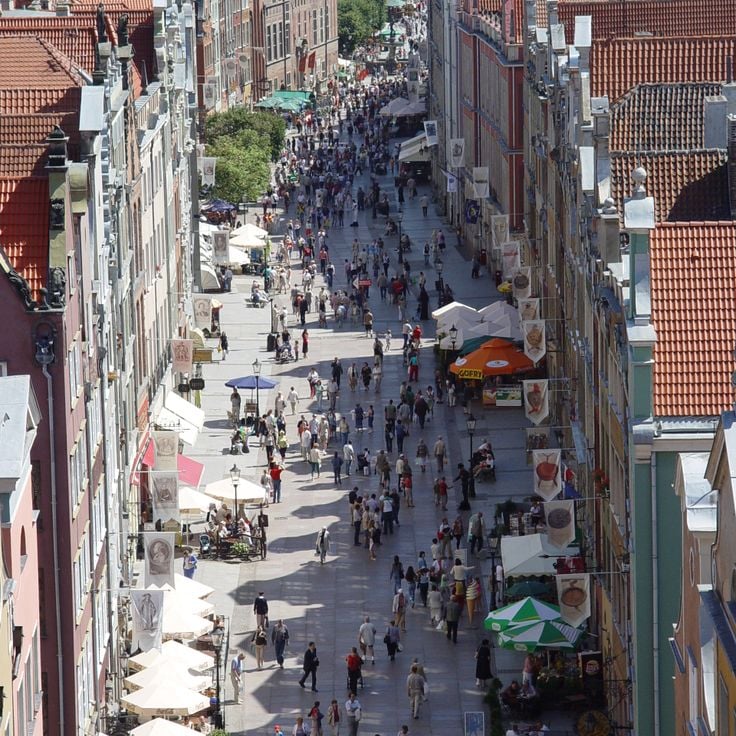
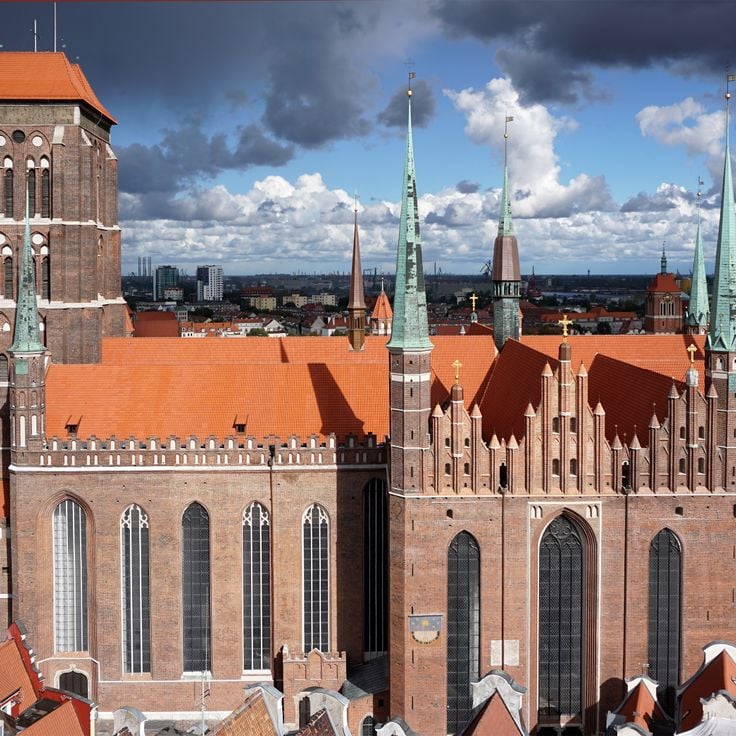
Gdansk invites you to explore centuries of history through its cobblestone streets and brick buildings. Large gothic churches stand next to Renaissance houses, while signs of its seafaring past are found throughout the city. Walking along the Royal Route, you see historic gates, lively squares, and medieval houses with colorful facades. The Saint Mary’s Church, built between 1343 and 1502, impresses with its size and allows visitors to view its medieval astronomical clock and painted altars.
Gdansk also holds key moments from the 20th century. At Westerplatte, a historic peninsula, the first shots of World War II rang out on September 1, 1939. Later, in the city’s shipyards, the Solidarity movement started and changed European history. These events are remembered in several museums that tell the stories of civilians and soldiers.
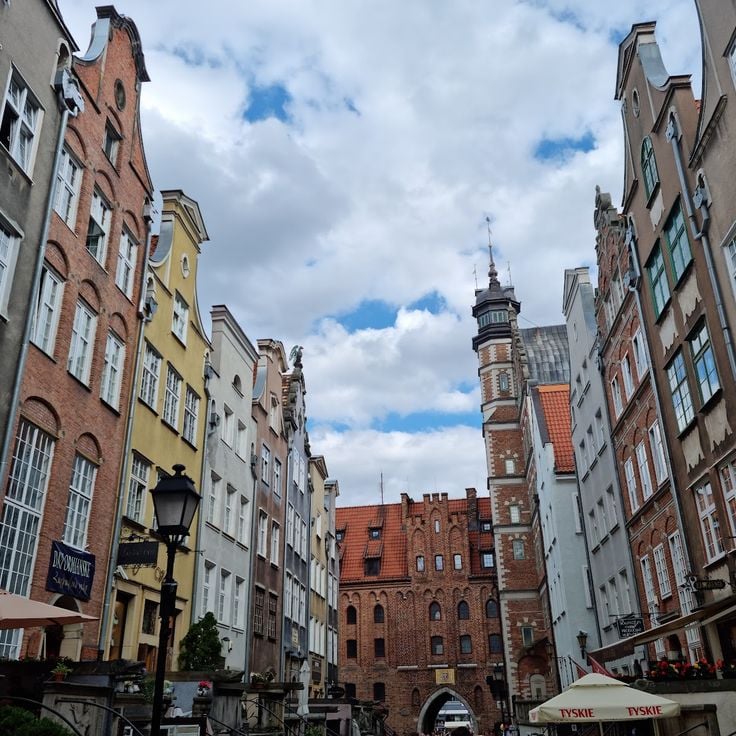
For art and culture lovers, Gdansk offers treasures at every turn. The Artus Court, once a meeting place for merchants, combines gothic and Renaissance styles. Mariacka Street sparkles with shops selling amber, a local gem treasured for centuries. The National Museum shows European paintings from the Middle Ages to today, including Hans Memling’s Last Judgment triptych. The Abbot’s Palace, a rococo building from the 18th century, now hosts contemporary art shows. These places together tell the story of a prosperous trading city that has been rebuilt over the years, always alive and looking ahead.
Historic monuments and museums in Gdansk: medieval history, gothic architecture, Solidarity
Gdansk invites you to explore centuries of history through its cobblestone streets and brick buildings. Large gothic churches stand next to Renaissance houses, while signs of its seafaring past are found throughout the city. Walking along the Royal Route, you see historic gates, lively squares, and medieval houses with colorful facades. The Saint Mary’s Church, built between 1343 and 1502, impresses with its size and allows visitors to view its medieval astronomical clock and painted altars.
Gdansk also holds key moments from the 20th century. At Westerplatte, a historic peninsula, the first shots of World War II rang out on September 1, 1939. Later, in the city’s shipyards, the Solidarity movement started and changed European history. These events are remembered in several museums that tell the stories of civilians and soldiers.
For art and culture lovers, Gdansk offers treasures at every turn. The Artus Court, once a meeting place for merchants, combines gothic and Renaissance styles. Mariacka Street sparkles with shops selling amber, a local gem treasured for centuries. The National Museum shows European paintings from the Middle Ages to today, including Hans Memling’s Last Judgment triptych. The Abbot’s Palace, a rococo building from the 18th century, now hosts contemporary art shows. These places together tell the story of a prosperous trading city that has been rebuilt over the years, always alive and looking ahead.
The Royal Way in Gdansk has long been the heart of the city, connecting two important gates - the High Gate and the Green Gate - just as it did centuries ago. Walking this street, you see different building styles from the Middle Ages and Renaissance reflected in the colorful house facades. The cobblestones beneath your feet lead you past key landmarks, including the Neptune Fountain, which has been a meeting place for generations, and the old Prison Tower. The Royal Way brings together the history of Gdansk with the everyday present, as cafes and shops invite you to stop and spend time here.
The Church of Saint Mary in Gdansk is a striking Gothic brick structure built between 1343 and 1502. Its massive construction dominates the Old Town and can hold approximately 25,000 people. Inside, visitors find a medieval astronomical clock and richly painted altars that reflect the skilled craftsmanship of the period. This church embodies Gdansk's long history as a prosperous Hanseatic city and showcases the Gothic architecture that defines the cityscape.
Rue Mariacka is a historic street in Gdansk's old town, known for its traditional architecture and amber jewelry shops. This street embodies the city's Hanseatic heritage through its Gothic and Renaissance facades, transporting visitors back to the medieval past. Amber jewelry boutiques line both sides of the street, inviting shoppers to browse and discover local craftsmanship traditions. The street reflects the commercial activity that shaped Gdansk for centuries and remains a living connection to the city's merchant history.
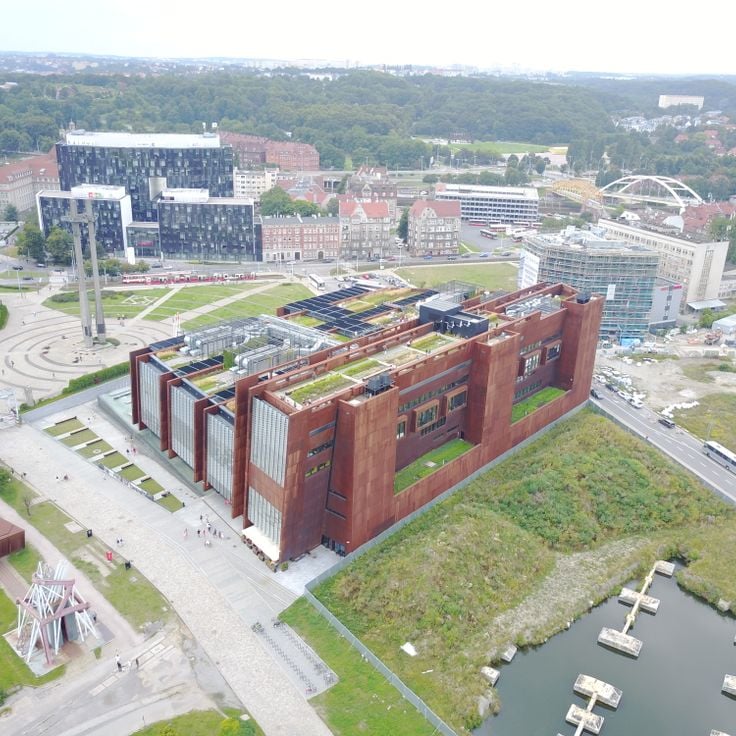
The European Solidarity Centre in Gdansk is a museum that tells the story of the Solidarity movement. Located near the shipyard where it all began, this place honors the workers who stood up against the state in the 1980s. Inside, you find personal accounts of strikes, imprisonments, and the determination of ordinary people who changed their country. The exhibits display letters, photographs, and objects from those turbulent years. Visitors walk through spaces that feel close to the real events, understanding how this movement rippled across Europe and inspired others to seek freedom.
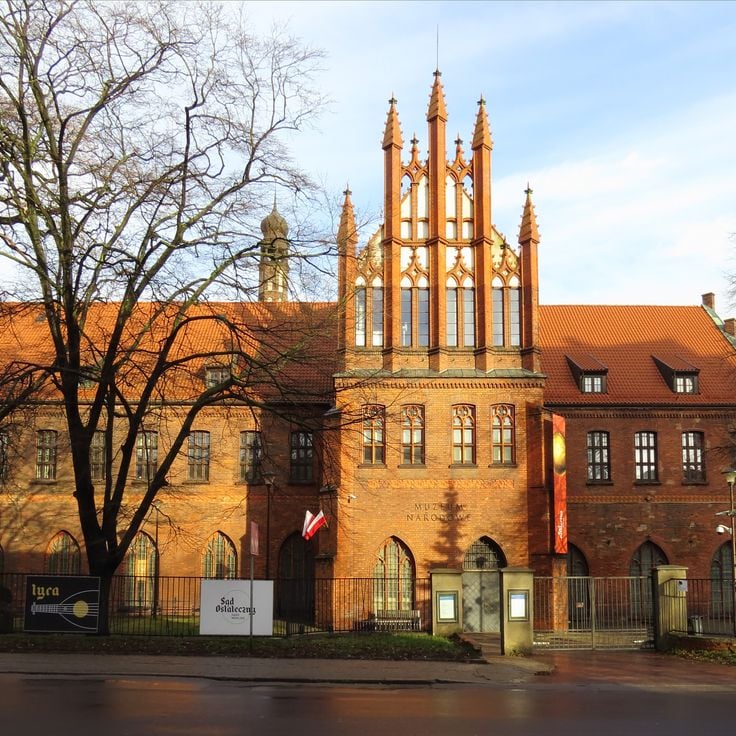
The National Museum of Gdansk displays European art spanning from the Middle Ages to today. The collection features paintings, sculptures, and decorative objects from different periods and regions. The most renowned piece is the 15th-century triptych of the Last Judgment by Hans Memling. Walking through the galleries, you encounter works that reveal how European art evolved over the centuries. This museum serves as a window into the artistic traditions that shaped the continent.
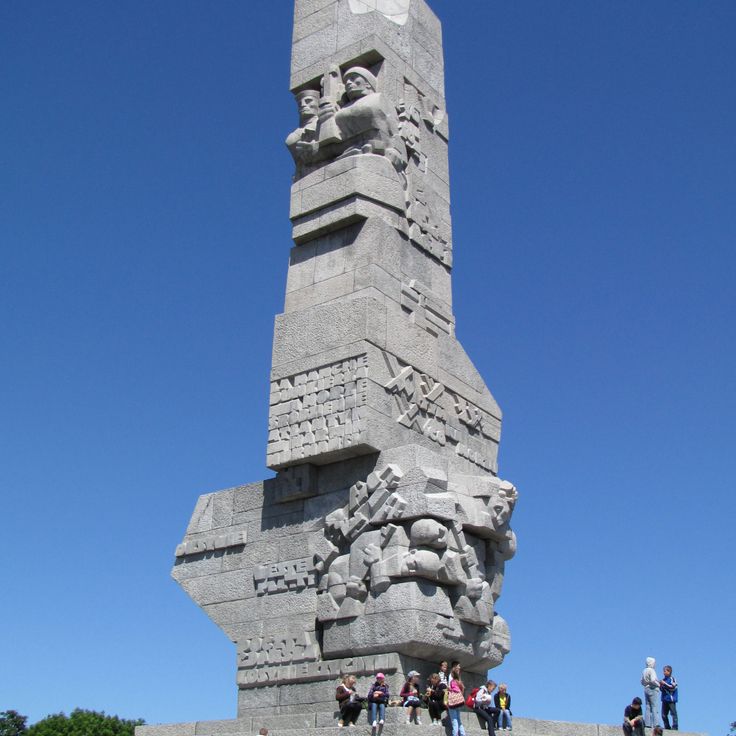
Westerplatte is a peninsula in Gdansk where a pivotal moment of the 20th century unfolded. On September 1, 1939, the German warship Schleswig-Holstein fired the opening shots of World War II. Today, visitors can see the ruins of the fortifications and explore the nearby museum, which tells the story of the Polish soldiers and civilians who defended this location during the war's early days. The site stands as a memorial to courage and resistance.
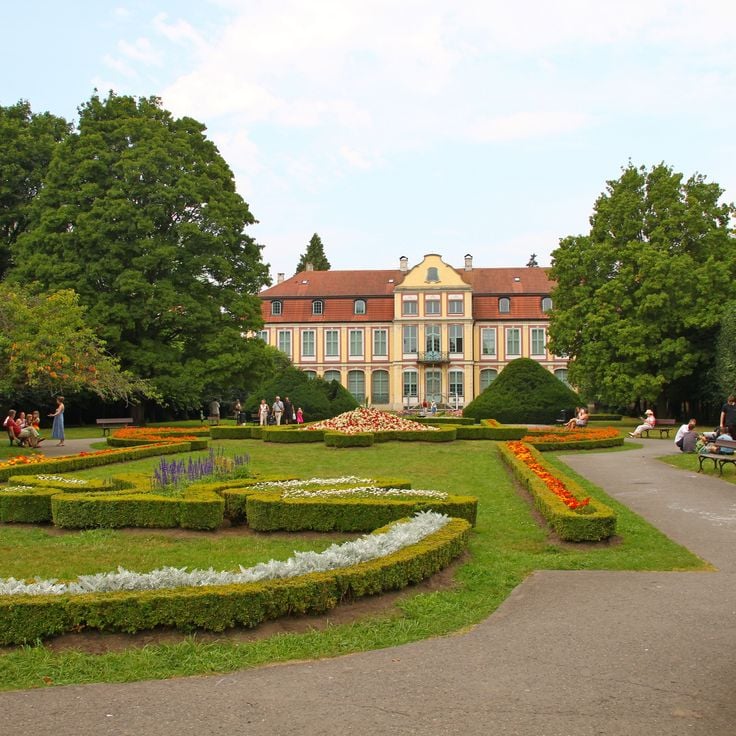
The Palais de l'Abbé is a rococo building from the 18th century located in the Oliwa district. Today it houses part of the National Museum and presents contemporary art exhibitions. Its refined rooms reflect the splendor of past eras and provide a fitting setting for modern artistic works.
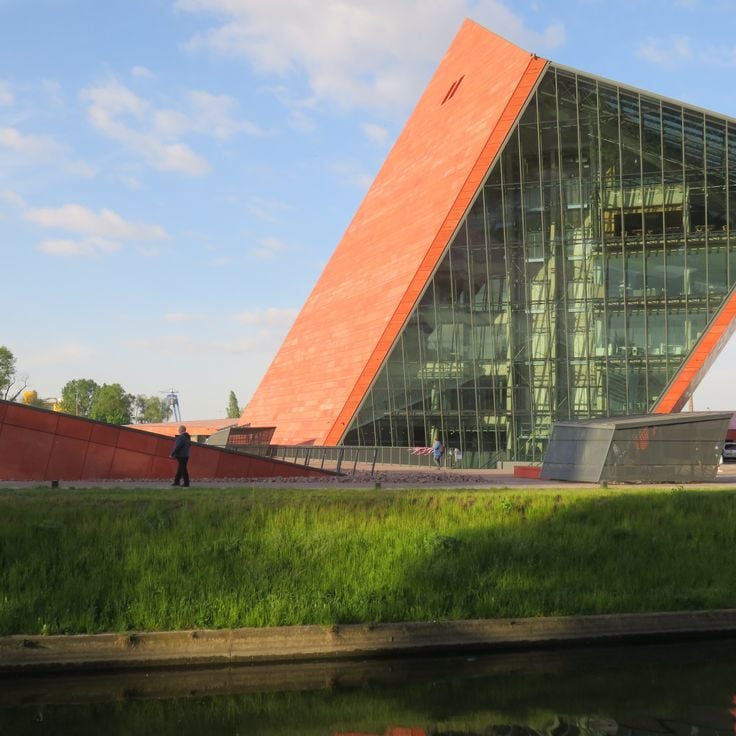
The Museum of World War II in Gdansk tells the stories of soldiers and civilians who lived through the war. Its collections include objects, documents and personal accounts that bring this period to life. Visitors discover how the conflict affected daily life in the city and in families. The museum opened in 2017 and presents these histories through carefully arranged exhibitions and authentic artifacts.
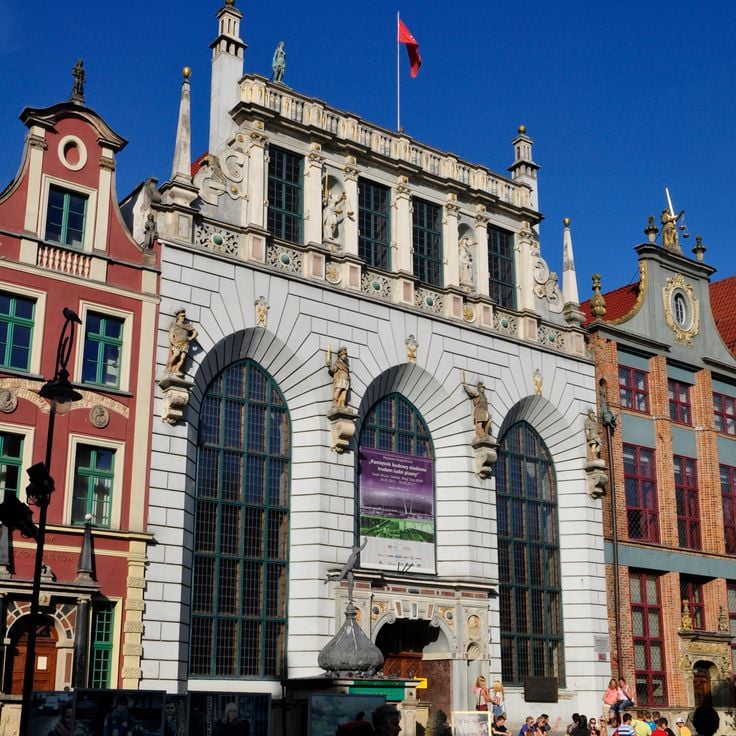
The Artus Court in Gdansk served as a gathering place for merchants and traders who shaped the city's commerce. Built with a blend of Gothic and Renaissance elements, this building stands near the Neptune Fountain in the heart of the old town. Inside, visitors find rooms decorated with period furnishings that speak to the power and wealth of the merchant class. The court reflects Gdansk's prosperous past as a major trading hub and remains a window into the city's medieval and Renaissance centuries.
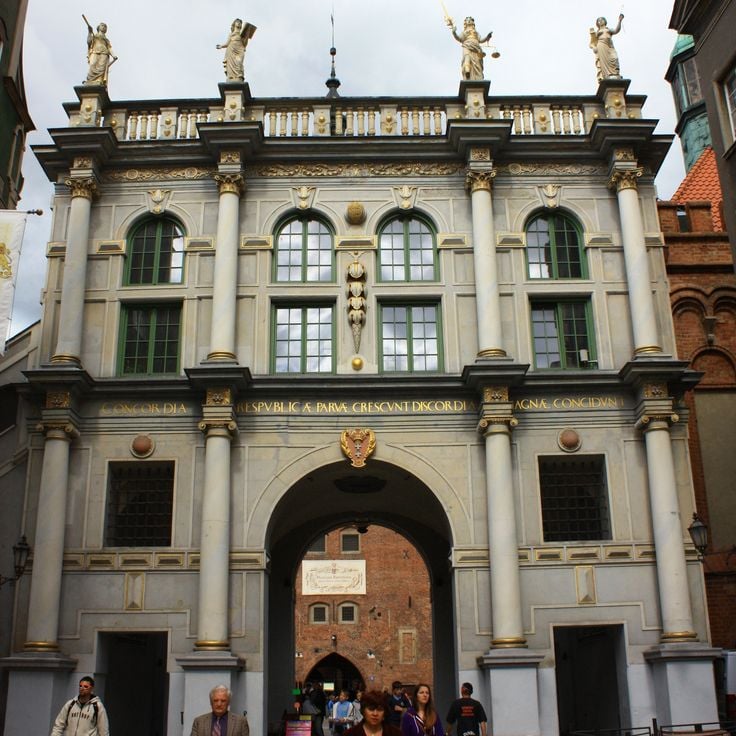
The Golden Gate is a Renaissance gate built in 1612 in Gdansk. Its facade displays allegorical sculptures representing civic virtues. The gate marks the entrance to the city and connects the outer areas with the old town. Its architecture reflects the prosperity and trade that defined Gdansk in the 17th century. Today it stands as a symbol of the city's revival after its destruction during World War II.
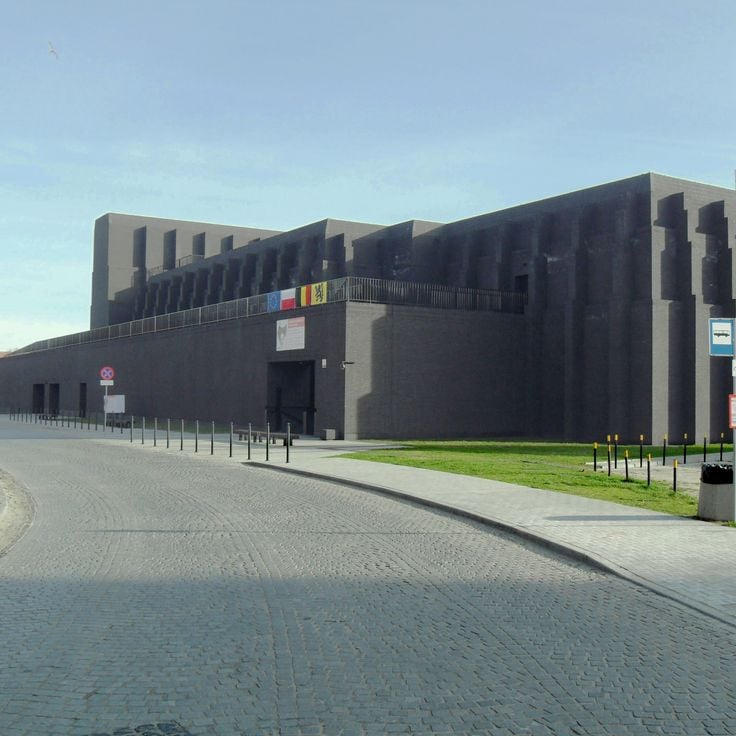
The Shakespeare Theatre in Gdansk sits on the site of a historic 17th-century theater. This modern building combines history with contemporary design and features a retractable roof that allows for open-air performances. The theater serves as an important cultural venue in the city and shows how Gdansk preserves and renews its theatrical tradition.
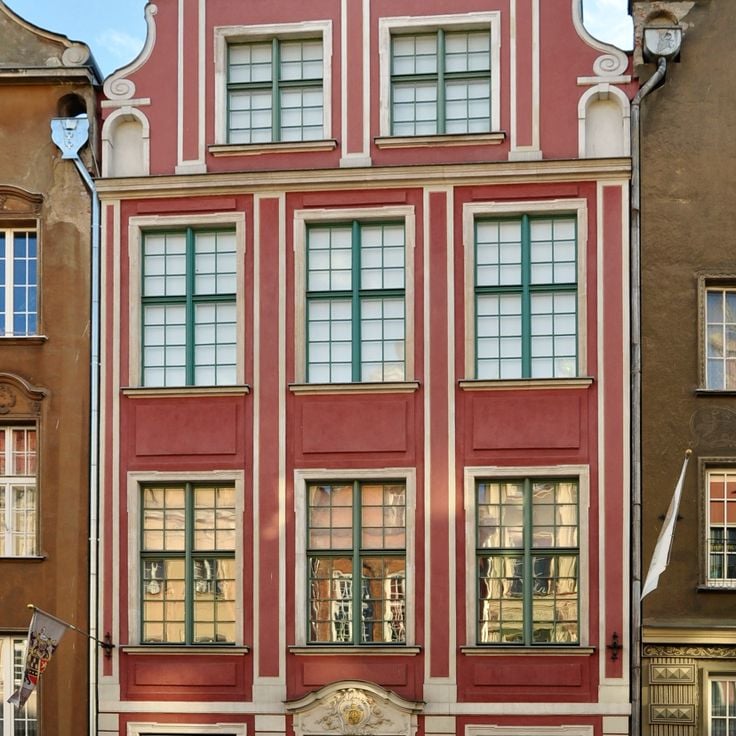
This merchant's house from the 1700s opens its doors to show how a wealthy family lived. The rooms hold their original furniture, paintings, and objects from that time. You see a mix of rococo and classical decoration throughout. Walking through, you understand what daily life looked like for someone of importance. The house sits in Gdansk's old town, where merchants kept their business and home in the same building. Each room tells a story about trade, status, and how people furnished their lives centuries ago.
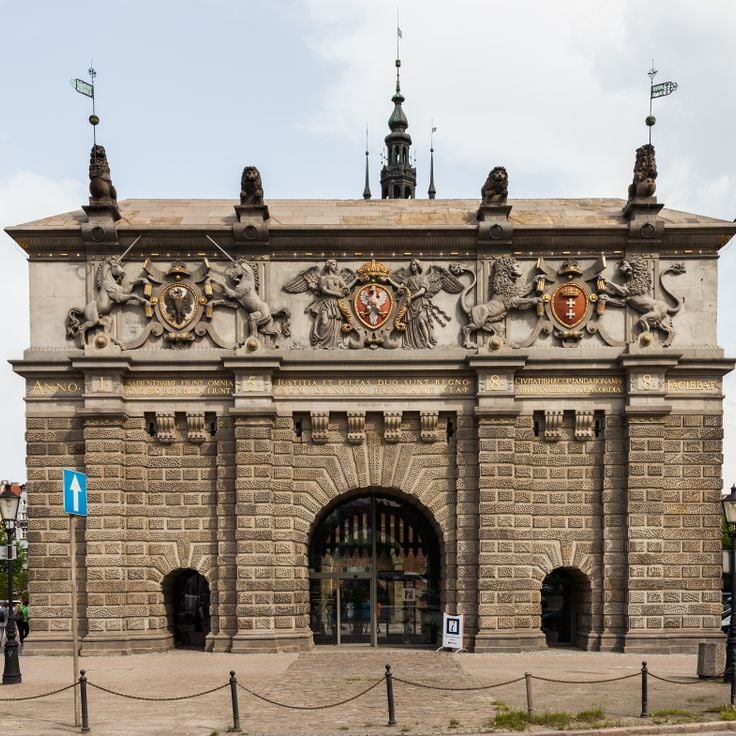
This gate serves as the western entrance to Gdansk's old town and was built in 1588. With its Renaissance decorations by Willem van den Blocke, it welcomes visitors stepping into the medieval city. The red brick masonry and elaborate ornaments show the craftsmanship of that era. The gate stands on the Royal Way, one of Gdansk's main thoroughfares, where travelers were greeted then and continue to be greeted today. It marks the threshold between the modern city and the narrow streets with colorful facades and historic buildings.
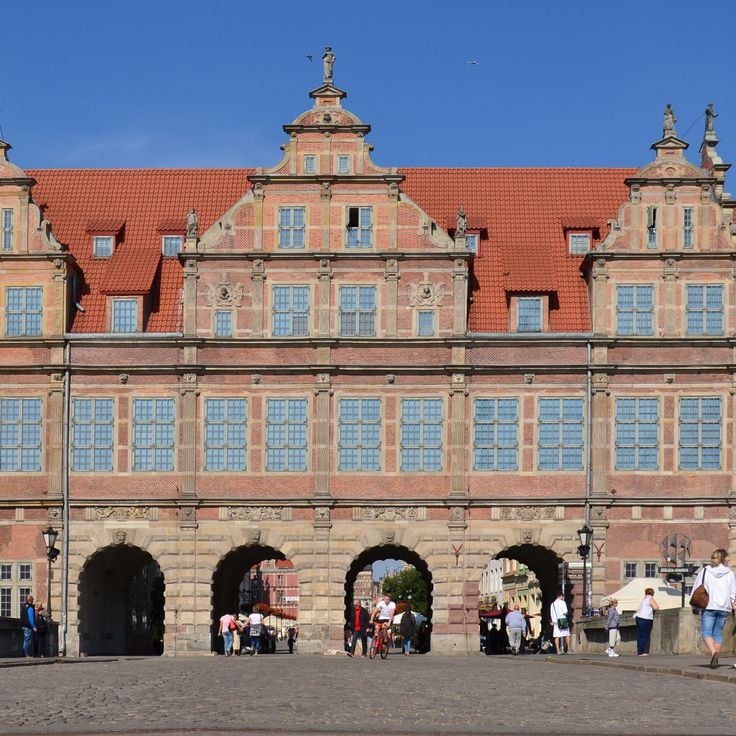
The Green Gate is a Dutch Mannerist structure built between 1568 and 1571, originally designed as a royal residence. Its striking green facade has become an iconic sight in the Gdansk old town, marking the entrance to the city from the river. Now home to the National Museum offices, this building represents the prosperity and architectural refinement that once defined this major trading port. Walking past it on the riverbank, you can sense how it once welcomed dignitaries and merchants to the city.
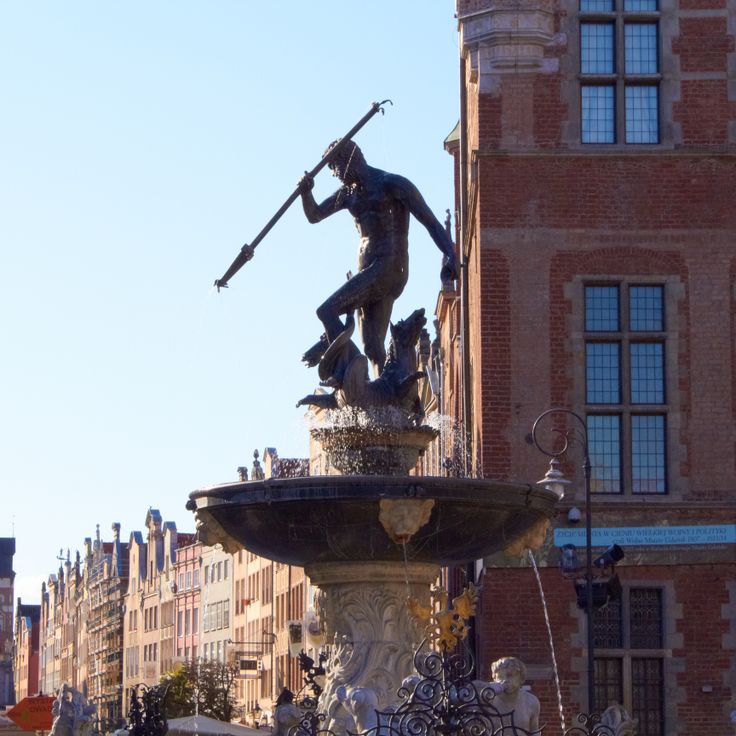
The Fountain of Neptune stands in the Long Market and was built in 1633. The sculptor Abraham van den Blocke created the statue of the sea god. The fountain displays various sea creatures and rococo decorations. It symbolizes the wealth and maritime tradition of Gdansk. This fountain is one of the oldest surviving artworks in the city and has stood in the heart of the old town for centuries. Visitors can admire the Renaissance craftsmanship here.
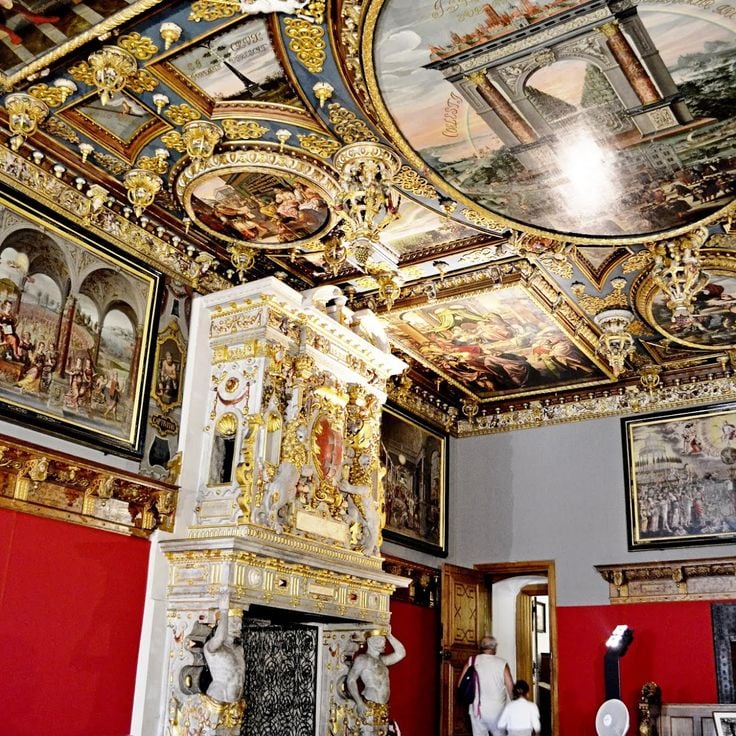
Gdansk's Main Town Hall is a building from the 13th and 14th centuries with a Dutch Mannerist facade. Inside is the Red Chamber, whose ceiling is decorated with symbolic paintings. The Town Hall stands at the heart of the Old Town and reflects Gdansk's time as a prosperous merchant city. Its architecture combines Gothic structures with Renaissance and later stylistic influences. Today, visitors can explore the grand rooms and experience the city's history through its walls.
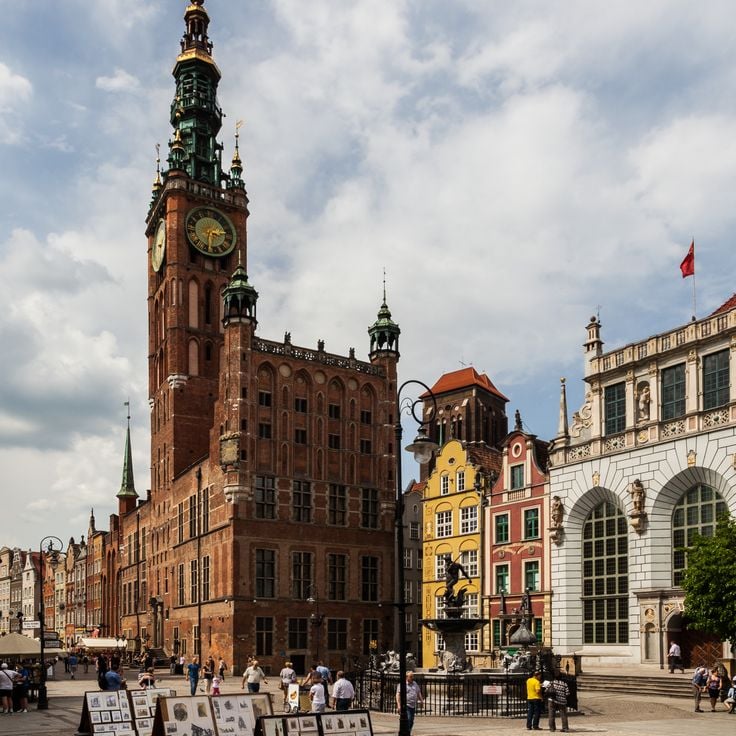
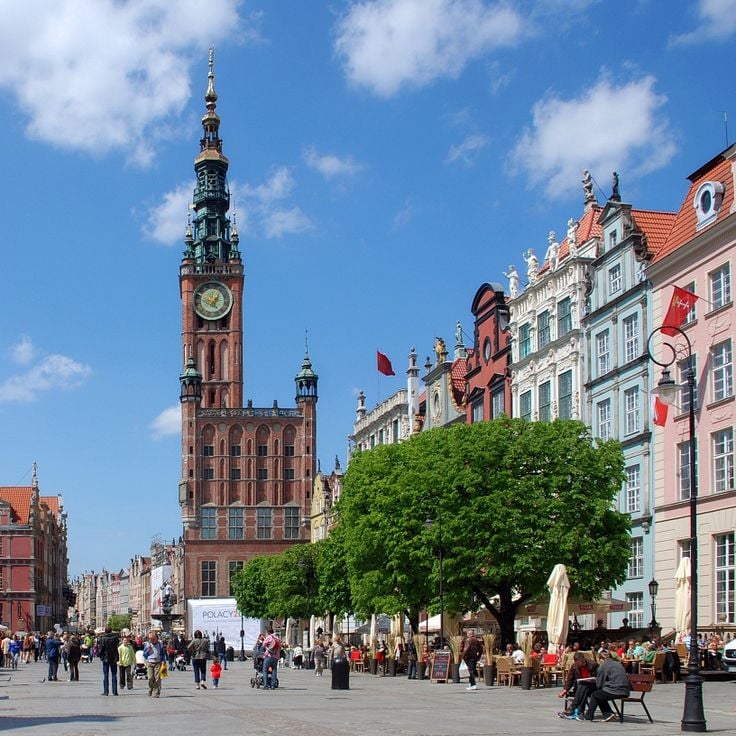
The Town Hall of the Old Town in Gdansk is a 16th-century building designed by Antoon van Obberghen. Its red brick architecture and tall tower dominate the Long Market Street. Today it serves as the Baltic Sea Cultural Center, blending the city's medieval past with contemporary cultural offerings. Standing at the heart of the Old Town, this building reflects Gdansk's prosperity as a port city.
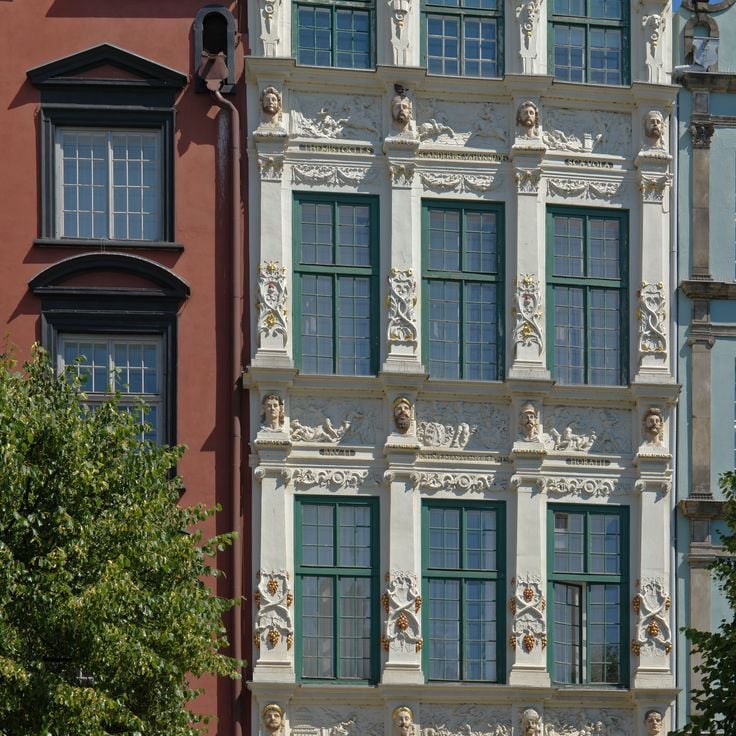
The Golden House in Gdansk is a remarkable Renaissance building from 1609, created by Abraham van den Blocke. Its richly decorated facade shows the craftsmanship and wealth of the Hanseatic city during its prosperous period. The building displays typical Renaissance features with ornamental details and refined decorations. Standing in Gdansk's old town, this house testifies to the city's trading tradition and architectural development during this era.
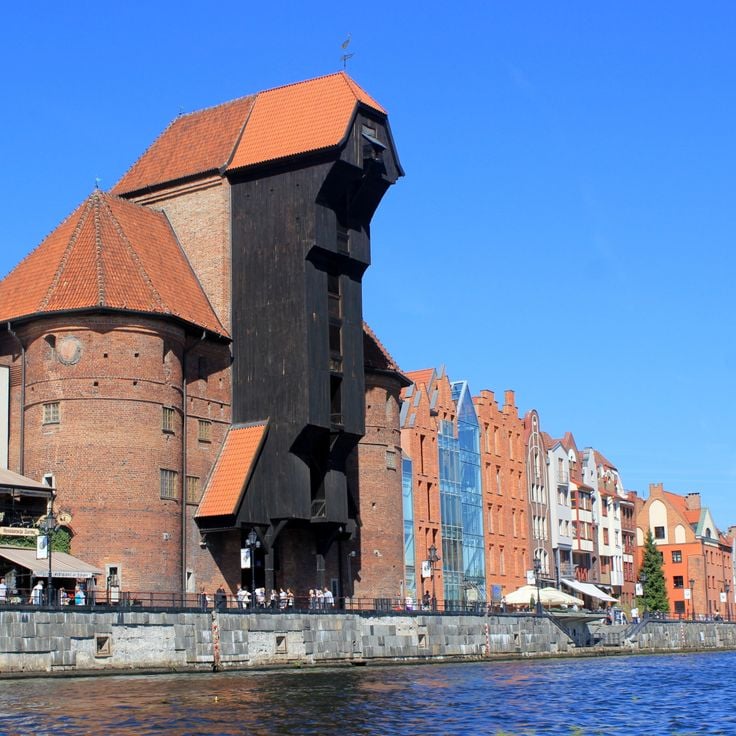
The Crane Gate is a 15th-century harbor building that once controlled the port and helped load ships with goods. Its distinctive red brick tower and wooden crane mechanism show how maritime trade shaped Gdansk's history. Walking around it today, you can imagine the busy harbor of centuries past and the skilled workers who operated the crane. Now part of the Maritime Museum, it tells the story of how the port functioned in medieval times and what made Gdansk such an important trading center.
Saint Nicholas Church in Gdansk is the city's oldest church, showing how architecture changed from Gothic to Baroque times. The building was first built in the 12th century and was rebuilt and expanded over the centuries. While the outside keeps its Gothic style, the inside displays Baroque decoration and furnishings. The church sits at the edge of the Old Town and tells through its spaces how Gdansk developed from medieval times to the modern era.
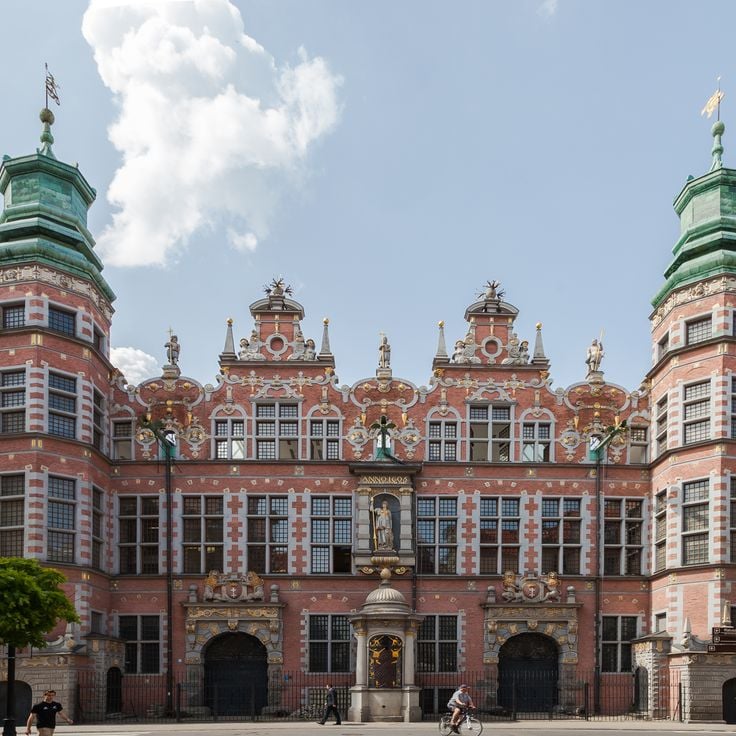
The Grand Arsenal of Gdansk is a 17th-century weapons storage building designed by architect Antoon van Obberghen. Its red brick structure has shaped the city's skyline for centuries. Today, a shopping center and the Academy of Fine Arts occupy the building, breathing new life into this historical monument. The facade displays the craftsmanship of Renaissance architecture and connects Gdansk's military past with its role in contemporary cultural life.
Long Market is the main square of Gdansk and forms the heart of the Royal Way. This square has been the center of trade and public life in the city for centuries. Here stand colorful townhouses where Gothic and Renaissance styles meet. The square is dominated by the impressive Town Hall, a 16th century building crowned by a tall tower. Around the perimeter you see historic merchant houses where wealthy traders once lived and conducted business. Today Long Market is a living place where people stroll, sit in cafes, and feel the history of this trading city.
The Mariacka Gate is a medieval structure in Gdansk that connects Mariacka Street to the Long Bridge Embankment. This gate stands at an important point in the Old Town, where merchants and travelers once passed through. It shows the Gothic style of architecture that defines Gdansk and recalls the time when this city was a major trading center. The gate sits along the path between the colorful building facades of Mariacka Street, where amber trade has taken place for centuries, and the busy river shore.
The Polish Post Museum in Gdansk tells the story of Polish postal service history and honors the brave defense of the post office during the German invasion of 1939. This museum presents the experiences of the people who worked there and their resistance during the occupation. The exhibition preserves personal accounts and historical records from a crucial moment in the city's past.
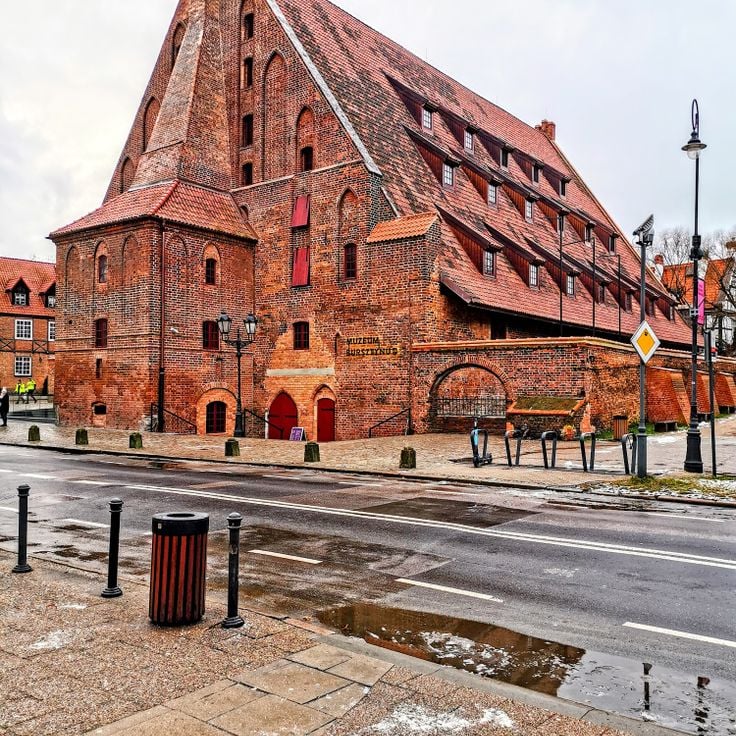
The Amber Museum in Gdansk presents an extensive collection of amber and natural specimens spanning 40 million years of history. Located in the Grand Mill, a historic building in the heart of the city, this museum shows how local craftspeople have worked with this precious material. Visitors can see raw stones and finished pieces, from jewelry to decorative objects, all telling the story of amber's importance in Gdansk's trade and culture. The collection demonstrates how people have valued and used amber throughout the centuries.
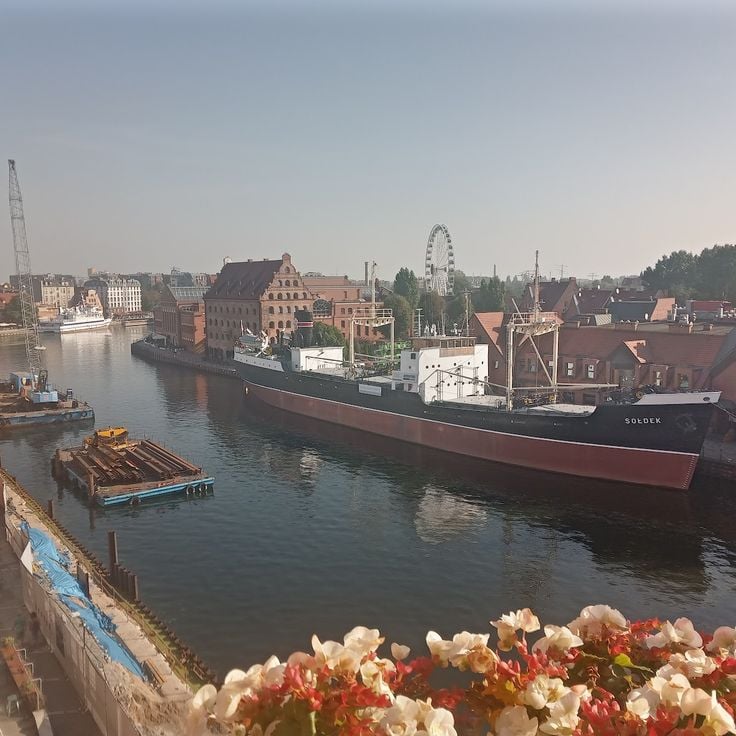
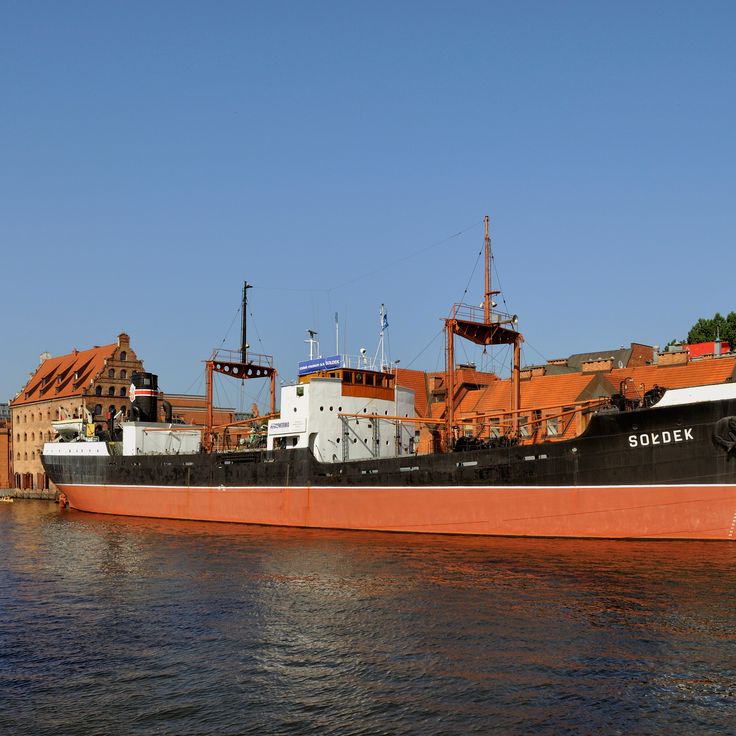
The Soldek Ship Museum in Gdansk is the first seagoing vessel built at the city's shipyard after World War II. Now serving as a maritime museum, it displays the shipbuilding technologies that developed at this important facility. Visitors can explore the working areas, engine rooms, and navigation equipment on board, understanding how this place became a center of the shipbuilding industry.
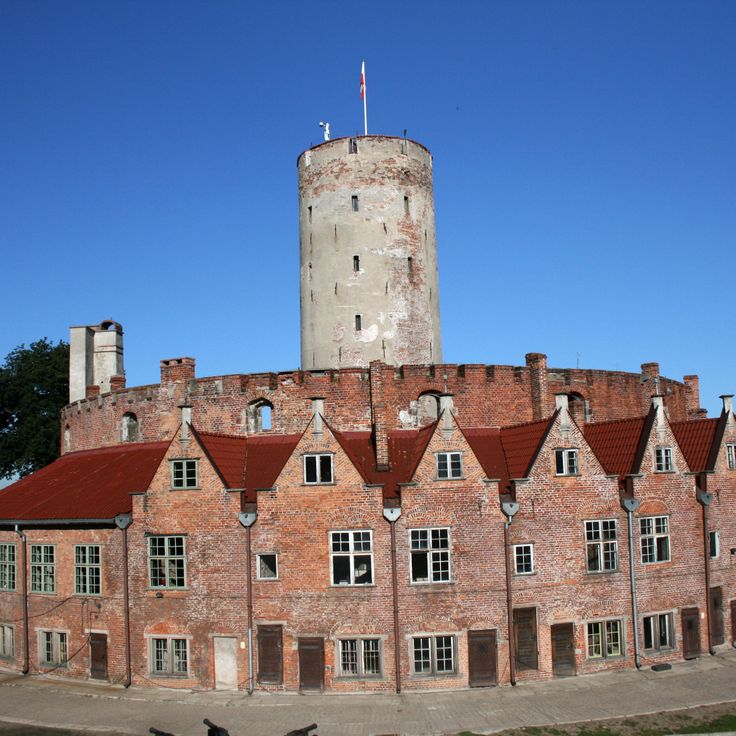
The Wisloujscie Fortress in Gdansk is a defensive complex from the 1300s that guarded the entrance to this major port city. It reflects Gdansk's deep connection to maritime life and trade. Together with its lighthouse, the fortress tells the story of protection and guidance that shaped this city through the centuries. You can explore how this place helped defend and guide the ships that made Gdansk prosper.
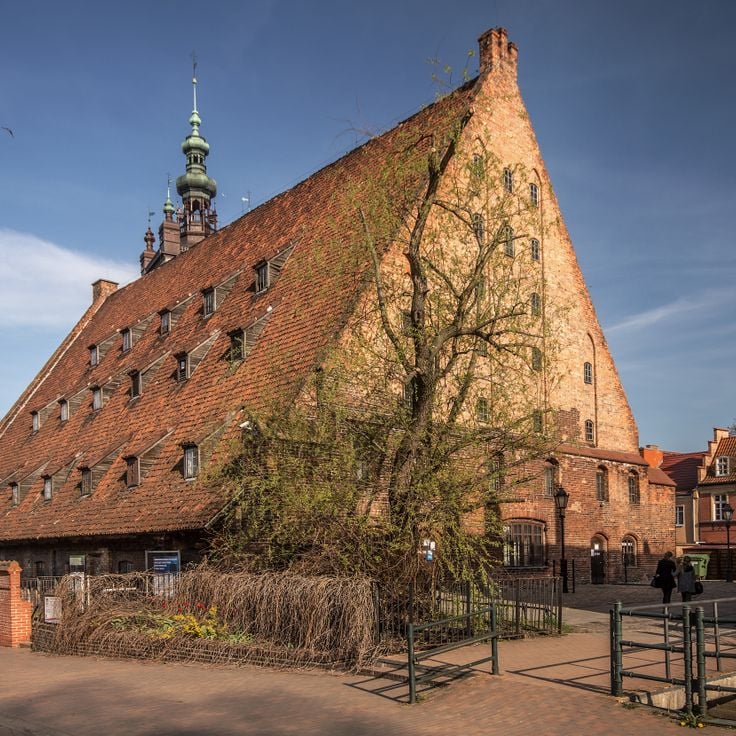
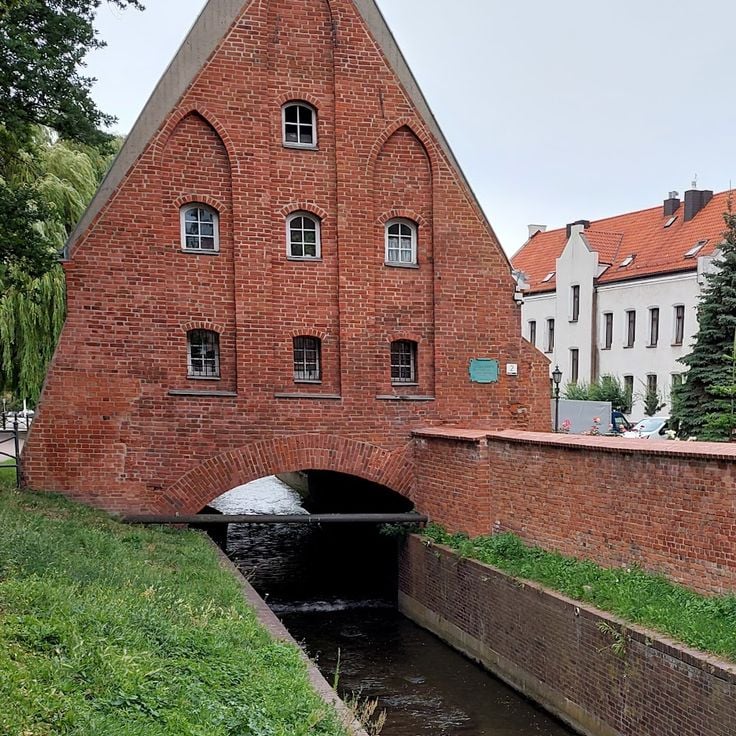
The Grand Mill is a medieval mill building from the 14th century in Gdansk. Built with red brick, it reflects the city's prosperous trading past during the Middle Ages and Renaissance. Today it houses the Amber Museum with an impressive collection of amber artifacts, including pieces millions of years old. The building connects Gdansk's history as a major trading hub with its current role as a cultural center. Visitors can see fossilized insects and plants trapped in amber and learn about this valuable local material that has been treasured in this region for centuries.
The Petit Moulin in Gdansk is an industrial heritage building from the 14th century, standing beside the Radunia Canal in the Old Town. This structure forms part of the city's rich history as a major trading center and speaks to the crafts and industries that once defined daily life here. The mill stands as a reminder of the time when Gdansk built its power through commerce and manufacturing. Constructed with red brick in the solid style of medieval architecture, it reflects the economic activities that shaped life in this port city.
The Main Railway Station of Gdansk is a transport hub built in 1900 in the Neo-Gothic style. Its striking red brick building shapes the city's appearance with original architectural details and a clock tower. This railway station connects Gdansk to its maritime past as a merchant center and stands today between the medieval Old Town and the modern life of the city. The station shows how Gdansk developed into a modern city in the 20th century while keeping its historical roots.
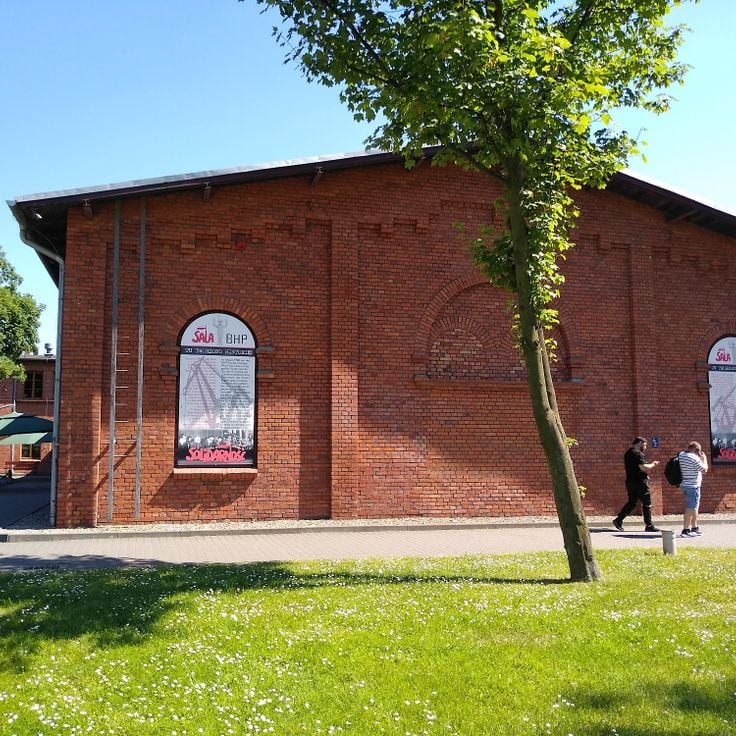
The BHP Hall in Gdansk is a historic space where workers signed agreements with the communist government in 1980. The room now hosts an exhibition about the Solidarity movement and its role in changing Europe. Visitors can follow the story of these important moments here and understand how this place became a symbol of resistance.
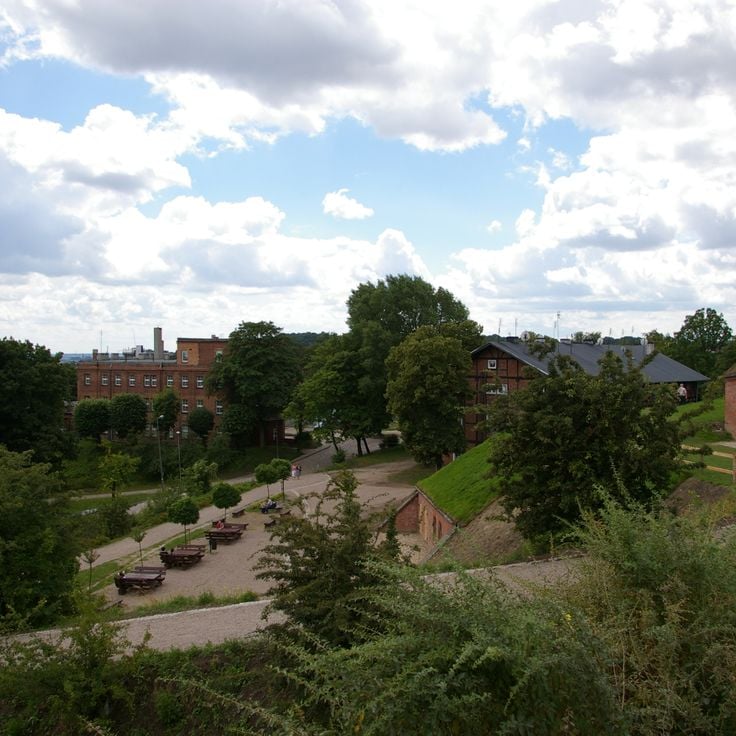
The Hevelianum is an interactive science center housed in renovated 19th century fortress buildings in Gdansk. You can explore hands-on exhibitions about physics, astronomy, and local history. The center brings science to life through practical demonstrations and engaging displays. Inside these historic brick structures, modern exhibits show how scientific discoveries shape our world. The Hevelianum is named after Johannes Hevelius, a celebrated astronomer from Gdansk whose observations advanced early astronomy.
The Maritime Culture Centre in Gdansk tells the story of the city's connection to the sea through hands-on displays. You will see navigation instruments, compasses, and other tools that sailors used to find their way across the ocean. The centre shows ship models of different sizes and eras, from small fishing boats to large trading vessels. Demonstrations explain how ships were built and how maritime technology changed over time. Walking through these exhibits, you understand why the sea was so important to Gdansk and how it shaped the lives of people here.
The Royal Way in Gdansk has long been the heart of the city, connecting two important gates - the High Gate and the Green Gate - just as it did centuries ago. Walking this street, you see different building styles from the Middle Ages and Renaissance reflected in the colorful house facades. The cobblestones beneath your feet lead you past key landmarks, including the Neptune Fountain, which has been a meeting place for generations, and the old Prison Tower. The Royal Way brings together the history of Gdansk with the everyday present, as cafes and shops invite you to stop and spend time here.
The Church of Saint Mary in Gdansk is a striking Gothic brick structure built between 1343 and 1502. Its massive construction dominates the Old Town and can hold approximately 25,000 people. Inside, visitors find a medieval astronomical clock and richly painted altars that reflect the skilled craftsmanship of the period. This church embodies Gdansk's long history as a prosperous Hanseatic city and showcases the Gothic architecture that defines the cityscape.
Rue Mariacka is a historic street in Gdansk's old town, known for its traditional architecture and amber jewelry shops. This street embodies the city's Hanseatic heritage through its Gothic and Renaissance facades, transporting visitors back to the medieval past. Amber jewelry boutiques line both sides of the street, inviting shoppers to browse and discover local craftsmanship traditions. The street reflects the commercial activity that shaped Gdansk for centuries and remains a living connection to the city's merchant history.
The European Solidarity Centre in Gdansk is a museum that tells the story of the Solidarity movement. Located near the shipyard where it all began, this place honors the workers who stood up against the state in the 1980s. Inside, you find personal accounts of strikes, imprisonments, and the determination of ordinary people who changed their country. The exhibits display letters, photographs, and objects from those turbulent years. Visitors walk through spaces that feel close to the real events, understanding how this movement rippled across Europe and inspired others to seek freedom.
The National Museum of Gdansk displays European art spanning from the Middle Ages to today. The collection features paintings, sculptures, and decorative objects from different periods and regions. The most renowned piece is the 15th-century triptych of the Last Judgment by Hans Memling. Walking through the galleries, you encounter works that reveal how European art evolved over the centuries. This museum serves as a window into the artistic traditions that shaped the continent.
Westerplatte is a peninsula in Gdansk where a pivotal moment of the 20th century unfolded. On September 1, 1939, the German warship Schleswig-Holstein fired the opening shots of World War II. Today, visitors can see the ruins of the fortifications and explore the nearby museum, which tells the story of the Polish soldiers and civilians who defended this location during the war's early days. The site stands as a memorial to courage and resistance.
The Palais de l'Abbé is a rococo building from the 18th century located in the Oliwa district. Today it houses part of the National Museum and presents contemporary art exhibitions. Its refined rooms reflect the splendor of past eras and provide a fitting setting for modern artistic works.
The Museum of World War II in Gdansk tells the stories of soldiers and civilians who lived through the war. Its collections include objects, documents and personal accounts that bring this period to life. Visitors discover how the conflict affected daily life in the city and in families. The museum opened in 2017 and presents these histories through carefully arranged exhibitions and authentic artifacts.
The Artus Court in Gdansk served as a gathering place for merchants and traders who shaped the city's commerce. Built with a blend of Gothic and Renaissance elements, this building stands near the Neptune Fountain in the heart of the old town. Inside, visitors find rooms decorated with period furnishings that speak to the power and wealth of the merchant class. The court reflects Gdansk's prosperous past as a major trading hub and remains a window into the city's medieval and Renaissance centuries.
The Golden Gate is a Renaissance gate built in 1612 in Gdansk. Its facade displays allegorical sculptures representing civic virtues. The gate marks the entrance to the city and connects the outer areas with the old town. Its architecture reflects the prosperity and trade that defined Gdansk in the 17th century. Today it stands as a symbol of the city's revival after its destruction during World War II.
The Shakespeare Theatre in Gdansk sits on the site of a historic 17th-century theater. This modern building combines history with contemporary design and features a retractable roof that allows for open-air performances. The theater serves as an important cultural venue in the city and shows how Gdansk preserves and renews its theatrical tradition.
This merchant's house from the 1700s opens its doors to show how a wealthy family lived. The rooms hold their original furniture, paintings, and objects from that time. You see a mix of rococo and classical decoration throughout. Walking through, you understand what daily life looked like for someone of importance. The house sits in Gdansk's old town, where merchants kept their business and home in the same building. Each room tells a story about trade, status, and how people furnished their lives centuries ago.
This gate serves as the western entrance to Gdansk's old town and was built in 1588. With its Renaissance decorations by Willem van den Blocke, it welcomes visitors stepping into the medieval city. The red brick masonry and elaborate ornaments show the craftsmanship of that era. The gate stands on the Royal Way, one of Gdansk's main thoroughfares, where travelers were greeted then and continue to be greeted today. It marks the threshold between the modern city and the narrow streets with colorful facades and historic buildings.
The Green Gate is a Dutch Mannerist structure built between 1568 and 1571, originally designed as a royal residence. Its striking green facade has become an iconic sight in the Gdansk old town, marking the entrance to the city from the river. Now home to the National Museum offices, this building represents the prosperity and architectural refinement that once defined this major trading port. Walking past it on the riverbank, you can sense how it once welcomed dignitaries and merchants to the city.
The Fountain of Neptune stands in the Long Market and was built in 1633. The sculptor Abraham van den Blocke created the statue of the sea god. The fountain displays various sea creatures and rococo decorations. It symbolizes the wealth and maritime tradition of Gdansk. This fountain is one of the oldest surviving artworks in the city and has stood in the heart of the old town for centuries. Visitors can admire the Renaissance craftsmanship here.
Gdansk's Main Town Hall is a building from the 13th and 14th centuries with a Dutch Mannerist facade. Inside is the Red Chamber, whose ceiling is decorated with symbolic paintings. The Town Hall stands at the heart of the Old Town and reflects Gdansk's time as a prosperous merchant city. Its architecture combines Gothic structures with Renaissance and later stylistic influences. Today, visitors can explore the grand rooms and experience the city's history through its walls.
The Town Hall of the Old Town in Gdansk is a 16th-century building designed by Antoon van Obberghen. Its red brick architecture and tall tower dominate the Long Market Street. Today it serves as the Baltic Sea Cultural Center, blending the city's medieval past with contemporary cultural offerings. Standing at the heart of the Old Town, this building reflects Gdansk's prosperity as a port city.
The Golden House in Gdansk is a remarkable Renaissance building from 1609, created by Abraham van den Blocke. Its richly decorated facade shows the craftsmanship and wealth of the Hanseatic city during its prosperous period. The building displays typical Renaissance features with ornamental details and refined decorations. Standing in Gdansk's old town, this house testifies to the city's trading tradition and architectural development during this era.
The Crane Gate is a 15th-century harbor building that once controlled the port and helped load ships with goods. Its distinctive red brick tower and wooden crane mechanism show how maritime trade shaped Gdansk's history. Walking around it today, you can imagine the busy harbor of centuries past and the skilled workers who operated the crane. Now part of the Maritime Museum, it tells the story of how the port functioned in medieval times and what made Gdansk such an important trading center.
Saint Nicholas Church in Gdansk is the city's oldest church, showing how architecture changed from Gothic to Baroque times. The building was first built in the 12th century and was rebuilt and expanded over the centuries. While the outside keeps its Gothic style, the inside displays Baroque decoration and furnishings. The church sits at the edge of the Old Town and tells through its spaces how Gdansk developed from medieval times to the modern era.
The Grand Arsenal of Gdansk is a 17th-century weapons storage building designed by architect Antoon van Obberghen. Its red brick structure has shaped the city's skyline for centuries. Today, a shopping center and the Academy of Fine Arts occupy the building, breathing new life into this historical monument. The facade displays the craftsmanship of Renaissance architecture and connects Gdansk's military past with its role in contemporary cultural life.
Long Market is the main square of Gdansk and forms the heart of the Royal Way. This square has been the center of trade and public life in the city for centuries. Here stand colorful townhouses where Gothic and Renaissance styles meet. The square is dominated by the impressive Town Hall, a 16th century building crowned by a tall tower. Around the perimeter you see historic merchant houses where wealthy traders once lived and conducted business. Today Long Market is a living place where people stroll, sit in cafes, and feel the history of this trading city.
The Mariacka Gate is a medieval structure in Gdansk that connects Mariacka Street to the Long Bridge Embankment. This gate stands at an important point in the Old Town, where merchants and travelers once passed through. It shows the Gothic style of architecture that defines Gdansk and recalls the time when this city was a major trading center. The gate sits along the path between the colorful building facades of Mariacka Street, where amber trade has taken place for centuries, and the busy river shore.
The Polish Post Museum in Gdansk tells the story of Polish postal service history and honors the brave defense of the post office during the German invasion of 1939. This museum presents the experiences of the people who worked there and their resistance during the occupation. The exhibition preserves personal accounts and historical records from a crucial moment in the city's past.
The Amber Museum in Gdansk presents an extensive collection of amber and natural specimens spanning 40 million years of history. Located in the Grand Mill, a historic building in the heart of the city, this museum shows how local craftspeople have worked with this precious material. Visitors can see raw stones and finished pieces, from jewelry to decorative objects, all telling the story of amber's importance in Gdansk's trade and culture. The collection demonstrates how people have valued and used amber throughout the centuries.
The Soldek Ship Museum in Gdansk is the first seagoing vessel built at the city's shipyard after World War II. Now serving as a maritime museum, it displays the shipbuilding technologies that developed at this important facility. Visitors can explore the working areas, engine rooms, and navigation equipment on board, understanding how this place became a center of the shipbuilding industry.
The Wisloujscie Fortress in Gdansk is a defensive complex from the 1300s that guarded the entrance to this major port city. It reflects Gdansk's deep connection to maritime life and trade. Together with its lighthouse, the fortress tells the story of protection and guidance that shaped this city through the centuries. You can explore how this place helped defend and guide the ships that made Gdansk prosper.
The Grand Mill is a medieval mill building from the 14th century in Gdansk. Built with red brick, it reflects the city's prosperous trading past during the Middle Ages and Renaissance. Today it houses the Amber Museum with an impressive collection of amber artifacts, including pieces millions of years old. The building connects Gdansk's history as a major trading hub with its current role as a cultural center. Visitors can see fossilized insects and plants trapped in amber and learn about this valuable local material that has been treasured in this region for centuries.
The Petit Moulin in Gdansk is an industrial heritage building from the 14th century, standing beside the Radunia Canal in the Old Town. This structure forms part of the city's rich history as a major trading center and speaks to the crafts and industries that once defined daily life here. The mill stands as a reminder of the time when Gdansk built its power through commerce and manufacturing. Constructed with red brick in the solid style of medieval architecture, it reflects the economic activities that shaped life in this port city.
The Main Railway Station of Gdansk is a transport hub built in 1900 in the Neo-Gothic style. Its striking red brick building shapes the city's appearance with original architectural details and a clock tower. This railway station connects Gdansk to its maritime past as a merchant center and stands today between the medieval Old Town and the modern life of the city. The station shows how Gdansk developed into a modern city in the 20th century while keeping its historical roots.
The BHP Hall in Gdansk is a historic space where workers signed agreements with the communist government in 1980. The room now hosts an exhibition about the Solidarity movement and its role in changing Europe. Visitors can follow the story of these important moments here and understand how this place became a symbol of resistance.
The Hevelianum is an interactive science center housed in renovated 19th century fortress buildings in Gdansk. You can explore hands-on exhibitions about physics, astronomy, and local history. The center brings science to life through practical demonstrations and engaging displays. Inside these historic brick structures, modern exhibits show how scientific discoveries shape our world. The Hevelianum is named after Johannes Hevelius, a celebrated astronomer from Gdansk whose observations advanced early astronomy.
The Maritime Culture Centre in Gdansk tells the story of the city's connection to the sea through hands-on displays. You will see navigation instruments, compasses, and other tools that sailors used to find their way across the ocean. The centre shows ship models of different sizes and eras, from small fishing boats to large trading vessels. Demonstrations explain how ships were built and how maritime technology changed over time. Walking through these exhibits, you understand why the sea was so important to Gdansk and how it shaped the lives of people here.
The Royal Way in Gdansk has long been the heart of the city, connecting two important gates - the High Gate and the Green Gate - just as it did centuries ago. Walking this street, you see different building styles from the Middle Ages and Renaissance reflected in the colorful house facades. The cobblestones beneath your feet lead you past key landmarks, including the Neptune Fountain, which has been a meeting place for generations, and the old Prison Tower. The Royal Way brings together the history of Gdansk with the everyday present, as cafes and shops invite you to stop and spend time here.
The Church of Saint Mary in Gdansk is a striking Gothic brick structure built between 1343 and 1502. Its massive construction dominates the Old Town and can hold approximately 25,000 people. Inside, visitors find a medieval astronomical clock and richly painted altars that reflect the skilled craftsmanship of the period. This church embodies Gdansk's long history as a prosperous Hanseatic city and showcases the Gothic architecture that defines the cityscape.
Rue Mariacka is a historic street in Gdansk's old town, known for its traditional architecture and amber jewelry shops. This street embodies the city's Hanseatic heritage through its Gothic and Renaissance facades, transporting visitors back to the medieval past. Amber jewelry boutiques line both sides of the street, inviting shoppers to browse and discover local craftsmanship traditions. The street reflects the commercial activity that shaped Gdansk for centuries and remains a living connection to the city's merchant history.
The European Solidarity Centre in Gdansk is a museum that tells the story of the Solidarity movement. Located near the shipyard where it all began, this place honors the workers who stood up against the state in the 1980s. Inside, you find personal accounts of strikes, imprisonments, and the determination of ordinary people who changed their country. The exhibits display letters, photographs, and objects from those turbulent years. Visitors walk through spaces that feel close to the real events, understanding how this movement rippled across Europe and inspired others to seek freedom.
The National Museum of Gdansk displays European art spanning from the Middle Ages to today. The collection features paintings, sculptures, and decorative objects from different periods and regions. The most renowned piece is the 15th-century triptych of the Last Judgment by Hans Memling. Walking through the galleries, you encounter works that reveal how European art evolved over the centuries. This museum serves as a window into the artistic traditions that shaped the continent.
Westerplatte is a peninsula in Gdansk where a pivotal moment of the 20th century unfolded. On September 1, 1939, the German warship Schleswig-Holstein fired the opening shots of World War II. Today, visitors can see the ruins of the fortifications and explore the nearby museum, which tells the story of the Polish soldiers and civilians who defended this location during the war's early days. The site stands as a memorial to courage and resistance.
The Palais de l'Abbé is a rococo building from the 18th century located in the Oliwa district. Today it houses part of the National Museum and presents contemporary art exhibitions. Its refined rooms reflect the splendor of past eras and provide a fitting setting for modern artistic works.
The Museum of World War II in Gdansk tells the stories of soldiers and civilians who lived through the war. Its collections include objects, documents and personal accounts that bring this period to life. Visitors discover how the conflict affected daily life in the city and in families. The museum opened in 2017 and presents these histories through carefully arranged exhibitions and authentic artifacts.
The Artus Court in Gdansk served as a gathering place for merchants and traders who shaped the city's commerce. Built with a blend of Gothic and Renaissance elements, this building stands near the Neptune Fountain in the heart of the old town. Inside, visitors find rooms decorated with period furnishings that speak to the power and wealth of the merchant class. The court reflects Gdansk's prosperous past as a major trading hub and remains a window into the city's medieval and Renaissance centuries.
The Golden Gate is a Renaissance gate built in 1612 in Gdansk. Its facade displays allegorical sculptures representing civic virtues. The gate marks the entrance to the city and connects the outer areas with the old town. Its architecture reflects the prosperity and trade that defined Gdansk in the 17th century. Today it stands as a symbol of the city's revival after its destruction during World War II.
The Shakespeare Theatre in Gdansk sits on the site of a historic 17th-century theater. This modern building combines history with contemporary design and features a retractable roof that allows for open-air performances. The theater serves as an important cultural venue in the city and shows how Gdansk preserves and renews its theatrical tradition.
This merchant's house from the 1700s opens its doors to show how a wealthy family lived. The rooms hold their original furniture, paintings, and objects from that time. You see a mix of rococo and classical decoration throughout. Walking through, you understand what daily life looked like for someone of importance. The house sits in Gdansk's old town, where merchants kept their business and home in the same building. Each room tells a story about trade, status, and how people furnished their lives centuries ago.
This gate serves as the western entrance to Gdansk's old town and was built in 1588. With its Renaissance decorations by Willem van den Blocke, it welcomes visitors stepping into the medieval city. The red brick masonry and elaborate ornaments show the craftsmanship of that era. The gate stands on the Royal Way, one of Gdansk's main thoroughfares, where travelers were greeted then and continue to be greeted today. It marks the threshold between the modern city and the narrow streets with colorful facades and historic buildings.
The Green Gate is a Dutch Mannerist structure built between 1568 and 1571, originally designed as a royal residence. Its striking green facade has become an iconic sight in the Gdansk old town, marking the entrance to the city from the river. Now home to the National Museum offices, this building represents the prosperity and architectural refinement that once defined this major trading port. Walking past it on the riverbank, you can sense how it once welcomed dignitaries and merchants to the city.
The Fountain of Neptune stands in the Long Market and was built in 1633. The sculptor Abraham van den Blocke created the statue of the sea god. The fountain displays various sea creatures and rococo decorations. It symbolizes the wealth and maritime tradition of Gdansk. This fountain is one of the oldest surviving artworks in the city and has stood in the heart of the old town for centuries. Visitors can admire the Renaissance craftsmanship here.
Gdansk's Main Town Hall is a building from the 13th and 14th centuries with a Dutch Mannerist facade. Inside is the Red Chamber, whose ceiling is decorated with symbolic paintings. The Town Hall stands at the heart of the Old Town and reflects Gdansk's time as a prosperous merchant city. Its architecture combines Gothic structures with Renaissance and later stylistic influences. Today, visitors can explore the grand rooms and experience the city's history through its walls.
The Town Hall of the Old Town in Gdansk is a 16th-century building designed by Antoon van Obberghen. Its red brick architecture and tall tower dominate the Long Market Street. Today it serves as the Baltic Sea Cultural Center, blending the city's medieval past with contemporary cultural offerings. Standing at the heart of the Old Town, this building reflects Gdansk's prosperity as a port city.
The Golden House in Gdansk is a remarkable Renaissance building from 1609, created by Abraham van den Blocke. Its richly decorated facade shows the craftsmanship and wealth of the Hanseatic city during its prosperous period. The building displays typical Renaissance features with ornamental details and refined decorations. Standing in Gdansk's old town, this house testifies to the city's trading tradition and architectural development during this era.
The Crane Gate is a 15th-century harbor building that once controlled the port and helped load ships with goods. Its distinctive red brick tower and wooden crane mechanism show how maritime trade shaped Gdansk's history. Walking around it today, you can imagine the busy harbor of centuries past and the skilled workers who operated the crane. Now part of the Maritime Museum, it tells the story of how the port functioned in medieval times and what made Gdansk such an important trading center.
Saint Nicholas Church in Gdansk is the city's oldest church, showing how architecture changed from Gothic to Baroque times. The building was first built in the 12th century and was rebuilt and expanded over the centuries. While the outside keeps its Gothic style, the inside displays Baroque decoration and furnishings. The church sits at the edge of the Old Town and tells through its spaces how Gdansk developed from medieval times to the modern era.
The Grand Arsenal of Gdansk is a 17th-century weapons storage building designed by architect Antoon van Obberghen. Its red brick structure has shaped the city's skyline for centuries. Today, a shopping center and the Academy of Fine Arts occupy the building, breathing new life into this historical monument. The facade displays the craftsmanship of Renaissance architecture and connects Gdansk's military past with its role in contemporary cultural life.
Long Market is the main square of Gdansk and forms the heart of the Royal Way. This square has been the center of trade and public life in the city for centuries. Here stand colorful townhouses where Gothic and Renaissance styles meet. The square is dominated by the impressive Town Hall, a 16th century building crowned by a tall tower. Around the perimeter you see historic merchant houses where wealthy traders once lived and conducted business. Today Long Market is a living place where people stroll, sit in cafes, and feel the history of this trading city.
The Mariacka Gate is a medieval structure in Gdansk that connects Mariacka Street to the Long Bridge Embankment. This gate stands at an important point in the Old Town, where merchants and travelers once passed through. It shows the Gothic style of architecture that defines Gdansk and recalls the time when this city was a major trading center. The gate sits along the path between the colorful building facades of Mariacka Street, where amber trade has taken place for centuries, and the busy river shore.
The Polish Post Museum in Gdansk tells the story of Polish postal service history and honors the brave defense of the post office during the German invasion of 1939. This museum presents the experiences of the people who worked there and their resistance during the occupation. The exhibition preserves personal accounts and historical records from a crucial moment in the city's past.
The Amber Museum in Gdansk presents an extensive collection of amber and natural specimens spanning 40 million years of history. Located in the Grand Mill, a historic building in the heart of the city, this museum shows how local craftspeople have worked with this precious material. Visitors can see raw stones and finished pieces, from jewelry to decorative objects, all telling the story of amber's importance in Gdansk's trade and culture. The collection demonstrates how people have valued and used amber throughout the centuries.
The Soldek Ship Museum in Gdansk is the first seagoing vessel built at the city's shipyard after World War II. Now serving as a maritime museum, it displays the shipbuilding technologies that developed at this important facility. Visitors can explore the working areas, engine rooms, and navigation equipment on board, understanding how this place became a center of the shipbuilding industry.
The Wisloujscie Fortress in Gdansk is a defensive complex from the 1300s that guarded the entrance to this major port city. It reflects Gdansk's deep connection to maritime life and trade. Together with its lighthouse, the fortress tells the story of protection and guidance that shaped this city through the centuries. You can explore how this place helped defend and guide the ships that made Gdansk prosper.
The Grand Mill is a medieval mill building from the 14th century in Gdansk. Built with red brick, it reflects the city's prosperous trading past during the Middle Ages and Renaissance. Today it houses the Amber Museum with an impressive collection of amber artifacts, including pieces millions of years old. The building connects Gdansk's history as a major trading hub with its current role as a cultural center. Visitors can see fossilized insects and plants trapped in amber and learn about this valuable local material that has been treasured in this region for centuries.
The Petit Moulin in Gdansk is an industrial heritage building from the 14th century, standing beside the Radunia Canal in the Old Town. This structure forms part of the city's rich history as a major trading center and speaks to the crafts and industries that once defined daily life here. The mill stands as a reminder of the time when Gdansk built its power through commerce and manufacturing. Constructed with red brick in the solid style of medieval architecture, it reflects the economic activities that shaped life in this port city.
The Main Railway Station of Gdansk is a transport hub built in 1900 in the Neo-Gothic style. Its striking red brick building shapes the city's appearance with original architectural details and a clock tower. This railway station connects Gdansk to its maritime past as a merchant center and stands today between the medieval Old Town and the modern life of the city. The station shows how Gdansk developed into a modern city in the 20th century while keeping its historical roots.
The BHP Hall in Gdansk is a historic space where workers signed agreements with the communist government in 1980. The room now hosts an exhibition about the Solidarity movement and its role in changing Europe. Visitors can follow the story of these important moments here and understand how this place became a symbol of resistance.
The Hevelianum is an interactive science center housed in renovated 19th century fortress buildings in Gdansk. You can explore hands-on exhibitions about physics, astronomy, and local history. The center brings science to life through practical demonstrations and engaging displays. Inside these historic brick structures, modern exhibits show how scientific discoveries shape our world. The Hevelianum is named after Johannes Hevelius, a celebrated astronomer from Gdansk whose observations advanced early astronomy.
The Maritime Culture Centre in Gdansk tells the story of the city's connection to the sea through hands-on displays. You will see navigation instruments, compasses, and other tools that sailors used to find their way across the ocean. The centre shows ship models of different sizes and eras, from small fishing boats to large trading vessels. Demonstrations explain how ships were built and how maritime technology changed over time. Walking through these exhibits, you understand why the sea was so important to Gdansk and how it shaped the lives of people here.