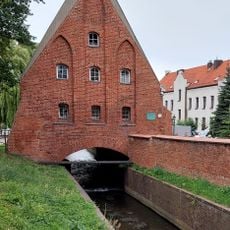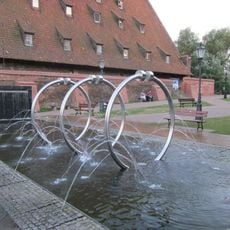
Great Mill , Medieval watermill in Gdańsk, Poland.
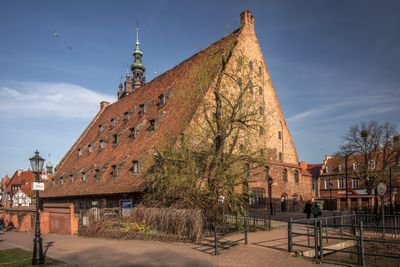
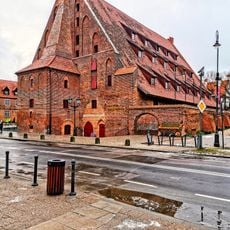
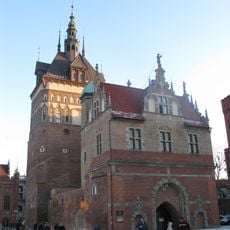
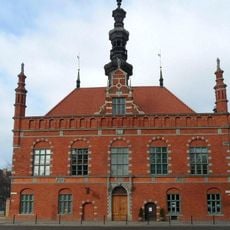
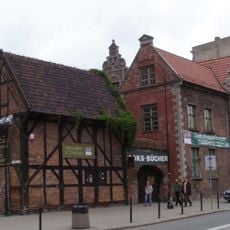
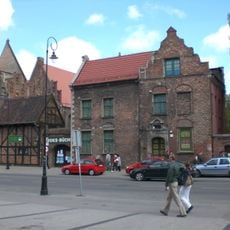
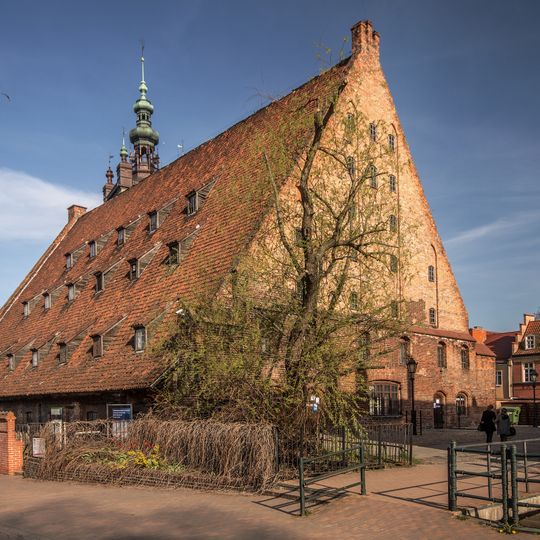
The Great Mill is a brick structure with Gothic features that rises across multiple levels, with large openings punctuating its thick walls. Built along the Radunia Canal, the building was designed for large-scale grain processing, with dedicated spaces for different stages of milling work.
The building rose in the mid-14th century and became one of the largest production centers of its era. Its location on a waterway allowed continuous operation powered by flowing water, sustaining milling work for centuries until the wars of the 20th century.
The mill shaped Gdańsk's identity as a center of craft and production, with its operations touching the daily lives of residents who depended on its flour. Walking through the space today, you can sense how grain processing was woven into the city's economic and social fabric.
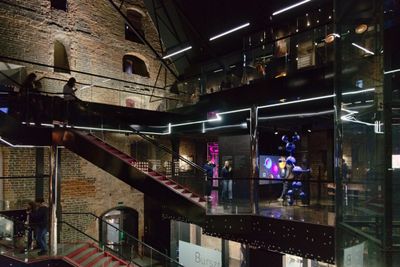
The mill sits in a central location within the city and is easily reached on foot. Be prepared for uneven floors and narrow stairs, as the historic structure has not been fully modernized for contemporary standards.
The mill drew power from eighteen water wheels driven by the Radunia Canal, relying on a sophisticated system to control water flow through the building. This engineering solution was remarkably inventive for its time and allowed production volumes that far exceeded typical medieval workshops.
The community of curious travelers
AroundUs brings together thousands of curated places, local tips, and hidden gems, enriched daily by 90,800 contributors worldwide.