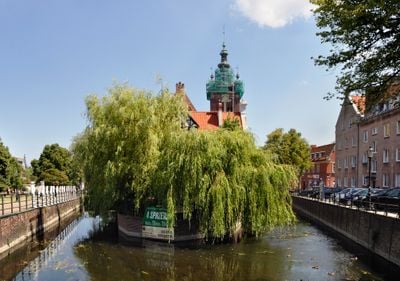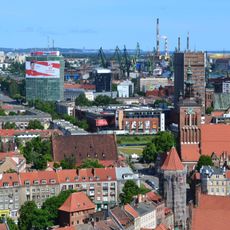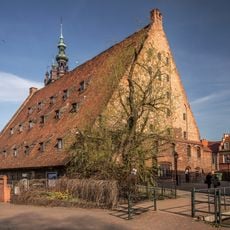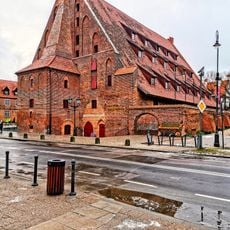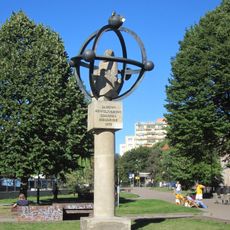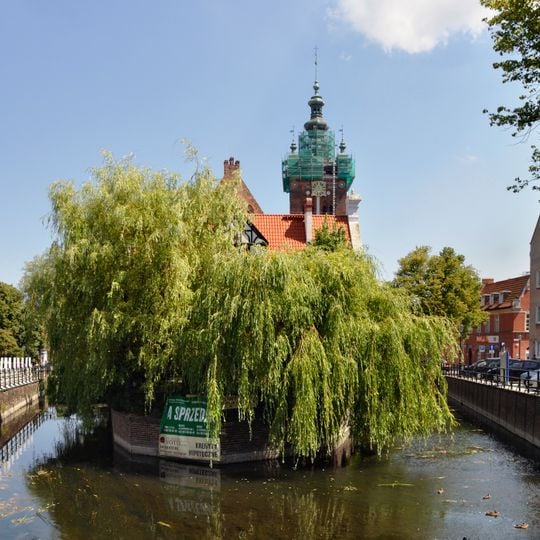
Kanał Raduni, Medieval canal in Gdańsk, Poland
Kanał Raduni is a historic canal in northern Poland that runs from Pruszcz Gdański through the districts of Orunia and Śródmieście into Gdańsk. It is listed as an immovable monument and follows a route with several locks and water management structures that control the flow along its length.
The canal was dug in 1338 by the Teutonic Knights to bring water from the Radunia River into Gdańsk and power its mills. Over the following centuries it was extended and adapted, remaining a central part of the city's infrastructure well into modern times.
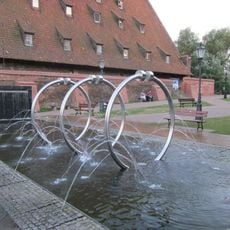
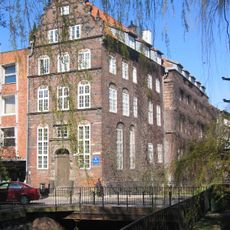
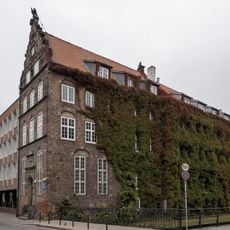
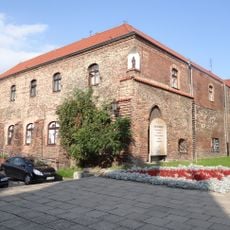
Walking along the canal today, visitors can spot old mill buildings and lock structures that recall how water was once used as a driving force for local production. In Gdańsk, the canal passes through neighborhoods where residents treat it as part of their everyday surroundings.
The paths along the canal are easiest to walk in dry weather, when the ground is firm and the locks and structures along the route are clearly visible. Comfortable footwear is helpful since the route passes through several districts and can take a good part of the day.
Although the canal is closely associated with Gdańsk, it actually begins outside the city in Pruszcz Gdański and relies on the natural slope of the land to move water without any pumping. This simple principle allowed it to function for centuries without mechanical assistance.
The community of curious travelers
AroundUs brings together thousands of curated places, local tips, and hidden gems, enriched daily by 90,809 contributors worldwide.