Gdańsk, Medieval port city in northern Poland.
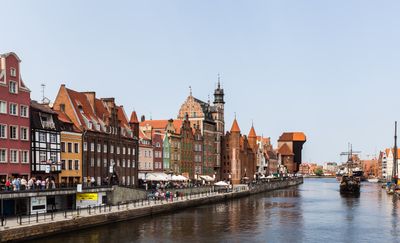
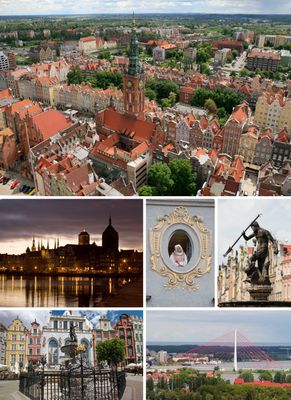
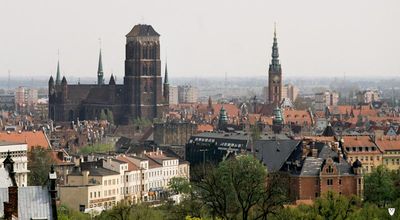
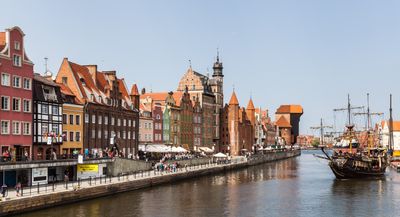
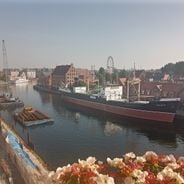
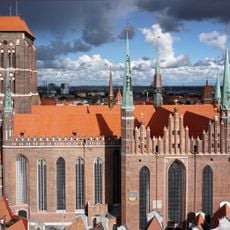
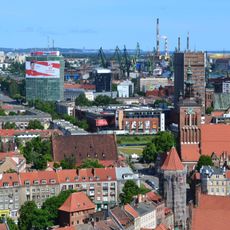
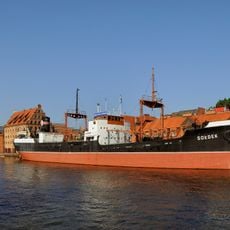
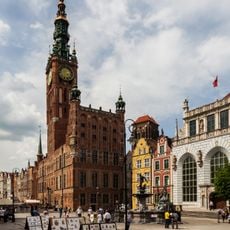
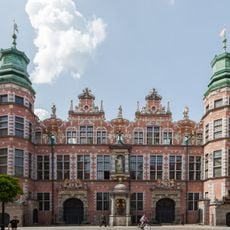
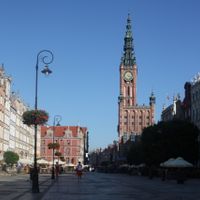
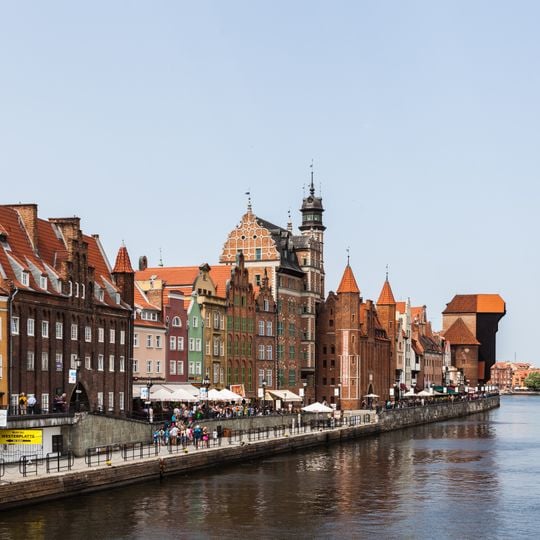
The city sits along the Motława River and spreads across several historic districts marked by Gothic brick houses, merchant halls, and maritime installations. Amber workshops and warehouses line the waterfront, while lanes and squares reflect the trading heritage of the Hanseatic League.
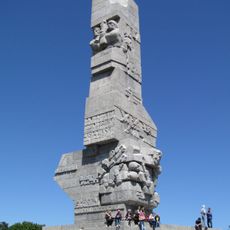
The settlement emerged in the 10th century at the mouth of the Vistula and grew into a leading Hanseatic port by the 14th century. The shelling of Westerplatte on September 1, 1939 marked the opening of World War II in Europe.
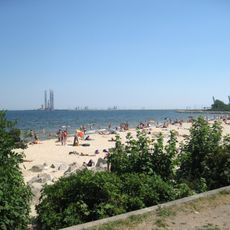
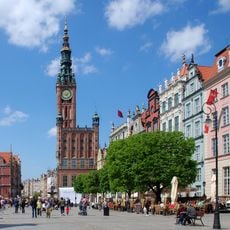
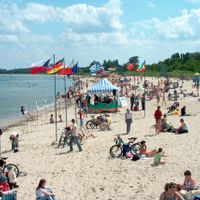
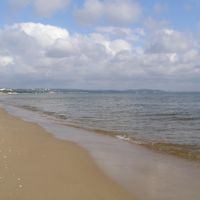
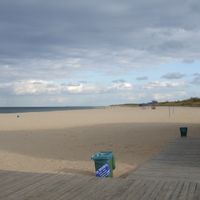
Street musicians and amber vendors work along the pedestrian zone in the Main Town district, where cafés set up outdoor tables on the squares and shape the social life of the city. Local festivals bring theater performances and concerts into historic courtyards, while residents use the nearby Baltic coast for daily walks.
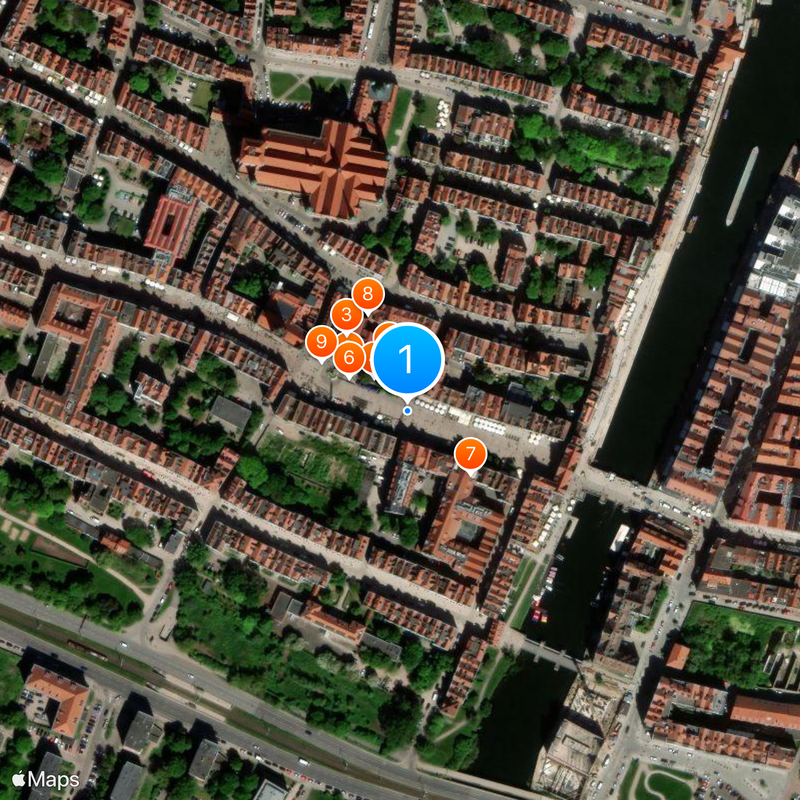
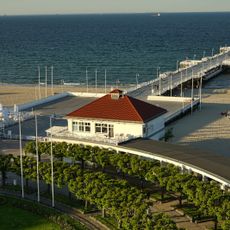
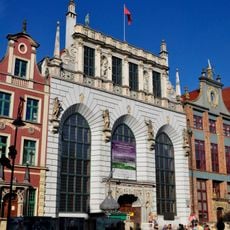
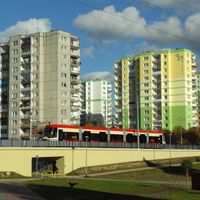
The Main Town district connects the Golden Gate to the Green Gate through the pedestrian Długa Street, where restaurants, hotels, and amber shops line the route. Public transport links the center with the beaches of Sopot and Gdynia to the north.
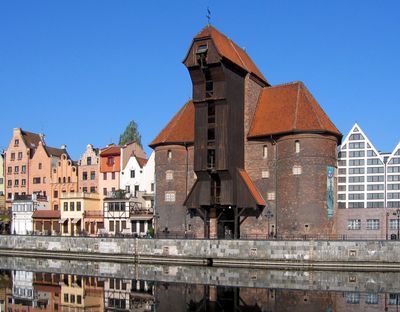
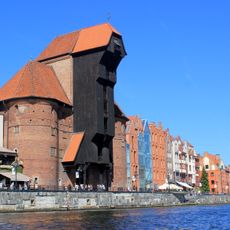
The wooden port crane from 1444 still stands on the Motława waterfront and served for centuries to load and unload merchant vessels. Its two large wheels were powered by workers walking inside them, lifting heavy goods like barrels and timber.
The community of curious travelers
AroundUs brings together thousands of curated places, local tips, and hidden gems, enriched daily by 90,758 contributors worldwide.