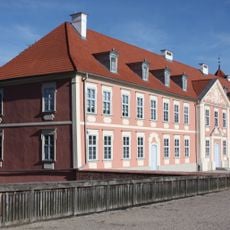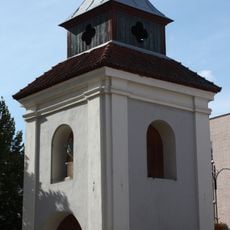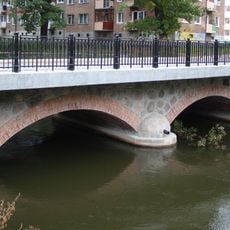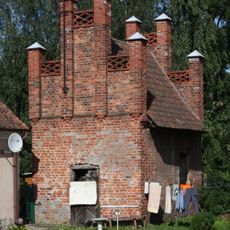
Lidzbark County, Administrative county in Warmian-Masurian Voivodeship, Poland
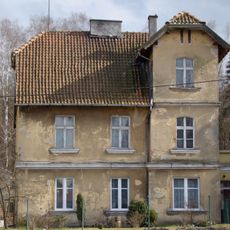
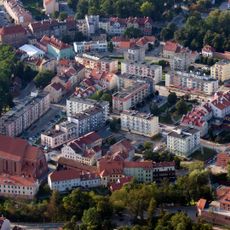
Lidzbark County is an administrative region in northern Poland with two urban centers and several rural communities spread across diverse terrain. The area features flat landscapes with farmland, scattered forests, and small lakes where towns and villages are naturally dispersed.
The region formed under Teutonic Knights rule after they took over existing Baltic settlements in the 13th century. Over following centuries, it became an important administrative and religious center under different powers.
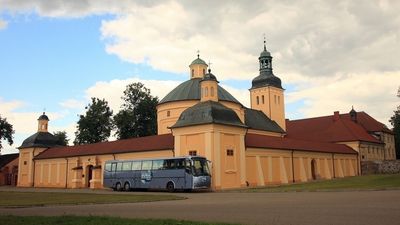
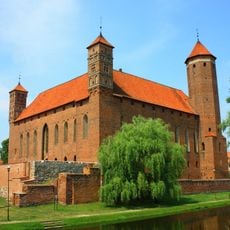
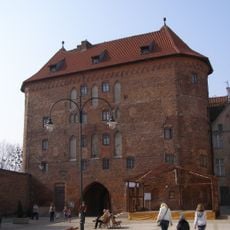
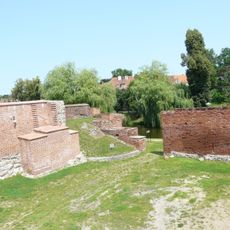
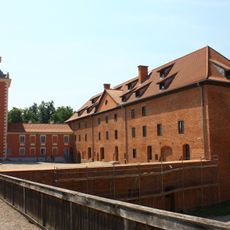
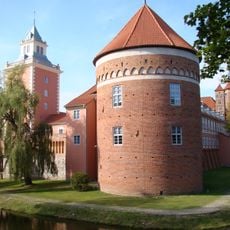
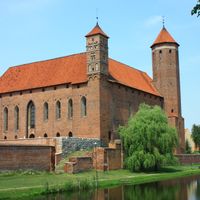
The Gothic castle in Lidzbark Warmiński shaped the way the town developed and reflects how the region lived under church leadership for centuries. Visitors come to see how such medieval structures remain central to local identity today.
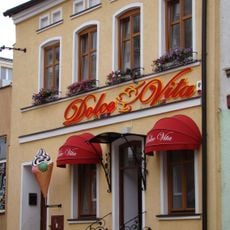
The two urban centers connect well with surrounding villages through local roads, making exploration by car or bike easy. Visitors find accommodation and services in town centers, while rural parts work better for nature walks and countryside visits.
The astronomer Nicolaus Copernicus spent time at the castle in 1503 and may have worked on his revolutionary theory about the sun during his stay. This connection makes the region a notable place for those interested in the history of science.
The community of curious travelers
AroundUs brings together thousands of curated places, local tips, and hidden gems, enriched daily by 60,000 contributors worldwide.