Muzeum w Kwidzynie, A museum in Poland
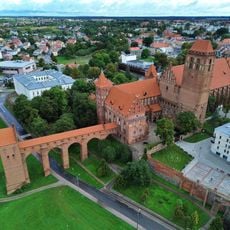
The Muzeum w Kwidzynie is housed in a medieval castle restored in 1950 that contains multiple permanent exhibitions covering the Lower Vistula region. Its collections include archaeological finds, medieval torture instruments such as the Juranda cabinet, a 15th-century bombard from the Teutonic period, ethnographic items like painted furniture and ceramics, and displays of animal specimens and skeletal remains.
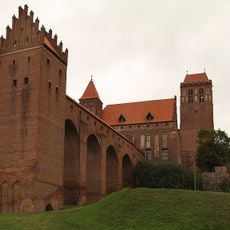
The castle was built by the Teutonic Order and in 1973 became a branch of the Marienburg Museum, significantly expanding its curatorial reach across the region. The 15th-century bombard on display dates from the Teutonic period and illustrates the castle's role in medieval defensive architecture.
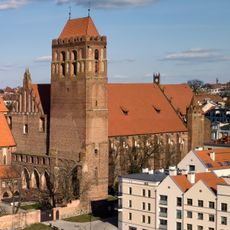
The castle served as a residence for cathedral canons, and this role shaped the religious and artistic character visible in the sacred sculptures and painted furnishings on display. The ethnographic collection shows wooden chests, ceramics, and furniture from the Lower Vistula region, reflecting local craftsmanship and domestic life across centuries.
The museum is open from Wednesday to Sunday with access to most exhibitions, though the tower areas may require separate tickets. The central location in Kwidzyn is easy to reach and offers good views of the surrounding architecture and the adjacent cathedral.
The museum holds the famous Juranda cabinet, a torture device that appeared in the film The Teutonic Knights and gained regional attention for its colorful Polish names like Spanish violin. The collection also includes animal specimens such as black grouse and great bustard that captivate visitors with their unusual diversity.
The community of curious travelers
AroundUs brings together thousands of curated places, local tips, and hidden gems, enriched daily by 90,830 contributors worldwide.