Ethnographic Park in Tokarnia, Open-air museum in Tokarnia, Poland
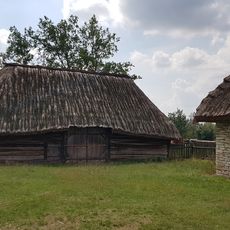
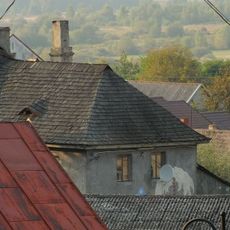
The Ethnographic Park is an open-air museum with farmhouses, barns, windmills, and churches arranged across a large landscape to represent different sectors of rural life in the region. The site is laid out so visitors walk through buildings and spaces that show how people lived and worked in the countryside.
The open-air museum was founded in 1976 on the initiative of ethnographer Roman Reinfuss and opened to the public in 1977. It is a branch of the Kielce Village Museum and reconstructs village layouts from the Świętokrzyskie Mountains, the Nida Basin, the Sandomierz Upland and the Kraków-Częstochowa Upland. Its 65 hectares hold 38 building complexes in five sectors, and it is still being expanded toward 120 objects.
Workshops display traditional craftsmanship where shoemakers and carpenters work with old techniques that were passed down through generations. You can watch how these trades functioned in rural life and what objects people made by hand.
The site sits near Kielce and is easy to reach by car along a main route that connects major cities. Plan to spend several hours walking through the buildings and workshops, so wear comfortable shoes and allow time to stop and look around.
The only building with overnight places is the ośmiorak from Ruda Pilczycka, dated 1914, in the manor-farm sector. The museum is also the sole heir to the works of folk sculptor Jan Bernasiewicz; a permanent exhibition on him and his wife Maria, a folk poet, is shown in the farmstead from Bukowska Wola.
The community of curious travelers
AroundUs brings together thousands of curated places, local tips, and hidden gems, enriched daily by 93,458 contributors worldwide.