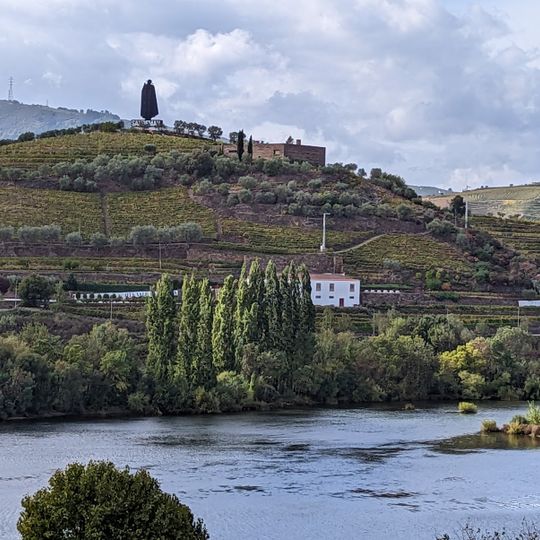
Pinhão, Freguesia and village in Alijó, Portugal
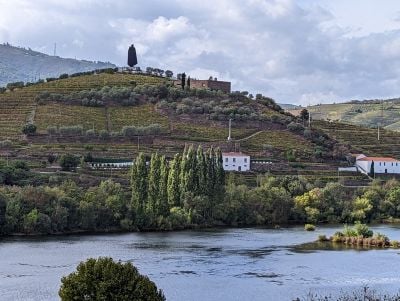
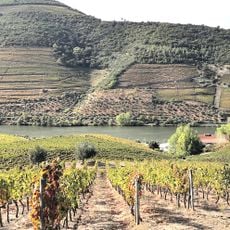
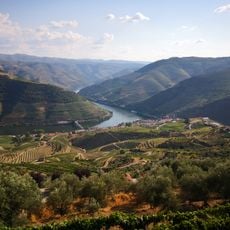
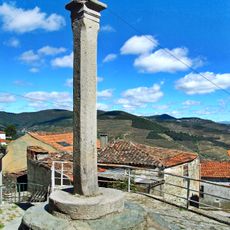
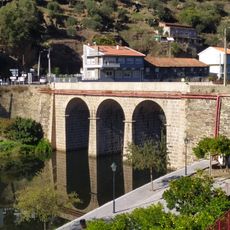
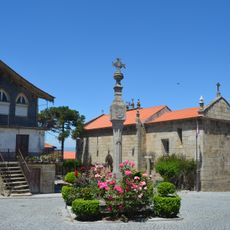
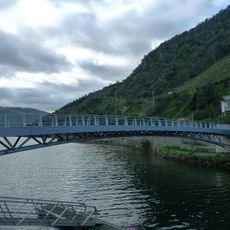
Pinhão is a small village and freguesia on the right bank of the Douro River in northern Portugal, within the municipality of Alijó. It sits in the heart of the Alto Douro wine region, surrounded by terraced vineyards cut into steep hillsides that run down to the water.
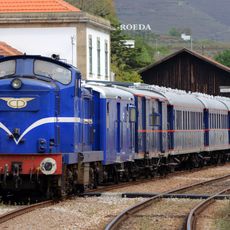
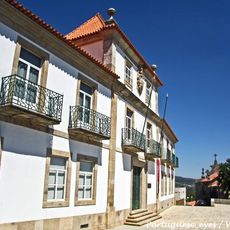
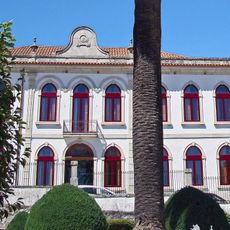
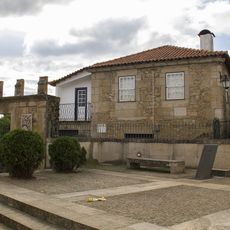
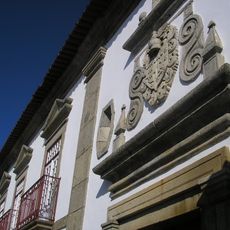
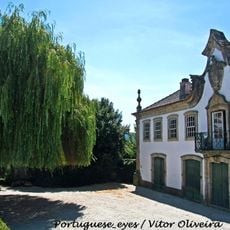
Pinhão grew in importance thanks to the Port wine trade, which brought wealth to the Alto Douro region from the 17th century onward and led to the construction of manor houses still visible today. The arrival of the railway in the 19th century opened the village to the rest of Portugal and made it easier to ship wine to the coast.
The train station in Pinhão is covered with blue and white azulejo tiles showing scenes of grape harvesting and traditional Rabelo boats used to carry wine. Walking through the station feels like reading a visual story of how the valley has lived and worked for generations.
The village center and the riverbank are easy to explore on foot, as most points of interest are close together. Renting a car is useful if you want to visit the surrounding quintas and hilltop villages, since bus connections in the area are limited.
The train station opened in 1937, and its azulejo panels are considered among the finest in Portugal, with each scene painted by hand. What makes them stand out is not only the wine imagery but the way ordinary workers, farmers, and boatmen are shown as the true protagonists of the valley's story.
The community of curious travelers
AroundUs brings together thousands of curated places, local tips, and hidden gems, enriched daily by 91,074 contributors worldwide.