Dubna, Research city in Moscow Oblast, Russia
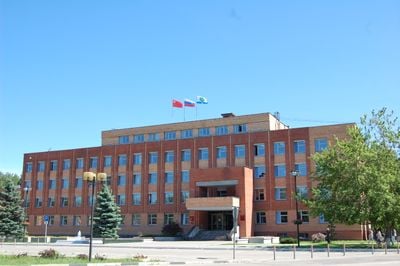
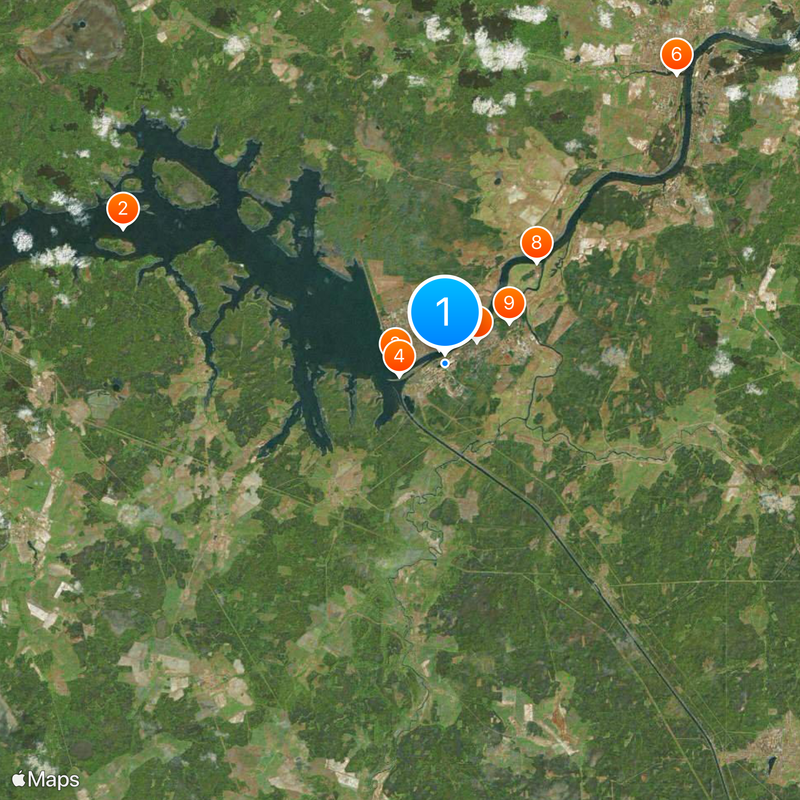
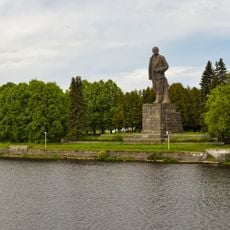
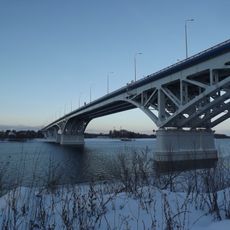
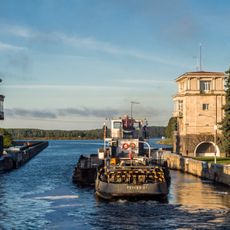
Dubna is a research city in Moscow Oblast that stretches along both banks of the Volga River and connects with the Moscow Canal. The streets run along the waterfront, and buildings stand in neighborhoods linked by bridges and waterways.
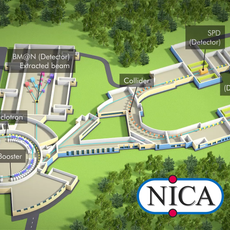
The Soviet government founded the city in 1956 as a specialized center for nuclear research and settled scientists and their families directly on the banks of the Volga. The Joint Institute for Nuclear Research drew experts from multiple countries in 1956 and shaped the development as an international scientific community.
The city takes its name from the Dubna River, a tributary of the Volga, and residents live with the awareness that they inhabit a scientific center. Researchers from around the globe work side by side in daily life, shaping the character of streets and creating an international atmosphere in shops and cafés.
Visitors reach the city by car or bus from Moscow in roughly two hours, and walks along the riverfront provide open views of the water and surrounding forests. Main streets are easy to navigate, and finding your way is straightforward because most buildings align along the north-south axis following the water.
The chemical element Dubnium, number 105 in the periodic table, received its name from this city because of its pioneering work in nuclear research. Signs and memorials around town recall this discovery and make it visible to visitors in the cityscape.
The community of curious travelers
AroundUs brings together thousands of curated places, local tips, and hidden gems, enriched daily by 90,903 contributors worldwide.