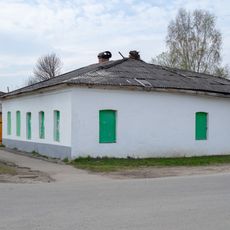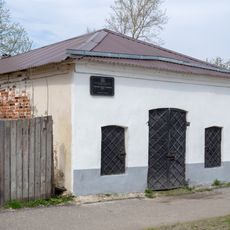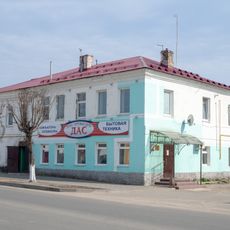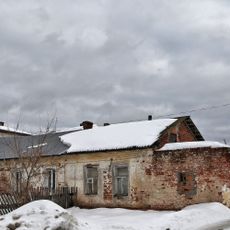
Sudogda, human settlement in Russia
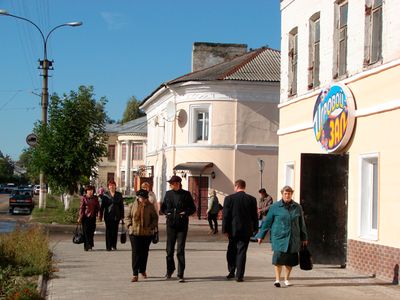
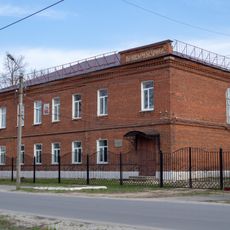
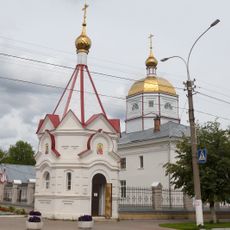
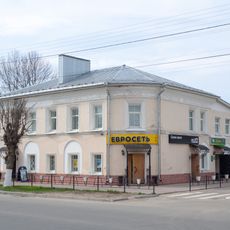
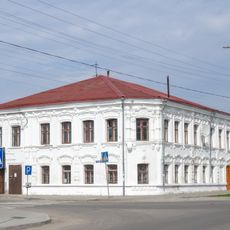
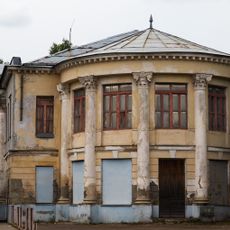
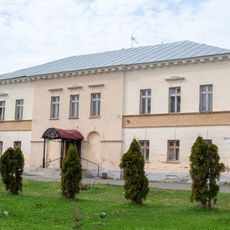
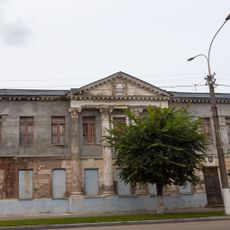
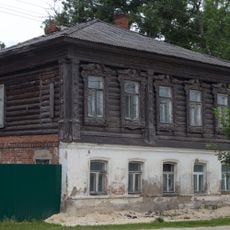
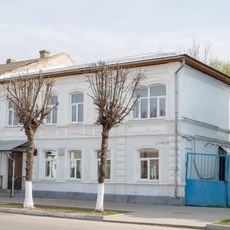
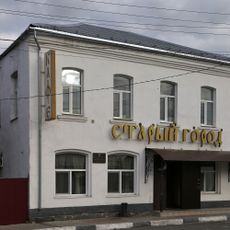
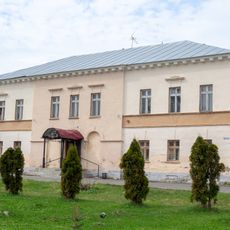
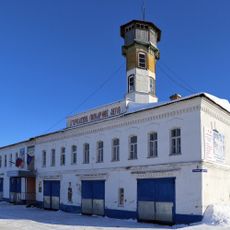
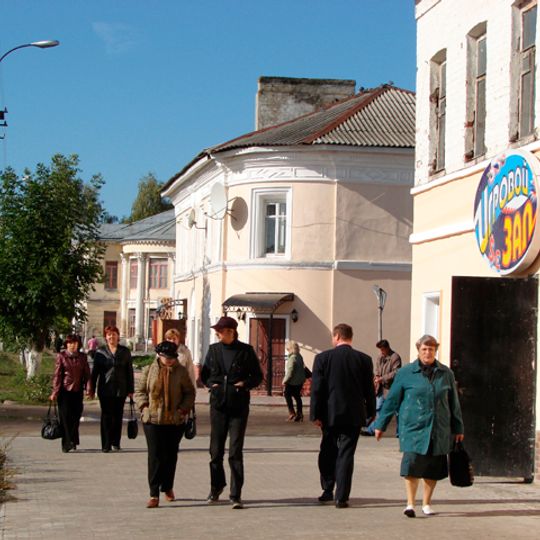
Sudogda is a small town in Vladimir Oblast in western Russia, founded in 1552. The grid-pattern layout was established starting in 1788, with key structures including the Catherine Cathedral built in 1814 and a local history museum housed in a former city council building from the late 1800s.
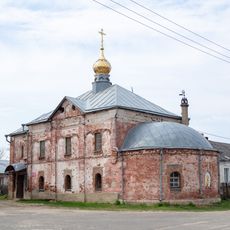
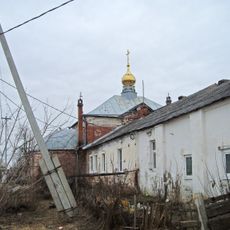
The town was founded in 1552 and became an administrative center in 1778, receiving a coat of arms in 1781. St. Catherine's Cathedral was built in 1814 and partially rebuilt after a fire in 1838, remaining a major structure until Soviet times when part of it was demolished.
The town takes its name from the Sudogda River, whose Finno-Ugric name means twisted. Local craftspeople continue traditions of birch bark work and patchwork sewing that have been passed down through generations.
The local history museum is housed in a restored historic building in the town center and displays exhibits about regional heritage. Walking paths along the Sudogda River provide easy access to the surrounding area, while abandoned limestone quarries nearby offer opportunities for exploration and rock climbing.
The abandoned limestone quarries nearby feature steep cliff walls and are home to rare orchids and endangered plant species. These quarries have become popular with rock climbers and offer an unexpected mix of industrial heritage with natural recovery.
The community of curious travelers
AroundUs brings together thousands of curated places, local tips, and hidden gems, enriched daily by 92,647 contributors worldwide.