Zavodskiy Prud, reservoir in Russia
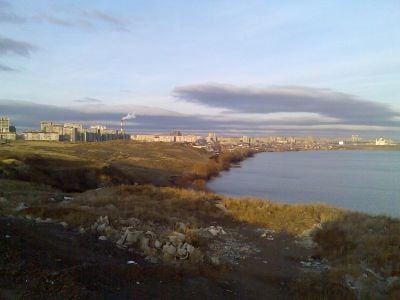
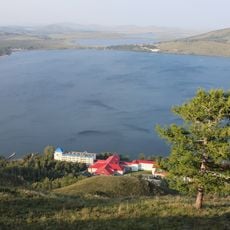
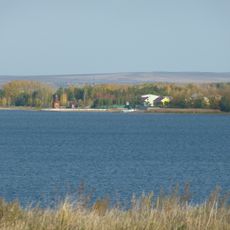
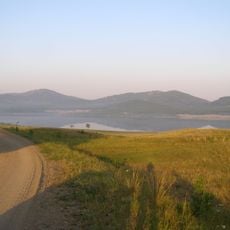
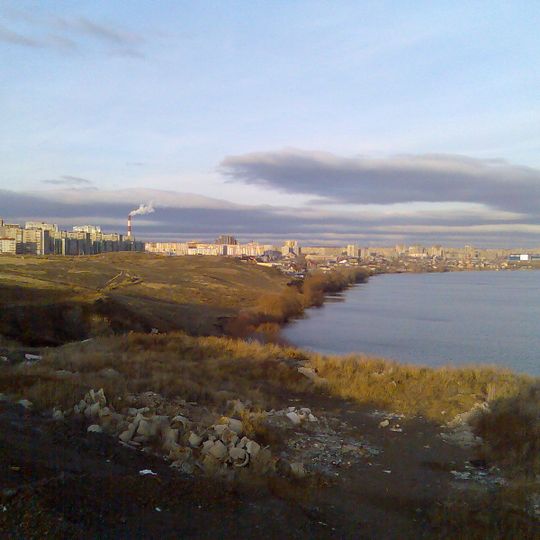
Zavodskiy Prud is a large water reservoir along the Ural River in Magnitogorsk that covers an area of about 33 square kilometers with an average depth just over 5 meters. Multiple dams and bridges control the water and connect different parts of the city, with fish such as pike, perch, and carp inhabiting its waters.
The reservoir was created in 1931 to supply water for the local steel plant and became fully filled by 1937 to serve industrial needs. Over the following decades, several bridges were built across it, including the Central Bridge in 1951, the South Bridge in the 1950s, and the Kazakh Crosswalk in the 1980s to connect expanding sections of the city.
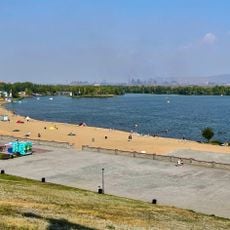
The reservoir is deeply connected to the city's industrial past and remains a gathering place where locals come to fish, walk, and spend leisure time by the water. Its presence shapes how residents relate to their surroundings and reflects their daily rhythm.
The shorelines are gently sloped and accessible for walking and fishing along most areas. Visit during warmer months when access is easiest and the weather allows for comfortable time spent by the water.
The original dam system built in 1931 was submerged underwater when the new reservoir was filled in 1937, leaving the earlier structure hidden beneath the water surface as a remnant of the city's engineering past. This underwater legacy is rarely noticed by visitors walking along the shores today.
The community of curious travelers
AroundUs brings together thousands of curated places, local tips, and hidden gems, enriched daily by 91,843 contributors worldwide.