Staraya Ryazan, Ancient settlement ruins in Spassky District, Russia
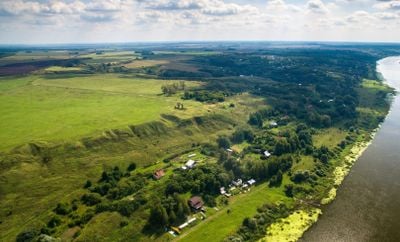
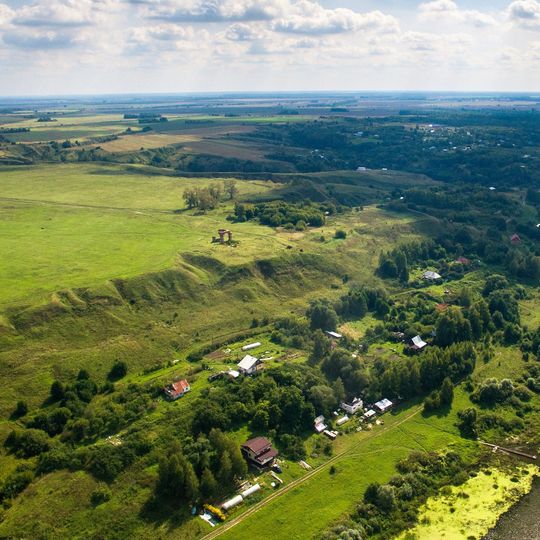
Staraya Ryazan is an archaeological site near a river that reveals the layout of a medieval settlement with buildings, walls, and religious structures spread across the land. The physical remains show how a significant regional center was organized and built.
Staraya Ryazan, first mentioned in a chronicle in 1096, was one of the largest cities of the 12th–13th centuries and the capital of the Principality of Ryazan. Its fortified area reached 60 hectares, and by the early 13th century about 8,000 people lived there. In the winter of 1237, Batu Khan's Mongol army destroyed the city and its three stone cathedrals. Archaeologist A. L. Mongait argued that part of the population later returned, but Tatar raids led to final abandonment in the 14th century, when the capital moved to Pereyaslavl-Ryazansky.
The name Staraya Ryazan means "Old Ryazan"; until 1778 the town itself was simply Ryazan, and the title passed to Pereyaslavl-Ryazansky, 50 km upstream on the Oka. Excavations have uncovered remains of blacksmith, bronze-casting, pottery and bone-working workshops, evidence that farmers and artisans lived here side by side from the 11th century. Scientific camps are held each year on the former ramparts.
The site can be explored on foot with remains scattered across the open ground, and the river valley shapes the surrounding landscape. Allow time to wander through the space and note that you can move freely across the excavated areas.
The Mongol army that took Staraya Ryazan in December 1237 had already destroyed Volga Bulgaria; refugees brought the news to Ryazan in autumn 1236. The city held out six days before being burned, and its three stone cathedrals were destroyed. Legend says voivode Evpaty Kolovrat returned to find only ashes and pursued the invaders with a small detachment.
The community of curious travelers
AroundUs brings together thousands of curated places, local tips, and hidden gems, enriched daily by 94,754 contributors worldwide.