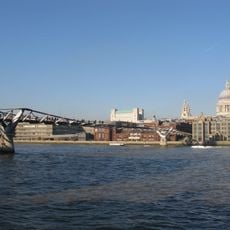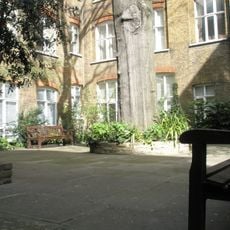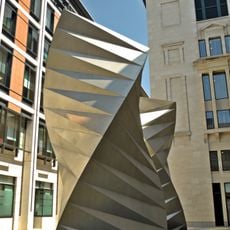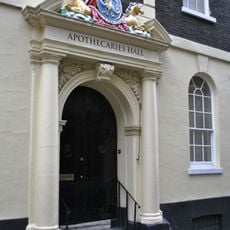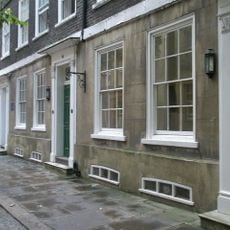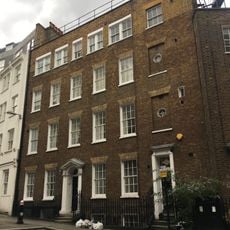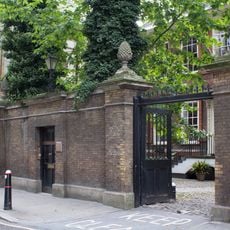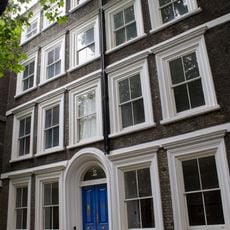
Ludgate, Roman city gate in City of London, England
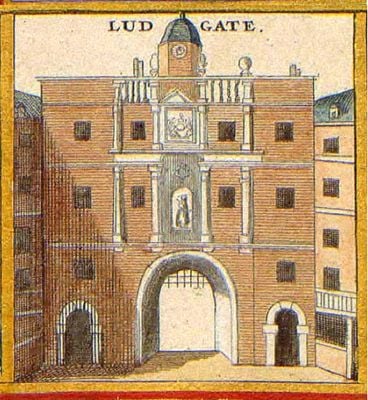
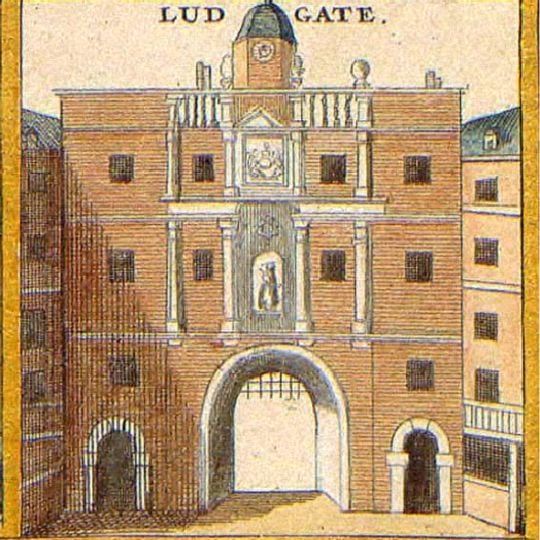
Ludgate served as the western passage through the Roman city wall and was built from solid stone that allowed coaches and pedestrians to pass. Above the arch stood niches with sculptures, while the building also served as accommodation for prisoners.
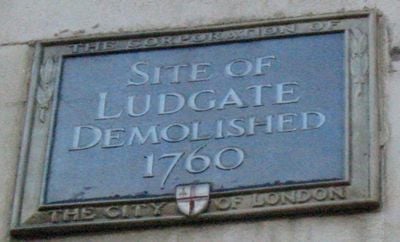
The Romans erected the gate around 190 AD as part of their defenses and renewed it several times over the centuries. After repeated requests from city residents, it was finally taken down in 1760 to ease traffic flow.
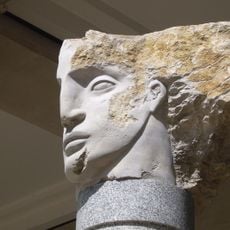
The name connects to King Lud from Welsh legends, whose statues once adorned the facade alongside those of his sons. These figures stood next to an image of Queen Elizabeth I, linking mythic tales with monarchical history.
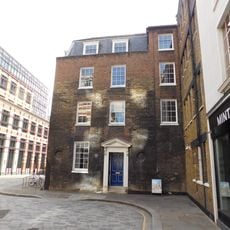
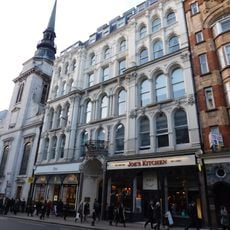
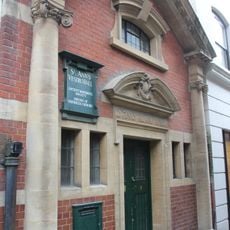
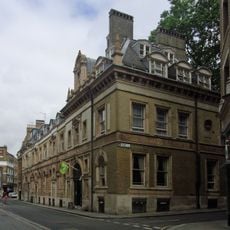
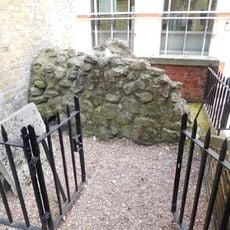
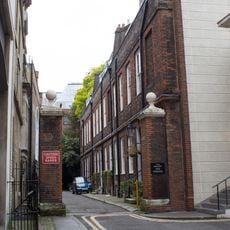
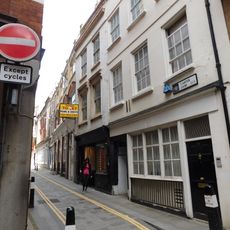
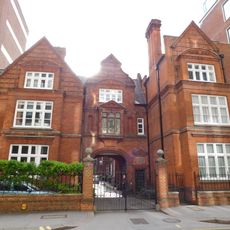
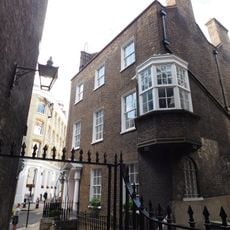
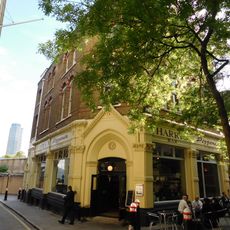
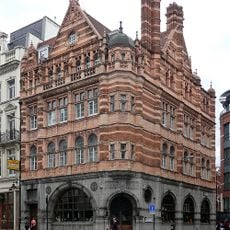
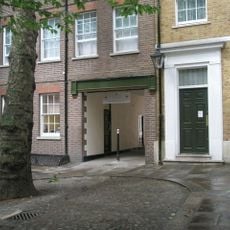
Today nothing remains visible of the original structure, but the spot can be traced through street names and the neighborhood's layout. A walk along the former wall route shows where the passage once stood.
After the First Barons' War between 1215 and 1217, stones and timbers from destroyed Jewish houses were used in the reconstruction. These materials came from buildings damaged during the violent upheavals of those years.
The community of curious travelers
AroundUs brings together thousands of curated places, local tips, and hidden gems, enriched daily by 91,373 contributors worldwide.