Venta Belgarum, town in Roman Britain which became Winchester
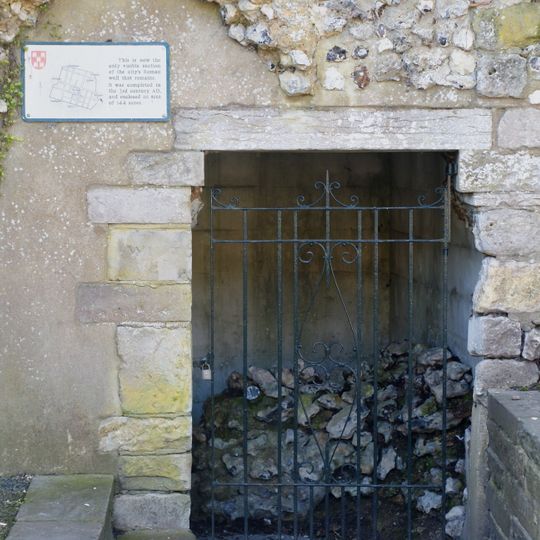
Venta Belgarum was a Roman town founded around 70 AD in southern England as a trading center for the Belgae people and Roman settlers. The town featured a planned street layout, protective walls, temples, and numerous homes, with remains still visible today beneath Winchester's modern streets.
The town was founded around 70 AD and quickly became a major administrative and trading center in Roman Britain. After Roman rule ended around 410 AD, the city was largely abandoned, though it later regained importance during Anglo-Saxon times as a royal residence.
The name Venta comes from an ancient Brittonic word meaning "market," reflecting the town's role as a trading hub for local people and Romans. Religious sites and burial grounds show how people gathered here not just for commerce but also for worship and community rituals.
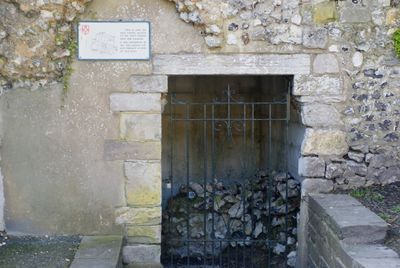
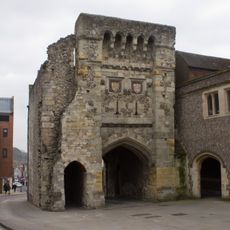
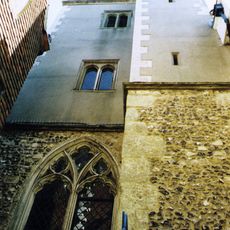
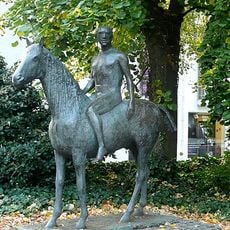
A walk through the city from the river to the chalk downs reveals archaeological sites marking where ancient layers lie beneath modern Winchester. Parks and open spaces nearby offer places to explore and rest while viewing the historic remains.
Excavations from the 1960s and 1970s revealed Iron Age roots with carved bowls dating to around 500 BC, showing human activity long before Roman settlement. Mediterranean coins found here suggest the settlement maintained long-distance trade contacts despite its remote location.
The community of curious travelers
AroundUs brings together thousands of curated places, local tips, and hidden gems, enriched daily by 60,000 contributors worldwide.