Pontcysyllte Aqueduct, Navigable aqueduct in Llangollen, Wales
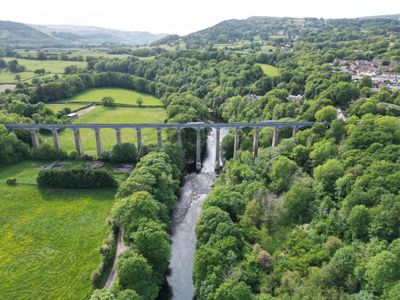
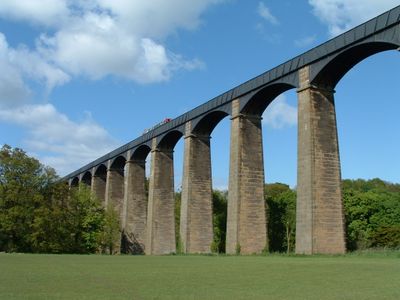
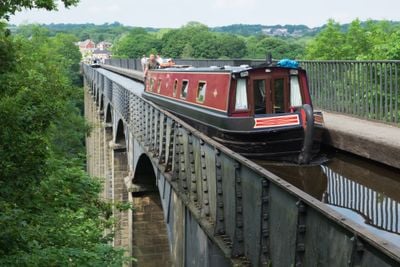
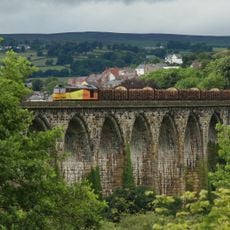
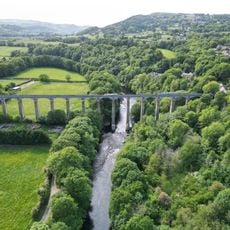
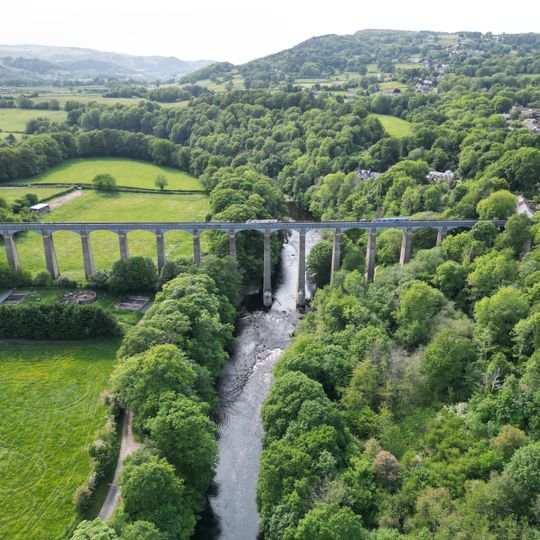
The Pontcysyllte Aqueduct spans 307 meters (1007 feet) across the Dee Valley, supported by nineteen masonry pillars that hold a cast iron trough 40 meters (131 feet) above the river. The pillars taper upward and rest on wide bases of local stone, while the iron trough carries the canal water.
Engineers Thomas Telford and William Jessop completed the construction in 1805 as part of a project linking English industrial areas with North Wales quarries. The construction took ten years and required innovative techniques to join the cast iron plates and anchor the pillars on marshy ground.
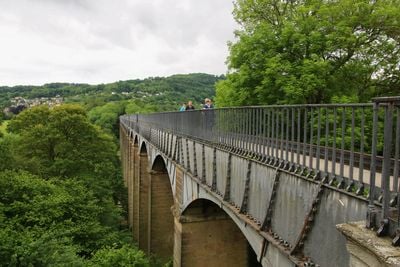
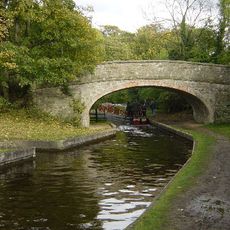
The structure includes a narrow walkway fixed to one side of the iron beam, where visitors see the wooded slopes of the valley and canal boats gliding slowly over the water surface. The iron railing yields slightly under footsteps, adding to the sense of height and exposure.
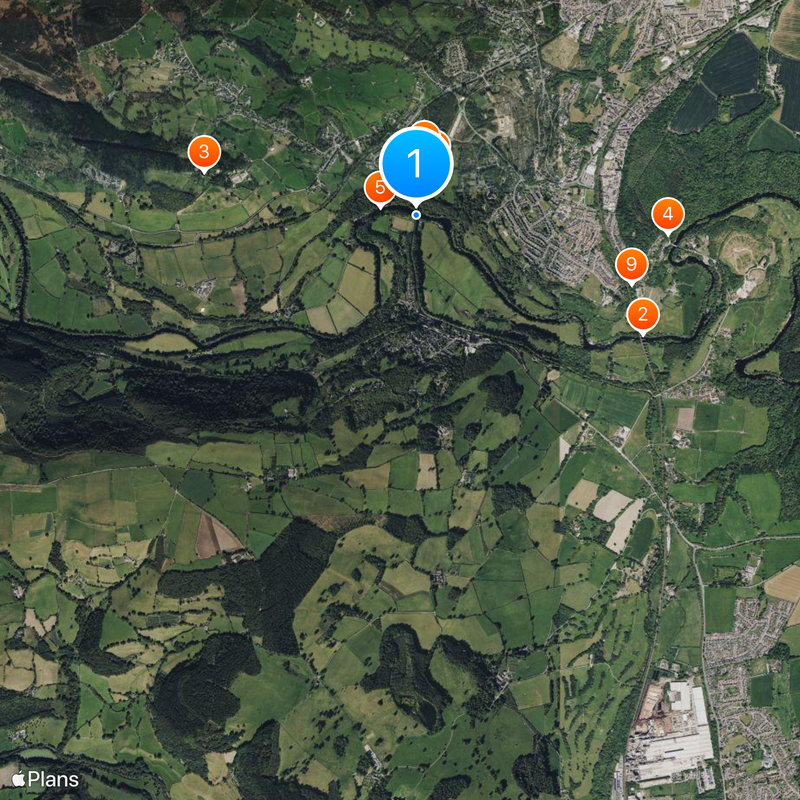
Three car parks along the A539 provide access to footpaths leading directly to the structure, starting from either end. The walkway is narrow and open to the water side without barriers, so visitors with fear of heights or limited mobility should consider the crossing carefully.
The iron trough expands on hot days and contracts in cold weather, changing the total length by several centimeters. The construction remains watertight because the joints between iron plates were sealed with a mixture of flannel and white lead, a technique still working today.
The community of curious travelers
AroundUs brings together thousands of curated places, local tips, and hidden gems, enriched daily by 91,305 contributors worldwide.