Richmond, Market town in North Yorkshire, England
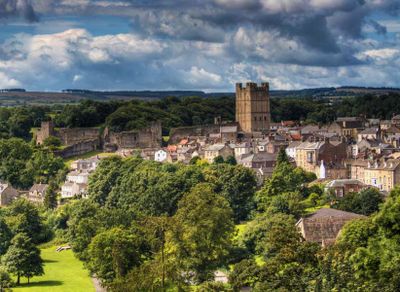
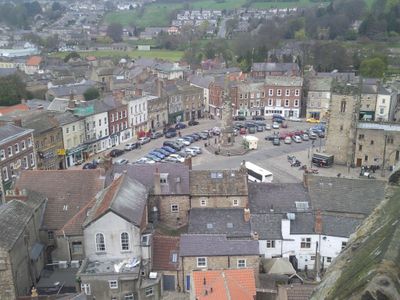
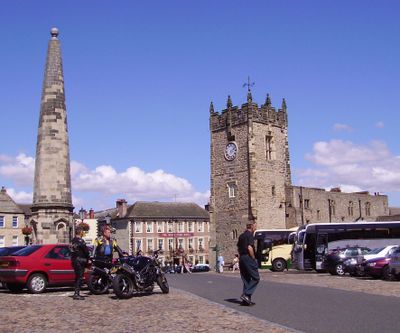
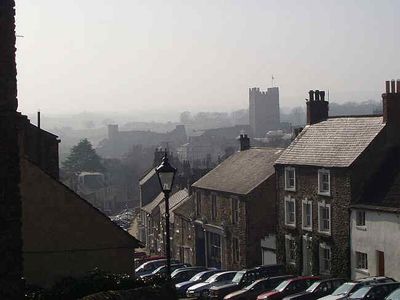
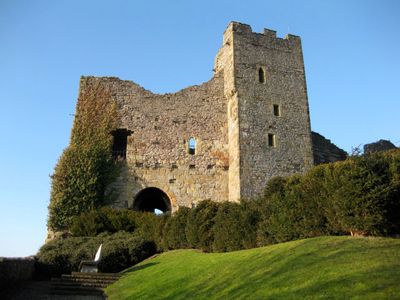
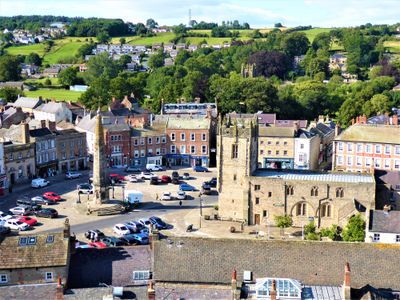
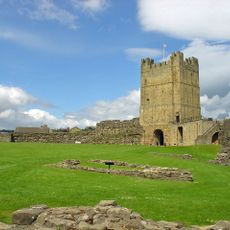
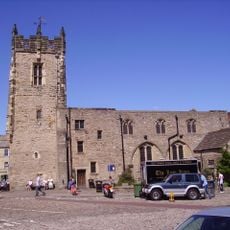
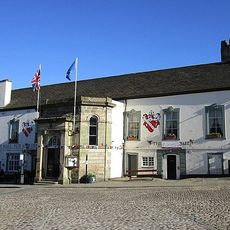
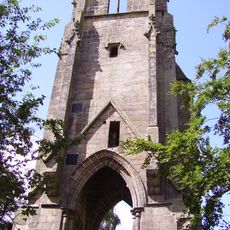
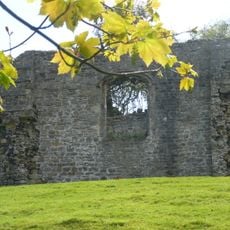
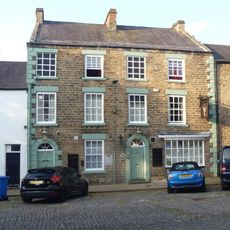
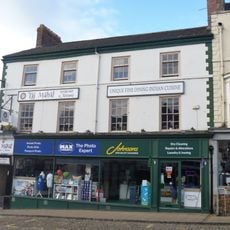
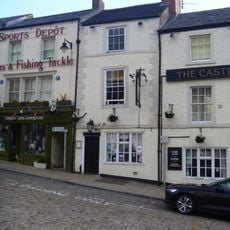
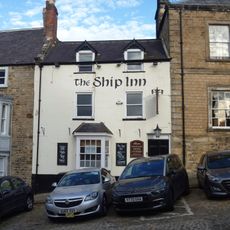
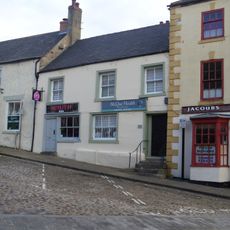
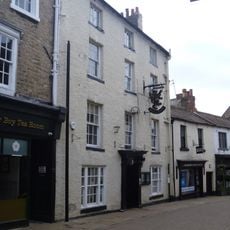
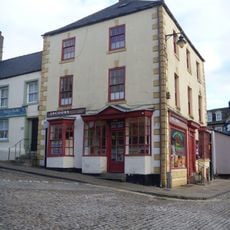
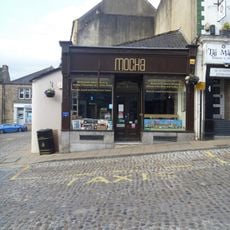
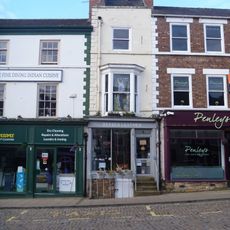
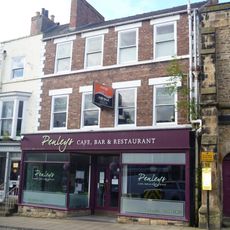
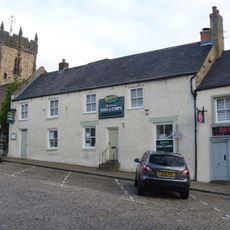
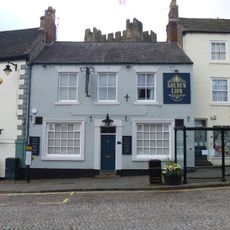
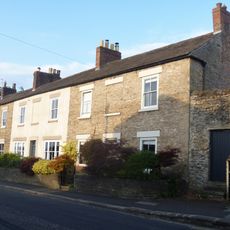
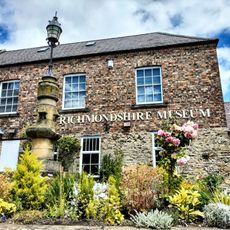
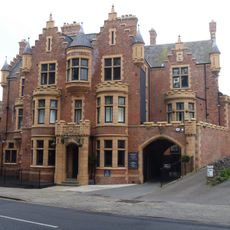
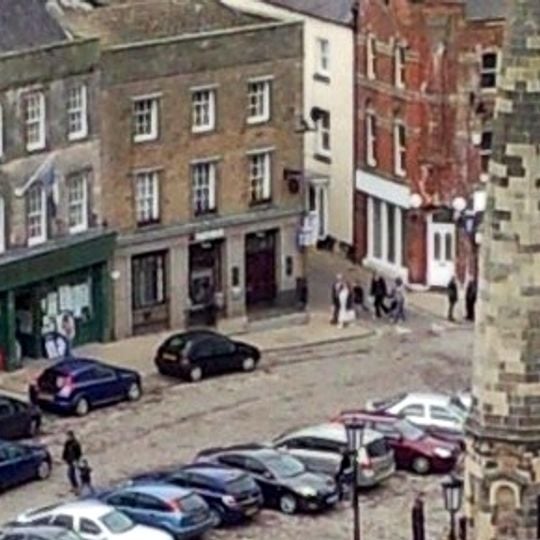
Richmond is a market town in North Yorkshire, England, located at the entrance to Swaledale Valley and featuring Norman castle ruins, Georgian architecture, and a central cobbled market square surrounded by stone buildings. The streets rise from the River Swale up toward the castle, with many of the facades dating from the 18th and 19th centuries and housing small shops, cafes, and residences.
The town was founded in 1071 by Alan Rufus following the Norman Conquest, with the castle completed in 1086 for regional control. Over the following centuries, the settlement grew as a trading center for the surrounding valleys, with many of the current buildings dating from the Georgian period of prosperity in the 18th century.
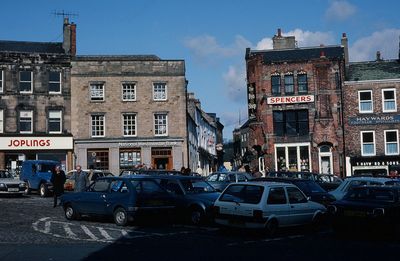
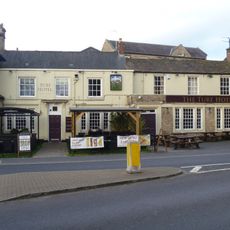
The name comes from the Norman French words "riche mont," meaning rich hill, reflecting the commanding position above the River Swale. The shops and inns around the market square often carry names that point to centuries-old trade links and regional traditions, while the stone walls and narrow lanes still show the structure of a medieval settlement.
The market square hosts traders every Saturday, offering local produce, crafts, and goods, while independent shops and restaurants line the surrounding streets. The steep streets and cobbled surfaces can be slippery in wet weather, so sturdy footwear is advisable, and many areas have limited wheelchair access.
The town stands as the original namesake for 105 other locations worldwide, including the better known Richmond in London and Virginia. The local theater still preserves the original wooden galleries and painted stage scenery from the late 18th century, visible during tours of the building.
The community of curious travelers
AroundUs brings together thousands of curated places, local tips, and hidden gems, enriched daily by 92,229 contributors worldwide.