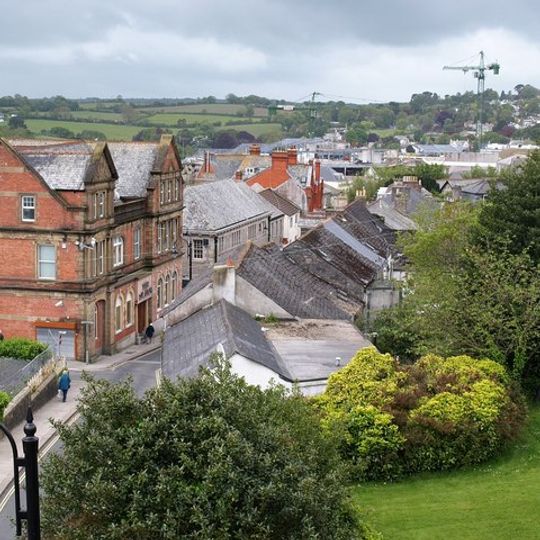
St Austell, Market town in Cornwall, England
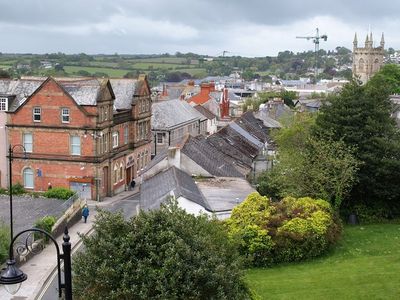
St Austell extends across rolling hills near the southern coast of Cornwall, with white clay spoil heaps marking the surrounding landscape. The town serves as a practical base for trips to nearby gardens and natural attractions in the region.
The discovery of china clay deposits by William Cookworthy in the 1700s transformed St Austell from a small village into a major industrial center. Mining shaped the economy and appearance of the area for more than two centuries.
The Wheal Martyn Museum presents the methods and machinery used in Cornwall's china clay extraction through exhibits in a preserved Victorian clay works. Visitors can follow the steps by which the white mineral was washed and processed from the rock.
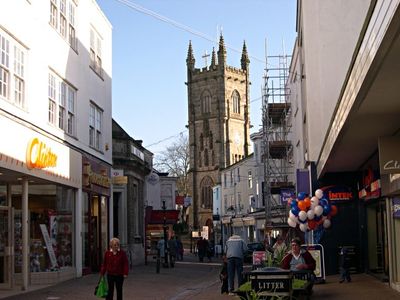
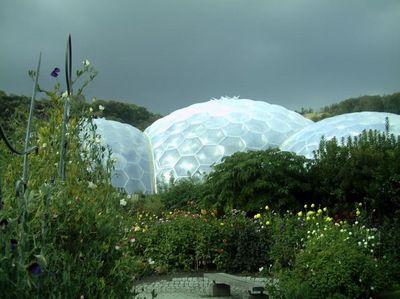
The town provides direct train connections to London and Plymouth, while serving as a central point for visiting the Eden Project and Lost Gardens of Heligan. A walk through the center leads to shops, cafes and markets that reflect everyday life for locals.
The local landscape features distinctive white peaks known as the Cornish Alps, formed by over two centuries of china clay mining operations. These spoil heaps give the surroundings an unusual, almost lunar appearance not found anywhere else in England.
The community of curious travelers
AroundUs brings together thousands of curated places, local tips, and hidden gems, enriched daily by 92,442 contributors worldwide.