Crail, former royal burgh in the East Neuk of Fife, Scotland, UK
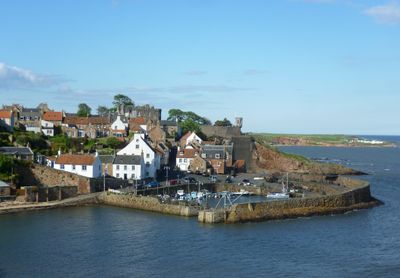
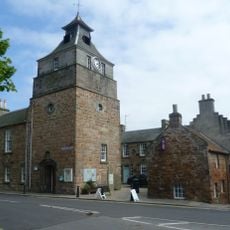
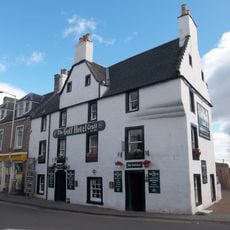
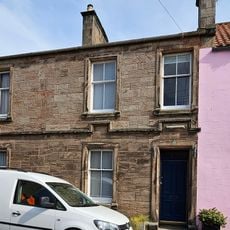
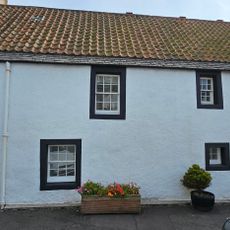
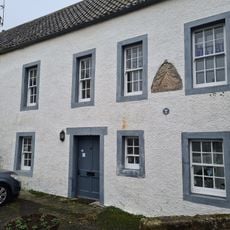
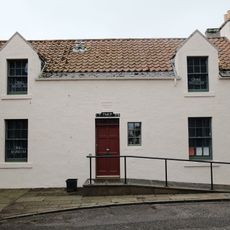
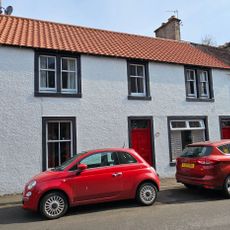
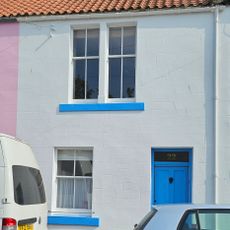
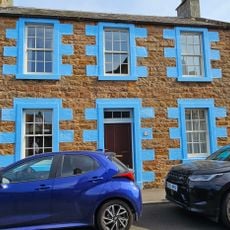
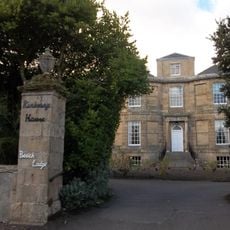
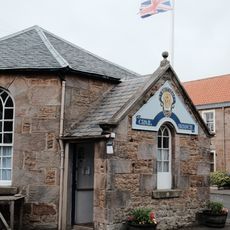
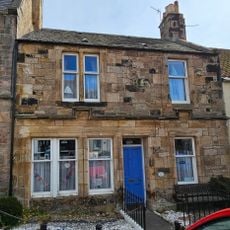
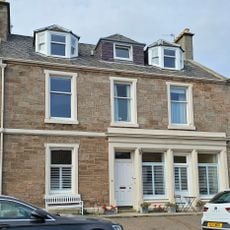
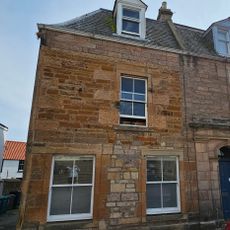
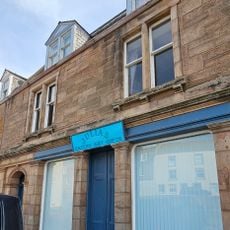
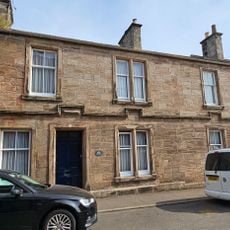
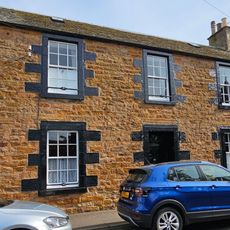
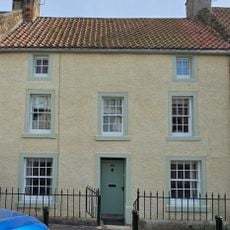
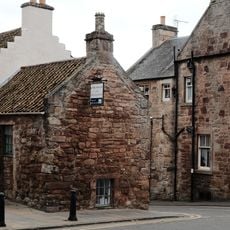
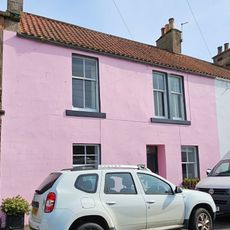
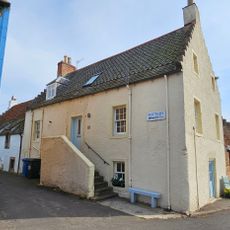
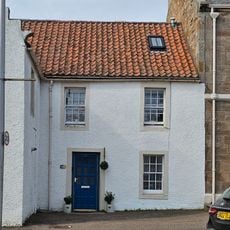
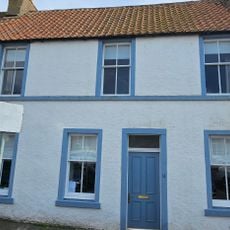
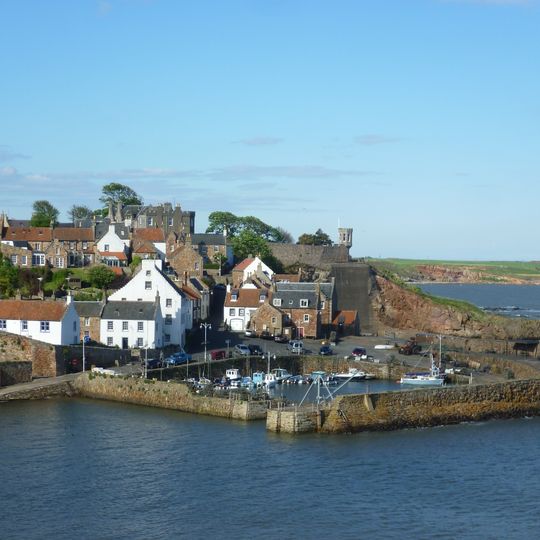
Crail is a small harbour town at the eastern tip of Fife's East Neuk, built around a working fishing port and historic streets lined with period stone buildings. The town centre clusters around Marketgate, a quiet market square flanked by merchant homes and smaller cottages, with the harbour at the bottom of the slope where boats and lobster pots remain in daily use.
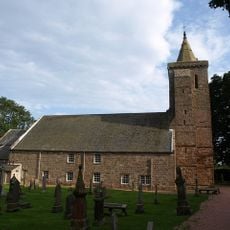
The town was established over a thousand years ago and received a royal charter from King Robert the Bruce in 1310 granting the right to hold markets, including on Sundays, a privilege the Church of Scotland repeatedly tried and failed to revoke. The parish church dates partly to around 1160, with major additions through the 1200s and 1500s, while a castle stood on the cliffs until 1706 when local authorities demolished it.
The town's name comes from Gaelic meaning a rough or rocky place, which fits its coastal setting perfectly. Fishing remains the heartbeat of daily life here, with working boats and lobster pots visible throughout the harbour where locals and visitors naturally gather.
The town is easily accessible by car or bus along scenic roads passing through farmland and countryside, and everything within the town centre is best explored on foot due to narrow lanes and the sloped terrain leading down to the harbour. Comfortable walking shoes are helpful as streets are uneven and descend toward the waterfront where visiting fishing boats can be observed close up.
Local lore playfully ranks how travelled someone is by whether they have ever been to Crail, treating the journey to this remote spot as a badge of true exploration. This humorous measure reflects how genuinely removed the town feels from busier places, despite its beauty and historic significance.
The community of curious travelers
AroundUs brings together thousands of curated places, local tips, and hidden gems, enriched daily by 92,779 contributors worldwide.