Caledonia, Historical region in the Scottish Highlands, United Kingdom
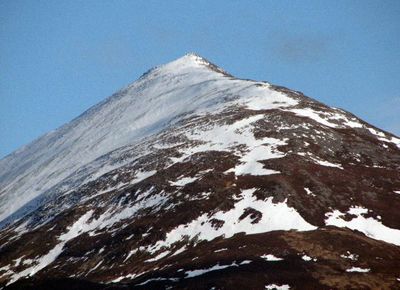
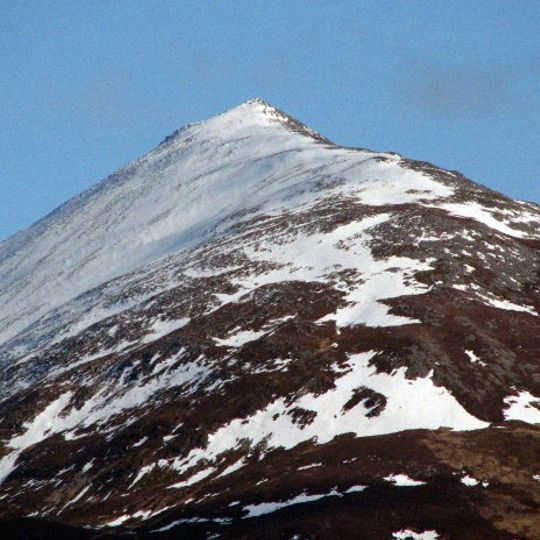
Caledonia is the historical name for the region north of the Firth of Forth, broadly corresponding to modern Scotland. It covers the Highlands, with their mountain ranges, moorlands, and stretches of coastline along both the eastern and western shores.
Roman forces pushed into the region in 83 AD but were met with strong resistance from local tribes, including at the battle of Mons Graupius. The Romans later built Hadrian's Wall and then the Antonine Wall to mark the northern limit of their control.
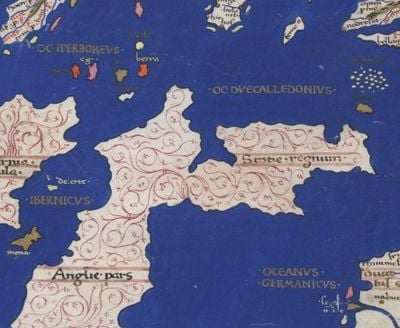
The name Caledonia comes from the Latin term used by Roman writers to describe the land beyond their northern frontier. Today it appears in poetry, songs, and literature as a way of referring to Scotland with a sense of deep historical roots.
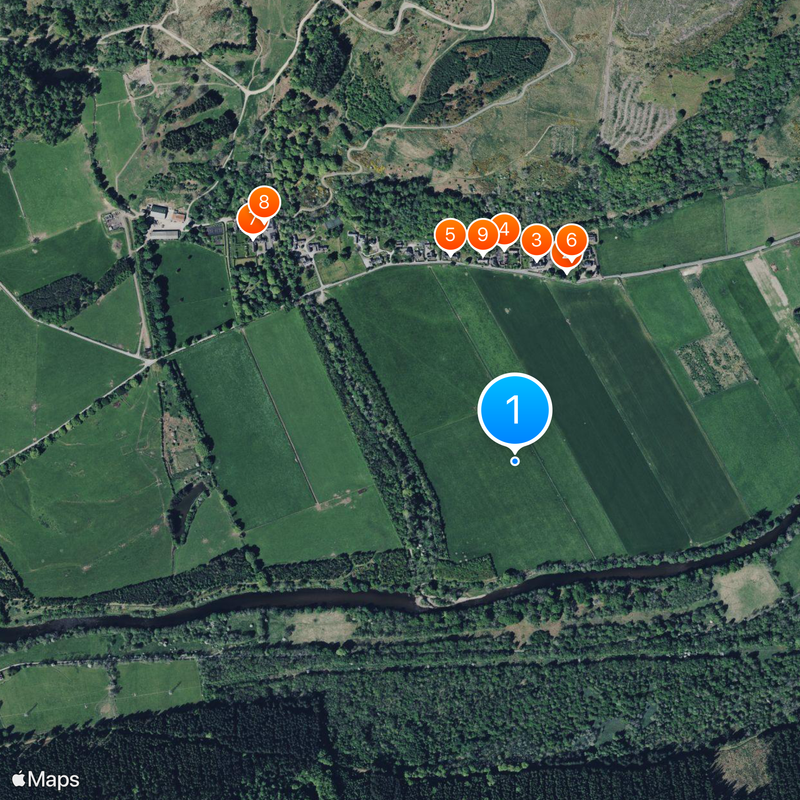
The territory covers a large area where some sites are easy to reach by road while others require walking across open moorland or rough ground. Sturdy footwear and waterproof clothing are a good idea at any time of year, as weather in the Highlands can change quickly.
The tribal name behind Caledonia is thought to mean 'hard feet', a reference to people who could move across rough ground without difficulty. This image of toughness stayed in Roman writing long after the military campaigns ended, shaping how the region was remembered for centuries.
The community of curious travelers
AroundUs brings together thousands of curated places, local tips, and hidden gems, enriched daily by 92,129 contributors worldwide.