Long Melford, village and civil parish in Babergh, Suffolk, England
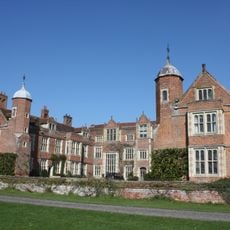
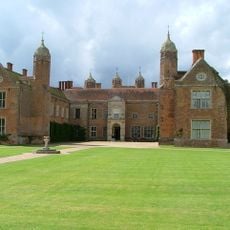
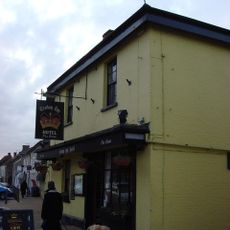
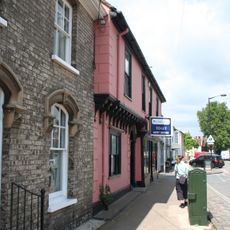
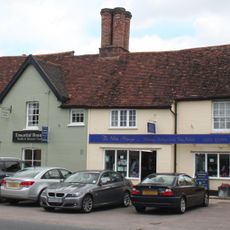
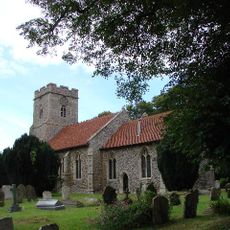
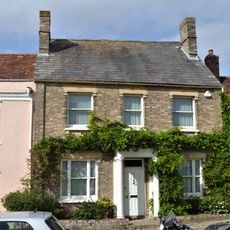
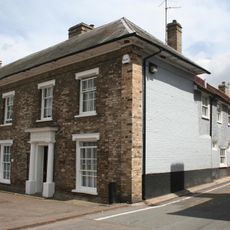
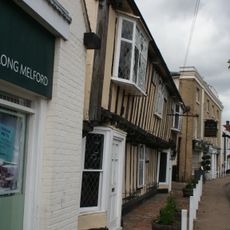
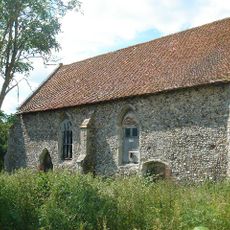
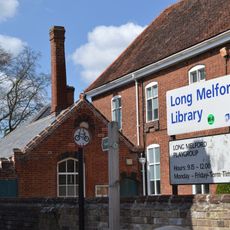
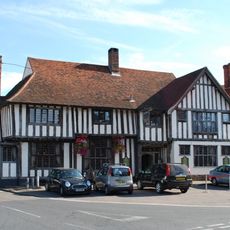
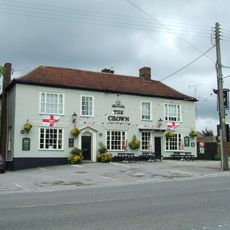
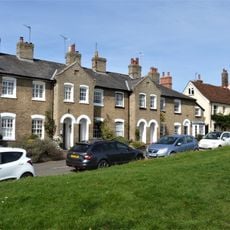
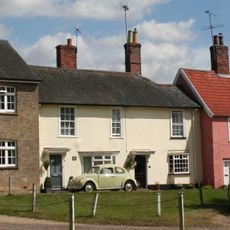
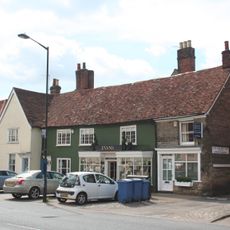
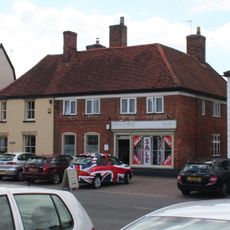
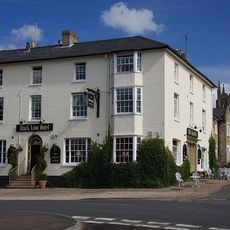
Long Melford is a large village in Suffolk near the Essex border, known for its main street stretching for a mile lined with red brick and flint buildings. The village has narrow lanes and open green spaces with a gentle pace, where visitors find centuries-old buildings, shops, pubs, and cafes interspersed throughout.
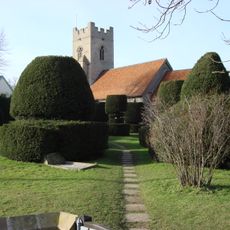
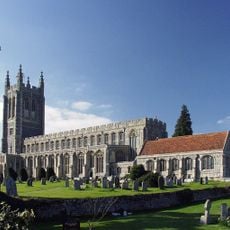
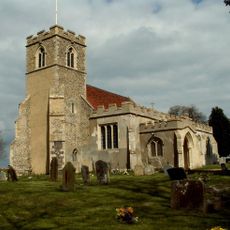
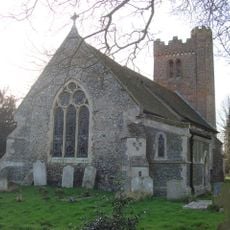
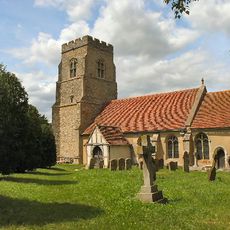
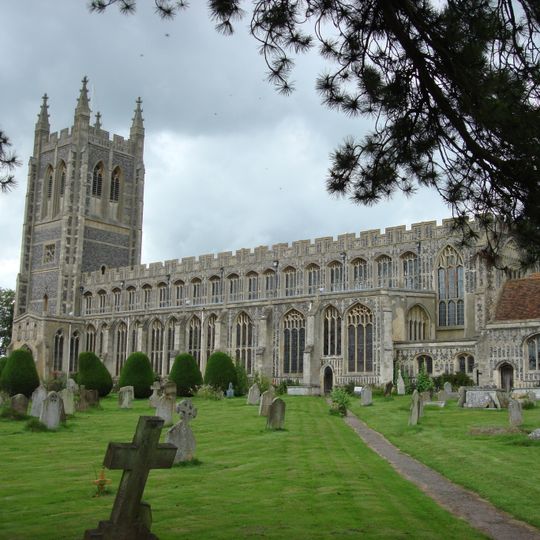
Long Melford appears in the Domesday Book of 1086 and grew wealthy during the Middle Ages through the wool trade, which led rich families to build the grand Holy Trinity Church with ornate stonework. The village endured difficult periods like the Black Death and the Peasants' Revolt, yet maintained its importance as a market place, drawing visitors and merchants for centuries.
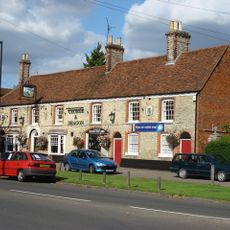
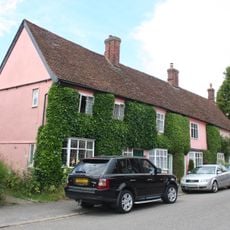
Long Melford takes its name from its main street, which stretches for a mile and forms the heart of the village. The street is lined with red brick and flint buildings that create a warm, traditional feel, where locals and visitors walk, shop, and gather in pubs and cafes throughout the afternoon.
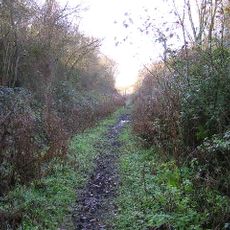
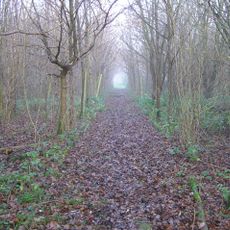
The village is best explored on foot, with plenty of scenic corners and hidden spots along the main street and side lanes. Regular buses connect to nearby towns, and walking paths follow old railway lines and the River Stour, while a nearby country park with lakes and trails offers popular spots for day visits.
The village served as a filming location for movies and television series, including scenes from The Chronicles of Narnia and Lovejoy, drawn to its historic buildings and traditional layout. This cinematic history brought outside attention to the place while preserving its quiet character as a working village where past and present coexist naturally.
The community of curious travelers
AroundUs brings together thousands of curated places, local tips, and hidden gems, enriched daily by 91,544 contributors worldwide.