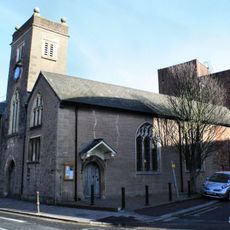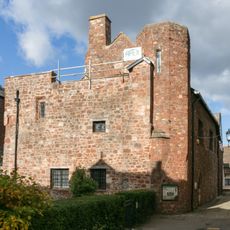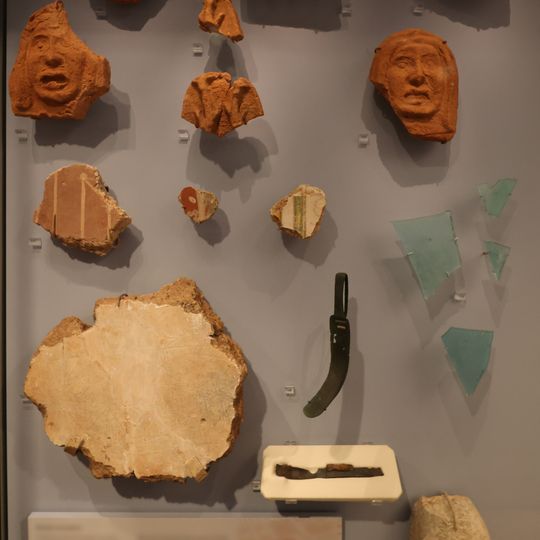
Isca Dumnoniorum, Roman settlement in Devon, England, UK
Isca Dumnoniorum was a Roman city in what is now Exeter, England, and served as an important military and trading center during Roman times. The settlement covered about 40 acres, featuring defensive walls, barracks, public baths, temples, a forum, and numerous stone buildings arranged in a grid pattern.
The Roman fortress was established around 55 AD as a base for the Second Augustan Legion to control the region after the invasion of 43 AD. After roughly 20 years, the legion relocated to Wales, and the settlement transitioned into a civilian town that continued to prosper until Roman forces withdrew around 410 AD.
The name Isca comes from a word meaning flowing water, referring to the nearby River Exe. The Romans named the settlement after the local Dumnonii tribe, who inhabited the region long before the empire arrived.
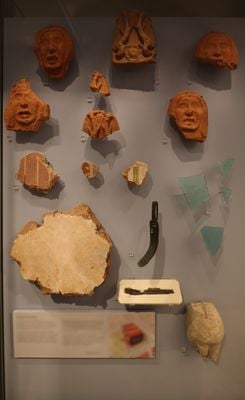
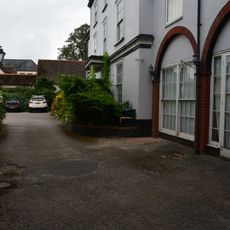
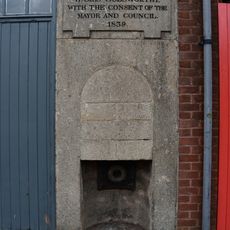
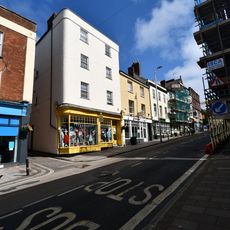
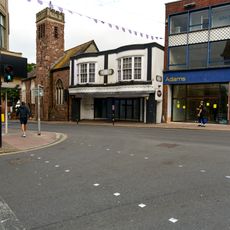
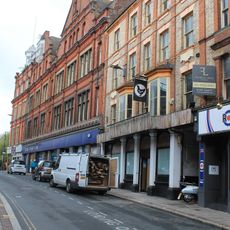
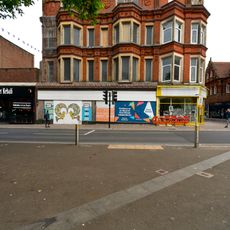
The remains are partly visible outdoors, including surviving wall sections that still encircle Exeter today and archaeological sites hidden beneath modern streets. The best way to explore is to walk along the surviving city walls and visit the Royal Albert Memorial Museum, which displays many artifacts found during excavations.
The Roman baths beneath Cathedral Green featured a heating system supplied by a natural hot spring channeled through an aqueduct, a remarkably advanced setup for its time. Archaeologists discovered a rare dolphin-shaped roof fitting that linked this site to other Roman military structures in Wales and demonstrated the craftsmanship of the period.
The community of curious travelers
AroundUs brings together thousands of curated places, local tips, and hidden gems, enriched daily by 91,376 contributors worldwide.