Magnae Dobunnorum, Romano-British town and archaeological site
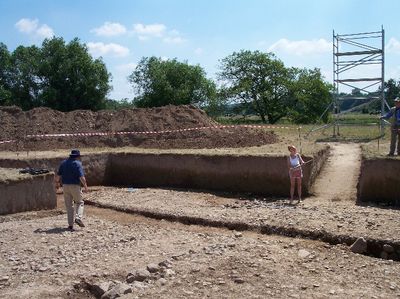
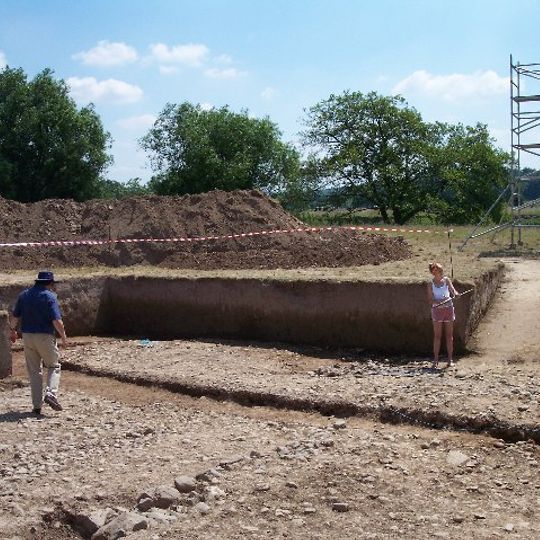
Magnae Dobunnorum is a Roman city in what is now Herefordshire, England, laid out in an irregular hexagonal shape with a main street following the Roman road through the area. The site contains ruins of temples or bath houses, an octagonal cistern fed by spring water, and defensive walls that evolved over several centuries.
The city was established in the first or second century AD as a trading center for the Dobunni people who inhabited the region. Earthen defenses were built in the 2nd century and reinforced with stone walls by the 4th century, with the town remaining occupied into the 5th century before becoming a base for the Mercian subkingdom of Magonsaete after 577 AD.
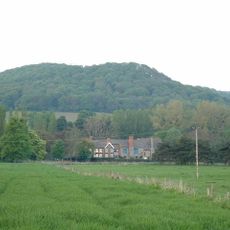
The name Magnis likely comes from Celtic meaning stone or rock, possibly referring to the nearby hills to the north. This place was a local trading hub where the Dobunni people gathered to exchange goods and conduct daily business.
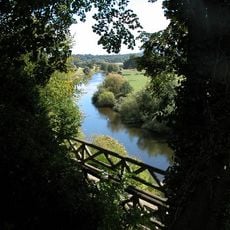
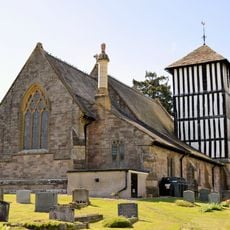
The site is located near the village of Kenchester and is accessible to visitors who wish to explore the ruins and learn about its past. The remains spread across an area that includes a private garden where visitors can view Roman structures such as the octagonal cistern and wall fragments.
The octagonal cistern on the grounds is fed by a natural spring and stands among the tallest remaining Roman ruins in Herefordshire. This water system shows how Romans engineered fresh water supplies by tapping into natural springs to serve their buildings.
The community of curious travelers
AroundUs brings together thousands of curated places, local tips, and hidden gems, enriched daily by 90,815 contributors worldwide.