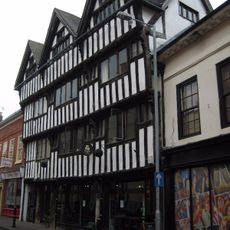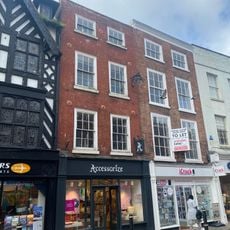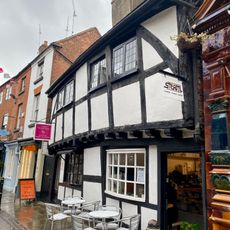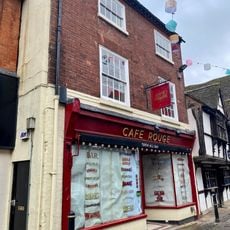
Worcester, Cathedral city in West Midlands, England
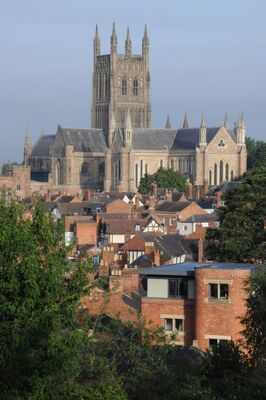
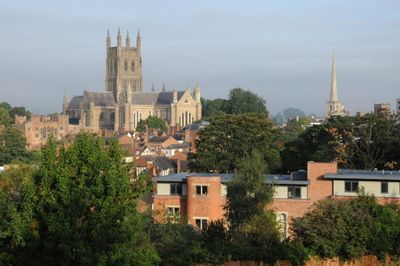
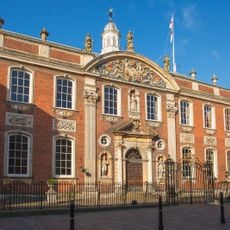
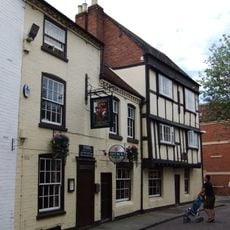
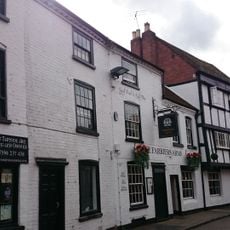
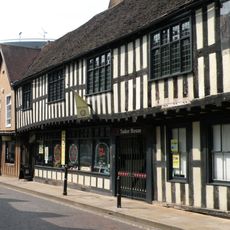
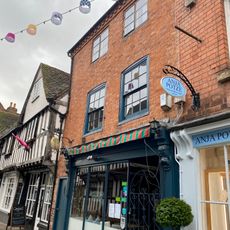
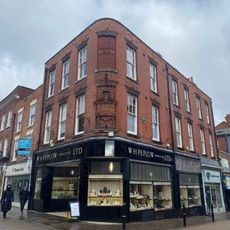
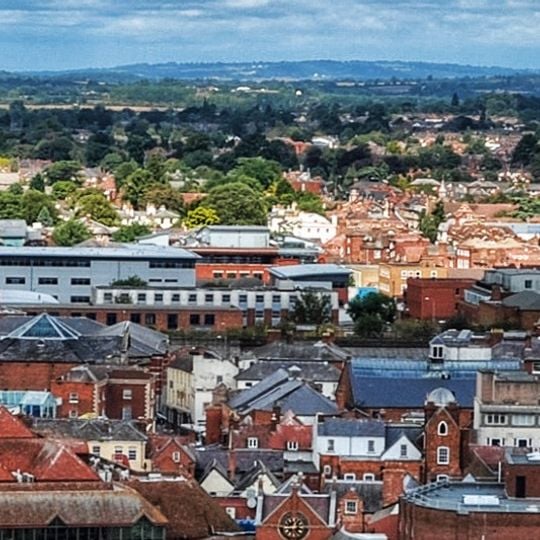
Worcester sits on the east bank of the Severn and climbs from the waterfront across hills threaded by narrow lanes and wide trading zones. The cathedral with its Gothic tower rises above the neighboring residential areas and forms a focal point throughout the cityscape.
In 1651 the city became the site of the final battle of the English Civil War, when Cromwell's forces defeated the Royalists here. During the 19th century the settlement developed into an important center for porcelain production and glove making.
Porcelain bearing the Royal Worcester mark has been made in this city since the mid-18th century and still shapes its identity today. Visitors can follow how the craft evolved across generations at the Museum of Royal Worcester.
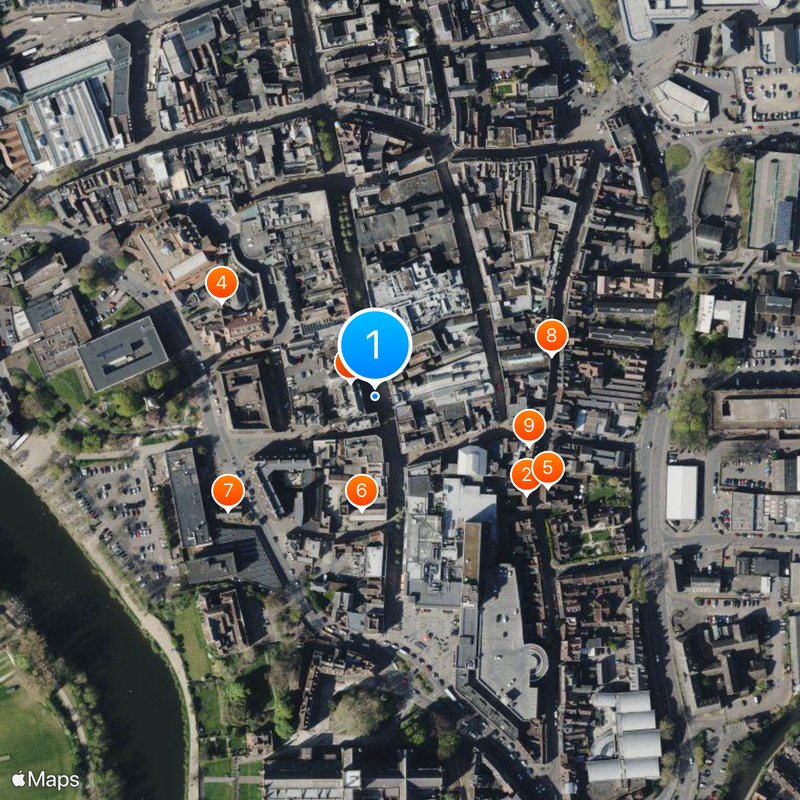
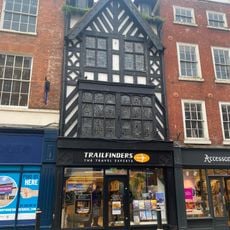
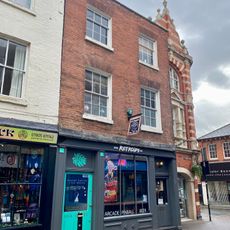
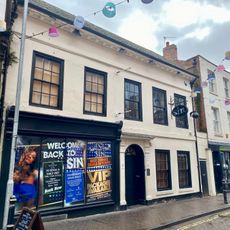
The city center is easy to explore on foot, with most points of interest within a few minutes' walk from the riverfront. Visiting on market days offers a chance to meet local traders and sample regional food.
Beneath the old town pavement run medieval cellars and tunnels that originally served as storage spaces and escape routes. Some of these underground passages are accessible on guided tours and reveal layers from several centuries.
The community of curious travelers
AroundUs brings together thousands of curated places, local tips, and hidden gems, enriched daily by 92,343 contributors worldwide.