River Douglas, River system in Lancashire and Greater Manchester, England
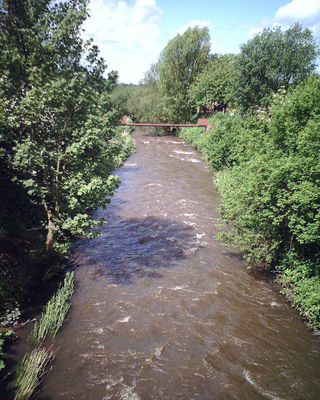
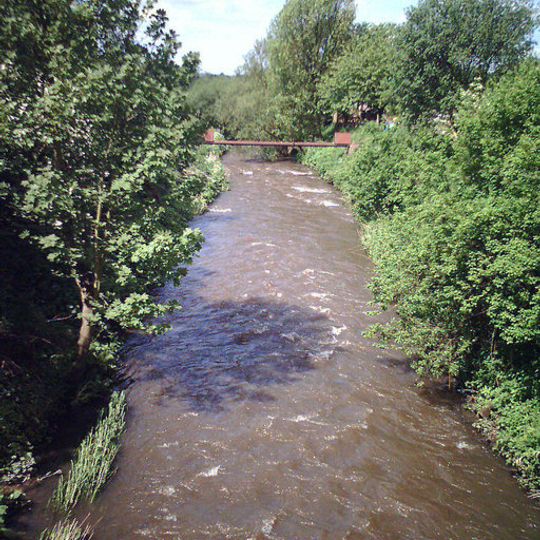
The River Douglas is a river system that flows roughly 35 miles from Winter Hill through Lancashire and Greater Manchester, eventually meeting the River Ribble at Tarleton. The waterway passes through varied terrain and settlements, creating a significant water corridor across the region.
The river formed the basis of the Douglas Navigation scheme built between 1738 and 1742, which enabled coal transport from Wigan to coastal markets. This waterway became less important after the late 18th century, though its infrastructure remains part of the area's industrial heritage.
The river takes its name from ancient Brittonic words meaning dark stream, preserving an old linguistic layer in the region. Local names like this often reveal how early inhabitants described the natural world around them.
Multiple access points and footpaths line the river banks, making it suitable for walking, cycling, and wildlife watching. The waterway is easy to explore on foot or by bike, with several starting points allowing flexible route planning.
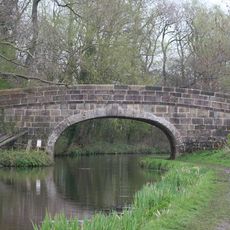
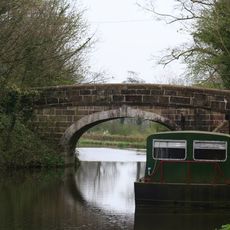
An aqueduct from the 1790s allows the Leeds and Liverpool Canal to pass above the water at Worthington Lakes, showcasing engineering skill from the industrial age. This clever solution let two transport routes share the same space without interfering with each other.
The community of curious travelers
AroundUs brings together thousands of curated places, local tips, and hidden gems, enriched daily by 91,849 contributors worldwide.