Shrivenham, village and civil parish in Vale of White Horse, Oxfordshire, England
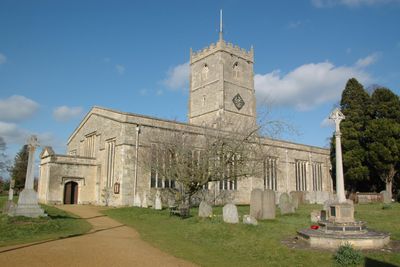
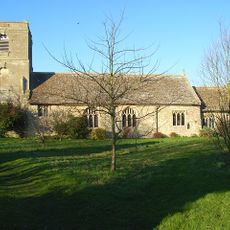
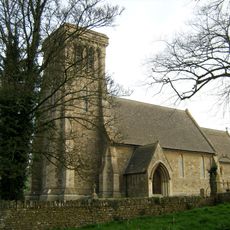
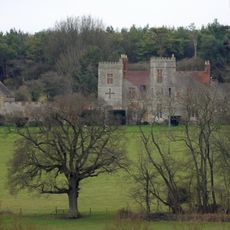
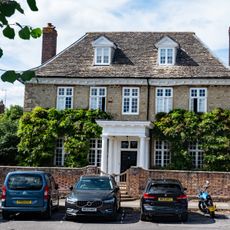
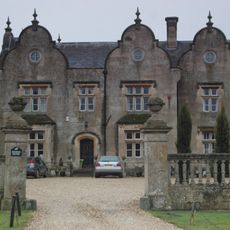
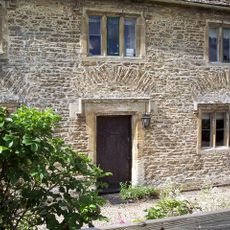
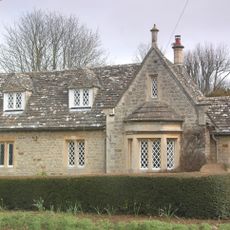
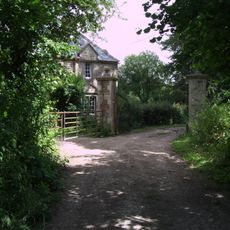
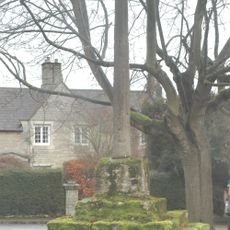
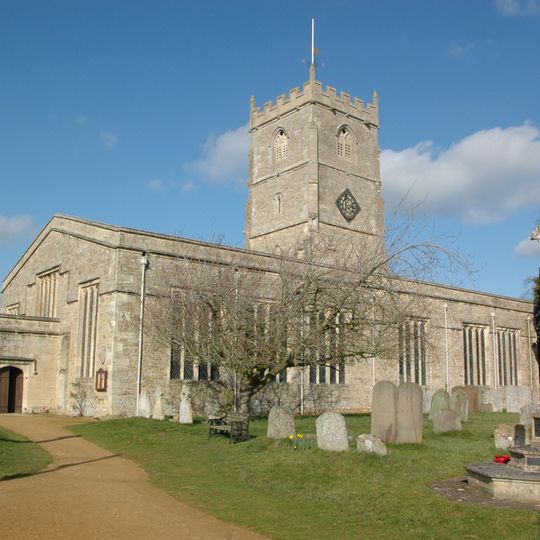
Shrivenham is a small village in the Vale of White Horse in Oxfordshire, made up of traditional stone houses, simple cottages, and historic buildings. The place features St. Andrew's Church with parts dating to the 12th century, Beckett House, a Tudor-style manor, and an old village pump at its center.
Shrivenham first appears in documents from the 11th century and is recorded in the Domesday Book of 1086. The settlement changed hands among various noble families over time, including famous knight William Marshal, and underwent major change in the 20th century with the founding of the Royal Military College of Science in 1946.
The name Shrivenham appears in records dating back to the 11th century and has changed several times throughout history. Local residents maintain traditions including village fetes, church festivals, and regular gatherings at the memorial hall, which reflect the strong sense of community that defines life here.
The village is easily reached by car and has nearby railway connections to larger towns. Visitors can explore quiet footpaths through the countryside, including a circular walk around Shrivenham that offers views of the landscape and local history.
Archaeologists have found tools from the Mesolithic period around 4,000 BC and remains of a Roman villa nearby, showing that the area has been inhabited for thousands of years. These discoveries reveal that Shrivenham was an important place long before its first written mention.
The community of curious travelers
AroundUs brings together thousands of curated places, local tips, and hidden gems, enriched daily by 60,000 contributors worldwide.