Hoxne treasure, Roman treasure hoard in Suffolk, England
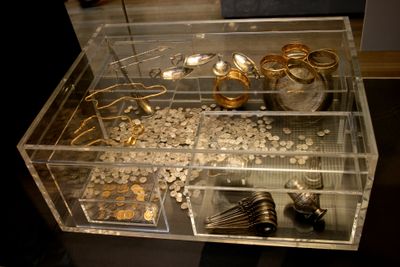
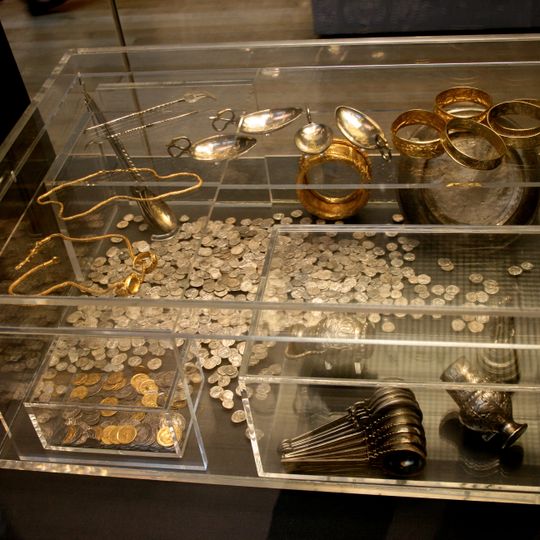
This treasure is a collection of Roman objects excavated in Suffolk and now ranks among the richest late-antique finds in England. The assemblage includes thousands of silver and gold coins, plus plates, spoons, bracelets, and chains once stored in wooden boxes.
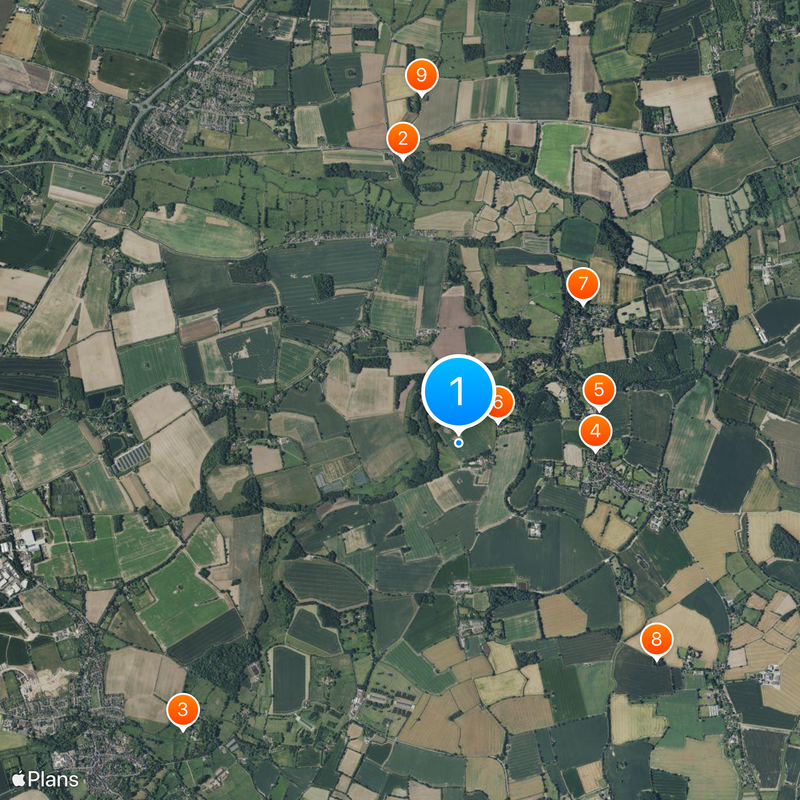
A metal detectorist came across the buried objects in November 1992 on farmland while looking for a lost tool. Archaeologists date the burial to the early 5th century, when Roman control over Britain was collapsing.
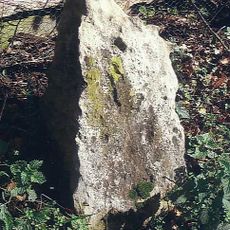
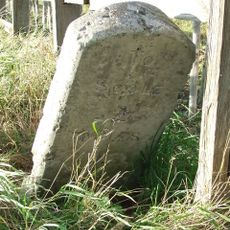
The name comes from the village near the discovery site and marks one of the most important Roman finds in Britain. The recovered objects show the living standards and tastes of a wealthy family at the edge of a crumbling empire.
The British Museum displays the finds permanently in a dedicated exhibition area that is well lit and clearly organized. Visitors can view the objects up close and read information panels explaining individual pieces.
Some of the recovered silver spoons carry engraved Christian symbols and personal names, pointing to the faith and identity of the owners. These inscriptions rank among the earliest evidence of Christianity in Roman Britain.
The community of curious travelers
AroundUs brings together thousands of curated places, local tips, and hidden gems, enriched daily by 91,997 contributors worldwide.