Woolpit, village in Suffolk, England, UK
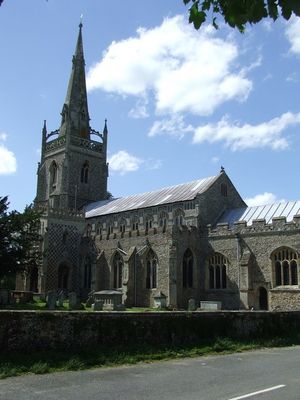
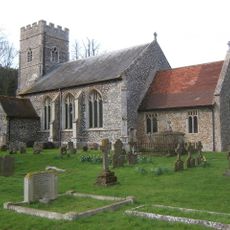
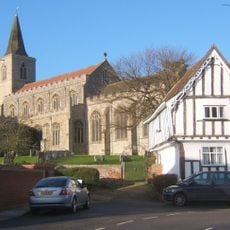
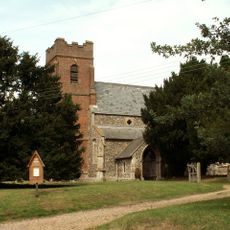
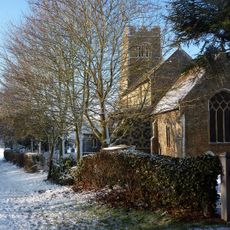
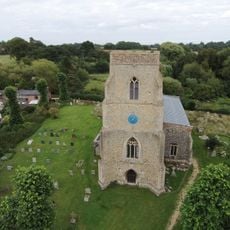
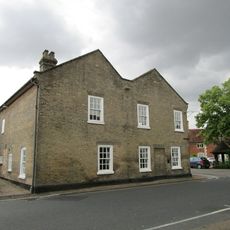
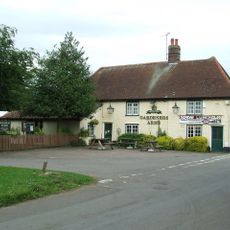
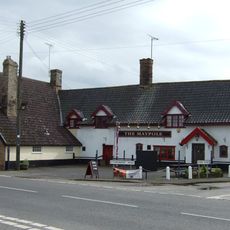
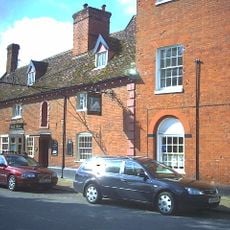
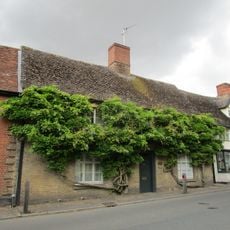
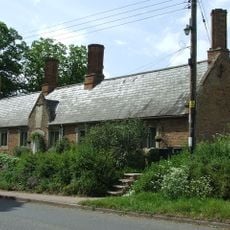
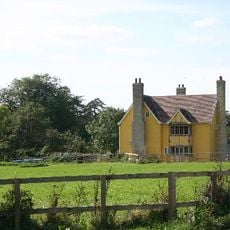
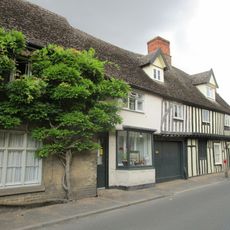
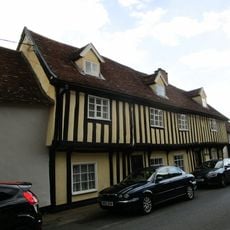
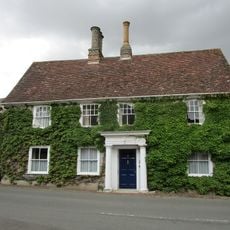
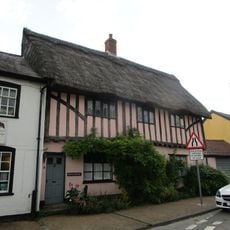
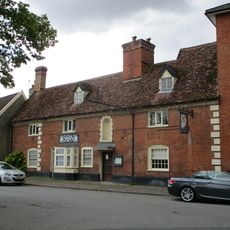
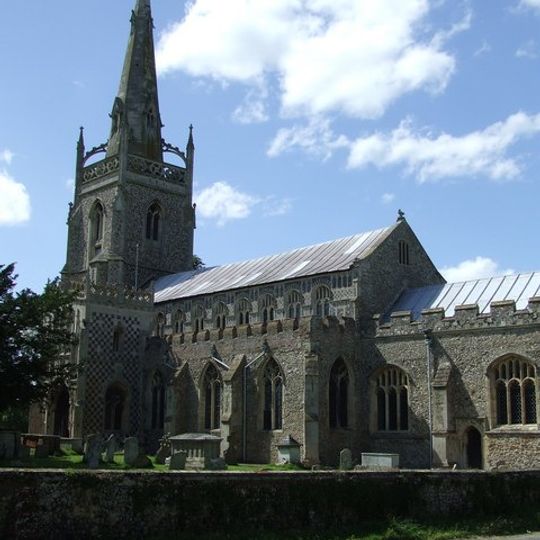
Woolpit is a small village in Suffolk with narrow streets lined by old brick and tile houses that give it a peaceful character. At its center stands a church with a tall tower and pointed spire that was struck by lightning in 1852 and later rebuilt, serving as a local landmark.
Woolpit was first documented in 1005 when the warrior Ulfketel granted land to a religious shrine, after which it remained under abbey control for centuries. The village developed as a market settlement with annual fairs in medieval times, then became known for brick and clay production from the 1500s through the 1900s.
The name Woolpit has been recorded since around 1005 and likely comes from an old word for wolf pit or connects to the warrior Ulfketel. The village drew pilgrims throughout the Middle Ages because of its shrine to Our Lady of Woolpit, which shaped religious life and traditions.
The village sits on clay lands in Mid Suffolk and is easily reached by train or car from nearby towns like Stowmarket or Bury St. Edmunds. The quiet layout with narrow streets makes it simple to explore on foot, with the church serving as a natural landmark for orientation.
A famous medieval legend tells of two children with green skin discovered in the fields who spoke an unknown language and seemed disoriented. The girl survived and later married, while the boy did not, and this strange tale has inspired centuries of speculation and retellings.
The community of curious travelers
AroundUs brings together thousands of curated places, local tips, and hidden gems, enriched daily by 92,391 contributors worldwide.