Alford, village in Aberdeenshire, Scotland, UK
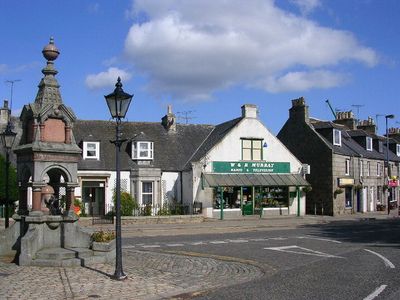
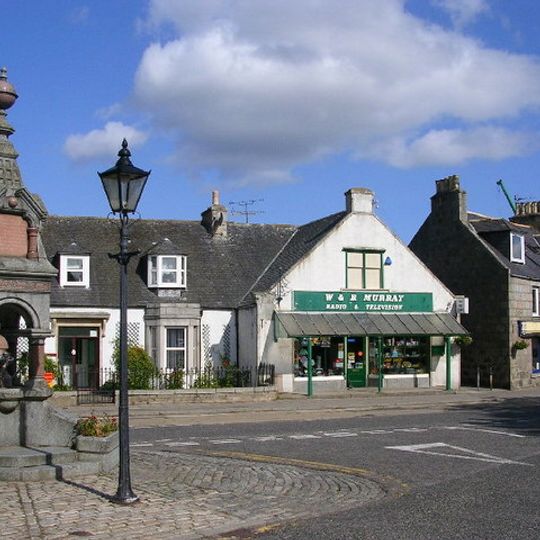
Alford is a village in Aberdeenshire in northeast Scotland, sitting on gently rising land near the River Don. The settlement features quiet streets lined with grey stone buildings that reflect its long history and traditional character.
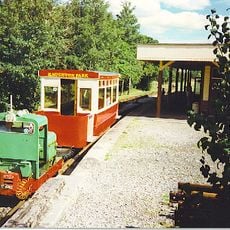
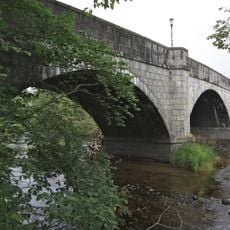
Thomas Telford built a bridge over the River Don in the early 1800s, connecting Alford to other towns and helping the village grow. The arrival of the Alford Valley Railway in 1859 strengthened this connection and brought prosperity until the line closed in 1966.
The name Alford comes from Scottish roots and is called Athfort in Scottish Gaelic. The pronunciation has shifted over centuries, and locals use variations like Aaford or Awfort when speaking, showing how the language has evolved here.
The village is easy to explore on foot, with quiet streets and good walking routes throughout. You will find shops, cafes, and a few small pubs in the center where you can rest and get refreshments.
A larger-than-life bronze statue of an Aberdeen Angus bull stands at the village entrance, marking where this cattle breed was developed in the 1800s. The Queen Mother unveiled it in 2001, yet many visitors pass by without noticing this landmark.
The community of curious travelers
AroundUs brings together thousands of curated places, local tips, and hidden gems, enriched daily by 91,819 contributors worldwide.