Dundas Aqueduct, Stone aqueduct in Monkton Combe and Winsley, England.
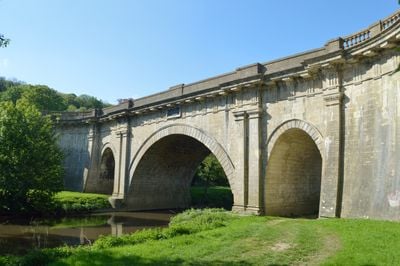
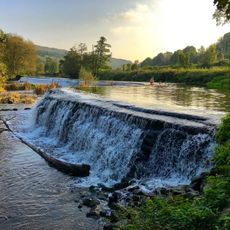
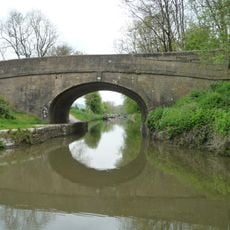
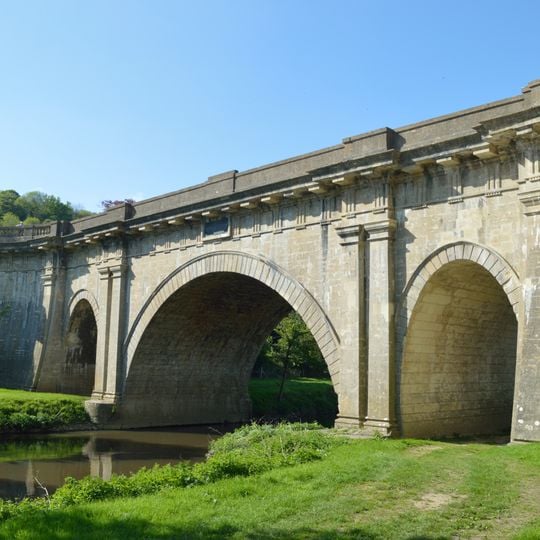
The Dundas Aqueduct is a stone bridge spanning the River Avon to carry water from the Kennet and Avon Canal across the valley. Its classical design includes graceful arches and detailed stonework that makes it stand out as both a working waterway and an engineering achievement.
Built in 1805 by engineer John Rennie, this structure was designed as a critical link in Britain's canal network connecting industrial towns and ports. It solved the problem of crossing a river valley while maintaining the water level needed for boat traffic.
Bronze plaques from 1828 display inscriptions honoring Charles Dundas and John Thomas, who contributed to the canal's development.
The best views come from walking along the towpath on either side of the river, which is open to the public year-round. Be prepared for wet or muddy ground in damp weather, and wear sturdy shoes for safe footing on the stones.
The paired flanking arches with their curved stonework create a subtle design feature that many visitors miss, yet it shows how early engineers blended careful craftsmanship into everyday structures. This attention to detail reveals a time when functional engineering also embraced decorative skill.
The community of curious travelers
AroundUs brings together thousands of curated places, local tips, and hidden gems, enriched daily by 92,240 contributors worldwide.