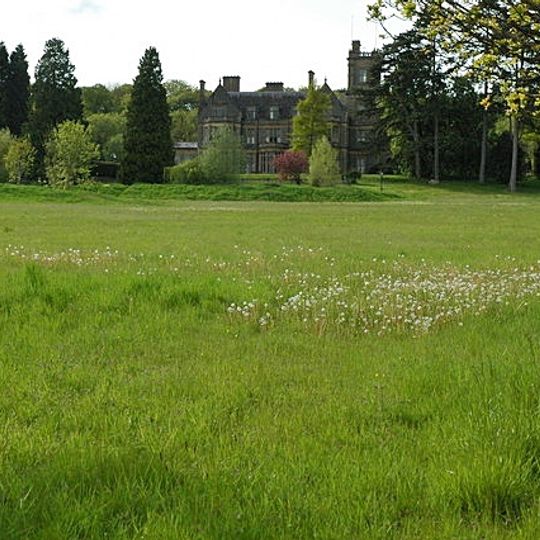
Blaisdon Hall, Grade II* listed educational building in Blaisdon, England
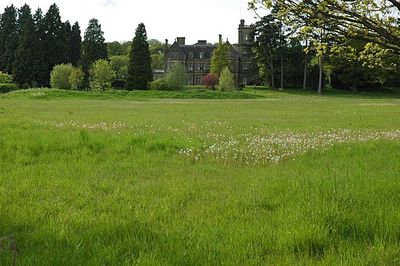
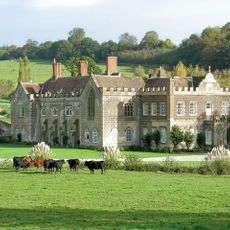
Blaisdon Hall is a Grade II* listed school building constructed from stone with slate roofs, distinguished by two projecting wings at the rear and a prominent four-storey tower on its front facade. The structure combines solid stonework with traditional slate covering and features a clear architectural form that reflects its purpose as both a residence and educational institution.
William Crawshay constructed the building in 1876, and P. Stubbs added an extension in 1907. The property subsequently transformed into an agricultural school by 1935, marking a shift from private residence to educational use.
The building displays Jacobean architectural principles through its symmetrical design and central courtyard, reflecting how landowners of that era approached estate design. These design choices remain visible today and show traditional English construction methods that shaped how such buildings were meant to be lived in and used.
The site functions as a working educational institution, so access may be limited depending on school activities and operational needs. Visitors should inquire ahead and expect restricted viewing times to respect the ongoing educational purpose of the place.
The building contains a nationally important breeding roost for Lesser horseshoe bats, representing approximately one-fifth of Gloucestershire's known breeding population. This distinction makes the estate significant for bat conservation and adds an unexpected ecological dimension to its heritage importance.
The community of curious travelers
AroundUs brings together thousands of curated places, local tips, and hidden gems, enriched daily by 91,295 contributors worldwide.